
Views: 222 Author: Tina Publish Time: 2025-10-26 Origin: Site


Content Menu
● The General Rule: 8 Hours a Day
● Seasonal Adjustments: Summer vs. Winter
● How to Calculate Your Ideal Pump Runtime
● Key Factors Affecting Pool Pump Runtime
>> 2. Pump Efficiency and Speed
● Energy Efficiency Tips for Pump Operation
>> 1. Run During Off-Peak Hours
>> 4. Choose Energy-Efficient Equipment
>> 5. Schedule Timer Automation
● Running the Pump During Chemical Treatments
● Can You Run Your Pool Pump 24/7?
● What Happens If You Don't Run It Long Enough?
● Ideal Pump Runtime by Pool Type
● FAQs About Pool Pump Runtime
>> 1. How long should I run my pool pump each day?
>> 2. Can I run my pump at night only?
>> 3. How do I know if my pump ran long enough?
>> 4. Should I run my pump after swimming?
>> 5. Is it OK to run a variable-speed pump 24/7?
Running a pool pump efficiently is essential for maintaining clean, safe, and sparkling water. Many pool owners wonder whether they need to run it for a few hours or all day long. The truth lies in understanding your pool's size, equipment specifications, seasonal variations, and even local energy rates. This article explores how long you should run your pool pump every day, how to calculate the perfect runtime, and how to optimize it for energy savings and water quality.
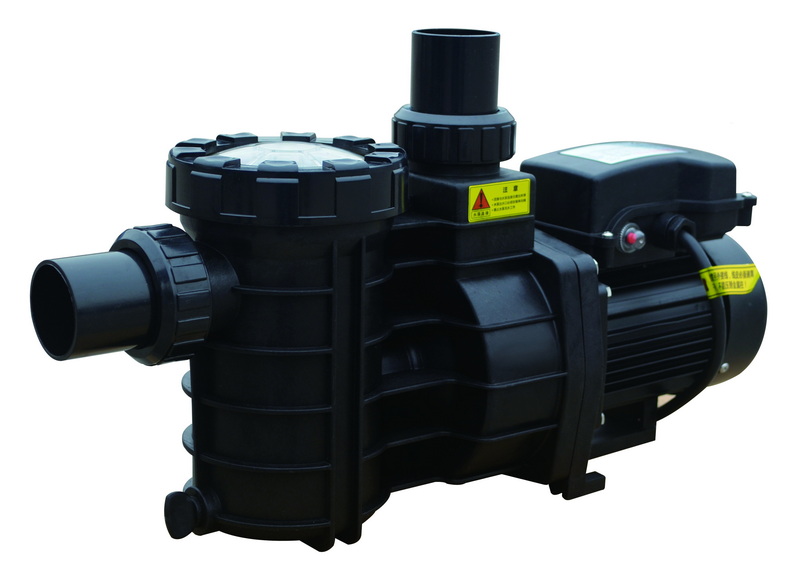
Your pool pump is the heart of your filtration system. It keeps the water moving, pulling it through filters and returning it clean and clear. Without sufficient circulation, algae can grow, debris will settle, and sanitation chemicals won't distribute evenly.
Running your pool pump properly ensures:
- Turbidity and debris removal.
- Complete chemical distribution.
- Prevention of algae growth.
- Balanced water temperature and oxygenation.
According to leading pool experts, most residential pools need 8 hours of pump runtime per day to achieve a complete water turnover cycle.[1][2]
This means every single droplet of water passes through the filtration system once daily — the key to maintaining clarity and hygiene.
However, the 8 hours don't have to be continuous. Many homeowners prefer running the pump in shorter cycles, such as:
- 4 hours in the morning before sunrise.
- 4 hours in the evening after sunset.
This approach helps maintain steady circulation while saving electricity by avoiding peak hours.
During summer months, most experts recommend running your pool pump 8 to 10 hours a day, or even up to 12 hours for large or heavily used pools. The warm weather accelerates algae growth, and frequent swimming introduces more contaminants.[3]
Scenarios requiring longer runtime include:
- After heavy rainfall.
- After pool parties or heavy usage.
- When chemical balance fluctuates.
- In regions with high temperatures and strong sunlight.
In cooler months, pools experience less evaporation, UV exposure, and organic contamination. It's safe to reduce runtime to about 4–6 hours per day, ensuring continual filtration without wasting energy.
Pool pump runtime is directly related to pool volume and pump flow rate. You can easily calculate the optimal hours using this formula:

- Pool Volume: 60,000 litres
- Pump Flow Rate: 200 L/min
60,000÷200=300 min=5 hours
A single turnover takes about 5 hours, but during summer, aiming for two turnovers daily (10 hours total) ensures extra clarity.[3]
Runtime isn't a one-size-fits-all measurement. Several variables define how long your specific pump should run.
Larger pools require more filtration time since more water must circulate. Complex shapes or pools with spas and waterfalls also need extended runtimes to ensure full coverage.[4]
Variable-speed pumps allow you to adjust RPMs for better energy savings. You can run a high-speed cycle briefly for filtering and a lower-speed cycle for circulation — resulting in longer runtime but lower overall power use.[5]
Pools that host multiple swimmers per day — especially family or commercial setups — need the pump to run longer to counteract sunscreen oils, dirt, and bacteria buildup.[4]
Dry, windy, or tree-surrounded environments contribute debris and pollen, necessitating more filtering hours. Likewise, hot climates accelerate bacterial growth.[6][4]
If chlorine or pH levels fluctuate, running the pump longer helps distribute chemicals evenly to restore equilibrium.[4]
Running your pump longer improves cleanliness — but can also raise electricity bills. To balance both, follow these professional energy-saving strategies.
Electricity rates vary by time of day. Running your pump late at night or early morning can reduce operational costs by 20–40%.[7][6]
A quality pool cover limits evaporation and reduces debris accumulation, allowing you to shorten pump runtime without compromising cleanliness.[3]
A clogged filter restricts flow, which forces the pump to work harder and longer. Clean sand filters weekly and backwash regularly.
Modern variable-speed pumps consume up to 70% less energy than traditional single-speed models. Over time, the power savings offset the higher upfront cost.[8][7]
Using digital controllers, you can schedule multiple low-speed cycles per day to maintain consistent circulation at minimal cost.
When adding chlorine, algaecide, or shock treatments, always run your pump for at least 4 hours afterward to ensure uniform chemical distribution.[2][1]
For chlorine shock, nighttime circulation is best to prevent UV degradation.
Yes — continuous operation provides consistent water clarity, but it's rarely necessary. Running a pump 24/7 raises electricity costs significantly for only marginal water quality improvements.[6]
However, certain cases may justify it:
- When clearing green or cloudy water.
- During initial spring pool openings.
- When using very slow variable speeds.
If your pump is variable-speed, running 24 hours at lower RPMs can be energy-efficient since power consumption drops exponentially with speed reduction.
Failing to run your pool pump adequately causes multiple problems:
- Algae growth due to stagnant water.
- Uneven chemical distribution creating imbalanced pH.
- Cloudy or unpleasant appearance.
- Odors from bacterial buildup.
- Wear and corrosion from accumulated debris.
| Pool Type | Recommended Runtime | Notes |
|---|---|---|
| Residential (medium size) | 8 hours | One full turnover daily swimmingpool |
| Large or commercial pool | 10–12 hours | Heavy use requires double turnover guyrobertlandscape |
| Small plunge pool | 4–6 hours | Low contamination rate |
| Saltwater pool | 10–12 hours | Supports generator operation lesliespool |
| Heated pool with water features | 12–14 hours | Increased demand from spa jets |
Running your pool pump the right amount keeps your water clear, efficient, and free from harmful bacteria. The golden rule is to ensure a full turnover once daily, typically requiring 8 hours for most pools. Adjust the runtime seasonally, use energy-efficient pumps, and take advantage of timers and off-peak electricity to save money.
If you operate a professional pool facility or want premium residential performance, consider investing in a smart filtration system and high-efficiency sand filters built with advanced automation — like those manufactured by our factory. We design and produce sand filters, cartridge filters, DE filters, swimming pool pumps, and complete pool filtration systems using advanced machining technology and reliable OEM services for brands worldwide.
Most pools require 8 hours of filtration per day, which allows one complete water turnover.[1][2]
Yes. Running at night can help distribute evening chlorine and reduce electricity costs during off-peak hours.[6]
If your water remains clear, the filter pressure normalizes, and chemical readings are stable, your current schedule is sufficient.[4]
After heavy pool use, especially with sunscreen lotions or oils, run the pump an extra 2 hours to restore clarity.[3]
Yes. Lower RPMs consume less power, so continuous operation can be more energy-efficient than short, high-speed runs.[8][7]
[1](https://www.swimmingpool.com/maintenance/pump&filter/how-long-to-run-pool-pump/)
[2](https://www.swimmingpool.com/products/equipment/pumps&motors/)
[3](https://guyrobertlandscape.com/summer-pool-pump-runtime-guide/)
[4](https://www.mavaquadoc.com/blogs/pool-maintenance-blog/what-is-the-ideal-pump-run-time-for-a-pool)
[5](https://lesliespool.com/blog/whats-the-best-time-to-run-your-pool-pump.html)
[6](https://www.carltonpools.com/can-you-run-your-pool-pump-24-hours-day/)
[7](https://www.chooseenergy.com/energy-resources/pool-pump-settings-for-energy-savings/)
[8](https://diy.inyopools.com/article/best-variable-speed-pool-pump-schedule/)
[9](https://diy.inyopools.com/article/how-long-should-i-run-my-pool-pump/)
[10](https://www.inyopools.com/HowToPage/how_to_reduce_your_pool_pump_energy_bill.aspx?CommentPage=1)
[11](https://diy.inyopools.com/article/psc-ep-66-run-pool-pump-day-night/)
[12](https://www.swimmingpool.com/maintenance/pump&filter/how-to-size-pool-pump/)
[13](https://lesliespool.com/blog/how-to-calculate-pool-pump-run-time.html)
[14](https://forum.inyopools.com/t/best-time-of-day-to-run-pump/2561)
[15](https://www.youtube.com/watch?v=u4ExnupI26o)
[16](https://www.poolkingfilter.com/when-is-the-best-time-to-run-a-pool-pump.html)
[17](https://diy.inyopools.com/article/run-my-heat-pump-during-the-day-or-at-night/)
[18](https://www.reddit.com/r/pools/comments/15ysu79/new_pool_owner_here_how_long_do_you_run_your_pump/)
[19](https://www.mtlakepool.com/2025/06/25/how-long-to-run-a-pool-pump-when-opening/)
[20](https://diy.inyopools.com/article/5-biggest-pool-pump-mistakes/)


