
Views: 222 Author: Tina Publish Time: 2025-11-02 Origin: Site


Content Menu
● Introduction: The Importance of Pool Filter Media
>> The Science Behind Pool Filter Sand
>> Play Sand's Composition and Intended Use
● Direct Comparison: Pool Filter Sand vs. Play Sand
● Risks of Using Play Sand in Pool Filters
>> System Damage and Water Quality Issues
● Alternatives to Traditional Pool Filter Sand
>> Next-Generation Pool Filter Media
● Manufacturer Recommendations and Industry Standards
>> Why Always Refer to Your Equipment Manual
● Pool Filter Sand Best Practices
>> How to Maintain Your Sand-Based Pool Filter
● Environmental and Economic Considerations
>> Why Quality Filter Sand Pays Off
● User Experiences and Community Insights
>> What Pool Owners and Experts Say
● Stepwise Guide: How to Replace Your Pool Filter Sand
● Synergy: Pool Filter Media and Supporting Equipment
>> Integrating Pumps, Lights, and Accessories
● Real-World Example: Commercial Pool Success Story
● FAQ: Pool Filter Sand vs Play Sand (Expanded)
>> 1. Can I use play sand if thoroughly rinsed?
>> 2. How do I identify quality pool filter sand?
>> 3. What problems arise from compacted sand?
>> 4. Should pool sand be replaced before problems occur?
>> 5. What are approved alternatives to pool filter sand?
Choosing the correct sand for your pool filter is essential for water clarity, swimmer safety, and equipment longevity. Many pool owners consider alternatives like play sand due to its lower price and easy availability, but this choice can have serious consequences for their filtration system and overall pool health.[5][8][9]
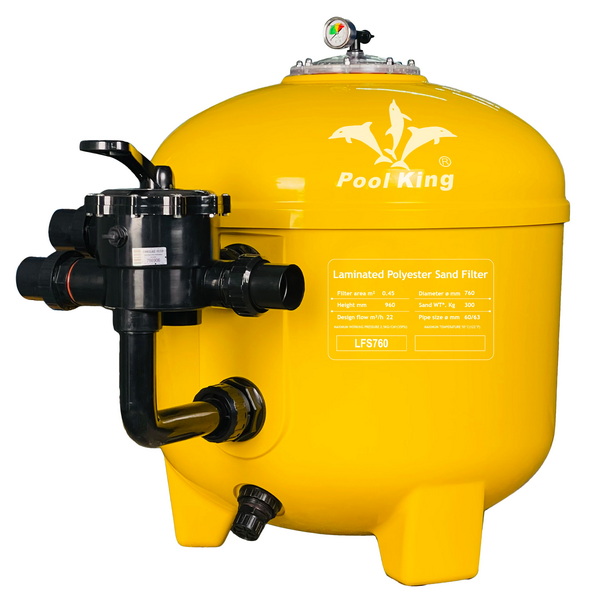
Pool filter sand is a specialized filtration media made from high-purity, angular silica grains. It is carefully graded to a uniform size—typically between 0.45–0.55 mm—to optimize trapping debris and contaminants as water passes through the filter bed.
- Chemical Purity: Pool filter sand contains minimal organic materials or clay, offering consistent filtration performance season after season.
- Grain Shape and Size: The angular, sharp grains physically trap fine particles, as opposed to rounded grains which let debris pass through.
- Filtration Efficiency: Pool filter sand can remove particles as small as 20 microns, making it efficient at keeping pool water clear.[6][9][10]
Play sand is primarily designed for children's sandboxes and playgrounds. It typically contains a mix of grain sizes and may also hold organic and inorganic impurities.
- Size and Texture: Often much coarser (up to 2 mm), with rounded grains and inconsistent texture.
- Purity Issues: Play sand may contain heavy metals, organic debris, or clay—none of which are suitable for the clean chemistry of a pool.[2][11]
- Compaction Risks: Tendency to compact and develop anaerobic pockets, which can reduce water flow and promote bacterial growth.[3]
| Criteria | Pool Filter Sand | Play Sand |
|---|---|---|
| Grain Size | 0.45–0.55 mm (consistent)beatbot+1 | 0.5–2 mm (variable)reddit |
| Grain Shape | Angular | Rounded |
| Filtration Efficiency | Up to 20 micronsintheswim | Often >50 microns |
| Purity | High silica, minimal contaminants | May include clay, organics, metalspoolkingfilter |
| Compaction | Resists compaction | Can compact and reduce flowartsfishroom |
| Clogging/Breakdown | Rare, longer lifespan | Faster breakdown, frequent cleaningapistogramma |
| Cost | More expensive | Cheaper, but inferior performancefacebook |
| Safety | Safe for pool chemistry | May contaminate waterpoolkingfilter |
| Maintenance | 5–7 years between changesintheswim | Frequent issues, potential repeated rinsingreddit+1 |
Using play sand introduces serious risks:
- Cloudiness and Poor Filtration: Rounded grains let fine dirt and algae pass, resulting in cloudy water even after a filter cycle.[8][9][6]
- Frequent Backwashing: Play sand compacts and clogs easily, leading to frequent filter maintenance and reduced lifespan.[4][3]
- Potential Health Hazards: Impurities such as clay, metals, or organic debris can disrupt pool chemistry and pose safety risks.[5]
- Warranty Voids: Most filter manufacturers specify only certified pool filter sand for use; deviations may void warranties and cause costly repairs.[12][8]
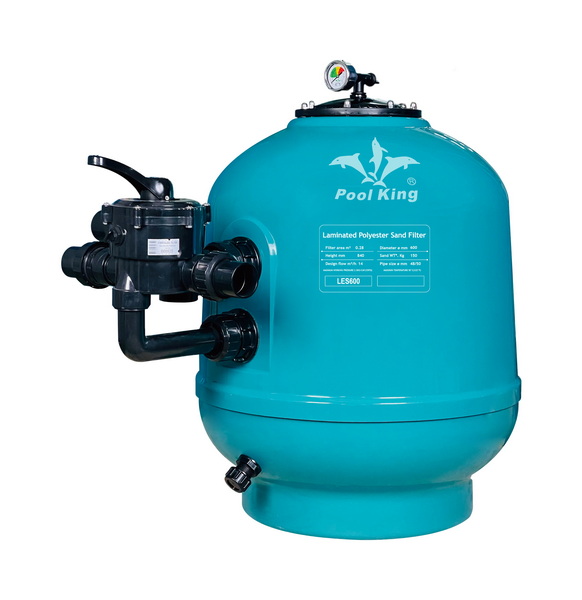
Modern pool filter designs offer advanced filtration media:
- Zeolite: Clinoptilolite (natural mineral) that filters finer particles and removes ammonia.
- Crushed Glass: Long-lasting, eco-friendly, maximizes dirt trapping and flow.
- Specialty Silica Mixes: Designed for specific filter types and performance goals.[9][13][8]
Pool filter manufacturers calibrate their systems for optimal operation using specific media sizes and compositions. Always consult product documentation or professional advice before replacing filter media to ensure compatibility, safeguard warranties, and maximize filtration effectiveness.[6][8]
Proper sand filter care ensures optimal performance and longevity:
- Routine Backwashing: Helps keep sand bed clean and free of debris.
- Sand Replacement Schedule: Replace sand every 5–7 years, or as recommended by your pool filter manufacturer.
- Inspect Water Quality: Persistent cloudiness, sudden spikes in filter pressure, or visible debris suggest issues with sand quality or filter operation.
- Regular Inspection: Monitor for leaks, broken laterals, or sand depositing in the pool.[6]
While play sand may be attractive due to its lower price point, the short- and long-term costs from poor filtration, system damage, and maintenance far outweigh initial savings. High-quality pool filter sand and certified substitutes provide greater water quality, reduced risk of costly repairs, and easier regulatory compliance for commercial and community pools.[4][8]
Community discussion forums and pool owner testimonials overwhelmingly recommend pool filter sand for pool maintenance.
- Pool filter sand requires less rinsing and provides cleaner, clearer water post-installation.[1][7]
- Play sand “might work” but nearly always leads to frustration, extra cleaning, and poor filtration outcomes.[1][2]
- Experienced technicians report fewer warranty claims and system failures when pool filter sand is consistently used.
1. Turn Off Power and Water Supply: Safety first.
2. Access the Filter Tank: Open the tank carefully per manufacturer instructions.
3. Remove Old Sand: Scoop out sand; consider using a wet/dry vacuum for efficiency.
4. Inspect Internal Components: Check laterals, pipes, and seals for any signs of damage or wear.
5. Add New Sand: Pour certified pool filter sand, ensuring correct fill level (typically 2/3 full).
6. Reassemble and Tighten: Secure all fittings per manual.
7. Backwash and Rinse: Run both cycles before resuming regular filtration.
8. Monitor Initial Performance: Check for leaks and clarity in the first hours/days of operation.
Modern pool systems often include smart pumps, LED lighting, and advanced monitoring. The quality and compatibility of filter media directly impact overall system performance—high-end sand complements efficient pumps, energy savings, and balanced water chemistry for perfect pool experiences.
A high-use commercial facility once switched to play sand based on initial budget savings. Within weeks, pool clarity dropped, filtration cycles shortened drastically, and customer complaints increased. After reverting to #20 silica pool filter sand, water quality rebounded and filter maintenance frequency returned to normal levels—a clear lesson that investment in correct media delivers far greater operational success.
Using play sand in pool filters leads to water quality issues, increased maintenance, and risks to both pool users and equipment. By selecting certified pool filter sand or approved alternatives, pool owners ensure cost-effective, safe, and crystal-clear swimming environments. Refer to manufacturer guidelines for best results and consult industry professionals for high-traffic or complex installations. Quality filter media is key to reliable filtration and happy swimmers.
No, even rinsed play sand contains grain sizes and impurities unsuitable for filtration; it will compromise water clarity and possibly harm your filter.[8][5][6]
Look for labels like "#20 silica sand," confirm grain sizes (0.45–0.55 mm), avoid off-brand or visibly dirty sands, and buy from reputable pool supply retailers.[8][6]
Compacted sand reduces water flow, increases pump strain, promotes the growth of anaerobic bacteria, and results in poor filtration; pool filter sand resists compaction better than play sand.[3][4]
Yes, replace pool filter sand proactively every 5–7 years or sooner if performance declines; waiting for major issues can lead to more costly repairs.[6][8]
Certified substitutes include Zeolite, FilterGlass, or specialty silica mixes designed for pool filtration, each offering specific advantages, but conventional play sand does not meet these standards.[13][9]
[1](https://www.reddit.com/r/Goldfish/comments/kzzwjh/play_sand_or_pool_filter_sand_from_home_depot/)
[2](https://www.facebook.com/groups/379120905458325/posts/23951567237787027/)
[3](https://artsfishroom.co.za/play-sand-vs-pool-filter-sand-choosing-the-best-alternative-aquarium-substrate/)
[4](https://www.apistogramma.com/forum/threads/pool-filter-sand-vs-play-sand.12321/)
[5](https://www.poolkingfilter.com/news/Difference-Between-Play-Sand-And-Pool-Filter-Sand.html)
[6](https://intheswim.com/blog/pool-filter-sand.html)
[7](https://www.facebook.com/groups/342068286211749/posts/1910664782685417/)
[8](https://hyclor.com.au/best-sand-for-pool-filter/)
[9](https://beatbot.com/blogs/pool-cleaning-kits/different-types-of-sand-for-pool-filters-and-how-to-choose-the-right-one)
[10](https://platinumpoolservice.com/blog/what-is-the-best-filter-media-for-my-sand-filter/)
[11](https://www.facebook.com/groups/379120905458325/posts/9008070432563286/)
[12](https://www.aquapalace.com/blog/comments.cfm?page=Can_I_use_play_ground_sand_in_my_swimming_pool_filter)
[13](https://bradyshottubsottawa.com/blog/sand-cartridge-or-de-which-pool-filter-is-best/)


