
Views: 222 Author: Tina Publish Time: 2026-01-14 Origin: Site


Content Menu
● Is Old Pool Filter Sand Safe to Reuse?
● Environmentally Friendly Disposal Options
>> 1. Follow Local Waste Regulations
>> 2. Bury It Safely on Your Property
● Creative Ways to Reuse Old Pool Filter Sand
>> 1. Landscaping and Yard Projects
>> 2. Improve Garden Soil Drainage
>> 3. Use as a Base for Pavers and Bricks
>> 4. Traction and Ice Control in Winter
>> 5. DIY Outdoor Features and Upcycling Projects
>> 6. Limited Use in Compost and Soil Mixes
● When You Should Not Reuse Old Pool Sand
● Professional Removal and Bulk Haul‑Away
● FAQs About Old Pool Filter Sand
>> 1. Can I reuse old pool sand in my filter?
>> 2. Is old pool filter sand toxic?
>> 3. Can I put old pool sand in my garden?
>> 4. How often should pool filter sand be replaced?
>> 5. Can I take old pool sand to a recycling center?
>> 6. What can I do with the old sand filter tank itself?
Old pool filter sand may no longer keep your swimming pool crystal clear, but it is far from useless. With the right ideas and safety precautions, you can repurpose or dispose of it in ways that are practical, eco‑friendly, and compliant with local rules.[1][2][3]
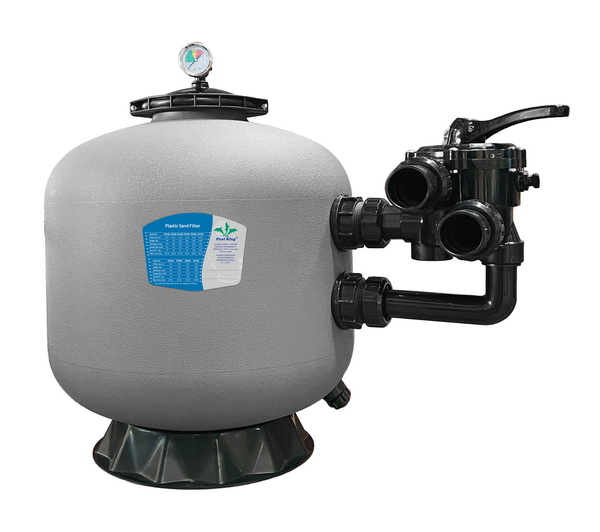
Pool filter sand gradually becomes rounded, clogged with oils and debris, and less effective for filtration after several years of use. It can also hold traces of pool chemicals, body oils, algae, and organic contaminants, so it should never be reused inside the filter itself or used as play sand for children or pets.[2][4][5]
For safety:
- Do not reuse old sand inside a pool filter; always replace with fresh, properly graded filter sand.[4]
- Avoid using spent sand in sandboxes, pet enclosures, or anywhere kids/pets may inhale or ingest dust.[5][2]
- If the sand has been heavily exposed to chemicals or algae treatments, prioritize careful disposal rather than garden use.[5]
Many municipalities treat used pool filter sand as non‑hazardous but still require specific disposal methods. Some regions recommend bagging the sand and placing it with regular trash, while others ask owners to bring bulk sand to an approved disposal or recycling facility.[3][5]
Action steps:
- Contact your local waste management or environmental health department for written guidelines.[3]
- If required, double‑bag the sand in heavy‑duty plastic bags or small containers before placing it out for collection.[5]
If local rules allow, burying old pool sand can be a simple and environmentally responsible choice. The key is to avoid leaving it piled on the surface where wind or rain can spread it and to keep it away from drains or watercourses.[2]
Best practices:
- Dig a hole in an out‑of‑the‑way spot, far from storm drains, wells, or drainage ditches.[2]
- Backfill with soil on top and compact it to avoid future sinkholes as sand settles.[2]
Even when it is no longer suitable for filtration, pool sand is excellent for many landscaping jobs. The small, angular grains provide stability and drainage, making it useful beneath hardscapes and for leveling uneven areas.[1][2]
Possible uses:
- Base layer under pavers, stepping stones, or garden paths.[1][2]
- Filling small depressions and holes in your lawn or garden.[1][2]
- Leveling ground under sheds, pool equipment pads, or outdoor seating areas.[1]
Mixed correctly, old sand can help break up heavy clay soil and improve water movement around plant roots. It is especially useful for drought‑tolerant plants that prefer well‑drained soil, such as succulents and some Mediterranean species.[1]
Tips for gardeners:
- Blend roughly one part sand with two parts native soil for drainage‑sensitive plants.[1]
- Use a layer of sand at the bottom of large pots to prevent standing water, but keep a nutrient‑rich soil layer above.[1]
Old pool sand makes a stable bedding and joint‑filling material for patios and walkways. When compacted, it locks pavers in place while still allowing rainwater to drain through.[2][1]
How to apply:
- Spread 2–5 cm of sand over compacted sub‑soil or crushed stone, then level it carefully.[1]
- After laying pavers, sweep more sand into the joints and compact the surface.[1]
In cold climates, sand is often spread on icy driveways and sidewalks to improve traction. Old filter sand is suitable for this role because the fine grains grip slippery surfaces without melting into harmful chemicals.[6]
Usage ideas:
- Store buckets of dry sand in a shed or garage and sprinkle it on ice patches in winter.[6]
- Mix sand with a small amount of rock salt if local regulations allow.[6]
The filter tank itself, as well as the sand, can be creatively upcycled. With simple modifications, an old sand filter body can become a planter, water feature, or wicking bed for vegetables.[7][8]
Popular ideas:
- Convert the tank into a raised planter by sealing unused ports, filling with soil, and drilling drainage holes.[8]
- Use the sand as a wicking layer in a DIY self‑watering bed built from the old filter shell.[7]
- Turn the filter housing into a small backyard fountain or decorative water feature.[8]
Sand itself does not add nutrients to compost, but a small amount can improve structure and aeration. Used carefully, this helps organic matter break down more evenly and prevents dense, soggy compost piles.[1]
Guidelines:
- Sprinkle thin layers of sand between organic layers; avoid large amounts that make the mix heavy.[1]
- Only use sand that has not been heavily contaminated with chemicals or algae treatments.[1]
There are situations where reusing pool filter sand is not recommended and safe disposal is the better choice. In these cases, the sand may pose health or environmental risks.[5][2]
Avoid reusing sand when:
- It has been in a pool treated with heavy metals, copper‑based algaecides, or unusual specialty chemicals.[5]
- The sand is mixed with sharp debris, glass, or large amounts of organic sludge.[2]
- Local regulations classify it as waste that must be landfilled or handled professionally.[3]
If your filter holds several hundred pounds of sand, handling and moving it by yourself may be difficult. Professional junk removal and pool equipment services can remove both the sand and the old filter housing and send them to appropriate facilities.[5][2]
Advantages of professional services:
- They provide labor, suitable containers, and vehicles for heavy loads.[5]
- Many companies prioritize recycling or environmentally responsible disposal when possible.[5]
Old pool filter sand does not have to be a waste problem; with a little planning, it becomes a useful resource for landscaping, gardening, traction, and DIY projects. Always check local regulations, avoid reusing heavily contaminated sand in sensitive areas, and never use used filter sand for children's play or pet areas. Whether you repurpose it creatively or dispose of it through approved channels, responsible handling of old pool sand protects both your property and the environment.[3][2][5][1]
No. Once pool filter sand has rounded off and become clogged with debris, it loses its ability to trap particles effectively and should be replaced with fresh, properly graded sand.[4]
The sand itself is primarily silica, but it can carry contaminants like oils, algae, and residual chemicals from pool water, so it is unsafe for children's sandboxes, pet areas, or indoor use.[2][5]
Yes, in many cases you can mix modest amounts of lightly contaminated sand into soil to improve drainage or use it under pavers, provided your local regulations do not prohibit this.[4][2][1]
Most pool professionals and manufacturers recommend changing sand every 3–5 years, depending on pool size, usage, and maintenance habits like backwashing.[4][2]
Some waste and recycling facilities accept bulk inert materials such as sand, but you must confirm local rules; many areas require bagging the sand or taking it to a specific site.[3][5]
You can upcycle the tank into a planter, wicking bed, or small water feature by sealing outlets and drilling appropriate drainage or plumbing holes.[8][7]
[1](https://aisands.com/what-to-do-with-old-pool-filter-sand/)
[2](https://www.hunker.com/13418045/how-to-dispose-of-pool-filtration-sand/)
[3](https://poseidonpoolservices.net/unveiling-the-secrets-of-pool-filter-sand/)
[4](https://romanellipools.com/blogs/how-to-change-the-sand-in-your-pool-filter-step-by-step-guide/)
[5](https://goloadup.com/what-we-take/bulk-item-removal/pool-equipment/)
[6](https://www.poolking.co/what-to-do-with-old-pool-filter-sand.html)
[7](https://www.youtube.com/watch?v=9_bolpyDsec)
[8](https://www.workshop.bunnings.com.au/t5/Garage-and-Shed/How-to-upcycle-pool-sand-filter/td-p/168619)
[9](https://www.reddit.com/r/pools/comments/14p4p39/old_sand_where_to_dump_it/)
[10](https://www.facebook.com/groups/637529959937311/posts/2556355248054763/)
[11](https://www.facebook.com/groups/637529959937311/posts/2062221687468124/)
[12](https://schsd.org/health-and-human-services/health-services/divisions/public-health/environmental-health/programs-and-services/pools-and-spas/proper-disposal-of-public-pool-spa-and-filter-backwash-water)
[13](https://www.groupebellemare.com/en/blog/eco-friendly-pool-maintenance-guide/)
[14](https://lesliespool.com/blog/how-to-dispose-of-old-pool-chemicals.html)
[15](https://www.poolpro.com.au/POOLPRO-DOCUMENTS/FS7_SDS.pdf)


