
Views: 222 Author: Tina Publish Time: 2025-09-22 Origin: Site


Content Menu
● Accurately Calculating Pool Volume
● Understanding Turnover Rate and Flow Requirements
● Matching Pump Sizing to Pool and Plumbing
● Advanced Pump Sizing: Total Dynamic Head (TDH) and Hydraulic Factors
>> What Is Total Dynamic Head (TDH)?
>> Medium-Head vs High-Head Pumps
● Technical Considerations for Professional Use
>> Self-Priming vs. Standard Pumps
>> Plumbing Layout and Equipment Pad
● Choosing the Right Pump Horsepower
● Filter and Pump Compatibility: Sand, Cartridge, or DE
>> Sand Filters
>> DE (Diatomaceous Earth) Filters
● OEM, Bulk Supply, and International Compliance
>> Q1: Should I always choose the highest horsepower pump?
>> Q2: What turnover rate do most pools require?
>> Q3: How does variable-speed technology save energy?
>> Q4: What factors affect Total Dynamic Head (TDH)?
>> Q5: Can I use one pump for the pool and attached spa or water features?
Selecting the correct pool pump size for a 15,000-gallon swimming pool is fundamental to optimal pool health, water clarity, energy efficiency, and long-term equipment performance. For commercial pool specifiers, OEM buyers, and international distributors, proper pump sizing ensures regulatory compliance and maximizes satisfaction for both business and end users. This guide, produced by a leading manufacturer of intelligent pool filtration solutions, delivers a step-by-step approach—from foundational calculations to advanced technical specifications.[1][2][3][7]
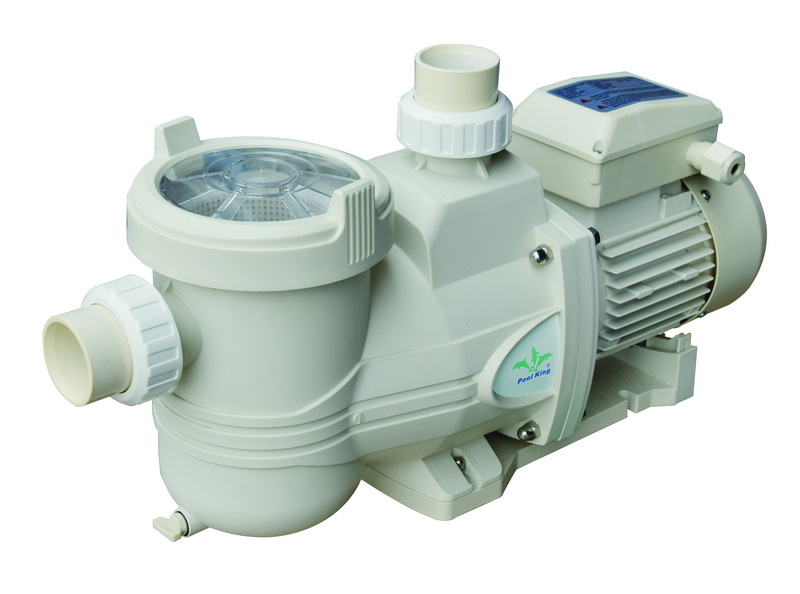
The starting point in any pump selection process is determining the precise water volume. This directly informs flow requirement and system compatibility:
- Rectangular Pools:
Length × Width × Average Depth × 7.5 = Gallons
- Circular Pools:
Diameter × Diameter × Average Depth × 5.9 = Gallons
- Oval Pools:
Length × Width × Average Depth × 6.7 = Gallons
- Irregular or Free-form Pools:
Divide into basic shapes, compute each volume, and sum the results. For variable depth, use the average of the deep and shallow ends.[5][1]
The industry standard for residential pools is to achieve a full water turnover every eight hours. For a 15,000-gallon pool:
- Turnover Rate (Gallons per Hour):
15,000 ÷ 8 = 1,875 GPH
- Convert to Gallons per Minute (GPM):
1,875 ÷ 60 ≈ 31 GPM
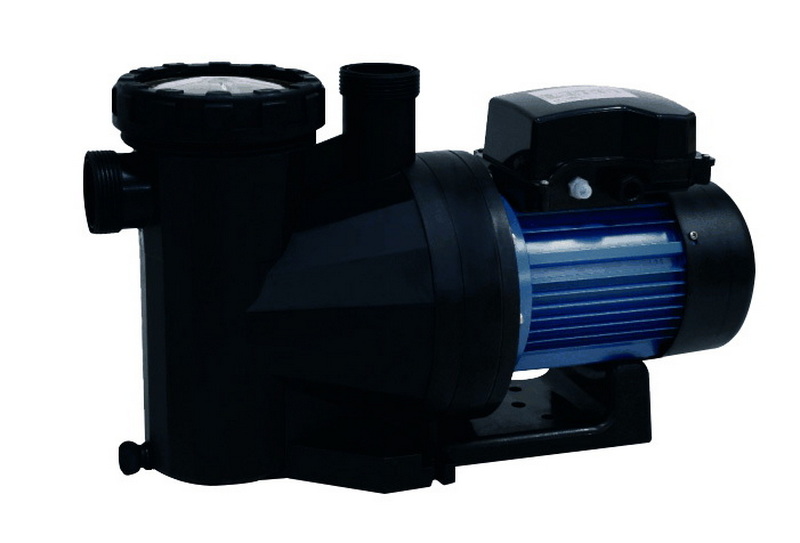
Pump choice isn't determined by pool volume alone. You must also consider the filter's rated flow, pipe size, layout complexity, and any attached equipment such as heaters or water features. The relationship between pool flow rate, filter capability, and plumbing diameter is essential:
| Pool Volume (Gallons) | Turnover (Hours) | Required Flow (GPM) | Typical Pump HP Range |
|---|---|---|---|
| 10,000 | 8 | 21 | 1.0 – 1.25 |
| 15,000 | 8 | 31 | 1.0 – 1.5 |
| 20,000 | 8 | 42 | 1.5 – 2.0 |
TDH is the total resistance the pump must overcome to circulate water through the entire system—factoring in pipe friction, filter resistance, valves, fittings, vertical elevation, and equipment backpressure. Calculating accurate TDH is vital for selecting a pump that meets flow at realistic working conditions:[5][1]
- Pipe Size: Upgrading from 1.5" to 2" pipe significantly reduces friction loss, supporting higher flow with less energy.[6][1]
- Fittings & Valves: Each 90° elbow, tee, or check valve adds measurable resistance. Minimize sharp turns and oversizing for best efficiency.[1]
- Elevation Change: Pools located far below or above equipment pads require the pump to either lift or “push” water against gravity, raising TDH.[1]
- Filter Pressure: Every filter type presents unique resistance. Always check the filter's max flow rating and clean/dirty pressure drop.[10][1]
| Key Factor | Medium-Head Pumps | High-Head Pumps |
|---|---|---|
| TDH Range | 30–50 ft | 50–75 ft+ |
| Pipe Size | 1.5”–2” | 2”–2.5” |
| Best For | Standard residential pools | Pools with long runs, solar heaters, |
| water features, in-floor cleaners | ||
| Flow Profile | Higher flow at low pressure | Higher pressure at modest flow |
| Energy Impact | More efficient with lower TDH | Draws more watts if oversized |
| Models | Hayward Super Pump, Pentair SuperFlo | Pentair IntelliFlo, Jandy VS FLOPRO |
[6][1]
Pool pumps are typically available in either 115V or 230V models. Commercial and OEM projects must confirm that pumps match the site's power grid and breaker size. Variable-speed pumps, in particular, may require dedicated circuits.[6]
Above-ground installations or those with the pump situated higher than water level must use self-priming designs to reliably evacuate air from the system. Below-grade or flooded-suction setups can use standard housings.[1]
Ensure sufficient space for future servicing, easy access to unions, and layout flexibility for filter upgrades. Efficient pad design reduces friction losses and simplifies routine maintenance.[1]
Bigger isn't always better. Oversized pumps waste electricity, may damage the filter, and cause noisy operation. Follow these updated horsepower guidelines:
- For 15,000-Gallon Pools:
- 1.0–1.5 HP single-speed or variable-speed pump is recommended
- Opt for 2.0 HP only if extended plumbing runs, solar heaters, or multiple water features are present.[9][5]
- Variable-Speed Technology:
Mandated by energy efficiency regulations in many markets, variable-speed pumps offer excellent long-term savings by operating at lower, optimized speeds during routine filtration.[2][6]
- Handles heavy debris and high flow rates
- Requires periodic backwashing
- Finer filtration; less water waste during cleaning
- Needs occasional cartridge replacement, not backwashing
- Best for the finest, clearest water
- Slightly higher maintenance in commercial settings
Our company's high-precision, automated sand filter and pump production delivers:
- Consistent performance and precise flow ratings
- Availability of all international voltages, mounting options, and system components
- OEM branding, regulatory certifications, and documentation included with every shipment
Product support materials, multi-language manuals, and technical videos are available for overseas resellers and project partners.
In summary, for a 15,000-gallon pool, a pump delivering approximately 1,850–2,000 GPH (or 31–35 GPM) is ideal, most often achieved with a 1.0–1.5 HP variable- or dual-speed pump. Always factor in turnover time, plumbing resistance (TDH), filter rating, and energy regulations when specifying equipment for any application. Do not simply size by horsepower alone—use a technical, holistic approach that ensures total system performance, reliability, and long-term savings. For large-scale procurement or custom OEM solutions, consult with professional suppliers who understand the full scope of international project requirements.[3][7][9][2][5][6][1]
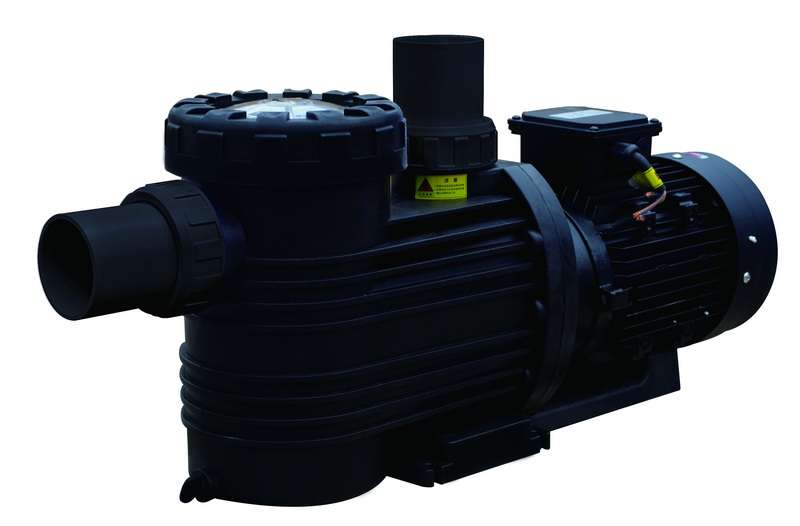
No, selecting a pump that's too powerful can cause filter and plumbing damage, leads to noisy operation, and wastes electricity. Proper calculation is critical.[7][5][1]
Residential pools are typically sized for one full turnover every 8 hours; commercial pools may require a faster turnover depending on local regulations.[7][1]
Variable-speed pumps operate at lower RPMs for routine filtration, drastically reducing energy usage and extending equipment life. These are recommended (and sometimes required) for most modern installations.[2][6]
Friction from plumbing, number of fittings, filter type, elevation difference, and any add-on equipment like heaters all contribute to TDH and must be considered for accurate sizing.[5][1]
You may need a larger or dual-pump setup if your pool includes high-volume water features, in-floor cleaners, or a connected spa. These features dramatically increase flow requirements and system complexity.[9][10]
[1](https://blog.royalswimmingpools.com/blog/what-horse-power-pump-should-i-get-for-my-pool)
[2](https://lesliespool.com/blog/pool-pump-sizing-101.html)
[3](https://www.aquagem.com/news/pool-pump-sizing-guide-for-your-swimming-pool)
[4](https://www.youtube.com/watch?v=P7aptIXRN3U)
[5](https://www.vitafilters.com/blogs/news/what-size-pool-pump-do-i-need-for-my-pool)
[6](https://www.swimuniversity.com/variable-speed-pool-pumps/)
[7](https://pool.dreametech.com/blogs/blog/what-size-pool-pump-do-you-need-an-easy-sizing-guide)
[8](https://www.inyopools.com/HowToPage/how-to-size-an-above-ground-pool-pump-and-filter-system.aspx?CommentPage=1)
[9](https://fibropool.com/collections/15000-gallon-pool-pumps)
[10](https://www.thepoolfactory.com/blogs/equipment/sand-filters-vs-cartridge-filters)
[11](https://intheswim.com/blog/best-pool-filter-type-de-sand-or-cartridge.html)
[12](https://www.youtube.com/shorts/larpyJRjpD0)


