
Views: 222 Author: Tina Publish Time: 2025-11-21 Origin: Site


Content Menu
>> Fixed-Speed vs. Variable-Speed Pumps
● Ideal RPM Settings for Different Tasks
>> 2. Skimming and Surface Cleaning
>> 4. Pool Vacuuming or Water Features
● Using Variable-Speed Pumps Efficiently
● How to Calculate the Right RPM
>> Step 2: Determine Turnover Rate
>> Step 3: Match Flow Rate to RPM
>> Winter Mode
● Energy Efficiency and Cost Savings
● Recommended Practices for OEM and Pool Builders
● Advanced Automation and Smart Pumps
>> 1. How long should I run my pool pump each day?
>> 2. Does lower RPM affect water clarity?
>> 3. Can I leave my pool pump running 24/7 at low speed?
>> 4. How often should I change my RPM schedule?
>> 5. What RPM prevents freezing in winter?
The efficiency and longevity of your pool system depend largely on one crucial factor — the Revolutions Per Minute (RPM) at which your pool pump operates. Modern variable-speed pool pumps give users precise control over RPM, allowing them to balance energy efficiency, filtration performance, and quiet operation.
If you're managing a residential or commercial pool, understanding the best RPM setting will save money, reduce energy use, and extend the life of your filtration equipment. This guide explains everything you need to know about finding the ideal speed for different pool types, filtration systems, and seasonal needs.
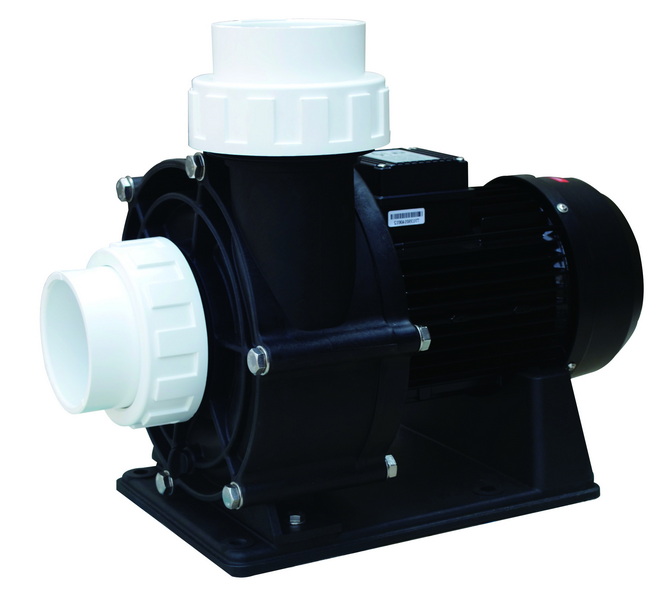
Every pool pump operates by circulating water through the filtration system. RPM — revolutions per minute — measures how many times the motor's impeller spins in one minute. Variable-speed pool pumps can range from 600 RPM to 3450 RPM, allowing fine adjustments based on need.
High RPM delivers faster circulation but increases energy use, while low RPM provides energy savings and quieter operation.
- Single-Speed Pumps: Run at one constant speed (usually 3450 RPM). These are common in older systems but consume more electricity.
- Dual-Speed Pumps: Offer two settings — high (3450 RPM) and low (1750 RPM). Lower speeds save energy but may not handle all tasks.
- Variable-Speed Pumps: Allow full control of RPM. They are programmed to run at multiple speeds for different times of the day.
For cost efficiency and environmental sustainability, most modern systems prefer variable-speed pool pumps, which can reduce energy costs by up to 80%.
Since each pool is unique, there isn't a “one-size-fits-all” RPM. Instead, RPM should match the specific function being performed.
Your pump's filtration cycle typically requires moderate flow to move water through the sand filter, cartridge filter, or DE filter effectively.
Recommended Range: 1500–2400 RPM
Lower RPM helps cut energy costs while still maintaining proper circulation. For instance, running at 1800 RPM for 8 hours can often achieve the same turnover rate as running at 3450 RPM for 2 hours — but with much less power consumption.
Skimmer baskets collect floating debris like leaves and bugs. To create enough suction for the skimmer, slightly higher RPM may be necessary.
Recommended Range: 2400–3000 RPM
You can schedule your pump to run at a higher speed for short bursts (e.g., 1–2 hours daily) to optimize skimming efficiency.
When using a heater — especially a gas or solar heater — the pump must deliver specific flow rates to trigger heating sensors.
Recommended Range: 2600–3100 RPM
Heating efficiency suffers if the RPM is too low since insufficient flow prevents proper heat exchange.
Vacuum heads and water features such as waterfalls, jets, and fountains need strong flow to operate effectively.
Recommended Range: 3000–3450 RPM
During these times, the pump's speed should be increased temporarily. After cleaning or using the jet system, return it to lower-speed operation to save energy.
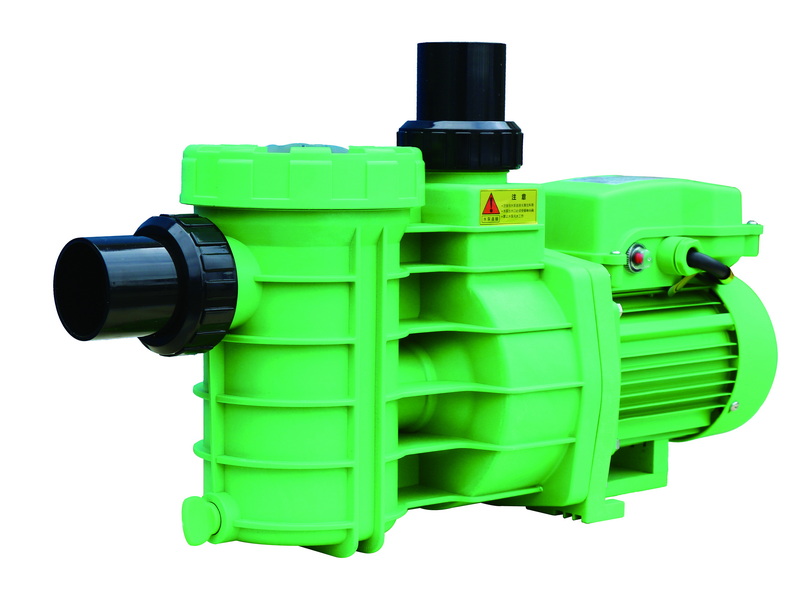
Proper programming is the key to maximizing performance while minimizing energy costs.
Most pool owners use a combination of speeds throughout the day:
| Task | RPM | Duration |
|---|---|---|
| Filtration | 1800 | 8 hours |
| Skimming | 2600 | 1 hour |
| Heating | 2900 | As needed |
| Vacuuming | 3200 | 1 hour |
Larger pools require higher flow rates to achieve one full water turnover daily. For pools above 60,000 liters, running at slightly higher RPM or for longer durations ensures full circulation.
Your filter type significantly affects the ideal RPM:
- Sand filters: Best between 2000–2800 RPM — they handle higher flow rates well.
- Cartridge filters: Work efficiently at 1500–2600 RPM due to lower resistance.
- DE filters: Prefer moderate speeds around 2400–3000 RPM for optimal filtration.
To determine the best speed for your system, start by calculating the flow rate required to turn over your entire pool volume once per day.
Example: A 12×6 meter pool with an average depth of 1.5 m has a volume of
12×6×1.5=108 cubic meters or 108,000 liters.
Most experts recommend 1 full turnover per 8–10 hours.
Check your pump's manufacturer performance chart. For most models:
- 1800 RPM = 30–35 GPM
- 2400 RPM = 45–50 GPM
- 3000 RPM = 60–70 GPM
So, a 3000 RPM setting achieves the required flow for a single turnover in 8 hours.
Temperature, debris load, and pool usage patterns vary by season. Adjusting RPM ensures year-round balance.
Run the pump longer and slightly faster (2000–2600 RPM) since warm weather accelerates algae growth and chemical imbalance.
Reduce RPM to 1200–1800 during low use or when covering the pool. In freezing climates, run your pump continuously at low RPM (around 1600) to prevent freezing in pipes.
Running your variable-speed pool pump at optimal RPM drastically cuts electricity costs. At full speed (3450 RPM), a 1.5 HP pump can consume over 2000 watts. Reducing speed to 1800 RPM lowers usage to around 200–300 watts — nearly 80% savings.
Modern smart-control systems automatically adjust speed based on pressure and flow sensors, ensuring optimal balance between energy savings and water clarity.
1. Running at max speed all day: This wastes power and increases wear.
2. Ignoring filter pressure: Clogged filters require higher RPM to maintain flow, so clean regularly.
3. Short run times: Even low speeds need enough hours to ensure total turnover.
4. Setting RPM too low: Insufficient flow may result in poor skimming and cloudy water.
5. No seasonal adjustment: Different weather profiles demand tailored pump speeds.
As a leading China-based manufacturer of top-quality sand filters, cartridge filters, DE filters, pool pumps, LED lights, and accessories, our factory supports OEM customization for global brands and distributors. When designing or installing pool systems for clients, tailor pump RPM recommendations to:
- Match pool volume and usage frequency.
- Optimize compatibility between pump, filter, and pipes.
- Include automated variable-speed controllers in premium setups.
- Use energy-monitoring systems to track savings.
- Offer adjustable presets for filtration, cleaning, and water features.
New pool pumps feature integrated Wi-Fi modules and app-based control, enabling real-time RPM adjustments from smartphones. These systems can run schedules, monitor filter clean cycles, and dynamically adapt speeds to weather or usage.
Benefits include:
- Remote monitoring
- Adaptive filtration cycles
- Compatibility with home automation systems
- Predictive maintenance alerts
The best RPM for your pool pump depends on the specific equipment setup, pool volume, and required functions. Generally, 1500–2400 RPM is perfect for daily filtration, while higher speeds can be reserved for cleaning, heating, or running jets. Using a variable-speed pump allows precise control, long-term cost savings, and quieter operation.
By investing in advanced variable-speed technology from reliable OEM manufacturers, pool owners can enjoy cleaner, safer, and more economical swimming environments throughout the year.
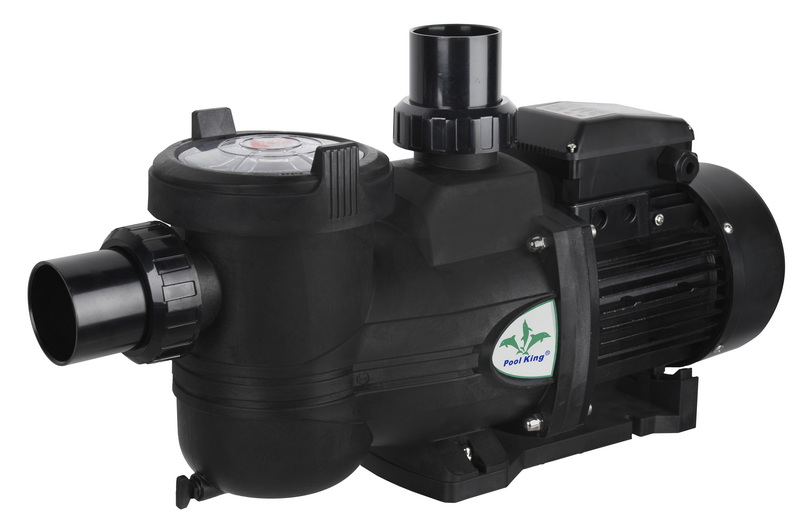
For optimal circulation, aim for 6–10 hours per day, depending on pool size and temperature. At lower RPM, you may need longer run times to achieve full water turnover.
Not necessarily. As long as turnover is achieved, low RPM can maintain clarity while saving energy.
Yes, if electricity costs are low. Running continuously at around 1600–1800 RPM improves water quality and prevents stagnation.
Adjust seasonally or when adding heaters, waterfalls, or other accessories that require higher flow.
Keeping your pump at 1500–1800 RPM continuously during freezing nights is usually enough to prevent ice in plumbing or filters.


