
Views: 222 Author: Tina Publish Time: 2025-10-28 Origin: Site


Content Menu
● Understanding the I/O Board: Core Concepts
>> Key Functionalities of an I/O Board
● The Rise of Smart Automation in Pool Systems
>> Typical Components Connected via I/O Board
● How the I/O Board Works in Practice
● Technical Specifications: I/O Board & Pump Integration
● Core Benefits of Choosing a Pump with I/O Board
>> 1. Full Automation and Scheduling
>> 3. Remote Problem Solving and Diagnostics
>> 5. Flexibility and Future-Proofing
● Real-World Use Cases of I/O Boards in Pool Pumps
>> Commercial & Hospitality Pools
>> Service and Maintenance Providers
● Detailed Installation Instructions and Best Practices
>> Step-by-Step Installation Summary
● Frequently Asked Questions (FAQ)
>> 1. What does the I/O board do on a pool pump?
>> 2. Can I add an I/O board to my existing variable speed pump?
>> 3. Does the I/O board help save energy?
>> 4. Will my I/O board work with all automation brands?
>> 5. Is professional installation required for the I/O board?
>> 6. Can I control my pool pump from my smartphone?
Swimming pool technology has evolved rapidly in the last decade, transforming the humble pool pump from a simple mechanical workhorse into an intelligent command center. At the heart of this transformation is a small but critical electronic module: the I/O board (Input/Output board). But what exactly is an I/O board on a pool pump, and why has it become so essential to modern pools—especially for pool owners interested in maximizing efficiency, adding smart features, and integrating with advanced automation systems? This article explores in depth the structure, role, installation, features, and real-world benefits of the I/O board for pool pumps, using industry-leading products such as the Pentair IntelliFlo3 as prime examples.
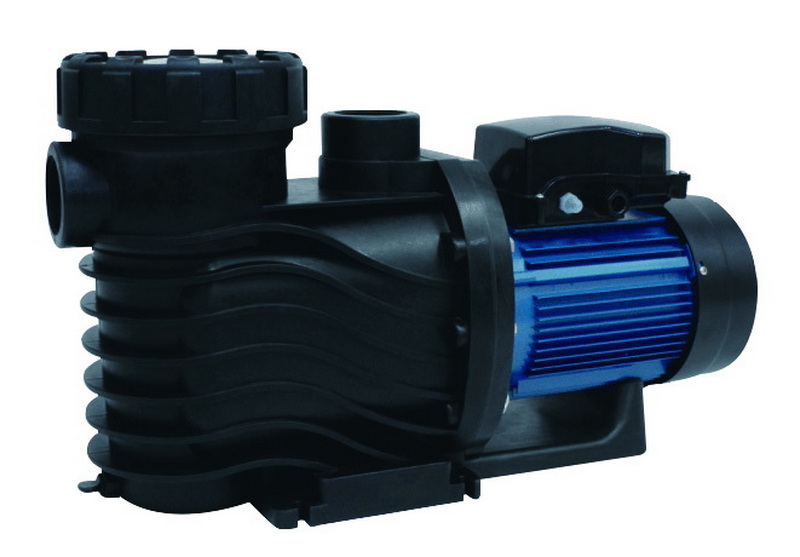
An I/O board within a pool pump is a digital control interface—essentially a “communications hub” that lets the pump receive and send commands to other devices. It provides hardware terminals and digital circuits, making it possible to automate the entire pool system rather than managing only the pump's on/off status or speed.
For years, pool pumps worked independently: the owner would switch them on or off, or use basic timers. But with rising energy costs, environmental awareness, and the spread of “smart home” technologies, integrating the pump into a broader, intelligent pool ecosystem is now the standard. The I/O board is what makes this integration simple and reliable.
- Relay Control: Directly switches or powers devices like pool lights, salt chlorinators, and secondary pumps.
- Digital Signaling: Receives input from automation systems, sensors (for temperature, flow, water level, etc.), and schedule timers.
- Remote Access: Enables the pool pump to be managed through mobile apps, touchscreens, or computer-based platforms.
- Energy Optimization: Allows the pump to dynamically adjust its speed and operational profile based on real-time data, cutting electricity bills by up to 90% compared to fixed-speed pumps.[2][4][5]
Consumers are increasingly demanding automation in their pool systems. Top brands respond by offering integrations with central automation controllers (like Pentair IntelliCenter®, EasyTouch®, or SunTouch®) and home automation standards. The I/O board is essential here—it's the link between the pump and the control “brain.”
- Pool & spa lighting (including color-changing RGB LEDs)
- Electric pool heaters and heat pumps
- Salt chlorine generators
- Pressure-side or suction-side booster pumps
- Chemical dosing systems
- Leak detection systems and safety alarms
- Optional USB, ethernet, or WiFi/Bluetooth communication modules for remote access
This expanded capability makes the I/O board radically enhance the utility of a pool pump far beyond just moving water.
In a variable speed pool pump such as the Pentair IntelliFlo3 VSF, the I/O board transforms user or sensor input into precise, automated actions. Here's how these components interact:
- Automation System Sends Command: The automation platform (mobile app, in-wall panel, etc.) schedules a run for pool cleaning and lighting.
- I/O Board Receives Signal: Digital or analog signals are passed from the automation system to the pump's I/O terminals.
- Board Switches Relays: Relays in the I/O board close circuits, enabling power to pass to lights or booster pumps automatically. At the same time, the pump speed adjusts to match the preset cleaning/filtration schedule.
- Status Feedback: The I/O board sends data back (via either hardwired or wireless link) to the automation system, enabling performance monitoring, alerts for issues, or confirmation of completed actions.
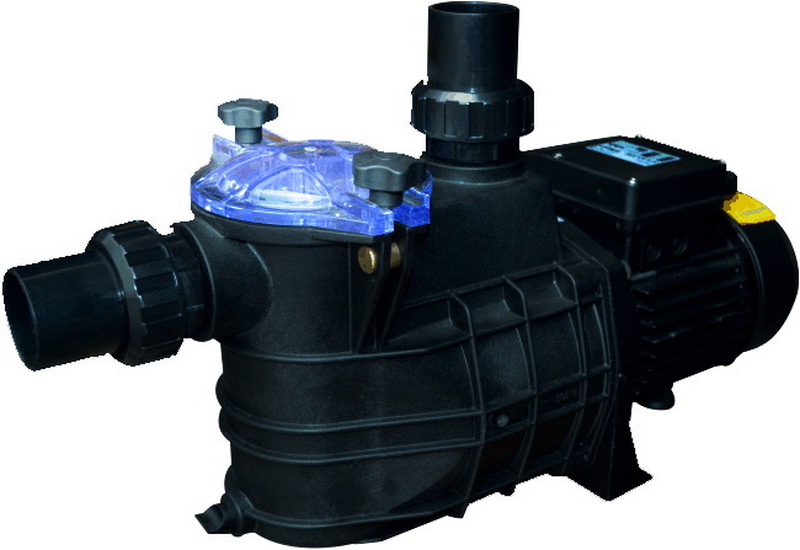
To illustrate the level of sophistication modern I/O boards deliver, consider key specs from high-end models such as the Pentair IntelliFlo3 VSF:
| Feature | Example Specification |
|---|---|
| Board Integration | Factory pre-installed or field-upgradable |
| Digital Inputs/Outputs | 2 or more configurable relay terminals |
| Managed Accessories | Up to 2 devices (lights, salt chlorinators, etc.) |
| High-Current Connectivity | One terminal up to 16A for devices like lighting |
| Low-Current Connectivity | One terminal up to 5A for low-load accessories |
| Voltage Support | 115/208-230V operation compatibility |
| Communication Protocols | Proprietary (e.g., Pentair RS-485), optional WiFi |
| Enclosure | Waterproof, dustproof enclosure inside pump housing |
| App/Ecosystem Support | Control, scheduling, diagnostics via mobile app |
The I/O board makes it easy to sync pump function with pool covers, heating cycles, lighting shows, and water features—no manual intervention required. Scheduling everything from the pool's main filter cycle to nighttime ambiance lighting ensures efficiency and reliability without constant supervision.
With compared tests, pumps like the IntelliFlo3 with integrated I/O board achieved up to 90% less energy consumption than traditional single-speed pumps. By adjusting pump flow in real-time to the minimum needed for current conditions, wasteful over-pumping is eliminated. The U.S. Department of Energy now mandates such variable-speed technology for most new pool pumps.[5][2][4]
Pool managers and owners can diagnose and even resolve many common issues (such as clogged filters, flow restrictions, or schedule conflicts) remotely, thanks to direct feedback from the I/O board to a smartphone or computer interface. This results in fewer site visits and less downtime during the swimming season.
Relays on the I/O board often include circuit protection features that immediately isolate faults or overloads, protecting both the pump motor and connected accessories from damage. Safety sensors (such as water/no-water protection) can be connected through the I/O board for further automated shutdowns if adverse conditions are detected.
Since the I/O board typically supports software updates and protocol expansion, it can adapt to new pool automation technology, or allow additional relays/devices to be added as pool owners upgrade their system without costly hardware replacement.
Let's look in detail at how a modern pool system leverages the I/O board for advanced operation:
In a household setup, a pool pump with an I/O board allows families to:
- Set up “Party Mode”: Instantly switch lighting scenes, activate spa jets, and adjust filtration, all managed via app or voice assistant.
- Program holiday mode: Reduce pump activity and lighting during extended absence, while scheduling periodic circulation to prevent algae.
- Remotely troubleshoot errors, such as low flow rates or blocked intakes, by receiving status alerts from the pump.
Larger pools—hotels, gyms, resorts—benefit from:
- Coordinated operation of multiple pumps, heaters, and features through a single automation platform using the I/O board's relay capabilities.
- Scheduled filtration and water feature cycles to ensure uptime and compliance with safety/health regulations, managed by staff dashboards.
- Automated shutdown and protection features during maintenance, minimizing risk and human error.
For professional pool service companies, I/O boards allow:
- Remote system health monitoring and diagnostics, reducing technician travel time.
- Automated software and firmware updates over WiFi for compliance with manufacturer recommendations.
- Custom scheduling by season or water chemistry, with automated data logging for service records.
While installing an I/O board can be within reach of advanced DIY users, professional installation is generally recommended to preserve warranty and ensure compliance with local electrical codes.
1. Power Off and Confirm Compatibility: Disconnect the pump from mains power and verify automation system compatibility.
2. Open Pump Enclosure: Remove the designated cover to access the pump electronics.
3. Insert/Connect I/O Board: Align and secure board with factory wiring harness or mainboard interface; attach relay screws.
4. Wire Accessories: Connect pool lights, booster pumps, or other control devices to the appropriate high/low current terminals.
5. Ground Properly: Ensure all grounding is secure to prevent shock or interference.
6. Restore Power & Test: Reconnect power and run the pump's self-diagnosis; verify detection of all connected devices through the automation interface.
7. Configure via App/Panel: Use the pool's touchscreen, mobile app, or web dashboard to set schedules, assign devices to relays, and run function tests.
The I/O board is the strategic backbone of any modern, intelligent pool circulation and management system. By bridging variable-speed pool pumps like the Pentair IntelliFlo3 with automation systems and smart accessories, this small controller unlocks new levels of convenience, energy conservation, operational safety, and flexibility for both residential and commercial pools. As regulations and consumer expectations for efficiency and automation grow, the I/O board's role will only become more critical—delivering not just cleaner water, but a smarter, more enjoyable swimming experience.
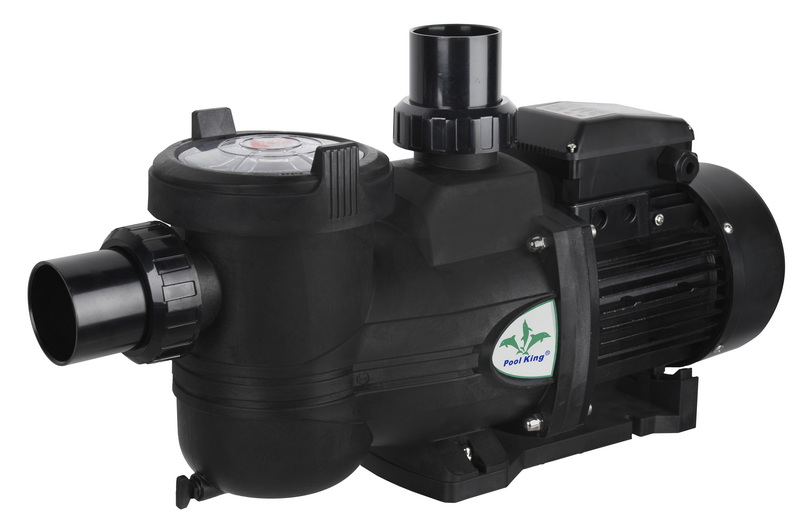
The I/O board acts as the digital gateway to automate and remotely control the pool pump and connected accessories such as pool lights, heaters, and chlorinators, through home automation systems or mobile apps.[2][4][5]
Yes, many advanced pumps are field-upgradable. Models such as the Pentair IntelliFlo3 support retrofit installation of the relay (I/O) board. Always consult your pump's documentation for compatibility.[7][5]
Absolutely. By allowing detailed scheduling and responsive adjustment of pump speed and accessory operation, the I/O board can lead to up to 90% lower electricity consumption than legacy single-speed setups.[4][5][2]
They are optimized for the same brand's ecosystem (like all Pentair devices) but may also work with 3rd-party controllers if they use compatible communication protocols. Always check specifications for interoperability.[5][7]
While some experienced DIYers can complete installation following provided guides, professional installation is recommended for safety and warranty adherence.[2][4][5]
Yes. Modern pumps with I/O boards and WiFi/Bluetooth® enable smartphone app control, making programming, troubleshooting, and monitoring pool systems highly convenient.[4][5]
[1](https://www.pentair.com/en-us/products/residential/pool-spa-equipment/pool-pumps/intelliflo3-vsf-pool-pump.html)
[2](https://thepoolpalace.com/product/intelliflo3-vsf-pool-pump-with-i-o-board-1-5-hp-115-208-230v/)
[3](https://dadepump.com/products/pentair-intelliflo3%C2%AE-1-5-hp-115-208-230v-variable-speed-flow-pool-pump-with-i-o-board-011066)
[4](https://www.epoolsupply.com/products/intelliflo3-vsf-3-0hp-with-i-o-board)
[5](https://aquapoolsupply.com/blogs/news/compare-the-pentair-intelliflo3-pump-with-and-without-the-i-o-board)
[6](https://www.pool360.com/Product/intelliflo3-vsf-pool-pump-with-touchscreen-and-i-o-board-3-0-hp-can-pur-10-3110)
[7](https://shastapoolsupply.com/products/pentair-sta-rite-intelliflo3-vsf-speed-pump-i-o-io-relay-control-board-356365z)
[8](https://www.pentair.com/en-us/products/residential/pool-spa-equipment/pool-pumps/intellipro3.html)
[9](https://www.royalswimmingpools.com/pentair-intelliflo3-vsf-variable-speed-and-flow-pool-pump-30-hp-w-io-board.html)
[10](https://www.youtube.com/watch?v=rbGRH3ifF1o)


