
Views: 222 Author: Tina Publish Time: 2025-07-11 Origin: Site


Content Menu
>> Pool Pumps
>> Pool Filters
>> Pool Heaters
>> Chemical Feeders and Dispensers
● Cleaning and Maintenance Tools
>> Skimmer Nets
>> Pool Brushes
>> Pool Vacuums
>> Pool Alarms
>> Safety Covers and Pool Nets
● Pool Accessories and Comfort Items
>> Lighting and Water Features
>> Poolside Furniture and Storage
>> Daily Tasks
>> Weekly Tasks
>> 1. What are the essential pieces of equipment for maintaining a swimming pool?
>> 2. How often should I clean my pool?
>> 3. What safety measures should I have around my pool?
>> 4. Are robotic pool cleaners worth the investment?
>> 5. How do I maintain proper water chemistry?
Owning a swimming pool is a wonderful way to enhance your home's value and provide a refreshing retreat for family and friends. However, maintaining a pool requires more than just filling it with water and enjoying a swim. Proper equipment is essential to keep your pool clean, safe, and comfortable year-round. This article offers a detailed overview of the equipment you need for a swimming pool, covering everything from basic essentials to advanced technology, safety gear, and maintenance tools. It also includes practical advice on how to care for your pool effectively.
The pool pump is the heart of your pool's circulation system. It moves water through the filter and heating system, ensuring that the water stays clean and clear. When choosing a pump, consider the size of your pool and the pump's horsepower. Energy-efficient pumps can save money on electricity bills while maintaining excellent water flow.
Filters trap dirt, debris, and contaminants from the water. There are three main types:
- Sand Filters: Use sand to filter out particles. They are easy to maintain and cost-effective.
- Cartridge Filters: Use replaceable cartridges and provide good filtration without backwashing.
- Diatomaceous Earth (DE) Filters: Offer the finest filtration, capturing microscopic particles, but require more maintenance.
Regular cleaning or replacement of filters is necessary to maintain optimal performance.
Pool heaters extend your swimming season by warming the water to a comfortable temperature. Options include:
- Gas Heaters: Heat water quickly but may have higher operational costs.
- Electric Heat Pumps: More energy-efficient and suitable for moderate climates.
- Solar Heaters: Environmentally friendly and cost-effective over the long term.
Choosing the right heater depends on your climate, pool size, and budget.
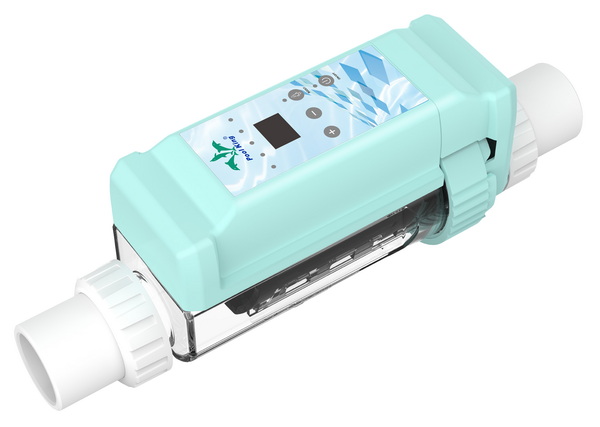
Maintaining balanced water chemistry is crucial for swimmer safety and equipment longevity. Automatic chemical feeders and floating dispensers help regulate chlorine or bromine levels consistently, reducing manual dosing and preventing chemical imbalances.
A telescopic pole is a versatile tool that extends to reach all areas of your pool. It can be fitted with attachments such as skimmer nets, brushes, or vacuum heads, making it indispensable for routine cleaning.
Skimmer nets remove leaves, insects, and debris from the water's surface daily. Regular skimming prevents debris from sinking and causing stains or water quality issues.
Brushing the pool walls, steps, and corners prevents algae buildup and staining. Use a brush appropriate for your pool's surface: nylon for vinyl or fiberglass, and stainless steel for concrete pools.
Vacuuming removes dirt and debris that settle on the pool floor. Options include manual vacuums attached to a telescopic pole, automatic vacuums connected to the filtration system, or robotic cleaners that operate independently.
Testing your pool water regularly is essential to maintain proper pH, chlorine, alkalinity, and calcium hardness levels. Test kits help you monitor these levels and adjust chemicals accordingly to prevent algae growth, cloudy water, and corrosion.
A secure fence with a self-closing, self-latching gate is vital to prevent unauthorized or unsupervised access, especially by children and pets. Many regions require pool fencing by law for safety.
Pool alarms alert you when someone enters the pool area or the water. Types include surface wave alarms, subsurface motion detectors, and gate or door alarms. Combining different alarms enhances safety.
Safety covers and nets prevent accidental falls into the pool when it is not in use. Mesh covers allow water drainage while blocking debris, and solid covers protect against sunlight and contamination.
Keep rescue equipment such as life rings, reaching poles, and a first aid kit near your pool. These should be easily accessible and regularly checked for readiness.
Floating loungers, inflatable toys, and rafts add fun and relaxation to your pool experience. Choose durable, comfortable options suited to your family's preferences.
Underwater LED lights, floating lanterns, and decorative fountains enhance your pool's ambiance, making evening swims inviting and visually appealing. Water features also help aerate the water.
Comfortable chairs, umbrellas, and storage bins for towels and toys create a welcoming poolside environment. Organizing accessories keeps the area tidy and safe.
Robotic pool cleaners automate scrubbing and vacuuming, saving time and ensuring thorough cleaning. They are particularly useful for large pools or busy owners.
Smart monitors track water chemistry, temperature, and equipment status, sending alerts to your smartphone. These devices simplify pool maintenance and help prevent problems before they escalate.
Maintaining your pool requires a consistent routine involving cleaning, chemical balancing, and equipment servicing. Here is a recommended schedule:
- Skim leaves and debris from the water surface.
- Check water level and top up if necessary.
- Inspect pool area for safety hazards.
- Brush pool walls, steps, and corners to prevent algae.
- Vacuum the pool floor to remove settled debris.
- Clean or backwash the filter as needed.
- Test water chemistry (pH, chlorine, alkalinity) and adjust chemicals.
- Clean skimmer and pump baskets.
- Inspect pool equipment for leaks, unusual noises, or malfunctions.
- Shock the pool to eliminate contaminants and algae.
- Clean the pool deck and surrounding area.
- Deep clean pool surfaces, focusing on hard-to-reach areas.
- Inspect and lubricate seals and O-rings on equipment.
- Test calcium hardness, metals (copper, iron), and salinity (for saltwater pools).
- Inspect pool lights and replace bulbs if needed.
- Check deck drains for blockages.
- Inspect pool cover and reel system.
- Review first aid and rescue equipment.
- Organize and safely store pool chemicals.
- Service pool heaters, pumps, and other machinery as per manufacturer guidelines.
- Winterize the pool if located in cold climates by lowering water level, adding winter chemicals, and covering securely.
- Inspect pool surface for cracks or deterioration and repair as needed.
Proper equipment and a consistent maintenance routine are the keys to enjoying a clean, safe, and inviting swimming pool. From pumps and filters to cleaning tools and safety gear, each component plays a crucial role in pool care. Advanced technologies like robotic cleaners and smart monitors can simplify maintenance, while accessories enhance comfort and fun. By investing in quality equipment and following a structured maintenance schedule, you ensure your pool remains a sparkling centerpiece for relaxation and recreation throughout the year.
The essentials include a pool pump, filter, skimmer net, pool brush, vacuum, water test kit, and chemical feeders or dispensers.
Daily skimming and weekly brushing and vacuuming are recommended to keep the pool clean and prevent algae buildup.
Install a secure fence with a self-closing gate, use pool alarms, safety covers, and keep rescue equipment accessible.
Yes, they save time and provide thorough cleaning, especially beneficial for larger pools or busy owners.
Regularly test water using test kits and adjust pH, chlorine, alkalinity, and calcium hardness levels. Use chemical feeders for consistent dosing.


