
Views: 222 Author: Tina Publish Time: 2025-07-14 Origin: Site


Content Menu
>> The Importance of Circulation
>> Filtration Cycle and Timing
>> Sand Filters
>>> Maintenance Tips for Sand Filters
>>> Maintenance Tips for Cartridge Filters
>> Diatomaceous Earth (DE) Filters
>>> Maintenance Tips for DE Filters
>> Understanding Chemical Balance
● Can Pool Filters Absorb Chemicals?
>> What Happens to Chemicals in the Filter?
>> Are Any Chemicals Removed by Filters?
● Chemical Removal: What Filters Can and Cannot Do
>> Special Case: Activated Carbon Filters
● Best Practices for Pool Maintenance
● Advanced Tips for Pool Water Quality
>> Using Flocculants and Clarifiers
>> Dealing with High Bather Loads
>> Addressing Metal Stains and Scale
● Environmental Impact of Pool Filtration and Chemicals
>> Chemical Runoff and Disposal
>> 1. What is the main function of a pool filter?
>> 2. Can a pool filter remove chlorine from the water?
>> 3. Will running the filter longer reduce the need for chemicals?
>> 4. What should I do if my pool water is cloudy despite proper chemical levels?
>> 5. Is it safe to swim immediately after adding chemicals?
Swimming pools are a source of joy, relaxation, and exercise for millions of people worldwide. To keep pool water safe and sparkling, a combination of mechanical filtration and chemical treatment is essential. One common question pool owners ask is whether the filter can absorb or remove the chemicals added to the pool. This article explores the science behind pool filtration, the interaction between filters and chemicals, and best practices for maintaining a healthy pool environment. Throughout the article, you'll find detailed explanations and practical advice to enhance your understanding.
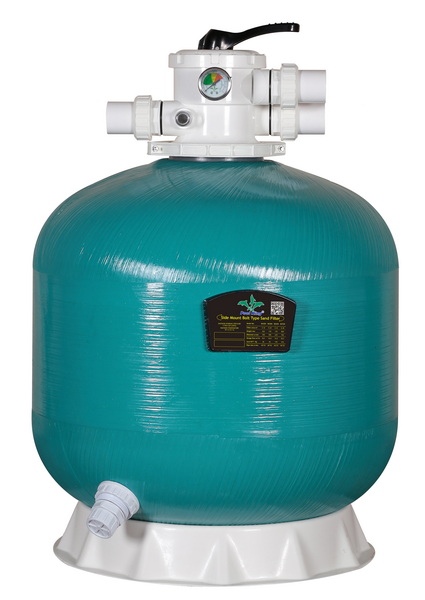
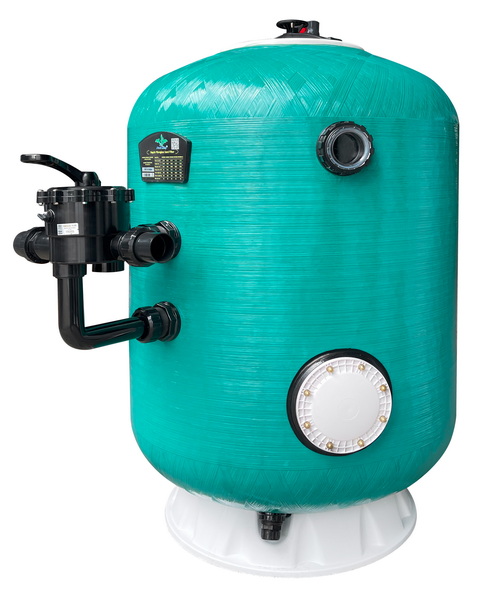
Pool filtration is the mechanical process that removes dirt, debris, and microscopic particles from pool water. The system typically consists of a pump, a filter, and plumbing that circulates water from the pool, through the filter, and back again.
The process begins when the pump draws water from the pool's skimmer and main drain. The water then passes through the filter, where contaminants are trapped, and clean water returns to the pool.
Proper circulation ensures that all areas of the pool receive adequate filtration and chemical exposure. Dead spots, or areas with little water movement, can harbor algae and bacteria. Pool owners should regularly check that jets and returns are positioned to maximize circulation.
Running the filter for an appropriate length of time each day is crucial. Most experts recommend 8–12 hours during peak swimming season. The exact duration depends on pool size, usage, and environmental factors such as wind and nearby trees.
There are three main types of pool filters: sand, cartridge, and diatomaceous earth (DE). Each has unique characteristics and filtration capabilities.
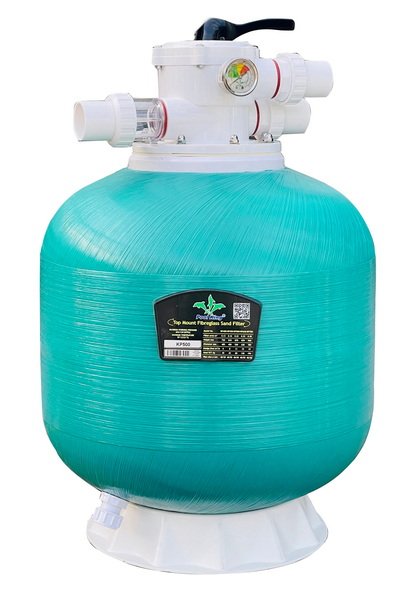
Sand filters use a bed of specially graded sand to trap particles. Water flows through the sand, and debris larger than 20 microns is captured. Sand filters are popular for their durability and ease of maintenance.
- Backwash regularly to remove trapped debris.
- Replace sand every 5–7 years for optimal performance.
- Monitor pressure gauge; high pressure indicates it's time to clean.
Cartridge filters use pleated polyester or paper cartridges to filter water. They can capture particles as small as 10 microns and are easy to clean by rinsing or soaking.
- Remove and rinse cartridges every 2–6 weeks, depending on usage.
- Replace cartridges every 1–2 years.
- Avoid using harsh chemicals for cleaning, as this can damage the filter media.
DE filters use a fine powder made from fossilized diatoms. These filters are the most efficient, trapping particles as small as 2 microns. DE filters require periodic backwashing and recharging with new DE powder.
- Backwash and recharge with new DE powder as needed.
- Inspect grids for tears or damage during each cleaning.
- Follow manufacturer guidelines for safe handling of DE powder.
Pool chemicals are vital for maintaining water quality and safety. The most common chemicals include:
- Chlorine: Disinfects water by killing bacteria and algae.
- pH Adjusters: Maintain water's acidity or alkalinity.
- Algaecides: Prevent and control algae growth.
- Stabilizers: Protect chlorine from being broken down by sunlight.
- Shock Treatments: Oxidize contaminants and restore water clarity.
Chemicals are typically dissolved in water and circulate throughout the pool, ensuring even distribution.
Maintaining the right chemical balance is crucial for swimmer comfort and equipment longevity. Imbalanced water can cause skin and eye irritation, damage pool surfaces, and reduce the effectiveness of sanitizers.
- Free Chlorine: 1–3 ppm (parts per million)
- pH: 7.2–7.8
- Total Alkalinity: 80–120 ppm
- Calcium Hardness: 200–400 ppm
- Cyanuric Acid (Stabilizer): 30–50 ppm
This is a crucial question for pool owners concerned about chemical efficiency and water safety. The answer depends on the type of filter and the nature of the chemicals.
Most pool chemicals, such as chlorine and pH adjusters, are dissolved in water at the molecular level. Standard pool filters (sand, cartridge, DE) are designed to trap solid particles, not dissolved substances. As a result, these chemicals pass through the filter media and remain in the water.
Some specialty filters, such as activated carbon filters, can adsorb certain chemicals, including chlorine and organic contaminants. However, these are not standard in most residential pools. Over time, even activated carbon filters lose their effectiveness as they become saturated.
- Dirt, sand, and silt
- Leaves and insects
- Algae clumps
- Microscopic particles (depending on filter type)
- Dissolved chlorine and other sanitizers
- pH adjusters
- Stabilizers
- Most dissolved metals and minerals
Activated carbon can adsorb chlorine, chloramines, and some organic compounds. These filters are used in certain commercial or specialty pool applications, not standard residential systems.
Maintaining a healthy pool requires a balance of effective filtration and proper chemical management.
- Run the filter for at least 8–12 hours daily during peak season.
- Backwash sand and DE filters regularly.
- Clean or replace cartridge filters as recommended.
- Ensure proper water circulation.
- Test water regularly for chlorine, pH, alkalinity, and stabilizer levels.
- Add chemicals according to manufacturer instructions.
- Avoid overuse of chemicals; more is not always better.
- Shock the pool periodically to oxidize contaminants.
- Store chemicals safely and away from children.
Filtration removes physical contaminants, reducing the chemical demand. Proper chemical balance keeps the water safe and prevents filter clogging from algae or bacteria.
Flocculants and clarifiers help remove fine particles that standard filters may miss. Flocculants bind small particles together, causing them to sink for easier removal. Clarifiers coagulate tiny particles, making them large enough for filters to capture.
Heavy use increases the introduction of contaminants such as sweat, oils, and cosmetics. During periods of high usage, increase filtration time and check chemical levels more frequently.
Metals like iron and copper can enter pool water from source water or equipment. While filters do not remove dissolved metals, using sequestrants can help prevent staining and scale formation. For existing stains, specific stain removers are available.
Backwashing filters and splash-out can waste significant amounts of water. To reduce water loss:
- Backwash only when necessary.
- Use a pool cover to minimize evaporation.
- Repair leaks promptly.
Improper disposal of pool water can introduce chemicals into the environment. Always follow local regulations for draining pools and disposing of filter waste.
Running pumps and filters consumes energy. Choose energy-efficient pumps, use timers, and maintain equipment to reduce energy consumption.
Pool filters are essential for maintaining clean and clear water, but their role is limited to the removal of physical debris and particles. Most pool chemicals, including chlorine, pH adjusters, and stabilizers, are dissolved in water and pass through standard filters unimpeded. Only specialized filters, such as activated carbon, can adsorb certain chemicals, but these are not typical in residential settings. Effective pool maintenance requires the combined use of filtration and chemical treatment. By understanding the capabilities and limitations of your pool filter, you can optimize water quality, reduce chemical usage, and ensure a safe swimming environment.
The primary function of a pool filter is to remove physical debris and particles from the water, such as dirt, leaves, and algae, ensuring the water remains clear and visually appealing.
No, standard pool filters do not remove chlorine, as it is dissolved at the molecular level. Only specialized filters like activated carbon can adsorb chlorine, and these are not common in residential pools.
Running the filter longer improves the removal of physical contaminants, which can reduce the chemical demand. However, it does not eliminate the need for chemical sanitizers, as filters do not remove bacteria or viruses directly.
Cloudy water may indicate a filtration issue. Check for dirty or clogged filters, run the filter longer, and ensure proper circulation. Sometimes, fine particles require flocculants or clarifiers to be removed effectively.
It depends on the chemical. For most, wait at least 15–30 minutes with the filter running before swimming. For shock treatments, wait until chlorine levels return to the recommended range.


