
Views: 222 Author: Tina Publish Time: 2025-12-24 Origin: Site


Content Menu
● Safety Checks Before Adding Weight
● Method 1: Using Built‑In Water or Sand Chambers
>> Step‑by‑Step: Filling Water Chambers
>> Step‑by‑Step: Filling Sand Chambers
● Method 2: External Sandbags for Extra Ballast
● Method 3: PVC Pipe or Concrete Weights
>> Sand‑Filled PVC Pipe Weights
>> Concrete‑Filled PVC or Molds
● Extra Stability and Liner Protection Tips
● Recommended Weight and Capacity Guidelines
● Maintenance and Seasonal Handling
● OEM Solutions from Professional Manufacturers
● FAQs About Weighting Down a Pool Ladder
>> 1. How much weight do I need to keep a pool ladder down?
>> 2. Is it better to use sand or water to weigh down a ladder?
>> 3. Can I use metal weights or gym dumbbells?
>> 4. How do I keep weights from damaging my vinyl liner?
>> 5. What if my ladder still floats after filling it?
Keeping a pool ladder firmly on the floor is critical for safety, comfort, and liner protection, especially with lightweight resin or plastic ladders that tend to float.[1]
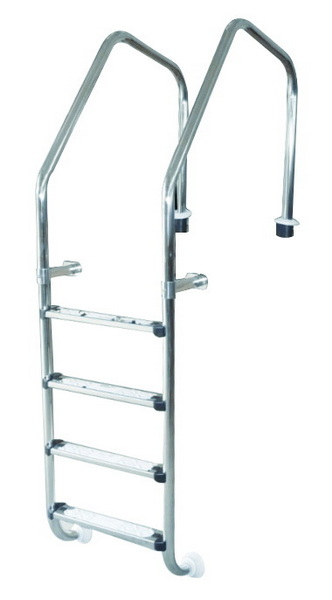
Most modern pool ladders and steps are hollow and made from buoyant materials such as resin or plastic, which naturally trap air. When the buoyant force in water is greater than the ladder's weight, the ladder lifts, tilts, or wobbles under swimmers.[1]
Key reasons ladders float or move:
- Hollow steps or legs that trap air instead of filling fully with water.[2]
- Insufficient ballast (water, sand, or weights) inside chambers compared with manufacturer recommendations.[2][1]
- Lightweight ladders installed in deeper water or in pools with strong circulation or lots of active swimmers.[1]
Tip: Always read the ladder's manual to confirm whether it is designed to be filled with sand, water, or used with external weights before modifying it.[1]
Before adding weight, pool owners should confirm that the ladder is structurally sound and that any weighting method will not damage the liner or pool shell.[1]
Pre‑weighting checklist:
- Inspect all ladder parts for cracks, loose bolts, or sharp edges that might cut the liner.[3]
- Confirm the maximum weight capacity of the ladder (many above‑ground ladders are rated for 200–300 lb, with heavy‑duty models supporting up to 500 lb).[4][5]
- Check the manufacturer's instructions for recommended ballast (e.g., “add 40 lb of sand” or “fill chambers with water only”).[2][1]
Many modern pool ladders and step units include internal chambers designed to be filled with water or sand to counteract buoyancy. When filled correctly, these chambers create stable ballast without additional external weights.[1]
For ladders designed for water ballast:
1. Locate the fill caps or plugs on the ladder legs or step compartments.[6]
2. Place the ladder in the pool and pull the plugs so water can enter and push out trapped air.[6]
3. Tilt and move the ladder slightly to help air pockets escape, then reseal caps once chambers are full.[6]
For ladders rated for sand ballast:
1. Remove the ladder from the pool and lay it flat on a level surface.[1]
2. Open the fill ports and use a funnel to pour dry, clean play sand into each chamber.[1]
3. Periodically tap the ladder to settle the sand and avoid voids, stopping at the manufacturer's indicated fill line.[1]
4. Seal the caps tightly; some users add silicone around the caps to reduce leaks.[1]
Real‑world examples show that some step systems require about 40 lb of sand along with water to sink reliably. Overfilling beyond the recommended weight can stress the ladder structure or make seasonal removal difficult.[2][1]
When ladders lack internal chambers or still tend to float, external sandbags are a common and flexible solution. Homeowners use both DIY sandbags and commercial ladder weight kits to keep steps and ladders seated on the pool floor.[7][1]
DIY sandbags can be made with heavy‑duty contractor bags or similar durable waterproof bags filled with sand.[8][1]
Basic DIY approach:
- Triple‑layer strong plastic or contractor bags, fill each with about 20–50 lb of sand, and seal with duct tape.[1]
- Place the bags carefully inside or around the ladder's base, ensuring there are no sharp edges contacting the liner.[9]
- Inspect annually for wear, algae, or micro‑tears, replacing damaged bags as needed.[8][1]
Pool owners also mention sliding patio stones under steps and placing a 50 lb bag of sand on top, although any hard, sharp‑edged weight must be isolated from the liner with a protective mat.[2]
Commercial pool ladder weight bags are specifically designed for use underwater, often featuring durable fabric, integrated handles or straps, and clear fill instructions.[7][1]
Advantages of commercial kits:
- Purpose‑built waterproof fabric and seams reduce leak risk.[1]
- Shapes and straps are optimized to fit around ladder bases without shifting or damaging surfaces.[7][1]
- Easy seasonal handling: simply lift bags out, empty, and store.[1]
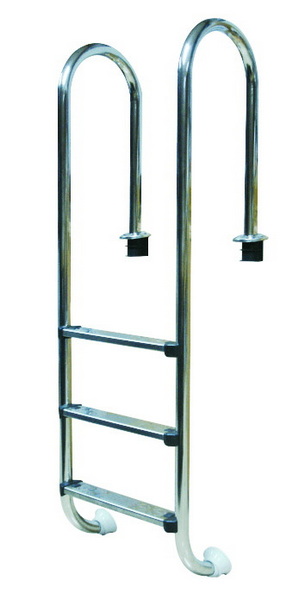
For a reusable, rigid weighting solution, many pool owners build custom PVC or concrete weights that sit against or under the ladder base.[10][11][12]
Common DIY strategy:
1. Cut lengths of 2–3 inch PVC pipe sized to fit between ladder supports or along the base.[11][10]
2. Cap one end, fill with sand or small gravel, tamp to remove air pockets, then glue on the other cap.[10][8]
3. Attach the pipes to the ladder frame or rest them under the steps, securing with plastic zip ties, nylon straps, or built‑in slots.[11][10]
Owners report that 2 inch PVC pipes filled and capped with sand “work great,” though they become heavy when permanently attached to the ladder.[10]
Some tutorials recommend casting concrete into PVC or plastic molds to create long‑lasting step weights.[13][12]
- Concrete weights are poured into capped PVC or plastic containers, consolidated (for example, using an orbital sander against the mold to settle the mix), and then cured.[12]
- Finished weights can be hung from ladder rails or placed at the base, often wrapped or paired with non‑slip mats to protect the liner.[13][12]
Weight alone is not enough; proper placement and contact with the pool floor are crucial for safe use and liner protection.[1]
Additional stabilizing tactics:
- Distribute weights evenly: For sand or water chambers, follow the fill markings and keep loading balanced on both sides to prevent twisting.[1]
- Use anti‑slip pads: Place rubber or foam mats beneath the ladder base to increase friction and reduce sliding, especially on vinyl liners.[1]
- Check floor contact: Ensure all bottom points of the ladder rest flush on the pool floor to avoid concentrated pressure spots that could damage liners.[1]
For in‑ground installations, permanent stainless steel mounting brackets and deck anchors can be combined with ballast to provide extremely rigid support.[14][1]
Weighting down a ladder must always respect the ladder's design capacity while providing enough ballast to counteract buoyancy.[4][1]
General guidelines:
- Many residential pool ladders support 200–300 lb per step, while some heavy‑duty designs handle over 500 lb.[5][4]
- Manufacturer instructions may specify ballast requirements, such as “add 40 lb of sand,” for the ladder to sit firmly.[2]
- Overweighting or adding metal dumbbells can cause corrosion, stain water, and exceed design loads, so rust‑prone metal weights are discouraged.[15][9]
Stability is not a one‑time task; periodic checks help keep ladders safe over multiple seasons.[1]
Routine maintenance steps:
- Monthly: Inspect for leaks from sand or water chambers, algae buildup on weights, and any shift or wobble under normal use.[8][1]
- Seasonally: For pools closed over winter, consider removing ladders and draining sand from chambers using a wet/dry vacuum or similar solution.[2][1]
- Annually: Replace worn or damaged sandbags, reapply silicone to caps if needed, and clean PVC or concrete weights to control algae.[10][1]
If a ladder consistently floats or wobbles even after proper weighting, an upgrade may be safer and more cost‑effective.[4][1]
Signs you should consider a new ladder:
- Cracked, brittle, or UV‑damaged resin that no longer supports rated weight.[15][3]
- Frequent wobbling despite correct ballast and solid floor contact.[1]
- Capacity too low for household needs (e.g., under 200–300 lb per step for most families).[5][4]
Modern ladders built from heavy‑duty resin or stainless steel with built‑in ballast chambers and anti‑slip treads provide improved safety and durability.[3][15]
For brands, wholesalers, or pool equipment producers, integrating ballast solutions at the design stage leads to safer and more attractive products.[1]
Common OEM ladder and step enhancements:
- Pre‑engineered sand or water chambers with clear fill markings and wide, accessible caps.[1]
- Optional matching weight bags or anchor kits that fit the ladder geometry exactly.[7][1]
- Corrosion‑resistant materials (heavy‑duty resin, stainless steel) and non‑skid treads compatible with modern filtration and circulation systems.[15][3]
Factories that already produce pool filters, pumps, and lighting can cross‑sell ladder systems and weighting accessories as part of an integrated safety package for international customers.[3][1]
Properly weighting down a pool ladder is essential to prevent floating, tipping, and liner damage, and to provide safe access for swimmers of all ages. By using built‑in water or sand chambers, external sandbags, custom PVC or concrete weights, and good practices like anti‑slip pads and regular maintenance, pool owners can keep their ladders stable all season long. Brands and OEM factories that design ladders with integrated ballast features, durable materials, and matching weight kits help their customers achieve safer, more comfortable pool environments while enhancing their own product value.[11][12][15][10][3][1]
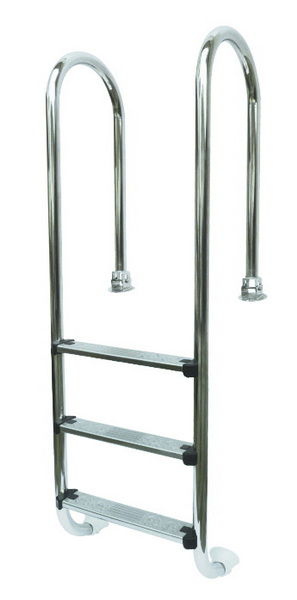
The required ballast depends on the ladder design, pool depth, and materials, but many manufacturers specify adding around 40 lb of sand or a similar amount when water alone is not enough. Always follow the ladder's manual and never exceed the rated weight capacity per step, which commonly ranges from 200–300 lb and can reach 500+ lb on heavy‑duty ladders.[5][4][2][1]
Water is easy to fill and drain from built‑in chambers, but sand adds more density and ballast in the same volume, making it more effective at counteracting buoyancy. Some users combine both sand and water in legs or steps for maximum stability, especially when ladders sit in deeper sections or have large hollow cavities.[6][1]
Metal weights and dumbbells will sink but can rust, stain the liner, and contaminate water, especially when coatings fail. Safer alternatives include sand‑filled bags, sand‑filled PVC pipes, or concrete weights encased in PVC or durable plastic molds, which avoid direct metal exposure.[9][11][12][15][10]
Place all weights on smooth, non‑abrasive surfaces and add anti‑slip mats or rubber pads under the ladder base and any external weights. Avoid sharp or rough stones, poorly sealed bags, or exposed concrete edges, and inspect regularly for wear that might create rough points.[8][1]
If a ladder continues to float after chambers are properly filled to the recommended level, check for trapped air, clogged fill holes, or leaks in the chambers. Adding external ballast (sandbags, PVC weights) and ensuring that ladder feet rest fully on a level pool floor often resolves remaining buoyancy issues; if not, consider upgrading to a more robust ladder design.[4][6][2][1]
[1](https://www.poolkingfilter.com/how-to-weigh-down-a-pool-ladder.html)
[2](https://www.reddit.com/r/pools/comments/1l6dbqo/pool_storeinternet_just_fill_your_stairs_with/)
[3](https://www.thepoolfactory.com/blogs/equipment/scaling-new-heights-above-ground-pool-ladders)
[4](https://blog.watsons.com/blog/best-ladder-for-above-ground-pool)
[5](https://www.thepoolfactory.com/a/answers/5769018/What-is-the-ideal-weight-capacity-for-pool-ladders)
[6](https://www.facebook.com/groups/637529959937311/posts/2626171321073155/)
[7](https://yourpghlawyer.com/2-Pack-20L-Pool-Ladder-Weights-Waterproof-Sand-Bags-For-Above-441884/)
[8](https://www.poolspaforum.com/forum/index.php?%2Ftopic%2F1059-weighing-pool-steps-downalternative-for-sand%2F)
[9](https://www.reddit.com/r/AboveGroundPools/comments/1cwwfnh/pool_ladder_weight_suggestions/)
[10](https://www.reddit.com/r/pools/comments/v0lhxh/what_sand_weights_do_you_use_to_hold_down_your/)
[11](https://www.reddit.com/r/pools/comments/1ceiey7/best_way_to_weigh_down_these_stairs/)
[12](https://www.youtube.com/watch?v=-qkS06U4SC0)
[13](https://www.youtube.com/watch?v=Xta4kZy7n9M)
[14](https://www.svadonpoolcn.com/durable-in-ground-pool-ladders-for-safe-swimming/)
[15](https://cincinnatipoolandpatio.com/choosing-pool-ladders/)
[16](https://www.facebook.com/groups/637529959937311/posts/2578471772509777/)
[17](https://www.facebook.com/groups/637529959937311/posts/2581283702228584/)
[18](https://www.homesandgardens.com/gardens/how-to-weigh-down-pool-steps)
[19](https://www.facebook.com/groups/637529959937311/permalink/1975761459447481/)
[20](https://www.facebook.com/groups/637529959937311/posts/2576536166036671/)


