
Views: 222 Author: Tina Publish Time: 2025-12-21 Origin: Site


Content Menu
● Why Above Ground Ladders Float
● Safety And Weight Capacity Basics
● Method 1: Use Built‑In Ballast Chambers
● Method 2: Commercial Sand Bags For Pool Ladders
● Method 3: DIY PVC Pipe Weights
● Method 4: Heavy‑Duty Trash Bags Or Tent Bags With Sand
● Method 5: Combine Weights With Stabilization
● How Much Weight Does Your Ladder Need?
● Protecting Your Pool Liner While Adding Weight
● Routine Inspection And Maintenance
● Integrating Ladder Stability With Overall Pool Safety
● Highlight: OEM Pool Ladders And Accessories For Brands And Wholesalers
● FAQs About Weighing Down Above Ground Pool Ladders
>> 1. What is the safest way to weigh down an above ground pool ladder?
>> 2. How much weight should I add to my ladder?
>> 3. Can I use concrete blocks or bricks to hold my ladder down?
>> 4. Are DIY PVC pipe weights safe for my pool?
>> 5. How often should I check my ladder weights?
>> 6. Will weighing down the ladder affect my pool's circulation or filtration?
>> 7. What is the difference between DIY sandbags and commercial ladder weight bags?
Keeping an above ground pool ladder properly weighed down is essential for safe, stable entry and exit, especially with modern hollow plastic ladders that tend to float or wobble in the water. With the right combination of built‑in ballast, sandbags, or PVC weights, you can keep your ladder firmly on the pool floor without damaging the liner or over‑stressing the frame.[1][2][3]
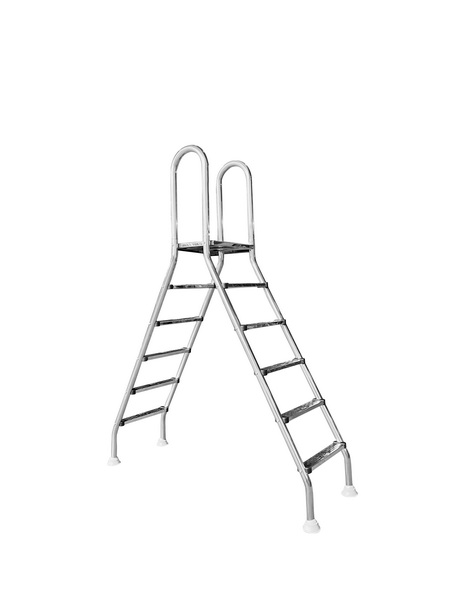
Most above ground pool ladders and steps are made from hollow plastic or resin that traps air, creating strong buoyancy once submerged. If this buoyant force is not balanced by sufficient weight, the ladder can lift, shift, or rock when swimmers step on it, increasing the risk of slips and falls.[2][3][1]
Common safety and comfort issues caused by floating ladders include:
- Steps that lift off the floor when a swimmer pushes off.
- Ladders drifting away from the wall and catching feet or toes.
- Reduced confidence for children, seniors, and heavier users.
Before adding weight, always understand the ladder's rated load capacity and its intended installation method. Many residential above ground pool ladders are designed for 300–400 lbs capacity; excessive added ballast concentrated on one area can stress joints and mounting hardware.[4][5]
Key safety principles:
- Check the manufacturer's instructions for maximum weight and recommended ballast methods.
- Avoid sharp, rigid, or metal objects resting directly on the liner.
- Add weight gradually and test stability with one adult before allowing children to use the ladder.[3][1]
Many modern above ground pool ladders and step systems include built‑in ballast compartments designed to be filled with sand or water. Using these correctly is the cleanest, most professional way to weigh down the ladder while keeping weight evenly distributed.[6][1]
Typical steps:
1. Locate fill caps or ports on the sides or underside of the ladder steps.
2. Decide whether to use sand (heavier, more permanent) or water (easier to drain).
3. Fill evenly up to the marked fill lines; avoid overfilling, which can stress the plastic.[1]
4. Tighten caps securely and check for leaks before putting the ladder into the pool.[1]
Advantages:
- Weight is integrated, hidden, and balanced.
- Less risk of objects shifting or rubbing the liner.
- Cleaner look, ideal for homeowners and commercial facilities.
If your ladder does not have built‑in ballast, commercial sand weight bags designed for pool steps and ladders are a popular option. These are usually heavy‑duty PVC or polyester bags (often 10–25 liters each) that you fill with dry sand and place on or behind the bottom steps.[7][8][9]
How to use commercial ladder weight bags:
1. Choose bags specifically labeled for pool ladders/steps, ideally with UV‑resistant, waterproof fabric.[9][7]
2. Fill each bag with play sand or filter sand to the recommended level; do not overfill.[7]
3. Double‑check seals or zippers, then place bags flat across the bottom steps or in the side pockets provided by some step designs.[1]
4. Position bags so they cannot shift into the swimmer's path but still hold the base down firmly.[10]
Pros:
- Purpose‑built, durable, and usually easy to handle.
- Can be removed for winterization or cleaning.
- Less likely to tear or leak than improvised bags.
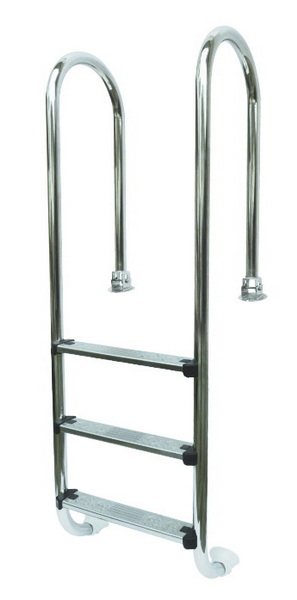
For a cost‑effective and durable DIY solution, many pool owners use capped PVC pipes filled with sand or concrete as ladder weights. Properly sealed PVC weights are compact, heavy, and resistant to long‑term water exposure.[11][12]
Basic DIY process:
1. Cut lengths of 2–3 inch PVC pipe (typically 18–24 inches long).
2. Glue on one permanent end cap, then fill with dry sand or concrete mix.[12]
3. Seal the other end with a threaded clean‑out fitting or glued cap plus PTFE tape to prevent leaks.[12]
4. Secure the finished weights to the ladder base using plastic cable ties or built‑in slots.[11][12]
Placement tips:
- Distribute weights evenly on left and right sides to avoid twisting.
- Keep pipes smooth and free of sharp edges to prevent liner damage.
- Ensure they cannot roll into the path of swimmers.
Some pool owners simply triple‑bag play sand in heavy contractor bags or canopy‑tent weight bags and place them under or behind the ladder. While this is less polished than commercial weights, it can be effective if done carefully.[13][11]
Steps for safe use:
1. Fill small inner bags (or canopy tent bags) with 25–50 lbs of sand each—avoid extremely heavy single bags that are hard to move.[13][11]
2. Double‑ or triple‑bag with thick contractor trash bags and seal tightly with duct tape.[11]
3. Place bags on the pool floor behind or under the bottom steps, making sure no sharp edges or seams contact the liner.[10]
4. Check periodically for wear, mold, or leaks and re‑bag if necessary.[11]
Cautions:
- Standard trash bags degrade under UV and chlorine; inspect often.
- If a bag ruptures, loose sand can be difficult to clean out of the pool.
Weight alone may not solve wobbling if the ladder is on uneven ground or not properly assembled. For best results, combine ballast with basic stabilizing techniques inside and outside the pool.[2][3]
Helpful stabilization tricks:
- Level the ground under the outside legs with pavers or patio stones and use non‑slip rubber feet or ladder mats.[6][3]
- Slide foam pool noodles or foam rods under the inner legs to add friction against the pool wall and compensate for minor unevenness.[3][2]
- Use deck‑mount brackets or anchor flanges to bolt deck‑mounted ladders firmly to wood or concrete.[4][2]
The exact amount of ballast required depends on ladder size, buoyancy, and user weight, but practical experience shows that many above ground step systems use 50–150 lbs of additional weight spread across the base. Heavier commercial or wide‑tread steps may specify multiple 25–50 lb bags or several large ballast cushions.[3][10][1]
Guidelines to decide how much weight to add:
- Start with the manufacturer's recommended ballast amount (if provided).
- For basic plastic A‑frame ladders, many owners find that two 40–50 lb sand bags or equivalent PVC weights on the base are sufficient.[13][11]
- Increase weight gradually until the ladder no longer lifts when one adult presses down on the top step and side rails.
Any time you place heavy objects on the pool floor, liner protection is critical. Poorly protected weights can create pressure points or abrasion that shorten liner life.[2][1]
Best practices:
- Use commercial ladder mats or thick, smooth pads under the ladder feet and any freestanding weights.[6][2]
- Avoid bare concrete blocks, bricks, or metal items in direct contact with vinyl.
- Round off or cover any sharp edges on DIY PVC weights or fastening hardware.
Even well‑designed ballast systems need periodic inspection during the swim season. Small leaks, shifting weights, or ground settling can gradually reduce stability.[3][1]
Regular checks should include:
- Inspecting sand bags or PVC weights for cracks, tears, or algae buildup; clean or replace as needed.[12][11]
- Confirming all bolts, nuts, and brackets are tight and that the ladder sits level on all contact points.[2][3]
- Brushing around and under the steps to discourage algae and debris from collecting near weights.[4][10]
Weighing down your above ground ladder should be part of a broader pool safety strategy, not the only measure. The goal is a safe, comfortable pool environment that also considers access control and emergency readiness.[3][1]
Complementary safety measures:
- Install perimeter fencing with a self‑latching gate and alarms where required by local code.[1]
- Add LED lighting around the pool and near the ladder area to improve visibility at dusk or night.[4][1]
- Keep rescue equipment such as life rings and hooks within easy reach of the ladder.[1]
For pool brands, wholesalers, and manufacturers, stable ladder design starts at the factory level. OEM suppliers in China now integrate ballast chambers, reinforced frames, and compatible accessories such as sand filters, pumps, and LED lighting into complete above ground pool packages. Working with a professional OEM manufacturer allows you to specify ladder stability requirements, matching them with the filtration system flow, circulation pattern, and lighting layout for a safer pool ecosystem.[6][2][1]
Weighing down an above ground pool ladder correctly is one of the simplest ways to prevent slips, falls, and sudden ladder movement in the water. By choosing appropriate ballast methods—built‑in chambers, commercial sand bags, DIY PVC weights, or well‑protected sand packs—and combining them with proper leveling, mats, and deck anchoring, you can keep your ladder stable without harming the liner. Regular inspection, cleaning, and integration with broader pool safety measures ensure that every entry and exit is as safe and comfortable as possible throughout the swimming season.[2][3][1]
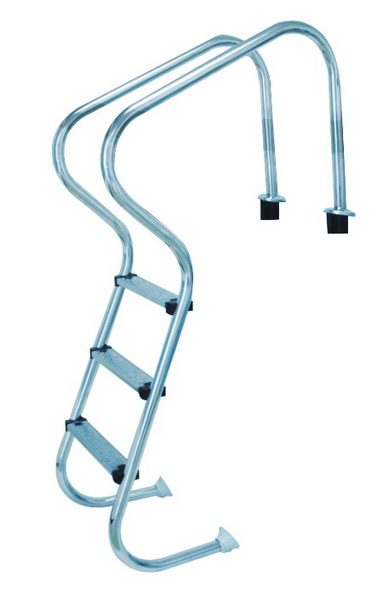
The safest method is to use the ladder's built‑in ballast chambers or commercial sand weight bags designed specifically for pool steps and ladders. These options distribute weight evenly and reduce the risk of sharp edges or bag failures that could damage the liner.[7][10][1]
Many above ground ladders require 50–150 lbs of ballast, but the exact amount depends on the ladder's design and manufacturer recommendations. Start with the recommended amount or two 40–50 lb equivalents and adjust until the ladder no longer lifts or shifts when an adult steps on it.[13][10][11][1]
Bare concrete blocks or bricks are not recommended because their sharp edges and hard corners can damage vinyl liners or leave permanent impressions. If you must use rigid weights, fully enclose them in smooth, padded covers and place them on ladder mats or pavers designed to protect the liner.[6][2][1]
DIY PVC weights are widely used and can be safe if properly glued, sealed, and smoothed. Use appropriate caps and thread sealant to prevent leaks, round all edges, secure the pipes firmly to the ladder, and avoid letting them roll loose on the pool floor.[12][11]
Inspect your ladder weights every few weeks during the swim season and at the start of each season. Look for tears, cracks, leaks, or algae buildup, verify that all hardware is tight, and confirm that the ladder still sits flat and stable on all contact points.[3][2][1]
Properly placed weights should not significantly affect circulation, but large step systems and weights can create low‑flow “dead zones” where algae may grow if water does not move freely. Position weights to allow water to flow around and behind steps and maintain adequate filtration and brushing in those areas.[4][1]
DIY sandbags (such as triple‑bagged contractor bags) are cheaper but more prone to tearing and UV degradation over time. Commercial ladder weight bags use reinforced, waterproof fabrics and secure closures designed for repeated seasonal use in chlorinated water.[9][7][13][11]
[1](https://www.poolkingfilter.com/how-to-weigh-down-a-pool-ladder.html)
[2](https://www.poolkingfilter.com/how-to-stabilize-above-ground-pool-ladder.html)
[3](https://blog.watsons.com/blog/stabilize-above-ground-pool-ladder)
[4](https://xtremepowerusa.com/products/above-ground-swimming-pool-ladder-heavy-duty-step-system-entry-non-slippery)
[5](https://www.thepoolfactory.com/a/answers/5769018/What-is-the-ideal-weight-capacity-for-pool-ladders)
[6](https://www.poolkingfilter.com/how-to-make-an-above-ground-pool-ladder-more-stable.html)
[7](https://alkasibhealthcare.com/2-Pack-Pool-Ladder-Weights-10L-Sand-Bags-For-Above-Ground-Pool/410265)
[8](https://www.walmart.com/ip/Universal-Foldable-Pool-Stair-Weights-250D-PVC-Waterproof-Easy-Fill-Sand-Green-for-Above-Ground-Pool-Ladder/17233472184)
[9](https://coolcoalition.org/view/Ladder-Weights-Sand-Fillable-500D-PVC-Bags-For-Above-Ground/504515)
[10](https://www.yahoo.com/lifestyle/weigh-down-pool-steps-simple-180052070.html)
[11](https://www.reddit.com/r/pools/comments/v0lhxh/what_sand_weights_do_you_use_to_hold_down_your/)
[12](https://www.youtube.com/watch?v=Nb82H39bU0g)
[13](https://www.reddit.com/r/pools/comments/nvpwqn/question_about_above_ground_pool_ladder_weight/)
[14](https://www.homedepot.com/p/Main-Access-Universal-Anchors-Swimming-Pool-Ladder-Step-Sand-Weights-3-x-200888/310623840)
[15](https://www.facebook.com/groups/637529959937311/posts/2581283702228584/)
[16](https://www.facebook.com/groups/637529959937311/posts/2578471772509777/)
[17](https://www.facebook.com/groups/637529959937311/posts/2576536166036671/)
[18](https://blog.watsons.com/blog/make-above-ground-pool-ladder-stable)
[19](https://www.youtube.com/watch?v=YibqFL1TKIY)
[20](https://furnitureload.com/how-to-stabilize-above-ground-pool-ladder/)


