
Views: 222 Author: Tina Publish Time: 2025-07-11 Origin: Site


Content Menu
● Understanding Pool Circulation
● Essential Pool Equipment Overview
>> Pool Pumps
>> Filters
>> Pool Heaters
>> Automatic Chlorinators and Chemical Feeders
>> Pool Covers
>> Lighting and Additional Accessories
● Step-by-Step Guide: Using Each Equipment Type
>> How to Use a Skimmer and Net
>> How to Use an Automatic Chlorinator
● Equipment Maintenance and Troubleshooting
>> Chlorinator and Chemical Feeders
>> 1. What is the correct order for pool equipment in the circulation system?
>> 2. How often should I run my pool pump?
>> 3. When should I backwash my sand or DE filter?
>> 4. How do I know if my pool equipment is working properly?
>> 5. What chemicals do I need to add to my pool, and how are they dispensed?
Swimming pools provide a wonderful space for relaxation, exercise, and family fun. However, owning a pool comes with the responsibility of maintaining it properly to ensure clean, safe, and inviting water. Central to this maintenance is understanding how to use and care for your swimming pool equipment effectively. This guide covers everything from pumps and filters to vacuums and heaters, offering detailed instructions, maintenance advice, and troubleshooting tips. Whether you are a new pool owner or looking to refine your pool care routine, this comprehensive article will equip you with the knowledge to keep your pool in top condition year-round.

The foundation of a clean swimming pool is effective water circulation. Pool water is drawn from the surface and bottom through the skimmer and main drain, then pulled into the pump. The pump pushes the water through a filter to remove debris and contaminants before sending it back into the pool through return jets. This continuous cycle distributes chemicals evenly, prevents stagnation, and keeps the water clear and healthy.
The pool pump is the heart of the circulation system. It creates the suction needed to pull water from the pool and push it through the filtration and heating systems. Pumps come in various sizes and types, including single-speed, dual-speed, and variable-speed models. Choosing the right pump size is critical for efficient operation and energy savings.
Filters remove dirt, debris, and microscopic particles from the water. The three main types are:
- Sand Filters: Use sand as the filtering medium. They require backwashing to clean.
- Cartridge Filters: Use replaceable cartridges that are rinsed or replaced.
- Diatomaceous Earth (DE) Filters: Use a fine powder for superior filtration but require periodic backwashing and recharging.
Skimmers are built-in pool components that trap floating debris before it sinks. Manual skimmer nets attached to telescopic poles allow you to remove leaves, insects, and other debris from the water surface.
Vacuum systems clean the pool floor and walls. Manual vacuums require you to push or pull the vacuum head attached to a hose and pole. Automatic cleaners, including robotic and suction-side models, operate independently to scrub and vacuum the pool.
Heaters maintain comfortable swimming temperatures. Options include gas heaters, electric heat pumps, and solar heaters. Proper installation after the filter ensures efficient heating.
These devices dispense sanitizing chemicals automatically, maintaining consistent chlorine or bromine levels to keep the water safe and balanced.
Covers help retain heat, reduce evaporation, and keep debris out of the pool when not in use. They also enhance safety by preventing accidental falls.
Underwater lighting improves nighttime visibility and ambiance. Ladders, handrails, and pool alarms enhance safety and accessibility.
1. Check Water Level: Ensure the water level is midway up the skimmer opening to allow proper suction.
2. Inspect Pump Basket: Remove debris from the pump basket weekly to prevent clogs.
3. Prime the Pump: Fill the pump basket with water if it has lost prime.
4. Start the Pump: Use the control panel or timer to turn it on.
5. Monitor Pressure: Watch the pressure gauge for normal readings to ensure efficient operation.
Sand Filter:
- Set the multiport valve to “Filter.”
- Run the pump 8–12 hours daily.
- Backwash when pressure rises 8–10 psi above normal.
- Rinse after backwashing to settle the sand.
Cartridge Filter:
- Remove and rinse cartridges every 2–4 weeks.
- Replace cartridges when worn or damaged.
DE Filter:
- Backwash when pressure rises.
- Add DE powder through the skimmer after backwashing.
1. Attach the net to a telescopic pole.
2. Skim the water surface to remove leaves and debris.
3. Empty the net frequently to maintain efficiency.
4. Store the net dry to prevent damage.
- Manual Vacuum:
1. Attach the vacuum head to a telescopic pole and hose.
2. Connect the hose to the skimmer suction port.
3. Vacuum slowly across the pool floor to avoid stirring debris.
4. Clean the filter after vacuuming.
- Automatic Cleaner:
1. Set up according to manufacturer instructions.
2. Let it run for the recommended time to clean the pool thoroughly.
1. Set the desired temperature on the thermostat.
2. Ensure the heater is installed after the filter for proper water flow.
3. Check for leaks or unusual noises regularly.
1. Fill the chlorinator with chlorine tablets.
2. Adjust the dial to control chemical output.
3. Regularly test chlorine levels to maintain balance.
1. Remove debris from the pool surface before covering.
2. Spread the cover evenly and secure it with straps or anchors.
3. Remove carefully to avoid debris falling into the water.

Maintaining your pool equipment and water quality requires a consistent routine. Here's a detailed checklist to keep your pool in optimal condition.
- Check Water Level: Maintain water level to ensure skimmer function.
- Inspect Circulation: Verify the pump and filter are running properly.
- Test Water Chemistry: Check pH, chlorine, alkalinity, and adjust if necessary.
- Remove Surface Debris: Use a skimmer net to clear leaves and bugs.
- Empty Skimmer and Pump Baskets: Prevent clogs by cleaning baskets.
- Inspect Equipment: Look for leaks, noises, or malfunctions.
- Cover Pool at Night: Helps retain heat and keep debris out.
- Brush Walls and Steps: Remove algae and dirt buildup.
- Vacuum Pool Floor: Use manual or automatic vacuum.
- Check Filter Pressure: Clean or backwash if pressure rises above normal.
- Clean Filter: Follow manufacturer's instructions for cleaning.
- Inspect Pool Jets: Ensure jets are angled properly and working at full pressure.
- Clean Pool Deck: Remove dirt and debris to prevent drainage issues.
- Scrub Tile Line: Prevent calcium buildup and staining.
- Shock Pool: Use sanitizer to kill bacteria and algae.
- Inspect Pool Cover: Clean and check for damage.
- Deep Clean Pool: Focus on walls, corners, and hard-to-reach areas.
- Inspect Equipment: Check pumps, heaters, filters for wear or leaks.
- Replace or Clean Filters: Maintain water clarity.
- Lubricate Seals and O-Rings: Prevent cracks and leaks.
- Check Salt Cell (if applicable): Clean buildup to maintain efficiency.
- Water Balance Audit: Test and adjust pH, alkalinity, calcium hardness, and metals.
- Inspect Pool Surface: Look for cracks, stains, or damage.
- Check Pool Lights and Deck Drains: Replace bulbs and clear blockages.
- Inspect Cover Reel System: Repair and lubricate moving parts.
- Check Safety and Chemical Storage: Ensure first aid kits and chemicals are properly stored.
Regular maintenance extends the life of your pool equipment and prevents costly repairs.
- Clean the pump basket weekly.
- Check for leaks and unusual noises.
- Ensure the pump is primed and running smoothly.
- Monitor pressure gauge regularly.
- Backwash or clean filters as needed.
- Replace cartridges or DE powder according to usage.
- Empty skimmer and pump baskets weekly to prevent clogging.
- Remove trapped critters or debris promptly.
- Inspect hoses and connections for leaks or cracks.
- Clean brushes and wheels on automatic cleaners.
- Replace worn parts to maintain cleaning efficiency.
- Schedule annual professional servicing.
- Check for proper ignition and water flow.
- Inspect for leaks or corrosion.
- Refill chlorine tablets regularly.
- Clean feeders to prevent blockages.
- Test chemical levels frequently.
- Clean covers regularly to prevent mold and damage.
- Repair tears or holes promptly.
- Store covers properly when not in use.
Proper use and maintenance of swimming pool equipment are vital to keeping your pool clean, safe, and enjoyable. By understanding how each piece works and following a consistent maintenance routine, you can prevent common problems, extend the life of your equipment, and enjoy crystal-clear water all season long. Investing time in regular care will save money on repairs and enhance your overall pool experience.
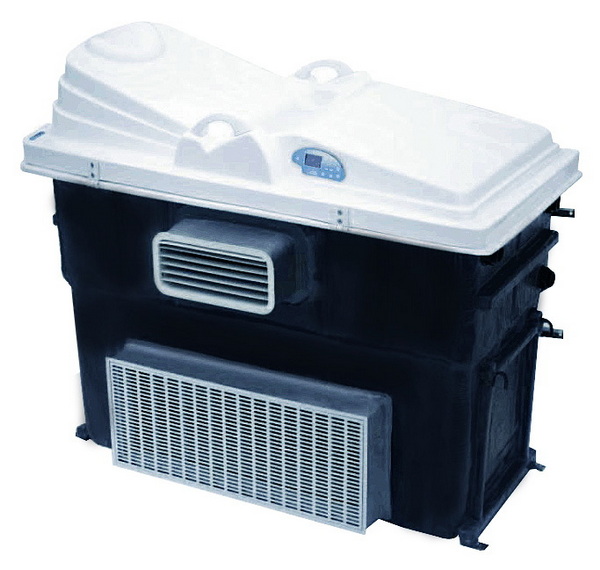
The typical order is: skimmer/main drain → pump → filter → heater (if installed) → chemical feeder → return jets. This sequence ensures water is properly filtered and sanitized before returning to the pool.
Most pools require 8–12 hours of pump operation daily to maintain water clarity and chemical balance. Adjust based on pool size, usage, and environmental factors.
Backwash when the pressure gauge reads 8–10 psi above the clean baseline, indicating the filter is clogged.
Look for steady water flow, normal pressure readings, and absence of leaks or unusual noises. Regular inspections help catch issues early.
Common chemicals include chlorine, pH adjusters, alkalinity increasers, and algaecides. Use automatic feeders, floating dispensers, or manual dosing to maintain proper levels.


