
Views: 222 Author: Tina Publish Time: 2025-11-12 Origin: Site


Content Menu
● Introduction: Protecting Your Pool Investment
● Understanding Pool Circulation Leaks
>> What Is a Circulation Pipe Leak?
● Causes of Pool Pump Circulation Pipe Leaks
● Diagnosing a Leaking Pool Pump Circulation Pipe
>> 4. Listen for Abnormal Sounds
● Step-by-Step Pool Pipe Leak Repair Guide
>> 1. Shut Down Power and Water Supply
>> 4. Disassemble Relevant Fittings
>> 5. Inspect Seals, O-Rings, and Gaskets
>> 6. Repair or Replace Pipe Sections
>>> Temporary Fix
>>> Permanent Fix
>> 7. Reassemble and Secure All Fittings
>> 9. Additional Checks and Maintenance
● Preventing Future Pool Pipe Leaks
>> Pump Housing and Shaft Seals
>> Skimmer and Return Line Problems
>> Multi-Port Valve and Filter Joints
● DIY vs. Professional Assistance
● Common Repair Materials and Tools
● Pool Pipe Replacement: Best Practices
● Maintenance Schedule for Leak-Free Pool Systems
>> Case 1: Quick Fix with Pool Putty
>> Case 2: Full Pipe Section Replacement
● Frequently Asked Questions (FAQ)
>> Q1: What's the safest temporary fix for a pool pipe leak?
>> Q2: How can I tell if a leak is underground?
>> Q3: Should I use generic plumbing parts in pool repairs?
>> Q4: Is regular inspection necessary if my system has no apparent leaks?
>> Q5: When should I consult a professional pool technician?
A leak in the circulation pipe attached to your pool pump isn't just an inconvenience—it can waste water, increase energy costs, jeopardize pool hygiene, and possibly damage expensive equipment. Prompt repair preserves your investment and keeps your swimming experience safe and enjoyable.[3][9][10]
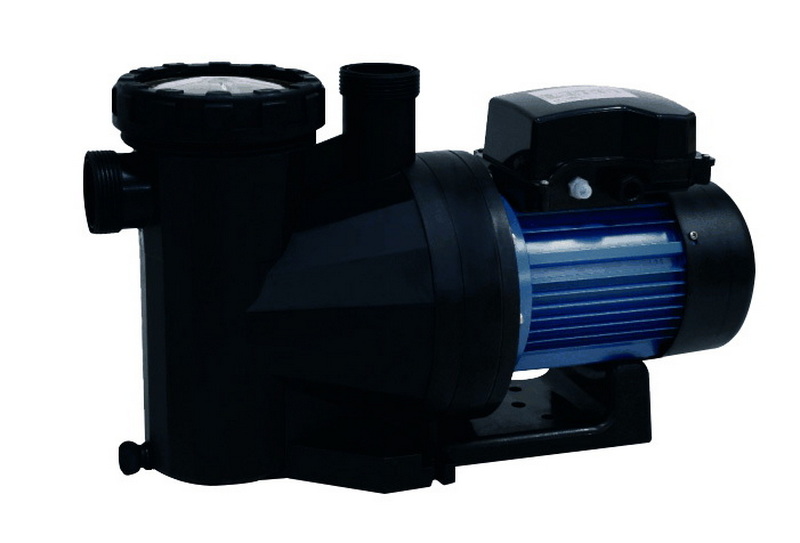
Circulation pipe leaks refer to any water escaping from pipes connecting your pool pump to the pool plumbing system. These can occur at fittings, unions, joints, valves, the pump housing itself, or at embedded pipe sections underground.[1][3]
If left unchecked, leaks can:
- Cause water loss and raise utility bills.
- Reduce filtration efficiency, making your pool dirty.
- Corrode pipework and pump motors, shortening lifespan.
- Lead to costly repairs needing extensive plumbing overhauls.[9][1][3]
Examining the root causes helps you prevent leaks and respond more quickly when they occur.
- Aging or Deterioration: Over time, exposure to UV, temperature changes, and chemicals weakens pipes, O-rings, and seals.[3]
- Improper Installation: Joints and unions not fully tightened or glued during assembly can eventually leak.
- Physical Damage: Vibrations, shifting ground, external impacts (mowers, garden tools), and winter freeze-thaw cycles can crack pipes or loosen fittings.[9]
- Water Chemistry Issues: Poor chemical balance (especially acidic or heavily chlorinated water) accelerates O-ring and pipe wear, leading to leaks.[3]
- High Pressure/Flow Stress: Overpowered pumps and restriction in plumbing can stress connections, causing fatigue failures.
- Faulty Components: Cheap or incorrect replacement parts often fail prematurely.
Stepwise diagnosis is critical for finding the true source—not just the symptoms—of leaks.
Begin by switching off the pump. Look for:
- Damp patches or pooling water near pipes and fittings.
- Corrosion, mineral deposits, or rust at connections.
- Bubbling, hissing, or unusual pump noises.
Add colored dye or food coloring near the suspected leak while the pump runs. Watch for colored water escaping at joints, unions, or the pump housing.
A pressure test kit can be attached to the plumbing system. After pressurization, any pressure drop indicates a leak, pinpointing its location for repair.[1][3]
Hissing, gurgling, or persistent pump noise can signal air being sucked in at a leak or an overworked pump due to lost water.
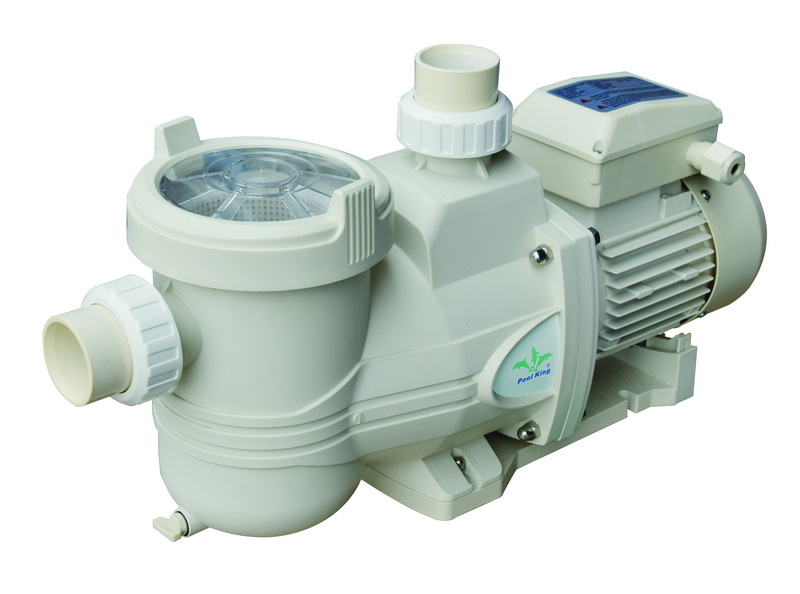
Once the leak location is confirmed, use these steps to ensure a thorough and lasting repair.
Safety first! Switch off the pump and filter system. Shut off water valves feeding the pump to prevent flow during repair.[3]
Remove water from the pump or leaking pipe section. Use towels or a fan to fully dry the work surfaces.
Remove any debris, algae, or mineral deposits before attempting repairs. Use a plastic brush and mild detergent as needed.
Carefully unscrew union nuts or disconnect quick-connects if the leak is at a fitting. If the pipe is glued or hard-plumbed, use a pipe cutter or hacksaw to remove the damaged section.
Examine all seals and O-rings. Replace cracked, brittle, or flattened O-rings. Clean and re-lubricate with a pool-safe lubricant before reinstallation. Use only manufacturer-approved replacements for best results.
- For minor cracks or holes, wrap with waterproof specialist tape or apply pool putty/RTV silicone sealant. Let cure as per instructions.
- Temporary solutions buy time but are not permanent.
- Cut out damaged sections with a hacksaw or pipe cutter.
- Clean the pipe ends with sandpaper.
- Dry fit new pipes, elbows, or unions and mark alignment.
- Apply PVC primer, then pool-grade cement to both surfaces.
- Insert fittings, twist lightly for an even glue distribution, and hold 30 seconds.
- Allow full cure time (ideally overnight) per adhesive manufacturer's instructions.[2][1][3]
Reinstall unions or threaded connections. Wrap threads with Teflon tape for improved sealing and to prevent future leaks. Tighten by hand; avoid over-tightening, which can damage threads.
Restore water flow, prime the pump, and watch repaired areas closely. Look for drips, listen for abnormal sounds, and check for dye escapes if using dye testing.
- Check pressure and flow for improvements.
- Inspect all other connections for signs of fatigue or pre-leak problems.
- Rebalance pool water, checking chemical parameters.
Apply silicone or sealant to pipe joints where vibration or temperature swings are frequent. Clean and lubricate seals regularly.
Prevention saves time and money compared to reactive repairs.
- Regular Inspections: Every month, inspect all visible pipes, fittings, unions, and pump housing for leaks, corrosion, and wear.
- Seasonal Checks: Before and after winter, confirm that pipes haven't frozen, cracked, or shifted.
- Balanced Water Chemistry: Test and adjust pool pH, chlorine, calcium hardness, and alkalinity weekly. Unbalanced water accelerates seal degradation.[9][3]
- Vibration Isolation: Secure pipes so they don't vibrate excessively—use soft mounts or brackets.
- Component Quality: Always use high-spec PVC, unions, and O-rings designed for pool use—and avoid generic plumbing parts.
Sometimes, leaks present unique challenges requiring more advanced solutions.
Pool pipes buried underground or beneath concrete pads may show no surface water but cause pump priming problems or unexplained water loss. These leaks require professional detection equipment (acoustic sensors, specialized dye, or electronic tracer tools).
Water seepage at the pump body or beneath the motor can signal a failed shaft seal or volute O-ring. Replace these critical parts per manufacturer instructions, as motor water ingress causes irreversible damage.[12][1]
Leaks at skimmer boxes or pool returns often originate from poor sealing at the joint or degraded main gaskets. Remove old sealant, clean thoroughly, and reseal with fresh pool-grade silicone.
Sand filter, cartridge filter, or DE filter multi-port valves can occasionally develop leaks at the body or pipe connection. Replace cracked bodies or o-rings, and reseal all union threads.
- DIY Repair: Suited for above-ground plumbing, visible leaks, and common union/gasket issues. Use the steps outlined above and review instructional videos.
- Professional Service: Needed for underground leaks, electrical pump failures, system-wide piping faults, and when repairs require major re-plumbing. Call certified pool technicians for lasting and safe results.
To execute repairs efficiently, keep these materials handy:
- PVC Pipe and Fittings (match size to your plumbing)
- PVC Primer and Cement (pool-grade)
- Hacksaw/Pipe Cutter
- Adjustable Wrenches and Pliers
- Replacement O-Rings, Gaskets, Seals
- Pool Putty, RTV Silicone
- Teflon Tape
- Dye/Leak Detector Kits
- Rags and Cleaning Brushes
When old pipes continually leak or repairs are frequent, replacement is ideal.
- Map the plumbing to plan pipe layout and connection points.
- Use high-pressure PVC pipe and pool-specific connectors.
- Allow for expansion joints in regions with temperature swings.
- Pressure test new plumbing post-installation.
Prevent troubles before they start:
- Weekly: Check all visible pipes, pump area, and water chemistry.
- Monthly: Inspect hidden or buried pipe sections, replace worn gaskets/seals, verify pump noise and vibration levels.
- Seasonally: Professional inspection for underground/complex systems.
- After Heavy Use/Storms: Recheck fittings and unions for vibrational loosening.
A homeowner spots a small leak at a union fitting. The joint is thoroughly cleaned and dried, then pool putty is applied firmly around the fitting, halting the leak until permanent repair scheduled for the weekend.
A visible split in a PVC pipe caused intermittent pump priming and water loss. The owner cuts out the split section with a pipe saw, sands the ends, and glues in a fresh segment using primer and cement. The repair holds up over a long season.
Repairing a leaking pool pump circulation pipe is crucial for maintaining your pool's efficiency, cleanliness, and overall health. Through careful inspection, choosing the right tools and materials, following structured repair steps, and scheduling periodic maintenance, you can resolve leaks and prevent them from reappearing. For complex or persistent leak issues, professional help guarantees lasting results and peace of mind.
A1: Use waterproof tape or pool putty to stop water loss in the short term, but schedule a permanent repair quickly to prevent escalation.[11][3]
A2: Persistent pump priming problems, unexplained water loss, or soggy ground beside the pool often signal underground leaks. Pressure or acoustic testing confirms the problem.[1]
A3: No; always use pool-grade PVC pipes, unions, and seals for lasting durability and chemical resistance—standard home plumbing parts degrade rapidly under pool conditions.[3][1]
A4: Yes, regular inspection and maintenance prevent sudden leaks, catching small problems before they become dangerous or expensive.[9][3]
A5: If leaks recur, are hidden underground, cause electrical pump faults, or if repairs exceed your skill or tool set, calling a professional ensures safety and prevents further damage.[12][1]
[1](https://superiorpoolservice.com/complete-guide-to-pool-plumbing-repair/)
[2](https://wpplumbing.com.au/blog/pool-pipe-repair-guide)
[3](https://beatbot.com/blogs/pool-cleaning-kits/pool-pump-circulation-pipe-leak-troubleshooting-and-repair)
[4](https://foxpoolsva.com/2023/10/20/the-ultimate-guide-to-pool-plumbing-repair-and-maintenance/)
[5](https://poolie.com/blog/repair/pool-pipe-leak-repair/)
[6](https://www.youtube.com/watch?v=IBQtWePCR7Y)
[7](https://www.facebook.com/groups/637529959937311/posts/2445909275766028/)
[8](https://www.poolwarehouse.com/articles/pool-plumbing-101-the-ultimate-guide-to-routing-your-pools-plumbing-and-pad/)
[9](https://pleasantpools.com/5-most-common-pool-pump-problems-and-solutions/)
[10](https://www.thereliningcompany.com.au/how-to-fix-the-5-most-common-pool-leaks/)
[11](https://www.reddit.com/r/pools/comments/14a195a/water_slowly_coming_out_from_pump_connection_what/)
[12](https://manningpoolservice.com/fix-leaking-pool-pump-guide/)


