


Content Menu
● Planning Your Pool Pump Location
● Understanding Your Pool System Components
● Tools and Materials Checklist
● Step‑by‑Step: How to Set Up a Pool Pump
>> Connecting the Suction Side
>> Connecting the Discharge Side
● Electrical Considerations for a Pool Pump
● Checking for Leaks and Proper Operation
● Daily, Weekly, and Seasonal Pool Pump Practices
● Advanced Pool Pump Maintenance Tips
● Optimizing Pool Pump Performance and Energy Use
● Common Pool Pump Setup Mistakes to Avoid
● When to Upgrade Your Pool Pump
● Troubleshooting Pool Pump Problems
● FAQ
>> 1. How long should a pool pump run each day?
>> 2. Why does my pool pump lose prime?
>> 3. How do I know my pool pump is the right size?
>> 4. When should I replace the pool pump lid O‑ring?
>> 5. Is it safe to run a pool pump in the rain?
Setting up a pool pump correctly keeps your water clean, safe, and energy‑efficient while protecting your equipment from damage. This expanded guide walks through every step, from planning and plumbing to priming, testing, maintenance, and troubleshooting, so your pool pump runs smoothly day after day.
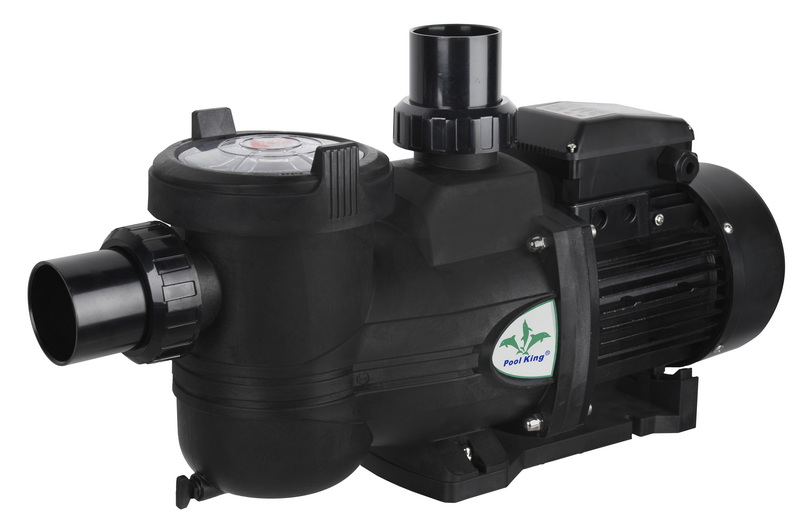
A pool pump is the heart of the circulation system, pulling water from the pool, pushing it through the filter, and returning it clean. A properly installed pool pump improves water clarity, helps sanitizers work better, and reduces algae growth by constantly moving water through the filtration and sanitizing system.
A well‑matched pool pump also supports heaters, salt systems, and water features so the overall system stays balanced. When the pool pump works correctly, the entire circulation, filtration, and disinfection chain becomes more stable and easier to manage.
Always think safety first before touching any pool pump or electrical equipment.
- Turn off power at the circuit breaker to the pool pump and related equipment before working.
- Make sure the pool pump area is dry and clear of standing water to reduce electrical hazards.
- Follow local codes and manufacturer instructions for bonding, grounding, and GFCI protection on the pool pump circuit.
- Wear eye and hand protection when cutting or gluing PVC pipes connected to the pool pump.
- Never run a pool pump if wires look damaged, the motor housing is cracked, or the equipment pad is flooded.
Choosing the correct position for your pool pump helps priming, noise control, and long‑term durability.
- Place the pool pump on a level, solid base such as a concrete pad to prevent vibration and movement.
- Whenever possible, position the pool pump at or slightly below the pool water level to make priming easier and reduce air in the lines.
- Keep the pool pump close to the pool filter and main plumbing line to minimize long, restrictive runs that waste energy.
- Allow enough clearance around the pool pump for airflow and easy service access to the lid, motor, and pipes.
- Avoid placing the pool pump in a tight, unventilated box that traps heat and shortens motor life.
When setting up a pool pump, it helps to understand how each part connects.
- Skimmer and main drain: Draw water from the pool surface and floor toward the pool pump.
- Pool pump: Pulls water in through the suction side and pushes it out under pressure through the discharge side.
- Filter (sand filter, cartridge filter, or DE filter): Traps dirt and debris from the water pumped through it.
- Valves and unions: Let you isolate the pool pump, redirect flow, and disconnect equipment for service.
- Heater, sanitizing systems, and return lines: Receive clean, pressurized water from the pool pump and send it back into the pool.
Before installing or setting up a pool pump, gather the right tools and supplies.
- Pool pump with appropriate horsepower and voltage for the pool size and type.
- Compatible filter sized for the pool pump flow rate.
- PVC pipe and fittings (elbows, tees, couplings) rated for pool systems and sized to match pump ports.
- PVC primer and cement suited for pressure plumbing around a pool pump.
- Unions for both suction and discharge lines near the pool pump for easy removal.
- Teflon tape or appropriate thread sealant for threaded fittings used on the pool pump.
- Screwdrivers, PVC cutter or saw, tape measure, marker, and wrench set.
- Valves for suction and return lines to help balance and isolate the pool pump and filter.
- Silicone‑based lubricant for O‑rings and gaskets on the pool pump and filter.
1. Place the pool pump on the equipment pad with the motor protected from direct water spray and lawn irrigation.
2. Align the suction port toward the pool's skimmer and main drain lines so the pipe run is as straight as possible.
3. Align the discharge port toward the filter inlet for a smooth, short connection that reduces head loss.
4. Mark the mounting holes and secure the pool pump to the pad using anchors or bolts to reduce vibration.
5. Make sure the pool pump sits high enough to stay dry in heavy rain but not so high that priming becomes difficult.
The suction side of the pool pump pulls water from the pool to the pump.
1. Dry‑fit a union directly to the suction inlet of the pool pump for future service access.
2. Use PVC fittings to connect the union to the main suction line from the skimmer and main drain.
3. Keep suction lines as straight and short as possible to avoid cavitation and priming problems in the pool pump.
4. Avoid sharp 90‑degree fittings right in front of the pool pump intake; use a straight run of pipe before any abrupt changes in direction.
5. Glue the pipe and fittings with PVC primer and cement, following the correct set time before using the pool pump.
6. Support long horizontal suction runs so the weight of the pipe does not twist the pool pump housing.
The discharge side of the pool pump sends pressurized water to the filter.
1. Install a union on the discharge outlet of the pool pump to allow easy removal.
2. Connect the union to the filter inlet using appropriately sized PVC pipe and elbows.
3. Add a valve, if desired, between the pool pump and filter to isolate flow for maintenance.
4. Use thread sealant or Teflon tape correctly on any threaded fittings connected to the pool pump discharge.
5. Glue all joints securely and support the pipe so that the weight does not stress the pool pump housing.
6. From the filter outlet, connect piping to heaters, sanitizers, and return lines as needed while keeping the flow path smooth.
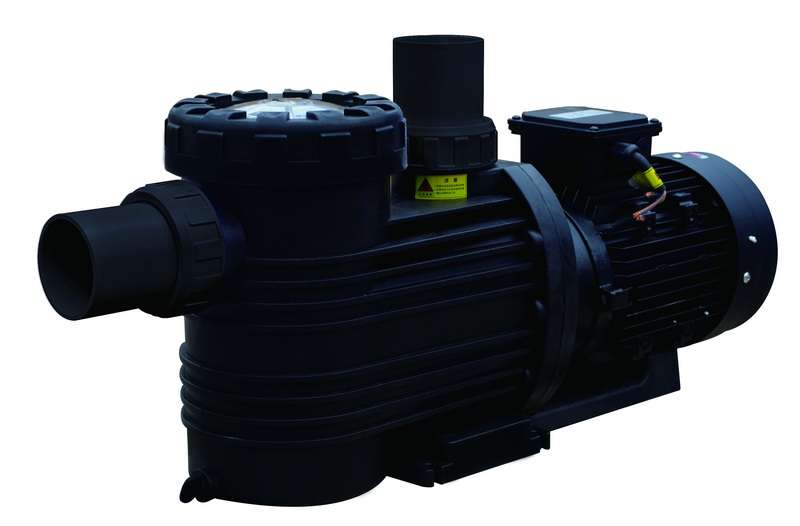
Correct electrical connection is critical for pool pump performance and safety.
- Verify that the voltage at the supply matches the pool pump motor rating on the nameplate.
- Use a dedicated circuit with appropriately sized breaker and wire gauge according to code and manufacturer guidance for the pool pump.
- Ensure the motor of the pool pump is properly bonded and grounded, following local standards.
- Install a GFCI‑protected circuit or outlet where required for pool pump systems.
- Keep all connections inside approved junction boxes or control panels designed for outdoor use near a pool pump.
Priming fills the pump housing with water so the pool pump can create suction.
- Confirm the pool water level is above the skimmer opening so the pool pump does not draw air.
- Ensure all valves from the pool to the pool pump are open so water can flow freely.
- Check and clean the strainer basket inside the pool pump housing, removing leaves and debris.
- Inspect the lid O‑ring of the pool pump for cracks or wear and lubricate it with pool‑safe lubricant if needed.
- Check that the filter multiport valve is in the correct position, usually “Filter,” before starting the pool pump.
1. Turn off power to the pool pump before starting priming work.
2. Remove the pump lid and fill the basket area with clean water until it slightly overflows.
3. Reinstall the lid on the pool pump securely, making sure the O‑ring stays in place and forms a good seal.
4. If the pool pump or filter has an air relief valve, open it to release trapped air during startup.
5. Restore power and turn the pool pump on while observing the water flow through the lid and return lines.
6. When a steady stream of water without large air bubbles appears, close the air relief valve and let the pool pump run.
7. If the pool pump fails to prime after a minute or two, turn it off and repeat the process, checking for air leaks on the suction side.
8. If necessary, close all but one suction line to help the pool pump prime from a single source, then gradually open the others.
After priming, verify that the pool pump and plumbing are working correctly.
- Inspect all glued joints, unions, and valves around the pool pump and filter for drips or sprays.
- Listen to the pool pump motor for smooth operation without grinding or loud humming sounds.
- Check the filter pressure gauge and compare it with the normal starting pressure recommended for your pool pump system.
- Walk around the pool and confirm strong, consistent return flow into the water coming from the pool pump discharge.
- Look through the clear pump lid to be sure only small residual bubbles are present, not large pockets of air.
A well‑maintained pool pump lasts longer and keeps water clean with less effort.
- Run the pool pump long enough each day to turn over the entire volume of pool water, often 8 hours or more depending on size and pump rate.
- Empty the pump strainer basket regularly to maintain strong suction and reduce strain on the pool pump motor.
- Monitor filter pressure; when it rises noticeably above the clean starting level, backwash a sand or DE filter or clean a cartridge filter to ease the load on the pool pump.
- Keep water chemistry balanced to prevent scale or corrosion that can damage the pool pump and filter internals.
- Before winter closing or long shutdowns, drain water from the pool pump housing and store plugs safely.
Once the basic setup is working, advanced care keeps a pool pump in peak condition.
- Follow a monthly schedule to inspect the impeller for debris, hair, or scale that can reduce flow and force the pool pump to work harder.
- Check all O‑rings and gaskets on the pool pump and valves several times a season and replace them if they stay flattened or cracked.
- Tighten loose unions and fittings around the pool pump gently to stop small drips before they become major leaks.
- Keep the motor vents of the pool pump free of dirt, cobwebs, and leaves so cooling air can flow around the housing.
- Listen for changes in sound from the pool pump; a new humming, screeching, or grinding noise often points to worn bearings or a failing seal.
Good setup is only the first step; running a pool pump efficiently saves money every season.
- If the pool pump is variable‑speed, program low to medium speeds for everyday filtration and reserve higher speeds for backwashing or water features.
- Use timers or automation to run the pool pump during off‑peak electricity hours whenever possible.
- Adjust return eyeballs to aim water so that circulation covers both the shallow and deep ends, helping the pool pump move water more evenly.
- Periodically review run times; very clear pools with balanced chemistry may allow shorter daily use of the pool pump.
- When adding heaters, spas, or fountains, recheck whether the existing pool pump can handle the added resistance and flow needs.
Avoiding a few frequent errors will make your pool pump more reliable.
- Mounting the pool pump far above the water level, which makes priming difficult and can cause frequent air lock.
- Using undersized pipe or too many sharp elbows that restrict flow and force the pool pump to work too hard.
- Ignoring leaks on the suction side of the pool pump, which introduce air and reduce priming efficiency.
- Running the pool pump dry or with blocked flow, which can overheat and damage the seal and motor quickly.
- Installing valves, elbows, or check valves immediately in front of the pool pump intake where a straight run of pipe should be used.
Even a well‑installed pool pump eventually needs replacement or upgrading.
- Consider a higher‑efficiency variable‑speed pool pump if the current single‑speed model consumes a lot of power for long run times.
- Upgrade to a larger or better‑matched pool pump when adding water features, spas, or larger filters that demand more flow.
- Replace the pool pump if the motor makes loud noises, frequently trips breakers, or leaks at the seal plate despite repairs.
- When installing a new pool pump, review your entire circulation setup—pump, filter, valves, and pipes—to optimize performance and energy use.
- If your pool pump is many years old, a modern design can cut energy bills dramatically while giving quieter, smoother operation.
Even a carefully set up pool pump can experience issues. Basic troubleshooting helps you decide when you can fix something yourself and when to call a professional.
- Check the skimmer and pump baskets for leaves and debris that can starve the pool pump of water.
- Inspect the filter pressure; a very dirty filter can restrict flow and make the pool pump look weak.
- Look for air bubbles under the pump lid or at the return jets that may indicate suction leaks.
- Confirm that all suction and return valves are open in the correct positions so the pool pump can move water freely.
- Verify the pool water level is high enough and that no suction lines are completely blocked.
- Reprime the pool pump by filling the strainer housing and checking the lid O‑ring seal.
- Tighten unions and fittings on the suction side to eliminate air leaks.
- If priming still fails, check for cracked pipes, slipped fittings, or a damaged shaft seal that lets air enter the pool pump.
- Rattling sounds may come from loose bolts, mounting hardware, or rocks under the pool pump base.
- A grinding or screeching sound often points to worn bearings that require motor repair or replacement.
- Cavitation noise, like gravel in the pump, frequently indicates the pool pump is starved for water because of restrictions or air leaks.
Setting up a pool pump the right way involves careful planning, solid plumbing, safe electrical work, and thorough priming before everyday operation. By choosing a good location, using proper fittings, and following priming and maintenance steps, a pool pump can deliver clear, comfortable water while running efficiently for many seasons. With regular inspection, smart scheduling, and timely upgrades, your pool pump becomes a reliable, energy‑saving core of a clean and inviting swimming pool.
Contact us to get more information!
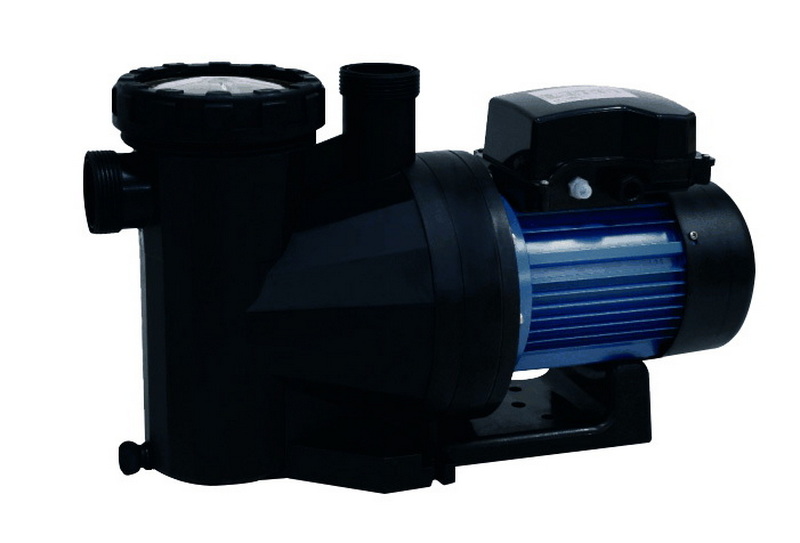
A pool pump should usually run long enough to circulate the full volume of water at least once per day, which is often around 8 hours for many pools, and longer in hot weather or heavy use periods. Many owners split pool pump run time into two or more blocks to take advantage of off‑peak energy rates and to coordinate with heating or chlorination cycles.
A pool pump often loses prime when air enters the suction side through loose fittings, a worn lid O‑ring, low water level, or cracked pipes. If a pool pump sits too high above the pool water level, it may also struggle to maintain suction and lose prime when turned off or after a few minutes of running.
A correctly sized pool pump can turn over the pool water within a reasonable number of hours without creating excessive pressure or noise. Oversized pool pump motors can waste energy and overstress the filter, while undersized models may fail to circulate and filter the water adequately, leaving debris and cloudy water.
Replace the pool pump lid O‑ring if you see cracks, flattening, stretching, or persistent air bubbles under the lid even after lubricating it. A damaged O‑ring can let air seep into the pool pump, making priming difficult and causing noisy, inefficient operation that may shorten equipment life.
A properly installed outdoor‑rated pool pump can usually run in normal rain if it is on a stable pad with correct electrical protection. However, the pool pump should not operate in flooded conditions, and the electrical system must follow all bonding, grounding, and GFCI requirements to maintain safety around water.
1. https://www.inyopools.com/HowToPage/how_to_set_up_in_ground_pool_equipment_part_1_circulation.aspx
2. https://www.homedepot.com/c/ah/how-to-install-a-pool-pump/9ba683603be9fa5395fab901f237ca39
3. https://greatbackyard.com/blogs/news/your-above-ground-pool-pump-installation-priming-and-maintenance
4. https://www.milleroutdoorsnola.com/blog/how-to-prime-a-pool-pump/
5. https://www.thepoolfactory.com/blogs/equipment/how-to-prime-an-above-ground-pool-pump
6. https://lesliespool.com/blog/how-to-prime-a-pool-pump.html
7. https://lesliespool.com/blog/the-ultimate-pool-pump-maintenance-guide.html
8. https://amenitypool.com/blog/8-ways-to-optimize-your-pools-filtration
9. https://diy.inyopools.com/article/boost-your-pool-pump-pressure-effective-tips-and-tricks/
10. https://www.californiapools.com/blog/california-pools-blog/pool-maintenance-care/how-long-should-you-run-your-pool-pump-/


