
Views: 222 Author: Tina Publish Time: 2026-01-21 Origin: Site


Content Menu
● Why remove a Pool pump motor?
● Safety first before touching a Pool pump motor
● Tools and preparation for Pool pump motor removal
● Step 1: Shut off power and depressurize the Pool pump
● Step 2: Label and disconnect Pool pump wiring
● Step 3: Disconnect bonding and external connections
● Step 4: Open the wet end of the Pool pump
● Step 5: Separate the motor and seal plate from the Pool pump housing
● Step 6: Remove diffuser and access the impeller
● Step 7: Fully detach the motor from the wet end components
● Cleaning, inspection, and seal replacement
● Priming and testing after reinstalling the motor
● Expert tips for easier Pool pump motor removal
● When not to remove a Pool pump motor yourself
● FAQ about Pool pump motor removal
>> 1. How do I know if my Pool pump motor needs to be removed?
>> 2. Can I remove a Pool pump motor without cutting any pipes?
>> 3. Do I always need to replace the shaft seal when removing a Pool pump motor?
>> 4. Is it safe to work on a Pool pump motor if the breaker is off but the timer is on?
>> 5. How long does it usually take to remove a Pool pump motor?
Removing the motor from a Pool pump is a mid‑level DIY job that involves shutting off power, disconnecting wiring, opening the wet end, and separating the motor and seal plate from the Pool pump housing without damaging the impeller or shaft seal. Done carefully, this process lets Pool pump owners replace a failed motor, upgrade to a more efficient model, or service internal parts while keeping the rest of the Pool pump system in place.
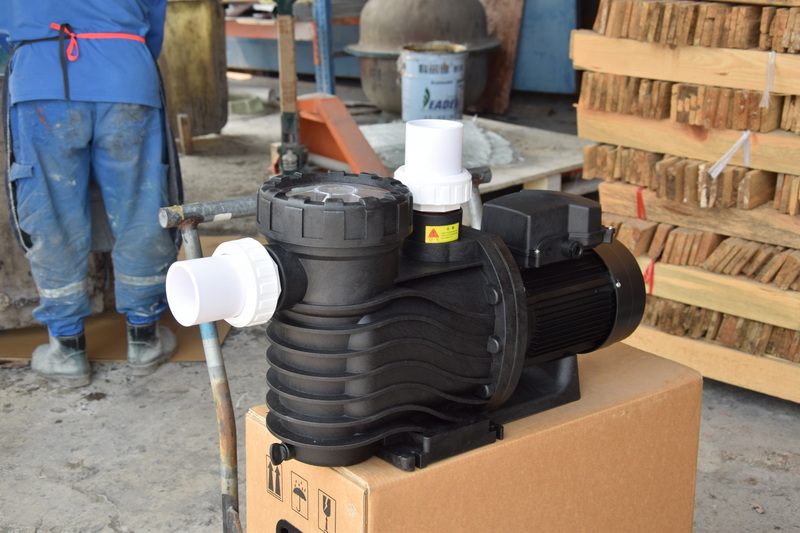
Removing the motor from a Pool pump is usually required when the motor bearings fail, the motor will not start, or you want to upgrade to a more efficient variable‑speed Pool pump motor. In many cases the wet end (housing, diffuser, impeller, and plumbing) is still in good shape, so changing only the motor saves money and avoids cutting Pool pump pipes.
Common reasons include loud grinding noises, motor not turning, repeated breaker trips, or overheating of the Pool pump motor after short run times. Separating the motor from the Pool pump also allows access to the impeller, diffuser, and shaft seal, which are critical for preventing leaks and maintaining prime.
You may also remove the motor when converting an older single‑speed Pool pump to a high‑efficiency replacement while reusing the same filter, valves, and plumbing layout. For OEM brands and service technicians, motor removal is a routine step in Pool pump refurbishment, seal replacement, and warranty inspections.
Working on a Pool pump motor involves electricity, stored pressure, and sometimes charged capacitors, so safety is the first priority. Always follow local electrical codes and the instructions from the specific Pool pump and motor manufacturer.
Shut off the breaker that feeds the Pool pump, lock it out if possible, and verify that the Pool pump cannot start before you begin. Some Pool pump motors have capacitors that can store energy even after power is off, so discharge them correctly and wear eye and hand protection to avoid electric shock or arc injuries.
Avoid working on a wet pad or standing in water while touching any part of the Pool pump electrical system. If you are unsure how to test for voltage or discharge a capacitor, treat the Pool pump motor as live and bring in a qualified electrician or pool professional.
Having the right tools laid out next to the Pool pump saves time and reduces mistakes. Preparation also includes reading the model‑specific manual so you understand whether your Pool pump uses a clamp band, through‑bolts, or housing bolts to secure the motor.
Common tools include screwdrivers, nut drivers, 7/16" and 9/16" wrenches or sockets, pliers, a multimeter, and possibly a strap wrench if you later plan to remove the impeller from the Pool pump motor shaft. Keep masking tape or labels and a marker nearby so you can mark each wire when you disconnect the Pool pump motor, making reassembly much easier.
It is also wise to have a replacement shaft seal kit, O‑rings, and gaskets on hand before you pull the Pool pump motor apart. Many technicians also use a non‑contact voltage tester, silicone‑based lubricant for O‑rings, and a soft brush to clean parts as the Pool pump is opened.
The first actual step is to completely remove power from the Pool pump and relieve any pressure in the filtration system. Never skip this step, even if the Pool pump appears off at the timer.
Turn off the Pool pump at the circuit breaker panel, then confirm that the Pool pump will not start by using the control panel or timer. Open the filter air relief valve and remove the drain plug on the Pool pump housing so trapped water and pressure can escape before you open the equipment.
Wait until the filter pressure gauge drops to zero before loosening any clamps or bolts on the Pool pump or filter. Draining a small amount of water from the Pool pump also reduces spillage when you later separate the motor from the wet end.
Once you are sure the Pool pump is de‑energized, open the electrical compartment on the back of the motor and disconnect the wires. Labeling wires at this stage protects you from confusion when you later reinstall a motor on the Pool pump.
Remove the cover on the rear of the Pool pump motor to access the wiring terminals, then verify again with a multimeter that there is no voltage present. Label the hot, neutral, and ground conductors (or L1, L2, and ground on 230‑volt Pool pump systems) before loosening the terminal screws and removing the conduit fitting or flexible whip.
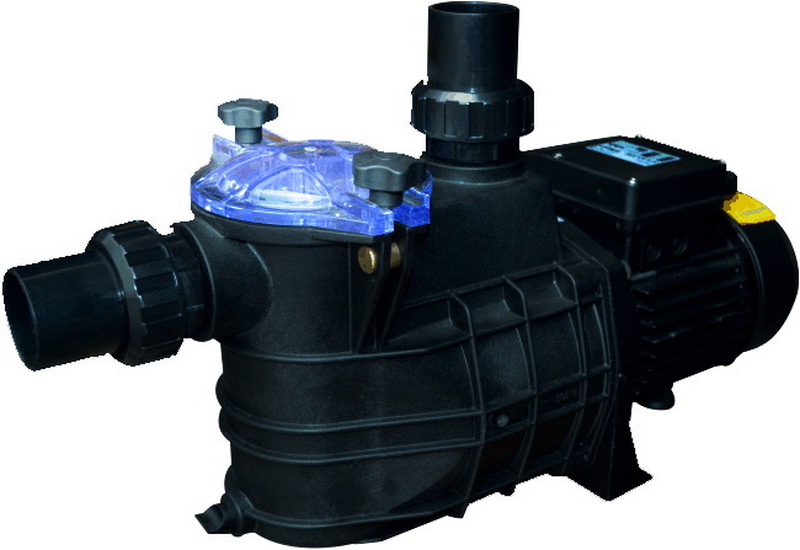
Pool pump installations often include a bonding wire and sometimes external control cables or sensors attached to the motor frame. These must be detached before the Pool pump motor can be moved.
Loosen and remove the bonding lug wire that connects to the metal frame of the Pool pump motor, and gently move it aside so it does not snag during removal. Unclip or disconnect any auxiliary control leads, such as automation data cables on advanced Pool pump motors, so the motor can slide free.
Next, you must separate the wet end housing from the rear portion that includes the motor and seal plate. Depending on the model, the Pool pump may use a clamp band, several bolts around the perimeter, or through‑bolts that run from the motor to the front of the housing.
For clamp‑style Pool pumps, loosen and remove the band that surrounds the joint between the housing and the seal plate, then gently pry the sections apart with even pressure. For bolt‑style Pool pumps, remove the series of bolts or nuts around the flange, keeping them in a safe container so they are not lost during the motor removal.
Work slowly around the Pool pump, using even pressure so you do not crack the plastic housing or distort the seal plate. If the housing is stuck, tap lightly around the joint with a rubber mallet instead of prying aggressively with metal tools.
With the fasteners removed, you can now pull the motor, seal plate, diffuser, and impeller assembly away from the stationary housing and plumbing of the Pool pump. This is the key moment where careful handling avoids damage to internal parts.
Grasp the rear of the Pool pump motor firmly and pull straight back, wiggling slightly if needed to break the seal, until the entire motor and attached wet end components slide out as one piece. Place the removed Pool pump motor assembly on a stable workbench or pad, with the impeller and diffuser facing upward so they are easy to inspect and remove if required.
Inspect the interior of the Pool pump housing still connected to the plumbing for cracks, warping, or heavy scale that might justify additional repairs. Clean out any debris or sand from the housing so that when the motor is reinstalled, the Pool pump can seal properly again.
Often the goal is not just to remove the motor from the Pool pump housing, but to completely detach the motor from the diffuser and impeller assembly. This allows full replacement of the Pool pump motor or service of the shaft seal and impeller.
Lift off the diffuser from the seal plate; it usually snaps or screws into place and exposes the impeller and shaft of the Pool pump motor. Inspect for obvious cracks, wear, or debris on the impeller; if the next step is complete motor replacement, plan to remove the impeller from the motor shaft before installing the new Pool pump motor.
Check any O‑rings on the diffuser and seal plate for flattening, cracking, or chemical damage, and replace them as needed. Taking care of these parts while the Pool pump motor is already out will help ensure strong suction and proper prime when the system is put back into service.
If your goal is to remove the motor completely from the Pool pump system for replacement, unplugging the motor from the wet end is the final mechanical step. This process varies slightly depending on whether the Pool pump uses a separate seal plate and motor plate.
Hold the rear motor shaft with the correct size wrench and unthread the impeller from the shaft, noting that some Pool pump designs use a reverse‑thread impeller screw that must be removed first. Remove the seal plate or motor mounting plate bolts, slide the plate off the motor, and set aside any reusable hardware and collars so they can be installed on the replacement Pool pump motor.
At this stage the motor is completely free from the wet end assembly and can be carried to a workshop or replaced with a new unit. Keep all removed parts from the Pool pump organized in a tray or labeled bags so reassembly later is simple and error‑free.
Once the motor has been removed from the Pool pump, take the opportunity to clean and inspect every component. Even if the focus is on the motor, a quick inspection can reveal hidden issues that reduce Pool pump performance.
Wipe down the seal plate, diffuser, and housing with a soft cloth to remove dirt, oils, and scale. Inspect the mechanical seal surfaces; if they show grooves, chips, or discoloration, install a new shaft seal kit before reinstalling the Pool pump motor.
Check the motor mounting surfaces and feet for rust or damage that could cause misalignment on the equipment pad. A properly aligned Pool pump motor runs more quietly and helps seals and bearings last longer.
After the motor has been removed, serviced, or replaced and then reinstalled on the Pool pump, proper priming and testing are essential. This step ensures that the new or refurbished Pool pump motor is protected from dry‑running and overheating.
Reattach the motor and seal plate assembly to the Pool pump housing, reconnect wiring and bonding, and make sure all clamps, unions, and bolts are properly tightened. Fill the Pool pump strainer basket with water, secure the lid with a clean lubricated O‑ring, and open valves to allow water to flow from the pool.
Turn the breaker on and start the Pool pump while monitoring the basket and return lines for strong, steady flow. Watch the system for several minutes to confirm that the Pool pump maintains prime, that there are no leaks, and that the motor sounds smooth without grinding or humming.
Professionals follow some simple habits that make removing a motor from a Pool pump faster and more reliable. These tips also help prevent leaks or mis‑wiring when the new Pool pump motor is installed later.
If bolts or nuts are corroded, apply penetrating oil and allow it to soak before forcing them, to avoid cracking the Pool pump housing. Labeling both sides of unions and valves can also prevent plumbing mistakes when reconnecting the Pool pump system.
Not every Pool pump motor project is suitable for DIY, even with detailed instructions. In some cases, hiring a licensed technician prevents damage to expensive Pool pump equipment and keeps the installation compliant with local wiring codes.
If wiring is complex, if the Pool pump is part of an integrated automation system, or if there is visible damage or corrosion to electrical components, professional service is recommended. Unusual voltage configurations, shared circuits, or uncertainty about bonding and grounding of the Pool pump are also signs that an electrician or pool professional should handle the motor removal.
If your Pool pump is still under equipment warranty, check the terms before opening the motor or wet end, because unauthorized work can sometimes void coverage. When in doubt, documenting the symptoms and contacting a professional may be the safest choice for your Pool pump investment.
Removing the motor from a Pool pump is a structured process: shut off and verify power, depressurize the system, disconnect wiring and bonding, open the wet end, and carefully slide the motor and seal plate assembly out of the Pool pump housing. With proper tools, good labeling practices, inspection of seals and O‑rings, and attention to safety around electricity and capacitors, many pool owners and technicians can remove a Pool pump motor confidently for repair or replacement while keeping the existing plumbing and filter system intact. Investing a little extra time in cleaning, seal replacement, and careful priming after reassembly helps the updated Pool pump run smoothly, quietly, and efficiently for many seasons.
Contact us to get more information!
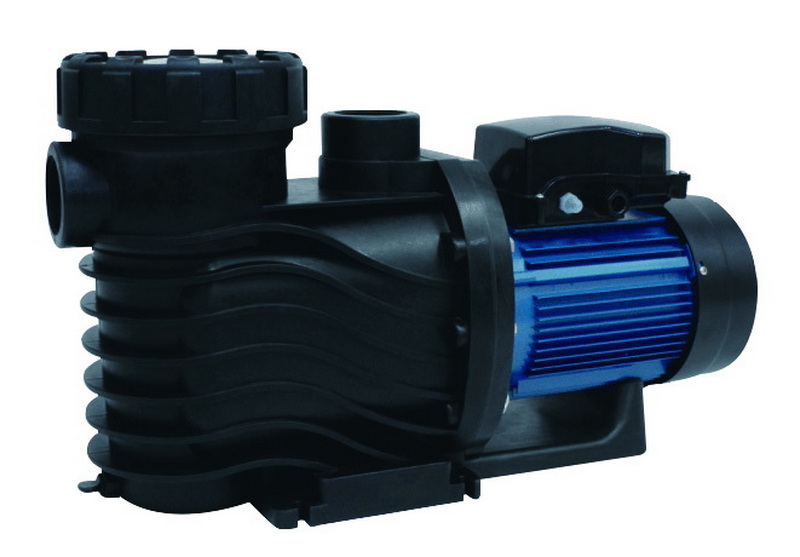
Loud grinding or screeching noises, the motor humming but not starting, repeated breaker trips, or visible leaks at the motor shaft all suggest that the motor of the Pool pump may need to be removed and serviced or replaced. Burnt smells, excessive heat, or visible rust and water damage on the Pool pump motor housing are additional signs that removal and inspection are necessary.
In most installations the plumbing remains untouched, because you only separate the motor and seal plate assembly from the front housing of the Pool pump, which stays glued into the piping. As long as the unions, bolts, or clamp around the Pool pump housing are accessible, the motor can usually be removed and replaced without cutting PVC lines.
Best practice is to replace the shaft seal whenever the motor is removed from the Pool pump, especially if the motor is being replaced or the impeller has been taken off. A new shaft seal helps prevent leaks where the motor shaft passes through the seal plate, which is one of the most common leak points in a Pool pump.
The only safe approach is to shut off power at the breaker feeding the Pool pump and verify that no voltage is present at the motor terminals. Timers and automation controls can still energize a Pool pump circuit if the breaker is on, so always treat the breaker as the main safety device and confirm power is actually off with a meter.
For a typical residential Pool pump, an experienced technician may remove the motor in 20–40 minutes, while a careful first‑time DIY owner should allow at least an hour. Extra time may be needed if bolts are corroded, access to the Pool pump pad is tight, or the impeller is difficult to unthread from the motor shaft.
1. https://lesliespool.com/blog/how-to-replace-a-pool-pump-motor.html
2. https://www.inyopools.com/HowToPage/how_to_replace_the_motor_on_your_pool_pump.aspx
3. https://www.poolmarttx.com/post/guide-to-replace-your-swimming-pool-pump-motor--a-step-by-step-guide
4. https://www.inyopools.com/HowToPage/how-to-short-out-a-pool-pump-capacitor.aspx
5. https://www.pstpoolsupplies.com/blogs/tutorials/how-to-replace-a-pool-pump-motor
6. https://www.kscapacitor.com/resources/6-signs-a-pool-pump-capacitor-is-bad-and-how-to-test.html
7. https://www.vitafilters.com/blogs/news/how-to-replace-a-pool-pump-motor


