
Views: 222 Author: Tina Publish Time: 2025-12-01 Origin: Site


Content Menu
● Safety first before removing the motor
● Tools and materials you will need
● Step-by-step: how to remove the motor from a pool pump
>> Step 1 – Shut off power and ensure safety
>> Step 2 – Relieve system pressure and drain the pump
>> Step 3 – Disconnect electrical wiring at the motor
>> Step 4 – Separate the motor from the pump housing
>> Step 5 – Remove the impeller (if needed)
>> Step 6 – Remove the seal plate and inspect components
● Tips for different pump brands and configurations
● Why high-quality filtration and pumps matter
● OEM pool pump and filtration solutions
● FAQs about removing a motor from a pool pump
>> 1. How long does it take to remove a pool pump motor?
>> 2. Do I need to drain the whole pool to remove the motor?
>> 3. Can I remove the motor without disconnecting the wiring?
>> 4. Should I replace the mechanical seal when I remove the motor?
>> 5. How do I know which replacement motor to buy?
>> 6. What if the bolts or clamp are stuck?
How to remove a motor from a pool pump safely depends on cutting the power, protecting the wiring, and then separating the motor from the pump housing without damaging the impeller or seals. With basic tools and careful labeling, most pool owners can handle this task, but any uncertainty around electricity should be handled by a licensed electrician or pool professional.[1][2][3][4]
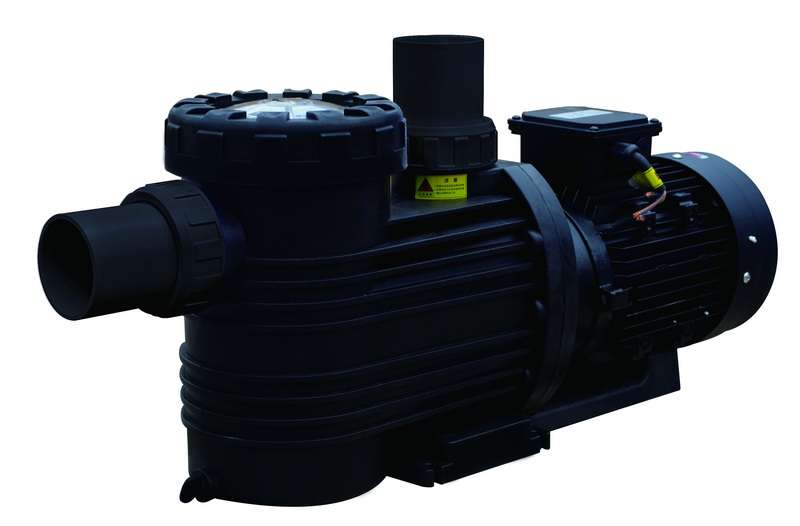
Before touching the pool pump motor, always disconnect power at the circuit breaker or unplug the pump to eliminate shock risk. Verify the pump will not start unexpectedly by attempting to turn it on after flipping the breaker off, and place a “Do Not Turn On” note on the breaker if others may have access.[3][2]
Water and electricity are a dangerous combination, so never work on a wet motor while the line is live or during a storm. Wear insulated gloves, non‑slip shoes, and eye protection to prevent accidents while loosening tight fasteners and handling heavy components.[4][1][3]
- Recommended PPE:
- Insulated work gloves.
- Safety glasses.
- Non‑slip shoes.
- Hearing protection if using power tools.
Having the correct tools ready makes pool pump motor removal smoother and prevents damage to parts like the housing, impeller, and seal plate. Most residential pool pumps (including major brands such as Hayward and Pentair) use standard hand tools and simple clamps or bolts.[2][4]
- Common tools:
- Screwdrivers (flathead and Phillips).
- Socket set and wrenches (often 7/16", 9/16", 1/4", or 5/16", depending on model).[4][2]
- Adjustable wrench or pliers.
- Strap wrench or large pliers for impeller removal (if needed).[2][4]
- Nut driver for small motor fasteners.[4]
- Marker and masking tape for labeling wires.[3][2]
- Camera or smartphone for reference photos.
- Helpful extras:
- Replacement mechanical seal kit and O‑rings if you plan to rebuild or replace the motor.[2][4]
- Teflon tape for re‑sealing unions.
- Shop towels or rags.
- Small container to keep bolts and screws organized.
This section explains a general process that fits most common in‑ground and above‑ground pool pumps with a separate motor and pump housing. Always adapt details to the specific brand and model and consult its manual for torque and wiring details.[3][4][2]
1. Turn off the pool pump at the timer or control panel.
2. Switch off the dedicated pool pump breaker in your electrical panel.[3][2]
3. Try to start the pump at the control panel; it should not respond if power is off.[2]
4. Place a label or tape on the breaker to warn others not to turn it back on.[3]
Check the work area around the pump pad and make sure it is dry and clear of puddles before proceeding. If you are unsure about any electrical step, plan to have a qualified electrician disconnect and reconnect the wiring while you handle the mechanical parts.[4][2][3]
Turn the multiport valve on the filter to the “OFF” position or ensure valves are closed so water is not under pressure. Then open the air relief valve on top of the filter to release pressure from the system.[3]
Remove the pump strainer lid and basket, then open the drain plugs on the pump housing to let water drain out, which reduces mess and weight when you remove the motor. Allow all water to empty before continuing, especially in cold weather where residual water could freeze if the system is left open.[3]
Access to the motor wires is usually at the back of the motor under a small cover plate. Remove this cover with a screwdriver or nut driver and gently bend it aside to reveal the terminal board and ground connection.[4][3]
Use masking tape and a marker to label each wire (hot, neutral, and ground or L1, L2, etc.) before loosening them. Loosen the terminal screws and remove the wires, then remove the green ground wire from its screw. Finally, loosen the conduit connector nut on the outside of the motor and gently pull the conduit and wires clear of the motor body.[2][4][3]
Most pool pumps use either:
- A clamp band that wraps around the volute; or
- A set of bolts (often 4–6) holding the motor and seal plate to the pump housing.[4][2][3]
For clamp‑style pumps, loosen and remove the clamp band and gently pry the housing halves apart with a flathead screwdriver, being careful not to damage the O‑ring. For bolted pumps, use the appropriate socket or wrench to remove all housing bolts evenly. Once released, grip the motor body firmly and pull it straight back away from the pump housing; the motor will come out together with the seal plate and impeller assembly.[2][4][3]
If the goal is to completely replace the motor or rebuild the wet end, you may need to remove the impeller from the motor shaft. Many designs require holding the motor shaft at the rear with a wrench while you twist the impeller off by hand or with a strap wrench.[4][2]
Some impellers have a small locking screw in the center that must be removed first, often with reverse (left‑hand) threads. Carefully secure the shaft and spin the impeller counter‑clockwise until it comes free, avoiding excessive force that could crack the plastic.[2][4]
With the impeller removed, you can unbolt the seal plate from the motor, usually by removing four bolts around the plate. Once separated, inspect the mechanical seal surfaces and O‑rings, which are common sources of leaks and should often be replaced when a motor is removed.[4][2]
Wipe down the seal plate, impeller, and housing interior with a clean cloth, checking for cracks, scale buildup, or signs of overheating. Replacing worn seals and O‑rings at this stage improves efficiency and helps the new or serviced motor run leak‑free.[2][4]
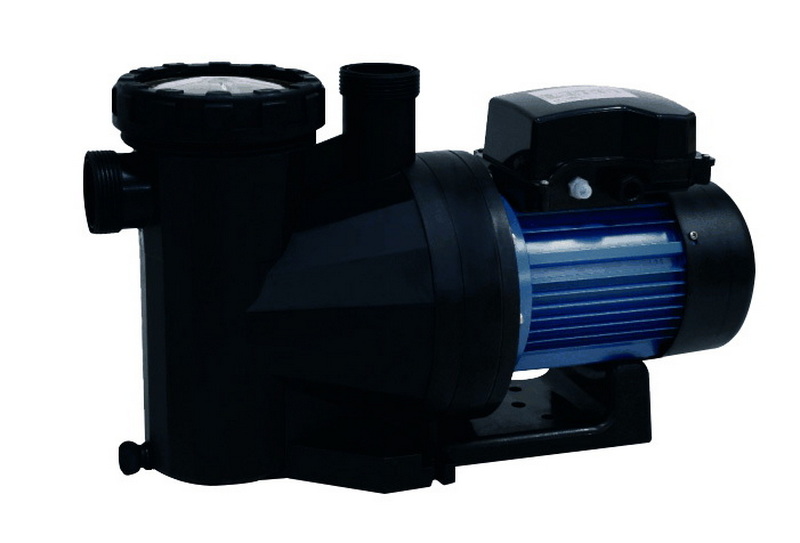
Although the basic steps are similar, clamp locations, bolt sizes, and wiring access differ slightly among brands like Hayward, Pentair, and others. Some models use internal clips or special brackets that must be removed before pulling the motor free.[5][4][2]
Above‑ground pumps may be easier to move and access, while in‑ground pump installations can be tight and may require more careful disconnection of plumbing unions or valves. Whenever possible, consult the pump's exploded diagram or parts schematic for your exact model before starting.[5][3][4]
Removing a pool pump motor is largely mechanical work, but working around mains voltage and wet equipment can be dangerous. If your pump is hard‑wired with rigid conduit or in a cramped, wet location, a licensed electrician can safely handle the disconnect and reconnect.[3][4][2]
You should consider professional help if:
- You are not comfortable working with electrical wiring.
- The motor is rusted, seized, or severely corroded.
- The plumbing layout makes access extremely difficult.
- You suspect other issues such as short circuits or control system faults.[1][3]
The motor and pump assembly is the heart of the pool circulation system, driving water through sand filters, DE filters, or cartridge filters to keep water clear. A high‑quality motor paired with an efficient filter reduces energy use, improves water clarity, and extends the life of the pool equipment.[7][1][2]
For OEM buyers, matching the right motor and wet‑end design to your preferred filter technology (such as sand filters or cartridge filters) allows you to deliver complete, reliable filtration systems to end customers. Durable housings, corrosion‑resistant materials, and intelligent molding and machining contribute directly to lower warranty rates and better brand reputation in export markets.[7][1]
A professional factory equipped with intelligent machines can manufacture high‑performance sand filters, DE filters, cartridge filters, pool pumps, and accessories tailored to international OEM partners. Stable molding, precision machining, and strict testing are key for supplying brand owners, wholesalers, and manufacturers who demand consistent quality and long service life.[1][7]
By offering customized labels, housing colors, connection sizes, and packaging, an OEM supplier helps overseas partners build a unique product line while retaining proven internal components and motor structures. Integrated solutions that combine filters, pumps, LED lights, and smart controls simplify purchasing and logistics for professional pool brands.[7]
Removing the motor from a pool pump involves structured steps: cutting power, relieving pressure, disconnecting wiring, separating the motor and housing, and inspecting or replacing the impeller and seals. With careful labeling, the right tools, and attention to safety, many pool owners and technicians can complete this job efficiently while preparing the system for a new motor or full filtration upgrade.[1][3][4][2]
For overseas pool brands, wholesalers, and manufacturers seeking reliable OEM partners, a specialized Chinese factory producing premium sand filters, DE filters, cartridge filters, pumps, LED lights, and accessories can provide complete filtration solutions that integrate smoothly with your preferred motor and control systems. Working with such a supplier allows you to focus on branding and market development while offering end users durable, high‑performance circulation equipment designed for easy maintenance and motor replacement.[7][1]
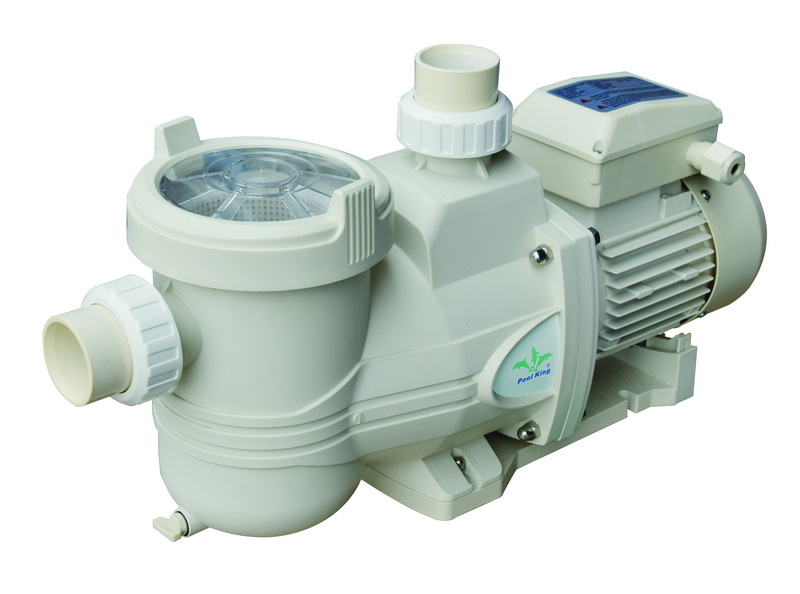
For an experienced DIYer with the right tools, removing a pool pump motor often takes about 30–60 minutes, assuming bolts and fittings are not heavily corroded. First‑timers should allow extra time to label wires, take photos, and carefully separate the housing and impeller without damage.[1][3][4][2]
You do not need to drain the entire pool; you only need to relieve system pressure and drain the pump and nearby plumbing using the pump drain plugs and filter air relief. As long as valves and the multiport are in the correct position, the pool water can stay in place while you remove the motor.[3]
It is not safe to pull the motor away from the pump housing while it is still wired into live or potentially live circuits. Proper removal includes shutting off power, opening the rear cover, labeling and disconnecting all wires, and freeing the conduit before separating the motor from the housing.[2][3]
In most cases, it is recommended to replace the mechanical shaft seal whenever the motor is removed or replaced, because old seals can leak after being disturbed. Seal kits are relatively inexpensive and greatly reduce the risk of water leaking onto the new or serviced motor.[4][2]
You should match horsepower, voltage, frame type, and service factor to the original motor's nameplate and the pump's wet‑end design. Many suppliers provide charts and tools for selecting the correct replacement motor based on your existing pump model number.[5][2]
If bolts or clamp bands are rusted, apply penetrating oil and allow time before attempting removal, and use appropriately sized tools to avoid rounding heads. In severe cases of corrosion, a professional technician may need to cut and replace the fasteners or even the pump housing.[1][4]
[1](https://poolie.com/blog/repair/pool-pump-motor-repair/)
[2](https://lesliespool.com/blog/how-to-replace-a-pool-pump-motor.html)
[3](https://intheswim.com/blog/removing-a-pool-pump-for-winter-storage.html)
[4](https://intheswim.com/blog/replacing-a-hayward-pump-motor.html)
[5](https://www.inyopools.com/HowToPage/how_to_choose_the_right_replacement_pool_pump_motor.aspx?CommentPage=1)
[6](https://www.youtube.com/watch?v=JifZC6tmFWA)
[7](https://www.vitafilters.com/blogs/news/top-5-pool-pumps-by-pentair-and-hayward-performance-and-efficiency-compared)
[8](https://www.youtube.com/watch?v=J7BVkIp4l_Q)
[9](https://www.youtube.com/watch?v=1fL3wYkUsOE)
[10](https://www.inyopools.com/HowToPage/how_to_replace_the_motor_on_your_pool_pump.aspx?CommentPage=1)
[11](https://www.youtube.com/watch?v=N3Vs9mpzFlY)
[12](https://smart.dhgate.com/step-by-step-guide-to-safely-removing-a-pool-pump-from-its-motor-for-maintenance/)
[13](https://www.facebook.com/groups/637529959937311/posts/2604008596622761/)
[14](https://www.facebook.com/groups/637529959937311/posts/1531716790518619/)
[15](https://www.reddit.com/r/pools/comments/17e0vhf/replacing_pool_pump_motor/)
[16](https://www.reddit.com/r/swimmingpools/comments/9uq5ba/is_replacing_a_pool_motor_easy_or_should_i_get/)
[17](https://www.pentair.com/en-us/products/residential/pool-spa-equipment/pool-pumps.html)
[18](https://www.garagejournal.com/forum/threads/pentair-pool-pump-replacement.391449/)
[19](https://www.martinispa.com/AST125-Pool-Pump-Motor-1-25HP-Replacement-For-Hayward-Pentair/503331)


