
Views: 222 Author: Tina Publish Time: 2025-09-12 Origin: Site


Content Menu
● Common Causes of Stuck Pool Ladders
● Essential Tools and Materials
● Step-by-Step Removal Process
>> Lubrication and Penetrating Oil Application
>> Using Heat to Loosen Metal Parts
>> Specialized Methods for Different Ladder Types
>> When to Seek Professional Assistance
● Preventive Maintenance Strategies for Pool Ladders
>> 1. What causes a pool ladder to get stuck?
>> 2. Can penetrating oil be used underwater?
>> 3. Is it safe to use a propane torch on pool ladders?
>> 4. How often should pool ladders be maintained?
>> 5. When should I call a professional to remove a stuck ladder?
Pool ladders provide convenient and safe access for swimmers entering or exiting pools. Over time, however, the harsh environment—constant water exposure, chlorine, salt, and weather elements—can cause parts of the ladder to corrode, rust, or seize in place. This makes removal difficult especially during repairs, replacements, or seasonal pool closing. This guide aims to equip pool owners with the knowledge and confidence needed to tackle a stuck ladder safely and efficiently.
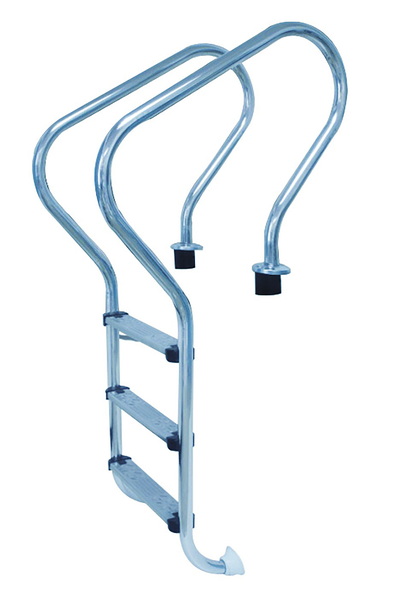
Understanding why your pool ladder is stuck helps you approach removal strategically:
- Rust and Corrosion: Most metal ladders, especially those with mild steel components, start rusting when protective coatings wear off. Saltwater pools are particularly aggressive due to electrical conductivity accelerating corrosion.
- Mineral Deposits: Hard water introduces minerals like lime and calcium that accumulate around bolts, joints, and fittings. These deposits calcify over time, locking ladder parts tightly.
- Worn or Incompatible Fasteners: Bolts and screws may seize if incompatible metals are mixed (causing galvanic corrosion) or if fasteners are old and damaged.
- Improper Installation or Maintenance: Ladders installed without applying anti-seize compounds or regularly maintained can become stuck faster.
Before proceeding with the removal process, assemble the following:
- Penetrating oil (WD-40, PB Blaster, or marine-grade lubricant)
- Adjustable wrench or socket wrench set
- Flathead and Phillips screwdrivers
- Rubber mallet or hammer
- Heat gun or propane torch (for metal ladders)
- Protective gloves, goggles, and long sleeve clothing
- Safety rope or straps to stabilize ladder during removal
- Wire brush or sandpaper for cleaning rust
- Bucket or hose for water cooling heated parts
- Plastic scraper or putty knife (for mineral deposits)
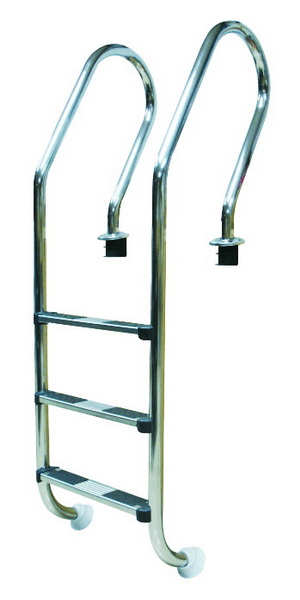
Before starting, prioritize safety to protect yourself and your pool:
- Wear gloves and eye protection.
- Keep flammable liquids or materials far away when applying heat.
- Work in a shaded, well-ventilated area to avoid inhaling fumes from lubricants or heated metals.
- If the ladder is bulky or awkward, have an assistant help to stabilize it while working.
A careful inspection lets you identify problem spots and prepare effectively:
- Check all fasteners (bolts, screws) above and below water.
- Examine ladder joints and legs for visible rust or mineral encrustations.
- Note if any parts are cracked or weakened, which may require extra caution during removal.
- Look for safety covers or plates that may conceal bolts.
Applying lubricant is critical for loosening seized parts:
- Spray penetrating oil on all fasteners and joints.
- Let it soak at least 30 minutes; reapply if needed.
- For underwater components, use lubricants designed for wet environments or apply when parts emerge partially from water.
- Tap lightly on bolts with a mallet after spraying to help oil penetrate rust.
Once lubrication has softened rust and deposits:
- Use the appropriate wrench or screwdriver to turn fasteners gently.
- Begin loosening bolts on the top side of the ladder first.
- If a bolt resists, try rocking it back and forth progressively.
- Avoid excessive force to prevent stripping bolt heads or snapping fasteners.
- After loosening bolts, attempt to carefully lift and wiggle the ladder out of its fittings.
- Rock the ladder side to side slowly to break free any remaining bond.
- Use straps to secure the ladder if it feels unstable during removal.
- Never yank or pull abruptly as this can damage pool coping, tiles, or ladder components.
If corrosion is severe and bolts remain stuck:
- Use a heat gun or propane torch to warm bolts or collar areas gradually.
- Heating causes metal expansion, which helps break corrosion bonds.
- Heat each stuck part evenly for 2–3 minutes while avoiding overheating plastic parts.
- After heating, cool the area with water or cloth and immediately try loosening fasteners.
- Use this method cautiously and with safety equipment.
- Stainless Steel Ladders: Less prone to rust but mineral buildup may still cause sticking. Focus on mineral dissolvers and mechanical loosening.
- Plastic or PVC Components: Avoid heat; use more lubricant and gentle manual manipulation.
- Pin and Lock Systems: Look for hidden release pins or clips; these may require pushing, pressing, or sliding instead of unscrewing.
- Foldable or Hinged Ladders: Ensure all hinges are free-moving before attempting removal.
If all DIY attempts fail or if you detect structural damage:
- Consult pool maintenance professionals.
- Trying to force removal may crack pool tiles, damage concrete coping, or break ladders.
- Professionals have specialized tools such as impact drivers, extraction tools, and corrosion removal chemicals safer for your pool.
Reducing the chance your ladder gets stuck again starts with these ongoing maintenance tips:
- Rinse ladders regularly with fresh water to wash off chemicals and minerals.
- Apply anti-corrosion sprays or grease to moving parts once every 3–6 months.
- Inspect bolts and fittings seasonally; replace rusty or damaged fasteners promptly.
- Consider upgrading to stainless steel or plastic ladders designed for your pool type.
- If you use saltwater pools, invest in sacrificial anodes or protective coatings to slow corrosion.
Removing a stuck pool ladder may seem daunting but with the right preparation and approach, it is a manageable maintenance task that helps extend your ladder's lifespan and ensures pool safety. By performing a thorough inspection, applying penetrating oils, loosening fasteners carefully, and using heat when needed, most ladders can be safely and effectively removed. Taking care of your pool ladder through routine cleaning and preventive maintenance is the best way to avoid future sticking issues. Always prioritize safety and be ready to call professional assistance if the ladder remains stubborn or the job becomes risky.
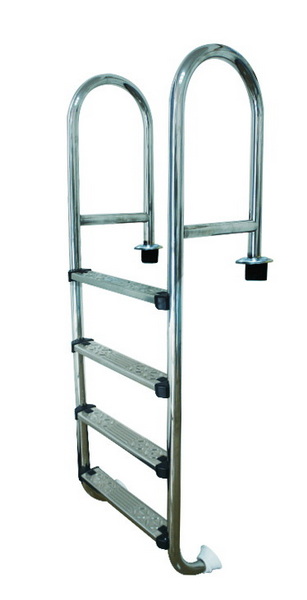
Pool ladders commonly get stuck due to rust, corrosion, and the accumulation of mineral deposits around the bolts, joints, and fittings.
Some penetrating oils are designed to work in wet environments or can be applied when parts are partially above water. However, effectiveness underwater is limited.
Using a propane torch is safe if precautions are taken—avoid applying heat near plastic components and keep flammable materials at a safe distance.
Routine inspection and lubrication should be done every 3 to 6 months, depending on pool type and environmental factors.
If the ladder does not loosen after lubrication, careful prying, and heat application or if you notice damage to pool surfaces, it's time to call professionals to avoid costly repairs.


