


Content Menu
● Materials and Tools Checklist
>> Tools Needed
>> Flex PVC vs Rigid PVC Pipes
>> Fittings, Connectors, and Valves
>> Main Drains: Installation and Connection
>> Return Lines and Flow Balance
>> Equipment Pad: The Heart of Your System
>> Specialty Features: Heaters, Lighting, Water Features & Advanced Filtration
● Assembly and Sealing: Best Practices
>> Cutting, Deburring, and Dry-Fitting
>> Priming, Gluing, and Threaded Connections
>> Winterization and Seasonal Care
>> Troubleshooting Common Issues
>> Q1: Can I use black poly pipe instead of PVC for pool plumbing?
>> Q2: How deep should I bury pool plumbing pipes?
>> Q3: Must I use primer before gluing PVC pipes?
>> Q4: How do I balance water flow between return jets?
>> Q5: What's the best way to connect pipes to the equipment pad?
Plumbing pool fittings forms the backbone of a well-functioning swimming pool system. Whether you're constructing a brand-new pool, retrofitting your existing setup, or simply repairing a section of piping, mastering pool plumbing ensures clear water, efficient circulation, and minimal maintenance. As professional manufacturers specializing in high-performance filtration systems and OEM services for global partners, we have distilled our expertise into this extensive guide. You'll learn everything you need to know to plumb pool fittings like an expert—featuring step-by-step instructions, pro tips, abundant diagrams, and curated video tutorials.
Properly plumbed pool fittings ensure optimal water quality, strong circulation, safety, and lasting durability. Skimping on design, materials, or workmanship invites leaks, frustration, and mounting repair bills. This guide empowers DIYers, contractors, and property managers to tackle any pool plumbing task with confidence and precision.
Every successful pool project begins with a detailed plumbing plan—a schematic that outlines the routing for all pipes, drains, skimmers, return jets, and equipment connections. Solid planning allows you to:
- Optimize flow dynamics and minimize pressure loss.
- Plan for future upgrades (like heaters or salt chlorinators).
- Accurately estimate parts and materials.
- Reduce installation errors and rework.
- Draw your pool outline: Mark the locations of drains, skimmers, jets, water features, and equipment pad.
- Route pipe runs: Use as few bends as possible for maximum flow.
- Design for safety: Ensure main drains are at least 3ft apart (anti-vortex and dual-drain compliant) and locate skimmers to maximize surface cleaning.
- Account for slope: Where needed, add gentle slopes so water drains away from low points if the system is opened for winterization.
- 1.5" or 2" Schedule 40 Flex or Rigid PVC Pipes
- PVC cement and primer
- Teflon/PTFE tape & silicone sealant
- PVC 90° and 45° elbows, tees, couplings, unions, male/female adapters
- 2-way and 3-way diverter valves (Jandy or equivalent)
- Ball valves (for isolation)
- Unions for every equipment connection
- Measuring tape & permanent marker
- Hacksaw or pipe cutter
- Sandpaper/emery cloth
- Channel-lock pliers & adjustable wrench
- PVC pipe deburring tool
- Pipe supports and clamps
Understanding different pipes and fittings is crucial for leak-proof, long-lasting plumbing.
| Flexible PVC | Rigid PVC | |
|---|---|---|
| Installation Ease | Bends easily around corners | Needs elbows for turns |
| Above/Below ground | Best for underground runs | Preferred for above-ground |
| Durability | Resists soil shifting, some UV risk | Highest strength, UV stable |
| Repairs | Easier to splice | Must cut and add couplings |
- Elbows (90°/45°): Change pipe direction
- Tees and wyes: Join or split water flow
- Unions: Allow for easy disassembly of filters/pumps
- Ball & diverter valves: Control water to features or on/off flow
- Adapters: Connect various pipe and thread types
- Check valves: Prevent backflow (essential for spas, fountains)
Begin by laying out pipes around the pool perimeter, matching your diagram and minimizing sharp bends. Clearly mark cut points.
1. Position main drains at the deepest point with at least 3ft separation.
2. Install anti-vortex covers for safety compliance.
3. Join the drains: Install a T-fitting between both drains and run a single line from the tee to the equipment pad.
4. Secure and backfill: Use gravel or sand around drain pipes to minimize shifting and protect against collapse.
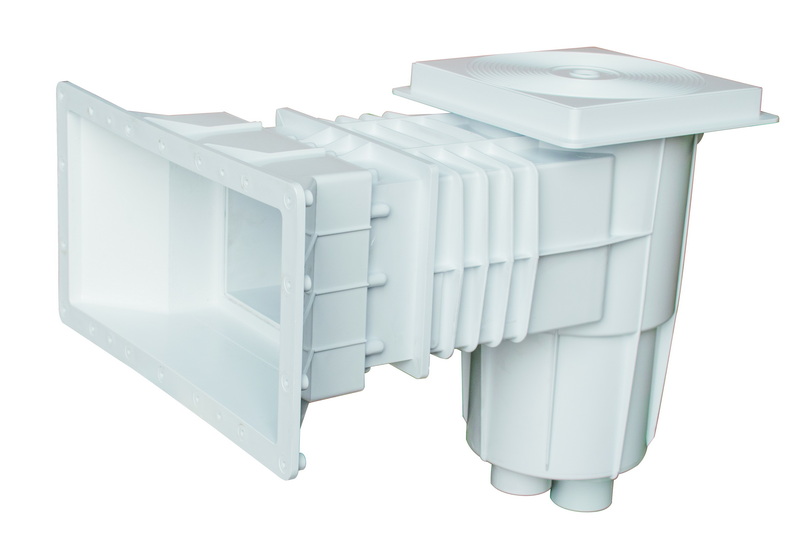
1. Install wall skimmers at the waterline.
2. Seal with silicone and secure fasteners.
3. Attach pipe to skimmer with threaded fitting, using PTFE tape and silicone sealant.
4. If multiple skimmers: Run each to a manifold or directly to the main suction line.
1. Install wall return fittings after structural and liner work is complete.
2. Run equal-length pipes from the equipment pad/return manifold to each wall jet.
3. For spas or features: Plumb these back separately and add dedicated valves.
4. Pressure-test each line before burial.
Tip: Equal pipe lengths to returns ensure balanced water return, preventing “dead spots” in circulation.
Arrange the pad for the neatest, most serviceable configuration:
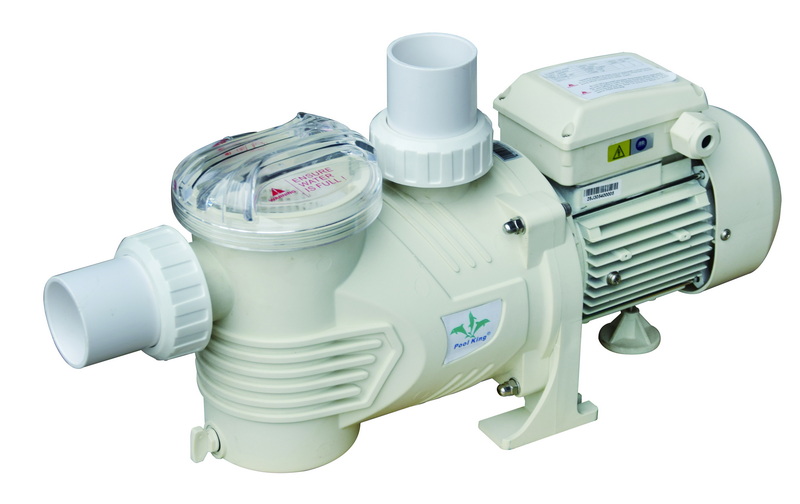
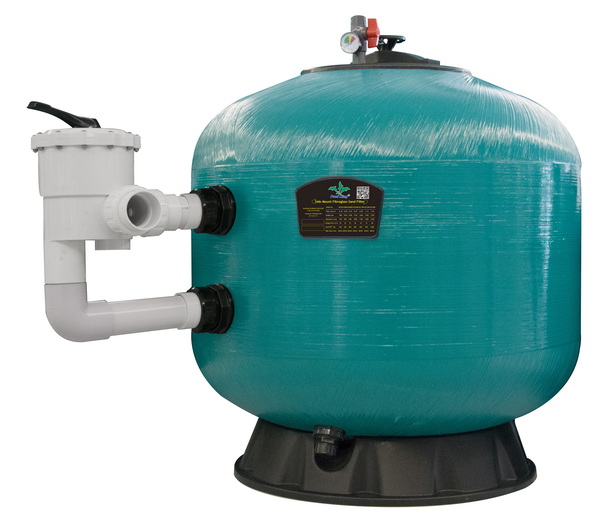
1. Piping sequence: Skimmer/main drain → pump → filter → heater/chlorinator (if any) → returns
2. Leave straight pipe (6” minimum) before/after each device
3. Use unions for every device for easy future removal
4. Label lines and valves for clarity
- Heaters: Install after the filter. Add unions and ball valves for isolation.
- Salt systems, chlorinators, or UV sterilizers: Always install after heating equipment and before returns.
- LED lighting: Use conduit and properly rated watertight fittings. Isolate control cables from water flow lines, and bond fixtures per code.
- Deck jets, waterfalls, spas: Run separate lines with individual valves for control. Use check valves to prevent backflow into features.
Tip: Label each feature valve for intuitive operation—this is especially important for rental properties or facilities with changing staff.
1. Use a fine-tooth saw or pipe cutter for a straight cut.
2. Deburr ends with sandpaper or a pipe deburring tool.
3. Dry-fit all segments before gluing to check alignment, fit, and length.
1. Prime both pipe and fitting ends—an essential step for a leak-free bond.
2. Apply PVC cement liberally to both primed surfaces.
3. Insert immediately, twist 1/4 turn, and hold 20–30 seconds.
4. Wipe excess to keep the installation neat.
For threaded fittings:
- Wrap with 3–4 turns of Teflon or PTFE tape
- Apply thin silicone for extra protection
- Tighten by hand, finish with pliers (don't overtighten)
1. Plug all lines at fixtures (returns, skimmers, drains).
2. Connect a pressure test device (pressure stick or Drain King) and pressurize to 35–40 psi.
3. Monitor for leaks using a pressure gauge for 15–30 minutes.
4. Repair any leaks by cutting out the segment and reinstalling with couplings.
- Annually check all visible pipes, joints, and equipment for weeping, drips, or salt deposits (white crust).
- With the system running, listen for air leaks at pumps or valves (often a gurgling sound).
- In freezing climates, blow out all lines with a shop vac or compressor before winter. Install threaded plugs or use special winterizing fittings.
- In spring, inspect for any freeze damage, particularly in bends and buried segments.
- Suction Loss: Check all unions and pump lid for air leaks.
- Return Weakness: Inspect for pipe blockages, partially closed valves, or undersized equipment.
- Visible Leaks: Mark the troublesome area, shut down the system, and plan for replacement using new fittings and high-quality cement.
Professional-level pool plumbing delivers years of reliable service and crisp, clean swimming conditions. Whether you're installing a new pool or upgrading an old system, detailed planning, high-quality materials, and methodical installation are your strongest tools. Leverage unions, proper sealing, and pressure testing for a leak-proof system, and don't forget routine seasonal checks for lasting peace of mind. When in doubt, consult a professional or manufacturer like us for OEM solutions tailored to your project's needs.
A: You can, but black poly is best reserved for temporary above-ground installations or short runs. PVC will outperform in durability and resistance to leaks for permanent fixtures.
A: Pipes should be buried at least 2ft (60cm) to protect from soil movement and freezing. In northern climates, go even deeper, below the frost line if possible.
A: Yes. Primer softens and cleans the PVC, allowing cement to fuse the materials for a tight, strong bond. Never skip this step.
A: Use equal-length pipes from your tee/manifold to each return jet. This keeps water pressure and jet force consistent at every outlet.
A: Always use unions at each piece of equipment. This enables hassle-free maintenance or equipment replacement without cutting pipes.


