
Views: 222 Author: Tina Publish Time: 2025-11-14 Origin: Site


Content Menu
● Why Ladder Stability Matters
● Types of Above Ground Pool Ladders
● Common Causes of Unstable Pool Ladders
● Step-by-Step Guide to Stabilizing Your Pool Ladder
>> Assemble and Level Properly
>> Anchor to Pool Wall or Deck
>> Check for Step and Rail Upgrades
● Routine Pool Ladder Maintenance
● Advanced Tips For Heavy Use Or Professional Setups
● FAQs
>> 1. What's the easiest way to stabilize a loose above ground pool ladder?
>> 2. Is it safe to use bricks or patio stones under the ladder legs?
>> 3. How do I anchor my pool ladder to a deck?
>> 4. Can pool steps replace a traditional ladder for added stability?
>> 5. What regular maintenance does a pool ladder require?
Above ground pool ladders can easily become wobbly or unstable, especially after frequent use or improper installation. Ladder instability not only poses a safety threat but can also hamper the overall swimming experience. This article will teach you how to make an above ground pool ladder more stable using a blend of practical tips, visual examples, and maintenance techniques.
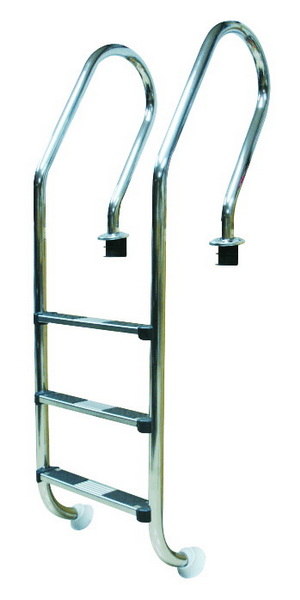
- Prevents slips, falls, and injuries during pool entry and exit[1][2]
- Reduces wear on pool liners and decking structures[1]
- Enhances user confidence, especially for children and older adults[3]
- Follows safety recommendations for responsible pool ownership[3]
- A-frame ladders: For deep pools, connects inside and outside
- Step ladders: Wide steps distribute weight more safely
- Deck-mounted ladders: Fixed to wooden or composite pool decks for extra sturdiness
- Improper assembly, loose bolts, or missing hardware[4][2]
- Uneven ground or soft soil under the ladder base[1]
- Lightweight (plastic) construction that shifts during use
- Lack of anchoring or stabilizing pads
- Always follow manufacturer assembly instructions
- Use a power drill to securely fasten all nuts and bolts[4]
- Use a long level to make sure the ladder sits flat on all points[5][4]
- Place a patio stone, thick board, or commercial ladder pad under each leg[6][1]
- For soft ground, dig and re-pack the area or use ground pavers to create a flat, stable surface[7]
- Install rubber anti-slip feet or adhesive grip pads under the ladder legs[1]
- Use pool-specific ladder mats to prevent movement and protect pool liners
- Fill built-in ladder ballast chambers with sand or water as per product instructions[8][9]
- Drape water-filled bags or sandbags over the lower ladder support bars (but do not block steps or create tripping hazards)[10]
- Use the provided brackets or buy aftermarket mounting kits[13][14]
- For deck setups, screw the ladder flanges into deck boards, making sure to use all mounting points and provided hardware[13]
- Attach straps or Velcro ties around the pool frame for extra security[1]
- Place pool noodles or rigid foam under the base for even weight distribution[2][4]
- Drive short rods or ground stakes into the earth alongside each leg for added anchoring[4]
- Consider wider step ladders or staircase-style pool steps for greater stability and ease of use[4]
- Install handrails on both sides and ensure they're securely fastened[3]
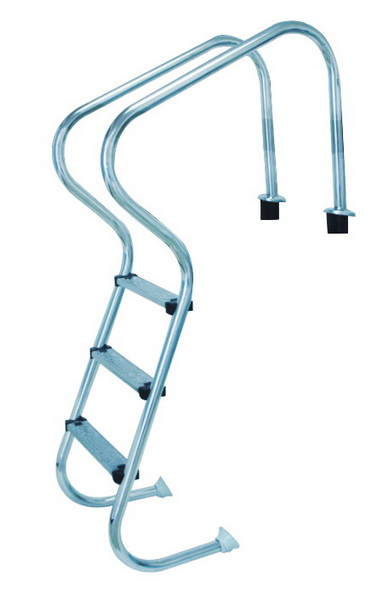
- Choose ladders with non-slip, wide steps and sturdy handrails[3]
- Routinely check and tighten all bolts, screws, and anchoring devices[2][1]
- Replace worn feet or pads and reapply sealant to metal joins as needed[2]
- Remove or lock ladders when pool is not in use to prevent unauthorized entry, especially for children[8][3]
- Weekly: Inspect hardware for rust and ensure all mounting points are tight[1]
- Monthly: Deep clean ladder legs, anchor sockets, and footings
- Annually: Replace worn feet, apply rust inhibitor, and touch up paint on any metal components
- End of Season: Remove the ladder, clean, and store dry indoors
- Consider deck-mounted professional-grade ladders with anchor sockets for pools with heavy or commercial use[1]
- Add custom railings or fencing for additional safety and support[16][17]
- Hire professionals to inspect the installation, especially if existing decking or concrete shows cracks or instability[1]
Ensuring the stability of your above ground pool ladder is critical for both safety and user experience. Through the right combination of proper assembly, solid anchoring, quality anti-slip products, and regular maintenance, you can transform even basic pool ladders into secure, durable structures.
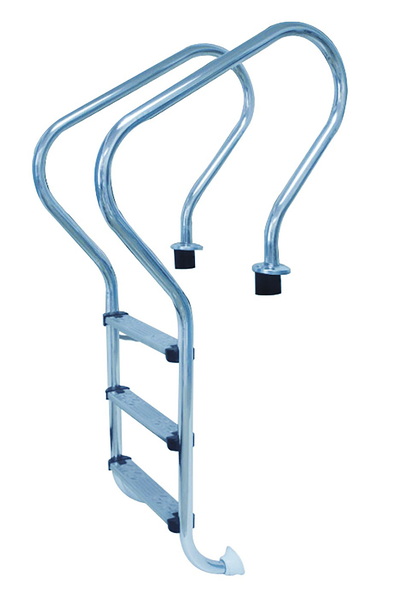
The quickest fix is to add foam pool noodles or rubber pads under the ladder legs for friction and stability. You can also use sandbags, but for best long-term results, check all hardware and mounting points for tightness.[2][4]
Yes, using non-slip patio stones or commercial ladder mats beneath the feet is a safe, effective method to prevent sinking and movement. Always ensure the pads are flat and snug against the ground.[6][1]
Use the provided deck flanges and mounting hardware that come with your ladder kit. Securely screw these through all designated anchor holes, tightening fully for best results.[13][5]
Yes, step units that mount directly to the pool wall distribute weight more safely than ladders. Look for reinforced steps with wide platforms and sturdy handrails.[4]
Check and re-tighten hardware weekly, inspect and replace worn feet, clean the ladder legs and anchors monthly, and apply rust inhibitors and paint touch-ups as needed.[2][1]
[1](https://www.poolkingfilter.com/how-to-staBilize-pool-ladder.html)
[2](https://blog.watsons.com/blog/make-above-ground-pool-ladder-stable)
[3](https://www.poolfencediy.com/blogs/blog/pool-ladder-safety)
[4](https://blog.watsons.com/blog/stabilize-above-ground-pool-ladder)
[5](https://www.youtube.com/watch?v=UOszx5_q0s4)
[6](https://www.facebook.com/groups/637529959937311/posts/2689799734710313/)
[7](https://www.youtube.com/watch?v=mvT1GMwOkK8)
[8](https://poolfence.com/pool-ladders-a-step-toward-safety/)
[9](https://www.facebook.com/groups/637529959937311/posts/2265440367146254/)
[10](https://www.facebook.com/groups/637529959937311/posts/2626171321073155/)
[11](https://www.youtube.com/watch?v=Nb82H39bU0g)
[12](https://www.youtube.com/watch?v=3KOgijvL2kg)
[13](https://poolpartstogo.com/blogs/pool-equipment/how-to-fit-a-ladder-to-your-above-ground-pool-the-right-way)
[14](https://www.thepoolfactory.com/products/13225)
[15](https://www.youtube.com/watch?v=YibqFL1TKIY)
[16](https://www.thepoolfactory.com/blogs/equipment/make-your-pool-safer-simple-steps)
[17](https://brightwaterpools.com/your-easy-8-step-guide-to-above-ground-pool-safety/)
[18](https://www.facebook.com/groups/637529959937311/posts/2574028969620724/)
[19](https://www.youtube.com/watch?v=ioYl-25dDXY)
[20](https://www.reddit.com/r/AboveGroundPools/comments/1dmbjtp/pool_ladder_for_fatties/)
[21](https://www.tiktok.com/@vanessa.k6/video/7241388845827132718)
[22](https://www.facebook.com/groups/949201185854730/posts/1913746026066903/)
[23](https://www.reddit.com/r/AboveGroundPools/comments/14gfmyo/pool_ladder/)
[24](https://www.doheny.com/vinyl-works-stabilizer-for-a-frame-ladder-white)
[25](https://www.reddit.com/r/needadvice/comments/o8ltv0/my_family_got_an_above_ground_pool_i_want_to_be/)
[26](https://www.youtube.com/watch?v=ok83KQTpJ4k)
[27](https://www.facebook.com/groups/637529959937311/posts/2642320976124856/)
[28](https://www.youtube.com/watch?v=JJkG7vsan1E)
[29](https://www.youtube.com/watch?v=qgTpeZTVIuA)
[30](https://www.facebook.com/groups/637529959937311/posts/2620668984956722/)
[31](https://www.youtube.com/watch?v=x-xSSDDMSu4)
[32](https://www.facebook.com/groups/637529959937311/posts/2663144890709131/)
[33](https://www.tiktok.com/@krazygirl.80/video/7248810623243455790?lang=en)
[34](https://www.youtube.com/watch?v=9XBhKfqKgxg)


