
Views: 222 Author: Tina Publish Time: 2025-11-21 Origin: Site


Content Menu
● Why Pool Pumps Freeze and Fail
>> 1. Temperature and Wind Factors
>> 2. Stagnant Water in Equipment
>> 3. Poor Equipment Placement
● Key Strategies to Keep Pool Pump from Freezing
>> 1. Maintain Continuous Water Flow
>> 2. Install a Freeze Protection System
>> 3. Drain and Winterize When Not in Use
>> 4. Insulate Pumps and Pipes
>> 5. Use a Pool Pump Cover or Housing
>> 6. Add an Auxiliary Heat Source
>> 7. Regular Maintenance and Off-Season Checks
>> 8. Smart Monitoring for Pool Systems
● How Professional Equipment Makes a Difference
>> Advanced Material Innovations
>> Intelligent Production and Testing
>> OEM Customization for Global Brands
● Step-by-Step Guide for Homeowners
>> Step 1: Evaluate Local Weather Risk
>> Step 2: Schedule Automated Operation
>> Step 3: Inspect and Clear Drain Ports
>> Step 4: Protect Ancillary Equipment
>> Step 5: Document Maintenance
● Preventive Design for Commercial Pools
● Frequently Asked Questions (FAQs)
>> 1. What temperature causes pool pumps to freeze?
>> 2. How long can a pool pump run in freezing weather?
>> 3. Can antifreeze be used in pool equipment?
>> 4. When should I drain the pool pump for winter?
>> 5. Are there pumps designed specifically for cold climates?
China-based manufacturers like TopFlow Water Systems, a premium producer of sand filter tanks, pool filters (sand, DE, and cartridge types), water pumps, LED pool lights, and accessories, design advanced solutions for overseas OEM brands and wholesalers concerned about seasonal performance. This article explores both practical and technical strategies to keep your pool pump safe from freezing — along with expert recommendations and equipment insights.
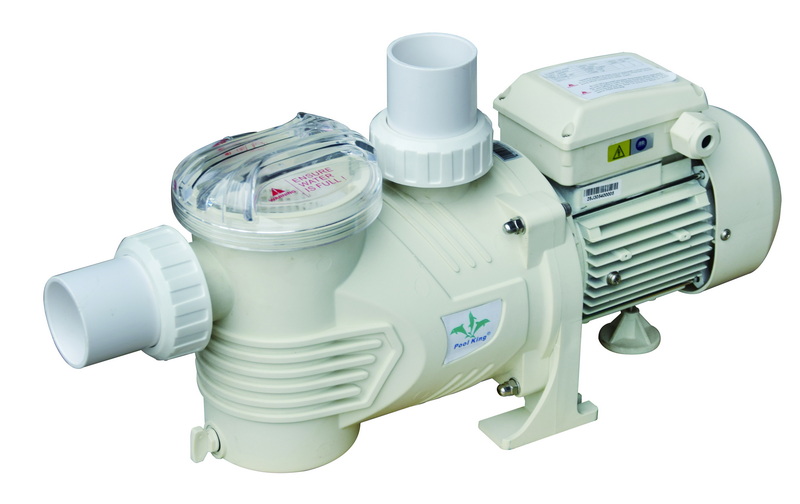
Before diving into solutions, it's important to know why freezing happens. Water expands when it solidifies, and this expansion can crack pump housings, filter bodies, or even piping elbows.
Even if air temperature hovers just below freezing, strong cold winds around an exposed pump pad can make conditions worse. Areas like the southern U.S. or coastal Europe may experience unexpected frost events that catch pool owners off-guard.
When a pump remains off for long periods, water trapped in hoses, unions, or the impeller chamber is prone to freeze. Failing to self-drain properly accelerates the risk.
Installing pumps or filters in unprotected outdoor areas leaves them vulnerable. Manufacturers recommend enclosure covers or insulated cabinets, especially for long winters.
Running your pool pump for short intervals overnight prevents water from settling in the lines. Even a slow-moving stream can stop ice formation.
- For mild climates: Run the pump for 2–4 hours during coldest times.
- For freezing climates: Keep it running continuously or use an automatic freeze sensor.
Modern pool automations include freeze protection sensors. When ambient temperature drops near 35°F (1.6°C), the controller automatically activates the pump.
This feature is standard in advanced controllers from brands like Hayward, Pentair, and Emaux—also compatible with OEM systems offered by leading Chinese factories.
If you don't plan to run your pool in winter, draining is essential.
Steps to drain effectively:
1. Switch off power supply.
2. Open pump and filter drain plugs.
3. Tilt the unit to release trapped water.
4. Blow out plumbing lines with a shop vacuum.
5. Store plugs and O-rings in a labeled bag.
Insulation sleeves, neoprene wraps, and foam tubes reduce temperature loss dramatically. Wrapping exposed elbows and fittings minimizes risk points.
A pump cover acts like a mini greenhouse, trapping ambient heat and protecting electrical parts from frost and wind.
When choosing a cover:
- Ensure ventilation to prevent condensation.
- Use insulated plastic or fiberglass housings.
- Avoid airtight wrapping — airflow keeps motors dry.
For extreme cold regions (below -10°C), a low-wattage heat lamp or pipe heating cable can prevent freezing. Automatic thermostat cables turn on only when temperatures drop.
Inspect your setup monthly during winter:
- Verify no blockages in suction side lines.
- Check GFCI breakers.
- Ensure cover integrity and gasket sealing.
New-generation pool automation allows remote monitoring through apps that send low-temperature alerts. Smart sensors and Wi-Fi controllers can trigger pumps automatically if cold danger arises.
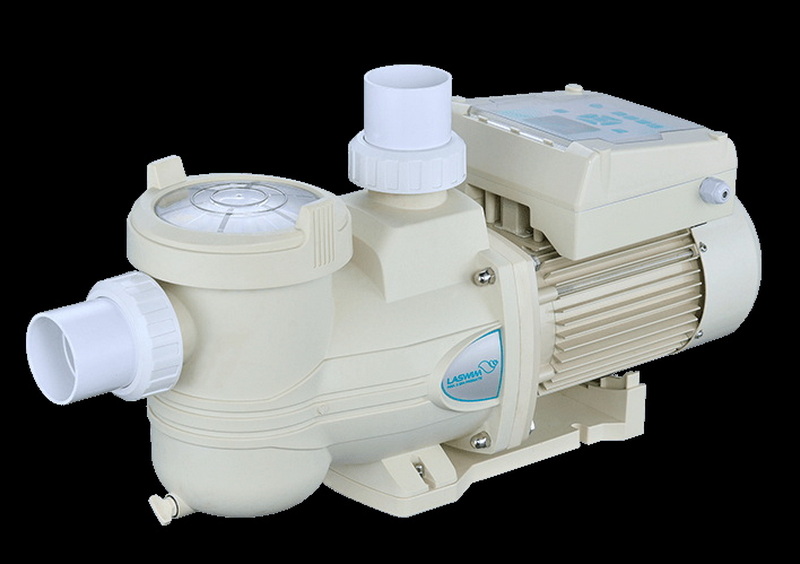
Choosing the right manufacturing partner directly affects pool durability during cold months. Companies like TopFlow Water Systems use smart injection molding and composite reinforced housings to ensure that pool pumps, sand filters, and cartridges can withstand freezing stresses without cracking.
- Glass fiber reinforced polypropylene for sand filters improves pressure resistance.
- Double-layer pump housings retain heat better in cold environments.
- Integrated drain valves simplify winterization.
Each product undergoes a -15°C freeze-thaw test before shipment to guarantee performance in temperate and northern markets. These rigorous QA processes make Chinese OEM products competitive in Europe and North America.
Foreign importers and distributors can request:
- Private-labeled pool filters.
- Custom packaging and manuals.
- Tailored freeze-resistant housings.
- Regional certification (CE, ETL).
This ensures that each pump or filtration system fits both market branding and climatic demands.
Identify historical minimum temperatures. If your region experiences below-freezing nights, plan accordingly.
Set timers or programmable controllers to activate pumps around 2 am–6 am — the coldest window.
Remove debris from drain plugs before freezing season begins. A clogged port traps water, making cracks more likely.
Don't forget related components:
- Filters (sand, DE, cartridge)
- Valves and unions
- Chlorinators and LED lights
Keep logs of operations, drainage, and inspection dates. This habit reduces warranty issues and unexpected failures.
Despite precautions, sometimes freezing still happens.
Common symptoms:
- Cracked pump housing or filter tank.
- Leaking unions after thawing.
- Unusual grinding noise when restarting.
- Air leaks from suction side after winter.
If these occur, do not turn on the pump immediately. Thaw the system completely, inspect for visible cracks, and consult a technician or parts supplier for replacements.
For hotels, resorts, and public pools operating year-round, additional steps apply:
- Install pumps in insulated underground chambers.
- Use dual pump redundancy in recirculation systems.
- Integrate automatic frost alarm systems.
- Schedule anti-freeze chemical dosing when halting operation.
This approach minimizes risk and maintains water quality even during shutdowns.
Knowing how to keep pool pump from freezing protects your investment, reduces maintenance costs, and extends equipment life. Combining physical insulation, smart automation, and proper drainage significantly lowers the risk of expensive winter damage.
Modern OEM manufacturers like TopFlow Water Systems continue innovating freeze-resistant materials and intelligent designs that enable global pool brands to supply safer, high-performance filtration systems worldwide.
Whether you are a homeowner securing your backyard pool or a supplier sourcing reliable components for export, these strategies make operations smooth even when temperatures drop below zero.
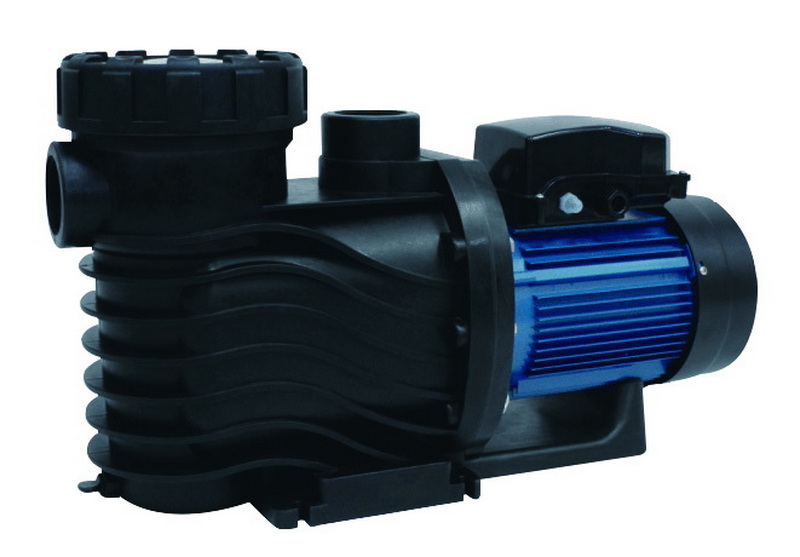
Typically, water starts freezing around 32°F (0°C), but equipment damage often begins when the air temperature stays below 28°F (-2°C) for several hours.
Pumps can safely run 24/7 during extreme conditions. Running continuously is often cheaper than repairing freeze damage.
Yes, but only non-toxic propylene glycol pool antifreeze — never use automotive types containing ethylene glycol.
Drain your pump if you plan to shut off the circulation system entirely for more than a few days in sub-freezing weather.
Yes. Several manufacturers, including Chinese OEMs, produce freeze-resistant pumps with reinforced plastics and temperature-tolerant seals for northern markets.


