
Views: 222 Author: Tina Publish Time: 2026-01-21 Origin: Site


Content Menu
● Understand your Intex Pool pump system
● Install the pool suction and return fittings
● Mount and orient the Pool pump and filter
● Connect hoses to the suction side
● Connect hoses from pump to filter (if separate)
● Connect hoses from filter back to pool
● Tighten clamps, washers, and O‑rings
● Fill the pool and check water level
● Electrical safety and first start‑up
● Check for leaks and performance
● Routine operation tips for your Pool pump
● When upgrading or using non‑Intex pools
● Troubleshooting common hookup problems
● Seasonal shutdown and restart tips
● FAQ About Intex Pool pump Hookup
>> (1) How tight should the hoses be on an Intex Pool pump?
>> (2) Which port on the pool wall connects to the Pool pump suction?
>> (3) Can an Intex Pool pump be used with a non‑Intex above‑ground pool?
>> (4) Why does my Pool pump lose prime after hookup?
>> (5) How often should I run my Intex Pool pump after hookup?
Intex above‑ground pools are designed for easy DIY installation, but the first hookup of a new Pool pump can still feel confusing because of multiple hoses, valves, and connections. This guide walks through tools, preparation, hose routing, electrical safety, priming, and troubleshooting so your Pool pump and filter run efficiently all season.
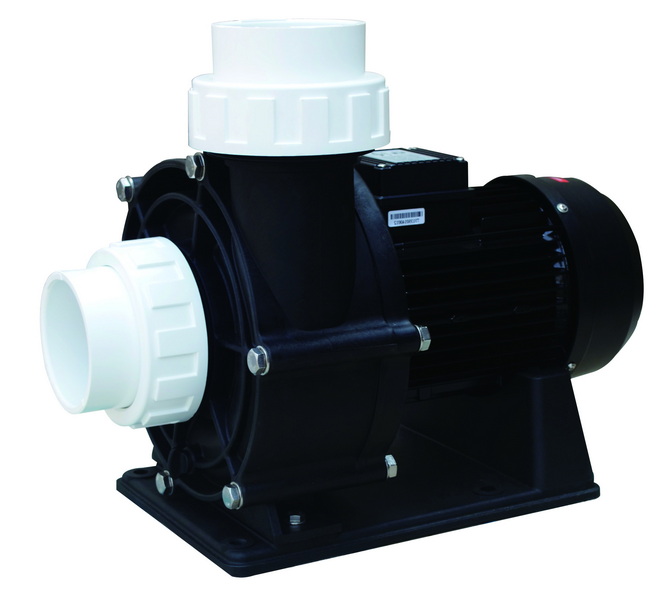
Before connecting anything, it is helpful to understand how water moves through an Intex Pool pump and filter system. Knowing the flow path makes it much easier to place hoses correctly and avoid mistakes during installation.
- Water exits the pool through the lower suction port, flows through a hose into the Pool pump, passes through the filter, and returns to the pool through the upper return port.
- Cartridge, sand, and combo systems all follow this same basic path, even though the housings and valves look different.
Most Intex kits include everything required for a basic Pool pump hookup, so you usually only need simple hand tools. Before starting, lay out every part to confirm nothing is missing.
- Common tools: Phillips screwdriver, flathead screwdriver, small wrench or nut driver for clamps, and PTFE thread tape for threaded adapters if needed.
- System parts: Pool pump unit, filter tank or cartridge housing, two or three hoses, hose nuts or clamps, O‑rings, step washers, plunger valves, strainers, and return nozzles.
Good preparation makes your Pool pump last longer and simplifies daily operation. A stable, dry, and accessible location is essential for safety and maintenance.
- Position the Pool pump and filter on a flat, firm base close enough that all hoses reach the pool ports without stretching or kinking.
- Make sure the pool is level, the liner ports are accessible from outside, and the power outlet with ground‑fault protection is within cord reach but safely away from potential splash.
Your Intex liner comes with pre‑cut openings for suction (outlet to the Pool pump) and return (inlet from the filter). Installing these correctly prevents leaks and ensures efficient circulation.
- Inside the pool, insert the threaded connectors through the lower and upper liner holes and secure them with the strainer nuts from outside, tightening by hand so the gaskets seal.
- Attach the internal strainer basket to the lower outlet and the adjustable return nozzle to the upper inlet, pointing the nozzle slightly downward and away from the suction to improve circulation.
Correct orientation helps you connect hoses cleanly and avoid leaks. It also makes it easier to read labels and access control valves.
- Place the filter tank on its support base and then attach the motor and pre‑filter housing so that the Pool pump inlet faces toward the pool ports.
- If the system uses a multiport valve on top of a sand tank, rotate it so the outlet port that returns water to the pool points toward the pool to avoid hose twisting.
Now connect the pool's suction outlet to the Pool pump inlet using the supplied hose. This is the line that feeds water from the pool into the Pool pump.
- Attach one end of the hose to the lower pool outlet and secure it with the threaded hose nut or clamp, making sure the step washer or O‑ring is in place.
- Connect the other end of this hose to the pre‑filter or lower connection on the Pool pump, then hand‑tighten the hose nut or clamp without cross‑threading.
On sand and some cartridge systems, the Pool pump and filter housing are separate units connected by an inter‑connecting hose. This is part of the pressure side of the system.
- Place the O‑ring on the pump outlet, then screw or clamp the short inter‑connecting hose between the Pool pump outlet and the filter inlet port, tightening securely.
- Check that the hose is not twisted and that the clamps are snug but not over‑tightened, which could damage plastic fittings on the Pool pump or valve.
Next, route clean water from the filter outlet back to the pool return fitting. This completes the circulation loop driven by the Pool pump.
- Attach a second hose between the filter outlet or multiport “return to pool” port and the upper plunger valve at the pool inlet, again confirming the O‑rings and gaskets are seated.
- If there is a third port labeled “waste” or “drain” on the multiport valve, connect a separate hose for backwashing and draining that leads to a safe discharge area.
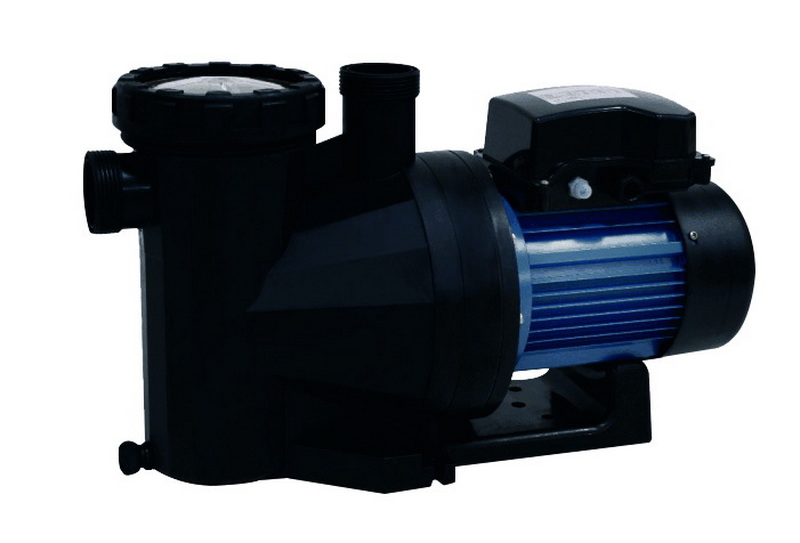
Small sealing parts make a big difference in whether your Pool pump system leaks or runs smoothly. Taking a few extra minutes here prevents frustrating drips later.
- Double‑check that every hose nut is hand‑tight, step washers and flat washers are correctly seated, and all O‑rings at Pool pump and valve connections are in place and free from debris.
- Gently snug metal clamps with a screwdriver or nut driver where used, stopping once the hose is firmly compressed without cutting into the hose wall.
The pool needs enough water for the Pool pump to prime and run without drawing air. Insufficient water can lead to noisy operation and damage.
- Fill the pool until the water line sits above the upper return inlet, covering both the suction strainer and the return nozzle openings.
- Confirm there are no large air pockets in the hoses and that the suction fittings are submerged, as running a Pool pump with low water level can cause cavitation and damage.
Priming removes trapped air and fills the Pool pump housing and hoses completely with water so the impeller can create strong suction. Proper priming protects the motor and ensures strong circulation.
- Make sure all plunger valves at the pool wall are open, the filter valve is set to “filter,” and any air‑release on the pump or filter tank is opened to let air escape as water flows in.
- If needed, loosen the pump lid slightly while water fills the housing until you see a steady stream, then retighten the lid and close the air‑release to finish priming before powering the Pool pump.
Safe power supply is essential for any Pool pump installation. Water and electricity are a dangerous combination if basic precautions are ignored.
- Plug the Pool pump into a properly grounded outlet with suitable protection, and keep the plug and cord away from standing water and wet surfaces.
- Stand clear of wet areas, then switch the Pool pump on; within a short time you should see strong flow from the return nozzle and stable pressure on the filter gauge if present.
After the first start, spend a few minutes inspecting the system while the Pool pump runs. This is the best time to catch problems.
- Walk around each hose connection, valve, and the Pool pump housing itself, feeling for drips and watching for persistent air bubbles in the return stream.
- Tighten any slightly leaking hose nuts or clamps by hand, and note the normal pressure reading on the filter gauge so you can recognize changes indicating a dirty filter or flow restriction.
Once the Pool pump is hooked up correctly, good daily habits keep water clear. The Pool pump is the heart of the circulation system, so treating it well pays off.
- Run the Pool pump long enough each day to turn over all the pool water at least once or twice, adjusting run time during hot weather or heavy use.
- Clean or backwash the filter whenever pressure rises significantly above the clean starting point, and empty the pump strainer basket regularly to protect the Pool pump from debris.
Many owners eventually upgrade to larger sand systems or connect an Intex Pool pump to a different brand of above‑ground pool. With the right fittings, this is usually straightforward.
- Adapters are available to connect standard 1.25‑inch and 1.5‑inch hoses to non‑Intex wall fittings, but always follow the OEM manual for correct Pool pump sizing and connection details.
- When upgrading to a bigger sand or variable‑speed Pool pump, confirm the new flow rate is compatible with your plumbing, filter, and skimmer fittings to avoid excessive suction or return velocity.
Even after following all steps, some pool owners still face minor issues once the Pool pump is running. Knowing quick fixes saves time during the swimming season.
- Weak flow from the return can indicate a dirty filter, a partially closed valve, air in the Pool pump housing, or a clogged strainer basket.
- Repeated priming loss often points to a loose pump lid, worn O‑ring, or tiny cracks on suction fittings letting air into the Pool pump.
If you find water leaks around the multiport valve or filter tank, shut off the Pool pump immediately and inspect gaskets and unions. Never attempt to tighten or open pressurized parts while the Pool pump is running.
At the end of the season, proper shutdown makes the next startup much easier. The Pool pump and filter should be protected from freezing conditions where applicable.
- For winterizing, disconnect hoses, drain water from the Pool pump and filter tank, and store removable parts like hoses and plunger valves indoors.
- At spring startup, inspect all O‑rings and gaskets, lubricate them if necessary, reinstall the Pool pump and hoses, and repeat priming and leak checks as if it were a new hookup.
Hooking up an Intex Pool pump successfully is about following a logical sequence: prepare the site, install suction and return fittings, connect hoses to the correct ports, prime the system, and verify leak‑free operation. With careful attention to washers, O‑rings, and valve positions, your Pool pump and filter will deliver clear, healthy water while protecting your investment in the pool. Combine correct Pool pump hookup with regular maintenance, good water chemistry, and seasonal care, and your above‑ground pool will remain a comfortable, inviting place for your family throughout the swimming season.
Contact us to get more information!
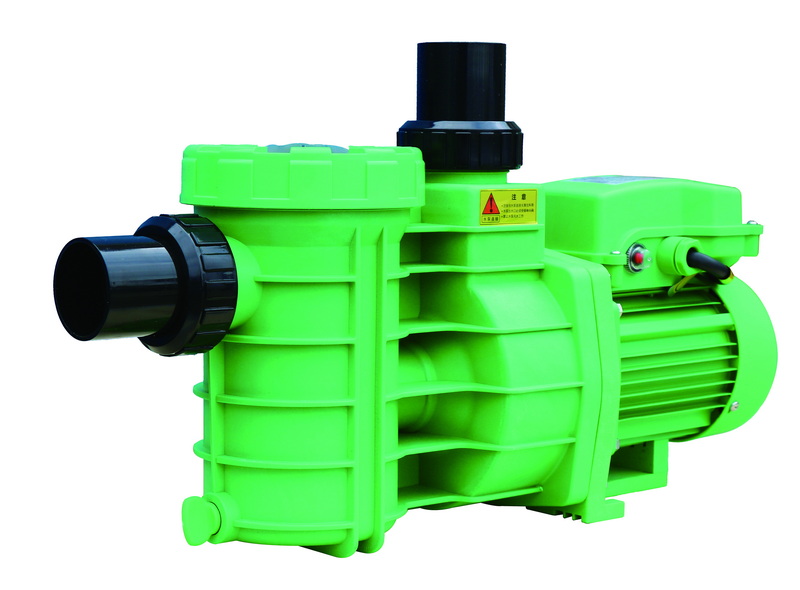
Hoses on an Intex Pool pump should be hand‑tight at the threaded nuts and only lightly snugged with a screwdriver or wrench on clamps so the hose is secure but not crushed. Over‑tightening can crack plastic fittings on the Pool pump or filter and may actually cause leaks instead of preventing them.
On most setups, the lower port marked as an outlet connects to the Pool pump suction side through the pre‑filter inlet. The upper port is typically the return from the filter, sending clean water back into the pool after it passes through the Pool pump and filter system.
Yes, many owners use an Intex Pool pump and filter with non‑Intex pools by adding appropriate hose adapters and clamps at the wall fittings. Always confirm that the Pool pump flow rate matches the pool volume and plumbing size and that all electrical and safety requirements are met for the installation.
A Pool pump that repeatedly loses prime usually has an air leak on the suction side, an open air‑release, low pool water level, or a loose pump lid O‑ring. Checking every suction fitting, re‑seating the lid gasket, and confirming the suction port stays well below the waterline often restores stable priming on an Intex Pool pump.
Most above‑ground systems run the Pool pump long enough to turn over the entire pool volume at least once every day, which is commonly 6–12 hours depending on pump size and pool capacity. During very hot weather or heavy bather loads, running the Pool pump longer improves filtration and helps chemicals work more effectively.
1. https://heatpumps4pools.com/myfiles/file/intex-28646-28648-28652-user-manual.pdf
2. https://www.intexdevelopment.com/support/downloadmnl?filename=058___A0_2505_EN.pdf
3. https://intexwetset.co.uk/wp-content/uploads/sites/2/2019/04/SX2100-SX2800-SX3200-SAND-FILTER-MANUAL.pdf
4. https://intexcorp.com/products/above-ground-pools/krystal-clear-filtration-sanitation/sand-filter-pumps/10in-krystal-clear-sand-filter-pump-1500-gph
5. https://intexcorp.com/products/above-ground-pools/pool-accessories/hose-1-5in/
6. https://intexcorp.com/products/above-ground-pools/pool-accessories/hose-1-25in/
7. https://www.youtube.com/watch?v=Z_C7Mcu83iQ
8. https://www.youtube.com/watch?v=QctOTd15V40
9. https://www.youtube.com/watch?v=A8ghcCJEV5U
10. https://www.youtube.com/watch?v=69atemJSmZw
11. https://www.oreateai.com/blog/your-stepbystep-guide-to-installing-an-intex-pool/db1c046c8afcedc3c8797d8488d2da50


