


Content Menu
● Safety, Access, and Code Basics
● Landscaping Ideas to Hide Pool Filters
● Using Fences, Screens, and Panels
● Building a Small Equipment Shed or Pool House
● Creative Benches, Boxes, and Faux Rocks
● Reducing Pump Noise While Hiding Equipment
● Smart Positioning for New Pools or Renovations
● How to Hide Pool Filter: Method Overview
● FAQs About Hiding Pool Filters
>> 1. Is it safe to enclose a pool filter and pump?
>> 2. How much space should I leave around my pool equipment?
>> 3. What plants are best for hiding pool equipment?
>> 4. Can I reduce pump noise with fencing or screens?
>> 5. Are faux rock covers and benches suitable for all filters?
Hiding a pool filter and equipment is about balancing beauty, safety, and service access. Well‑planned screening can turn pumps, filters, pipes and control boxes into a neat, low‑noise utility corner that blends into your backyard design.[1][2]
Below are practical, code‑friendly ways to conceal pool filters and equipment, plus tips you can share with landscapers, builders, or your OEM supplier when planning new installations.[3][1]
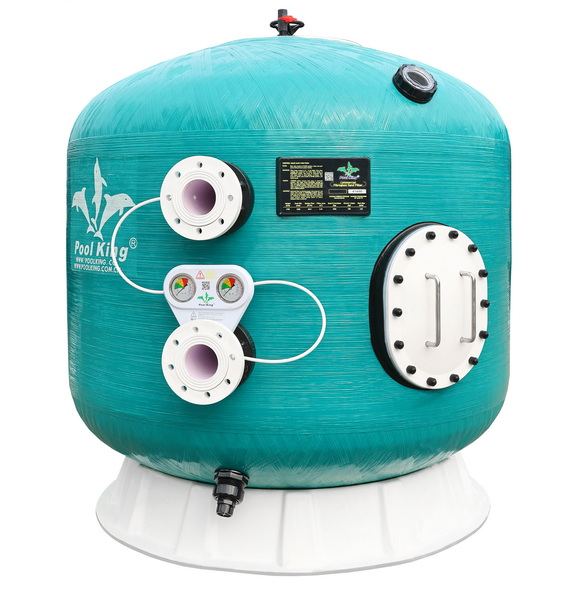
Concealing your pool filter, pump, and pipes is not only an aesthetic upgrade; it also improves comfort and perceived value of the entire pool area.[1][3]
- It removes visual clutter from pumps, valves, and plumbing so the pool becomes the main focus, not the machinery.[4][1]
- It can redirect pump noise away from seating areas and even protect equipment from direct sun, wind, and debris, which may extend service life when combined with proper ventilation.[2][5]
From a resale perspective, a clean equipment zone with thoughtful screening often makes the pool look professionally designed and easier to maintain.[4][3]
Before building any structure around pool equipment, safety, access, and local codes must come first.[6][7]
- Most pool and electrical codes require clear working space around pumps, filters, heaters and electrical panels to allow safe servicing, typically maintaining front clearance and not enclosing panels too tightly.[8][9]
- Barriers, fences, or enclosures must not create trip hazards, block required walking space, or trap water; surfaces are usually expected to be sloped, non‑slip, and well drained.[7][6]
Also ensure any cover or shed does not interfere with ventilation for heaters and chemical storage, and always check local regulations or your installer's guidance before building permanent structures.[10][6]
Thoughtful landscaping is one of the simplest and most natural ways to hide pool equipment without heavy construction.[2][1]
- Dense shrubs such as boxwood, holly, or juniper create year‑round green walls that screen pumps and filters while softening hard concrete lines.[3][2]
- Tall ornamental grasses and bamboo‑like varieties grow quickly, form thick visual barriers, and can help diffuse sound from noisy pumps when combined with a small fence.[2][3]
When using plants, leave space for air flow, growth, and safe access for service technicians; avoid root systems that could damage pads or underground plumbing.[3][2]
Decorative fences and privacy screens provide fast, flexible ways to hide filters and pumps while staying accessible.[11][1]
- Short L‑shaped or U‑shaped fences around the equipment pad can block views from main seating areas; homeowners often use wood, vinyl, aluminum, or metal slat panels for a modern look.[12][11]
- Ready‑made privacy screens sold for gardens and patios can be arranged around pumps and filters and paired with potted plants for a softer appearance.[13][14]
Leaving one side open or using a hinged gate maintains easy entry for maintenance and also helps sound travel away from the pool and house instead of bouncing back.[15][12]
A purpose‑built shed or compact pool house offers the most complete concealment for filters, pumps, and control systems.[1][3]
- A simple timber, metal, or composite shed can house the filter, pump, and accessories while providing extra storage for chemicals, hoses, and cleaning tools.[9][1]
- Adding doors with full opening width and enough internal height allows technicians to remove and service large sand or cartridge filters safely.[12][9]
For sheds that enclose equipment fully, include ventilation grilles, possibly powered exhaust for heaters, and adequate lighting to meet safety and usability expectations.[6][9]
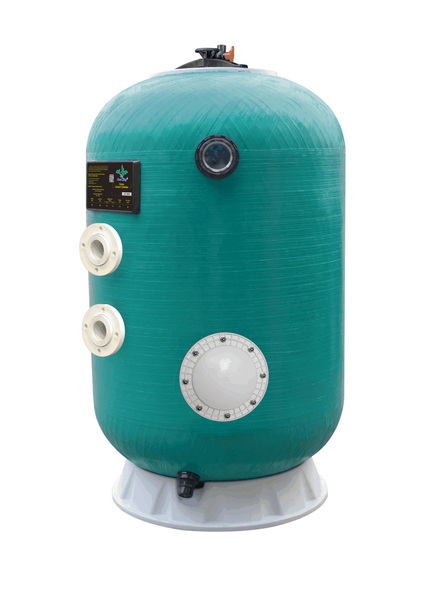
Disguised storage and decorative elements can hide filters and valves in plain sight, especially in compact yards.[14][1]
- Outdoor storage benches and deck boxes can be designed or purchased with vented sides and lift‑up lids, screening smaller cartridge filters or control manifolds while doubling as seating.[14][1]
- Faux rock covers and sculpted enclosures mimic natural boulders or landscaping stones while camouflaging pump heads, small filters, or control valves.[4][1]
When using enclosed benches or boxes, prioritize drainage and cross‑ventilation to prevent moisture buildup, overheating, or corrosion of electrical components.[5][6]
Many pool owners want to cut both noise and visual impact at the same time, which affects enclosure design.[5][15]
- Solid or semi‑solid barriers such as dense fences, sound panels, or masonry walls can reflect noise away from houses and seating zones, especially when combined with soft landscaping in front.[15][5]
- Specialized outdoor acoustic panels or sound blankets designed for mechanical equipment can be added to fences or frames to provide extra noise reduction while still allowing service access.[16][5]
Avoid fully sealing pumps and filters in airtight boxes, because motors need ventilation; noise control should always balance cooling, airflow, and safety.[6][5]
For new pool construction or major retrofits, the easiest way to “hide” a filter is to start with smart placement.[11][3]
- Locating equipment on the far side of the yard, behind a garage wall, or along a less visible property line reduces the need for heavy screening and can improve perceived quietness.[15][11]
- Aligning the pad with natural grade changes, retaining walls, or planned garden beds can make later fences, planters, or screens fit more naturally into the design.[4][3]
When planning placement, consider pipe runs, hydraulic efficiency, and access for replacing large components such as sand filter vessels or pumps.[2][3]
The table below summarizes key methods so readers can quickly choose options based on budget and difficulty.[1][2]
| Method | Main Benefit | Difficulty Level | Extra Considerations |
|---|---|---|---|
| Landscaping (shrubs, grass) | Natural look, low cost | Low | Allow space for growth and service access.intheswim |
| Decorative fences/screens | Fast install, flexible design | Low–Medium | Maintain clear working space and airflow.taylormade-pools |
| Equipment shed/pool house | Complete concealment, extra storage | Medium–High | Provide ventilation, lighting, and code clearances.leg.wa |
| Benches/boxes/faux rocks | Hidden in plain sight, good for small yards | Low–Medium | Ensure drainage and motor cooling.taylormade-pools |
| Acoustic barriers | Noise reduction plus visual screening | Medium | Use outdoor‑rated panels and avoid full sealing.acoustiblok |
Hiding a pool filter effectively is a mix of good design, safe clearances, and smart product selection. Landscaping, privacy screens, compact sheds, and disguised benches or faux rocks all offer different balances of cost, noise control, and aesthetics, and they work best when installed with adequate airflow and access for maintenance.[1][2]
For homeowners and professional buyers, planning concealment at the same time as choosing sand, DE, or cartridge filters, pumps, and lighting makes it easier to integrate equipment neatly into any backyard style while showcasing reliable, long‑life filtration solutions.[4][3]
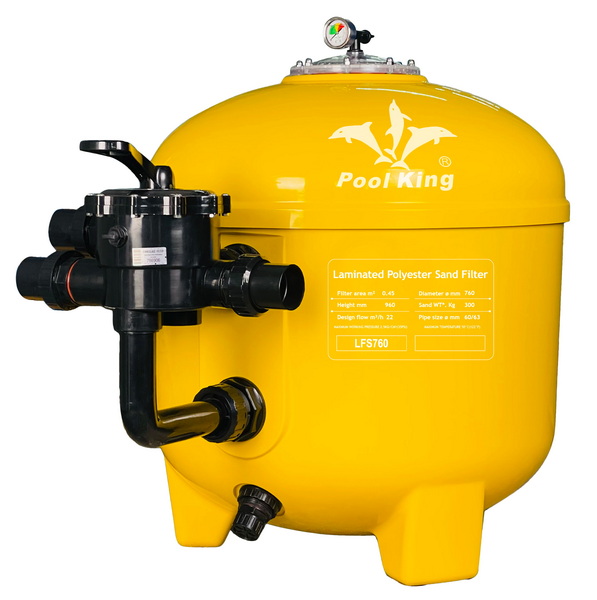
Yes, it can be safe if the enclosure allows enough clearance, ventilation, and access for servicing and complies with local pool and electrical codes. Avoid sealing equipment in airtight boxes or placing combustible materials too close to heaters or electrical panels.[7][9][6]
Local regulations and manufacturer instructions typically require a clear working area in front of equipment and around electrical panels, so contractors often design at least one fully accessible side and comfortable walking space around others. Always check your local code and your installer's recommendations, especially for large sand filters and heaters.[8][10][7][6]
Evergreen shrubs such as boxwood, holly, and juniper, plus tall ornamental grasses, are popular because they provide year‑round screening and are relatively low‑maintenance when properly spaced. Choose species suited to your climate and avoid plants with invasive roots that can damage concrete pads or underground pipes.[2][3]
Yes, solid or semi‑solid fences, masonry walls, or sound‑rated panels can redirect and absorb noise from pumps and filters, particularly when positioned between equipment and living spaces. Combining barriers with soft landscaping such as shrubs or hedges can further soften sound while improving appearance.[5][15][2]
Faux rock covers and vented benches work best for compact cartridge filters, smaller pumps, and valve manifolds; large commercial‑size sand filters or tall DE filters may require bigger sheds or partial fencing solutions. Whatever cover you choose, make sure motors can cool properly and that technicians can still remove filter tanks or elements when needed.[6][5][1][4]
[1](https://taylormade-pools.com/blog/how-to-hide-pool-equipment/)
[2](https://intheswim.com/blog/hiding-pool-equipment-with-landscaping.html)
[3](https://concretecowboypools.com/how-to-hide-pool-equipment-with-landscaping/)
[4](https://www.houzz.com/photos/query/hide-pool-equipment)
[5](https://acoustiblok.com/portfolio-items/pool-pump-noise/)
[6](https://apps.leg.wa.gov/Wac/default.aspx?cite=246-260-031)
[7](https://codes.iccsafe.org/content/ispsc2018/chapter-3-general-compliance)
[8](https://forum.nachi.org/t/clearance-question-service-panel-to-pool-equipment/78188)
[9](https://www.mikeholt.com/newsletters.php?action=display&letterID=2453)
[10](https://codes.iccsafe.org/s/ISPSC2024P1/chapter-4-public-swimming-pools/ISPSC2024P1-Ch04-Sec406.3)
[11](https://www.houzz.com/discussions/4668081/hiding-pool-equipment-with-screen-fence-and-plants)
[12](https://www.reddit.com/r/pools/comments/1kpixjw/alright_people_show_me_how_you_hide_your_pool/)
[13](https://www.youtube.com/watch?v=QSSIMOsS_oQ)
[14](https://www.wayfair.com/keyword.php)
[15](https://www.facebook.com/groups/273395260599363/posts/1401613664444178/)
[16](https://noisypool.com)
[17](https://www.youtube.com/watch?v=YVeYhteNCtA)
[18](https://www.facebook.com/groups/273395260599363/posts/1362251505047061/)


