
Views: 222 Author: Tina Publish Time: 2026-01-02 Origin: Site


Content Menu
● Why Pool Ladders Need Weights
● Are Five-Gallon Buckets Safe as Ladder Weights?
● When You Might Consider Using Buckets
● How to Use Five-Gallon Buckets More Safely
>> Step 1: Choose the Right Buckets
>> Step 2: Select the Filling Material
>> Step 3: Fill and Seal Buckets
>> Step 4: Attach Buckets to the Ladder
>> Step 5: Check Stability and Safety
● Better Alternatives to Five-Gallon Buckets
>> Integrated Sand or Water Chambers
>> Sandbags and Commercial Anchor Bags
● Protecting Your Liner and Water Quality
● OEM-Style Ladder and Filtration Upgrades
● FAQs About Using Five-Gallon Buckets for Pool Ladder Weights
>> 1. Is it legal and code-compliant to use buckets as ladder weights?
>> 2. How many five-gallon buckets do I need to stop my ladder from floating?
>> 3. Will buckets filled with rocks or sand damage my vinyl liner?
>> 4. How do I prevent algae from growing in or around bucket weights?
>> 5. What are the best alternatives to five-gallon buckets?
>> 6. Can I combine buckets with other weight methods?
You can use five-gallon buckets as pool ladder weights in some situations, but it is not the safest or most durable method, and many pool professionals now prefer purpose-made ladder weights, internal sand/water chambers, or PVC ballast tubes instead. When buckets are used incorrectly, they can trap algae, damage the liner, shift unexpectedly, or even become a tripping or entrapment hazard in the water.[1][2][3][4]
Pool owners often look for quick DIY ways to stop pool ladders and entry steps from floating, and five-gallon buckets filled with sand, rocks, or water are a very common “home solution.” However, before tying buckets to your ladder, it is important to understand the safety, liner-protection, and maintenance issues, as well as the more professional alternatives like integrated ladder weight chambers, sandbags, or PVC ballast tubes.[5][3][6][1]
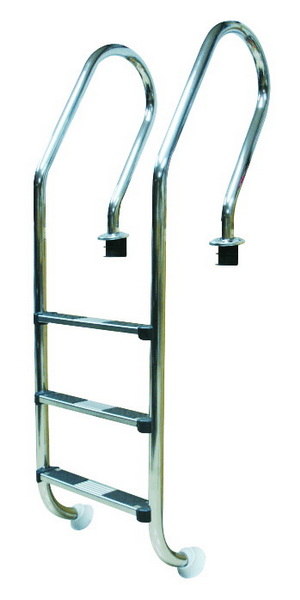
Most modern above-ground pool steps and ladders are made of lightweight plastic or resin, so they naturally float or shift because water pushes them upward and swimmers push them sideways. Without proper weighting, the ladder can move during entry and exit, increasing the risk of slips, falls, and foot entrapment, especially for kids or older swimmers.[2][3][4]
Five-gallon buckets are widely used in DIY setups, typically filled with sand, gravel, or rocks and tied tightly to the back of the ladder or steps. Some pool owners report years of use with two buckets full of stone or sand holding stairs down, but others complain about algae buildup, sharp edges, and awkward removal at the end of the season.[5][1]
Potential safety and performance issues include:[3][4][1]
- Bucket movement: If not tied securely, buckets can roll or swing, creating trip points behind the steps.
- Liner damage: Hard edges, rough handles, or exposed metal wires can rub against a vinyl liner and cause scuffs or tears.
- Algae pockets: Opaque buckets filled with water or partially filled containers can become stagnant “algae bombs” that are hard to clean.
- Inspection difficulty: It is harder to visually inspect the bucket contents compared with clear or purpose-made weight bags.
Using buckets can be an inexpensive short-term solution if you take precautions and understand the limitations. For many above-ground pools, two five-gallon buckets filled with stone or sand and tied tightly to the back of the steps are enough to keep them from floating, provided you keep them off the liner and check them regularly.[7][3][5]
Situations where buckets might be acceptable include:[4][3][5]
- Temporary fix while waiting for commercial step weights or anchor bags.
- Seasonal pools where the ladder is removed often and you want removable ballast.
- DIY owners who are comfortable inspecting and cleaning buckets several times per season.
Always check the ladder manufacturer's manual first, because some brands specifically recommend integrated sand or water chambers and warn against foreign objects that may void warranty or damage the liner.[2][3]
If you decide to use five-gallon buckets for pool ladder weights, follow a strict safety and maintenance approach.[1][3][4]
- Use heavy-duty plastic buckets with intact lids and no cracks or sharp burrs.
- Avoid rusty metal handles or exposed wire that can scratch the liner.
- Prefer light-colored buckets so you can easily see algae or staining on the outside.
Typical fillings include:[3][7][5]
- Sand: Dense and compact, provides strong ballast in a small volume but is heavy to remove.
- Gravel or small stone: Slightly less dense but easier to rinse and remove; often used by DIYers.
- Water: Easier to empty but provides less weight than sand or gravel for the same volume.
Do not use corrosive metal scrap, sharp concrete chunks, or anything that might affect water chemistry if leaked into the pool.[7][3]
- Fill the bucket to a level that provides enough weight but still allows you to lift it safely outside the pool.
- Tap or shake the bucket gently to eliminate large air pockets if using sand, then snap the lid on tightly, optionally sealing the rim with waterproof tape or silicone.
- Drill 1–2 small holes at the very top edge of the bucket body (not on the bottom) to allow trapped air to escape when it is submerged.[8][3]
- Position buckets behind the steps or on either side of the ladder, not directly under the treads where feet and toes go.[4][3]
- Use strong, pool-safe materials like nylon rope, zip ties, or plastic straps; avoid bare metal chain.
- Tie buckets tightly so they do not swing or roll, and keep a small gap between buckets and the vinyl liner by placing them slightly inward from the wall.
- Test the ladder by entering and exiting several times, watching for any rocking, tipping, or bucket shifting.
- Make sure no bucket edge or tie point rubs against the liner during movement.
- Inspect buckets monthly for algae growth, cracks, leaking, and rope wear; replace anything damaged.[1][3]
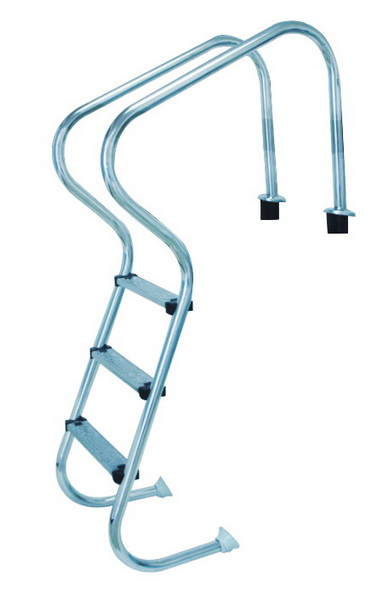
While buckets can work, more professional solutions are safer and easier to manage over the long term.[2][3][4]
Many modern above-ground pool steps and ladders include dedicated internal chambers that you fill with sand or water to act as built-in ballast.[3][2]
- Cleaner appearance with no external buckets.
- Designed not to pinch toes or touch the liner directly.
- Usually come with instructions for how much sand or water to add to reach the design weight.[2][3]
Commercial sandbag kits or “pool step anchor bags” are fabric or vinyl shells designed to be filled with sand and strapped to steps.[9][3]
- Smooth, flexible surfaces that are gentle on liners.
- Often include built-in straps or clips for quick attachment and removal.[10][3]
- Easier to shape around step contours than rigid buckets.
Another popular DIY option is capped PVC pipes filled with sand or gravel and zip-tied to the back of the ladder.[6][11][8]
- Slim profile that fits neatly along ladder rails or step backs.
- Durable, reusable, and easier to maneuver than heavy sandbags or buckets.[8][6]
- Multiple tubes can be distributed evenly to avoid point pressure on the liner.[3]
Any weight solution must also protect the pool liner and keep the water clean.[2][3]
Key precautions:[4][3]
- Place a step pad or ladder pad under the base to prevent point loading on the liner.
- Avoid weights with sharp surfaces or rough edges that can puncture vinyl.
- Use bleach-treated or clean sand if instructed, and avoid porous rocks that may leach minerals or trap debris.[7][3]
- Regularly brush and vacuum around and under the ladder to prevent hidden algae growth.[1][3]
For long-term reliability and professional appearance, many pool owners eventually replace improvised bucket systems with purpose-designed ladder and filtration packages from specialist manufacturers.[3][2]
Potential upgrades include:[2][3]
- Molded resin step systems with integrated sand or water chambers and 300 lb+ weight ratings.
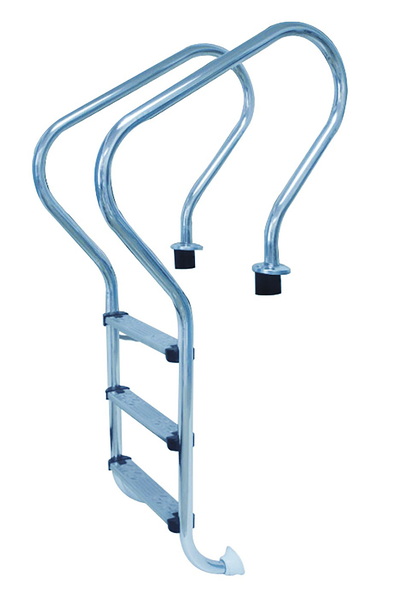
- Stainless-steel in-pool ladders anchored directly into deck sockets for rigid support.
- Matching sand, DE, or cartridge pool filters, energy-efficient pool pumps, and LED lights that work together to maintain clear, safe water around entry areas.[3][2]
If you are an OEM buyer, brand owner, or wholesaler, it is possible to source customized ladder and step systems that integrate internal weighting, anti-slip treads, and coordinated filtration kits under your own brand to avoid visible buckets or makeshift solutions.[3]
Five-gallon buckets can be used as pool ladder weights, but they are best viewed as a temporary or budget DIY solution rather than a long-term, professional answer. To use them more safely, choose smooth, intact buckets; fill them with sand or gravel; seal and vent them properly; tie them tightly so they cannot swing; and always keep them away from direct liner contact while inspecting regularly for algae and damage.[5][8][1][3]
For more durable, liner-safe, and visually appealing results, integrated sand or water chambers, commercial anchor bags, or PVC ballast tubes are typically better options and align more closely with modern pool safety practices. Upgrading to a well-designed ladder system and pairing it with a properly sized pool filter and pump will further improve safety, water clarity, and the overall user experience around the pool.[4][2][3]
Most residential pool codes focus on secure access, anti-entrapment, and approved barriers, not specifically on bucket weights, but any modification that creates entrapment or trip hazards can be considered unsafe. Always check local building and pool codes and follow the ladder manufacturer's instructions; if they prohibit foreign weights or require integrated ballast, buckets should not be used.[4][2][3]
For typical above-ground molded steps, owners often use two five-gallon buckets filled with stone or sand, which may provide roughly 60–80 lb or more of ballast depending on the fill material. The exact amount depends on your ladder's buoyancy, so test in small increments and stop once the ladder sits firmly on the floor without rocking, but do not overload the structure beyond its rated capacity.[5][2][3]
They can if the buckets or their attachments rub directly on the liner or if sharp stones escape and settle under the steps. Use smooth buckets, protect the liner with a step pad, and keep the weights slightly away from the wall while regularly inspecting for scuffs, tears, or escaping material.[1][2][3]
Opaque buckets and low-flow areas behind steps are ideal spots for algae, especially if water can stagnate inside. To reduce growth, drill small vent holes so water can circulate, brush and vacuum around the ladder frequently, and shock and balance the pool water regularly according to standard pool care guidelines.[1][3]
Better long-term options include integrated sand or water chambers built into the steps, commercial sandbag or anchor weight kits, and PVC ballast tubes filled with sand or gravel and strapped to the ladder frame. These solutions are more compact, more liner-friendly, easier to handle, and closer to what pool manufacturers and service professionals typically recommend.[6][8][2][3]
Yes, in some cases pool owners combine small buckets or PVC tubes with internal sand chambers or anchor bags to fine-tune ladder stability. The key is to distribute all weights evenly, avoid overloading any one connection point, and ensure no part of the weighting system creates entrapment spaces or liner contact.[8][4][3]
[1](https://www.reddit.com/r/pools/comments/1d11s5v/weighing_down_pool_steps/)
[2](https://intheswim.com/above-ground-pool-ladders-steps/)
[3](https://www.poolkingfilter.com/how-to-weigh-down-a-pool-ladder.html)
[4](https://www.yahoo.com/lifestyle/weigh-down-pool-steps-simple-180052070.html)
[5](https://www.facebook.com/groups/637529959937311/posts/1753465361677093/)
[6](https://www.reddit.com/r/pools/comments/wubcro/how_to_keep_stairs_down_on_floor_instead_of/)
[7](https://www.poolspaforum.com/forum/index.php?%2Ftopic%2F1059-weighing-pool-steps-downalternative-for-sand%2F)
[8](https://www.reddit.com/r/pools/comments/1ceiey7/best_way_to_weigh_down_these_stairs/)
[9](https://campoakhill.org/online/?u=Ground-Pools-Sand-Bag-Anchors-For-Pool-Steps-Stairs%2F727853)
[10](https://adelaideepic.org/Weights-Universal-HDPE-Step-Stabilizers-With-8-Straps-For-567434)
[11](https://www.reddit.com/r/pools/comments/v0lhxh/what_sand_weights_do_you_use_to_hold_down_your/)
[12](https://www.facebook.com/groups/637529959937311/posts/1666286690394961/)
[13](https://www.facebook.com/groups/637529959937311/posts/i-found-this-on-pinterest-while-looking-for-diy-in-the-pool-stools-it-had-a-link/2637259749964312/)
[14](https://www.facebook.com/groups/637529959937311/posts/2565044280519193/)
[15](https://www.youtube.com/watch?v=-qkS06U4SC0)
[16](https://www.youtube.com/watch?v=Xta4kZy7n9M)
[17](https://blog.watsons.com/blog/make-above-ground-pool-ladder-stable)
[18](https://www.facebook.com/groups/637529959937311/posts/2578471772509777/)
[19](https://www.facebook.com/groups/637529959937311/posts/2550092255347729/)


