


Content Menu
● Safety First: Before You Open
● Step-by-Step: Opening a Sand Filter
>> Prepare the Multiport Valve
>> Release Pressure and Drain as Needed
>> Access and Inspect the Media
● Step-by-Step: Opening a Cartridge Filter
>> Shut Down and Relieve Pressure
● Step-by-Step: Opening a DE Filter
>> Undo Clamp and Separate Shell
● Dealing With Stuck Filter Lids
>> 1. Do I really have to turn the pump off before opening the filter?
>> 2. How do I know all the pressure is gone from the filter?
>> 3. Which multiport valve setting should I use when opening a sand filter?
>> 4. How often should I open my cartridge or DE filter?
>> 5. What should I do if my filter clamp or lid looks rusty or cracked?
>> 6. Can I open my pool filter while the pool is full of water?
Opening a pool filter is one of the most important maintenance tasks for keeping water clear and equipment working efficiently. The exact steps vary slightly between sand, cartridge, and DE filters, but the safety basics are the same for every system.[5][6][7][1]
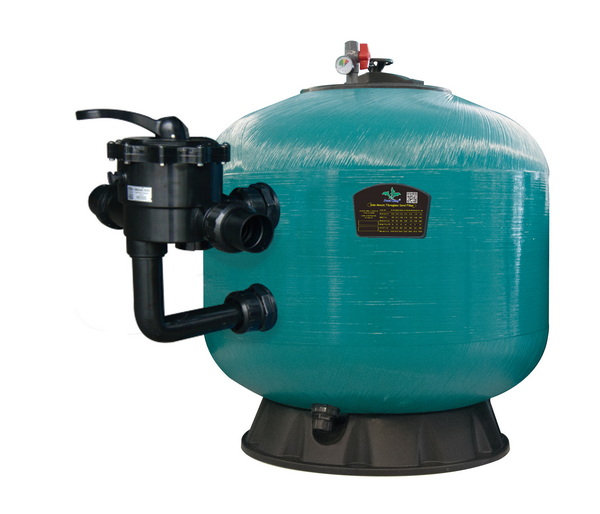
Before opening anything, confirm which kind of pool filter you have, because the lid, clamps, and internal parts look different and open differently.[9][10]
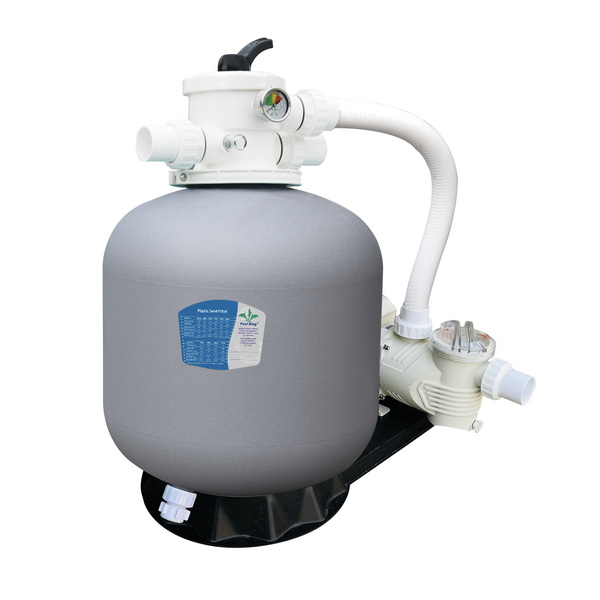
- Sand filter: A round tank with a multiport valve on top or side, filled with #20 silica sand or alternative media like glass or filter balls.[9][8]
- Cartridge filter: A tall canister with a clamp band or threaded lid that holds one or more pleated cartridges inside.[11][1]
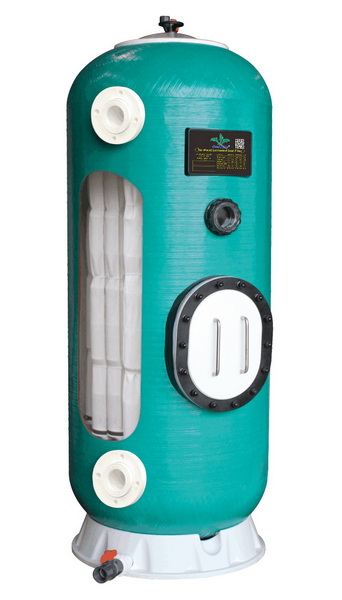
- DE filter: A tank holding grids or fingers coated with diatomaceous earth powder, often using the same style clamp as a cartridge unit.[10][8]
Pool filters can be under high pressure, so safe preparation is critical before you loosen anything.[6][4]
- Turn off power at the timer or main breaker so the pump cannot start while the filter is open.[6][10]
- Close valves from the pool (skimmer and main drain) and to the pool (returns) if the equipment is installed below the waterline, to prevent uncontrolled water flow.[3][12]
- Open the air relief valve on top of the filter to release pressure until air stops hissing and water flows steadily.[2][4]
Sand filters are common on residential pools and usually use a multiport valve and a clamp or top dome that you must remove correctly.[8][9]
- Move the multiport handle only when the pump is off to avoid damaging the valve and gaskets.[13][10]
- For most maintenance tasks that require opening the tank, set the valve to “Closed” or close the suction/return valves so water is isolated.[13][9]
- Confirm the pressure gauge reads 0 psi after opening the air relief valve.[2][4]
- If the filter has a drain plug at the base, remove it to lower the water level inside the tank before opening the lid, especially if you plan to change sand or inspect laterals.[5][6]
- For top-mount designs, loosen the metal band clamp around the filter neck by unscrewing the nut and gently tapping the band with a rubber mallet to free it.[14][11]
- For dome lids with handles, turn the ring or nut counterclockwise until the top lid lifts off; use a block of wood and mallet to break the seal if the lid is stuck.[14][11]
- Once the lid is removed, you can see the sand bed, standpipe, and laterals at the bottom of the tank.[9][8]
- If necessary, scoop or vacuum out sand to inspect or replace laterals, or to switch to new sand or compatible media like filter glass or balls.[7][9]
Cartridge filters rely on a removable canister, so opening them focuses on a clamp band or threaded lid and safely handling the cartridges.[1][11]
- Turn off the pump and breaker, close valves if needed, and open the air relief valve until air stops and a steady stream of water appears.[4][2]
- Confirm the pressure gauge reads 0 psi before touching the clamp or lid.[3][4]
- Many cartridge housings use a band clamp with a single nut; loosen this nut evenly and remove the clamp from the middle seam.[1][11]
- Other models have a large threaded lid; use the manufacturer's wrench or a strap wrench to turn it counterclockwise without damaging the plastic.[11][1]
- Lift the top half of the tank off and set it on a clean, flat surface so you do not damage the sealing O-ring.[11][1]
- Pull the cartridge elements straight up and out, avoiding twisting hard against the center standpipe or manifold.[1][11]
DE (diatomaceous earth) filters contain internal grids or fingers that must be handled carefully when opening the tank.[10][8]
- Turn off the pump and power, then open the air relief valve until the filter gauge reads 0 psi.[2][4]
- Close any valves isolating the filter from the pool so you can control drainage and backwash later.[12][3]
- Most DE filters share the same clamp style as large cartridge units; loosen the clamp and gently tap around the band to release the seal.[15][11]
- Carefully lift the upper shell straight up to avoid hitting the air bleeder or internal grid manifold.[15][11]
- Lift the full grid assembly straight out by the top handle, letting excess water drain back into the tank.[15][11]
- Place the assembly on a clean area to hose off the spent DE and debris before recharging with fresh DE powder later.[15][11]
Old seals, scale, or misaligned clamps can make filter lids very hard to open, but forcing them incorrectly can crack plastic or injure you.[14][3]
- Always confirm pressure is completely relieved before trying harder methods; never hit or pry on a pressurized tank.[3][2]
- Use a rubber mallet on the clamp band or ring, working slowly around the circumference to break the seal without metal tools that can damage the tank.[14][11]
If the lid still will not move, contact a qualified pool technician, especially if the tank shows cracks, bulging, or heavy rust, since those are signs that the vessel may be unsafe to reuse.[4]
Once cleaning or internal repairs are finished, proper reassembly is essential for leak-free and safe operation.[7][6]
- Clean and lubricate O-rings with a pool-safe silicone or Teflon-based lubricant, then seat them carefully in their grooves.[5][6]
- Align top and bottom halves or lids with index marks, tighten clamp bands evenly, and ensure no part of the O-ring is pinched or twisted.[11][1]
Turn the pump on with the air relief valve open, then close it once water runs steadily and check for leaks around the clamp and drain plugs.[6][11]
Opening a pool filter safely requires a consistent routine: shut off all power, relieve pressure through the air relief valve, isolate the filter with valves if needed, and then open the tank using the correct method for sand, cartridge, or DE designs. When combined with careful reassembly, lubrication of O-rings, and proper startup checks, this process keeps your filtration system reliable and your pool water clear while protecting users from pressure-related hazards.[10][5][6][2]
Yes, the pump must be completely off at the timer or breaker before changing valve positions or opening the filter, or you risk equipment damage and dangerous pressure spikes.[6][10]
Open the air relief valve and wait until air stops hissing and a steady stream of water flows, then confirm the pressure gauge reads 0 psi before loosening any clamps.[2][4]
With the pump off, move the handle to “Closed” or close the suction and return valves so water is isolated from the filter tank while you work.[13][9]
Most residential pools need the filter opened several times per season, typically when the pressure rises 8–10 psi above the clean starting pressure or after heavy debris and algae events.[7][4]
If the tank shell, clamp, or hardware is cracked, heavily rusted, or distorted, stop using the filter and have it inspected or replaced by a professional, as a failure under pressure can be extremely dangerous.[3][4]
Yes, as long as you shut off the pump, relieve pressure, and close valves from and to the pool so water cannot backflow through the equipment while the filter is open.[12][3]
[1](https://www.youtube.com/watch?v=EG36_SsWiOc)
[2](https://www.poolking.co/a-news-how-to-open-air-relief-valve-on-pool-filter.html)
[3](https://www.reddit.com/r/swimmingpools/comments/wch3ab/how_to_relieve_pressure_before_opening_is_this/)
[4](https://www.poolsupplies.com/blog/post/pool-pressure-gauge-and-air-relief-valve)
[5](https://www.aphw.com/article/spring-swim-season-how-open-your-pool-6-easy-steps/)
[6](https://www.lowes.com/n/how-to/open-your-pool)
[7](https://www.swimuniversity.com/open-above-ground-pool/)
[8](https://www.youtube.com/watch?v=vVMCrOTb3QQ)
[9](https://intheswim.com/blog/multiport-valve-settings-demystified.html)
[10](https://lesliespool.com/blog/how-to-use-a-multiport-valve.html)
[11](https://www.youtube.com/watch?v=in5l46Jq3jw)
[12](https://www.facebook.com/groups/637529959937311/posts/1988246358198991/)
[13](https://www.aquagem.com/news/how-to-use-multiport-valve-on-pool-filter)
[14](https://www.reddit.com/r/swimmingpools/comments/zkoi3w/tips_to_open_lid_of_pool_filter/)
[15](https://www.youtube.com/watch?v=RJdJpPWxsQA)
[16](https://www.youtube.com/watch?v=djYgvQtgoB8)
[17](https://www.youtube.com/watch?v=797yuSTdpq4)
[18](https://www.youtube.com/watch?v=b2NwAFCecn8)
[19](https://www.facebook.com/groups/1407260559603442/posts/3780680692261405/)
[20](https://www.youtube.com/watch?v=mMSM6tV1XdM)


