
Views: 222 Author: Tina Publish Time: 2026-01-02 Origin: Site


Content Menu
● Common Types of Pool Ladders
● Why Some Ladders Require Water Weight
● How to Add Water to Your Pool Ladder
>> Step 1: Locate the Fill Holes
● Troubleshooting Common Issues
● How to Drain Water for Winter Storage
● Safety Tips for Pool Ladder Installation
● Recommended Pool Maintenance Accessories
● FAQs
>> 1. How do I know if my ladder needs water inside?
>> 2. Can I use sand instead of water?
>> 3. How much water should I add?
>> 4. What happens if I don't fill it?
>> 5. How often should I refill the ladder?
Owning a swimming pool often brings up many maintenance and safety questions, and one of the least expected yet frequently asked is: Can I put water in my pool ladder? It might sound odd at first, but many modern pool ladders—especially the plastic or resin types—require water to be filled inside their frame to ensure stability and proper function.
In this detailed guide, we'll explain why some pool ladders need to be filled with water, how to do it safely, and what to look out for to keep your swimming area sturdy and secure.
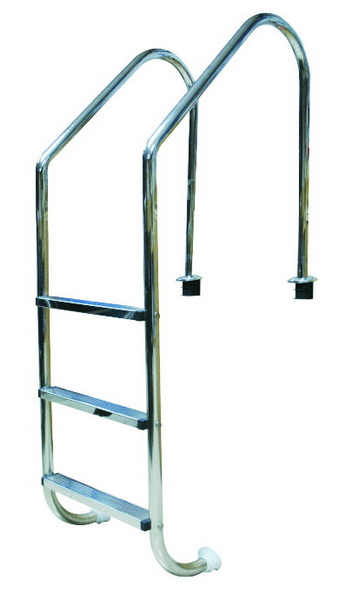
A pool ladder is more than just a step into the water—it is a critical safety accessory. Whether fixed, removable, or mounted into the deck, ladders make entry and exit safe for swimmers of all ages.
A poorly balanced pool ladder, however, can tilt or float when in use. That's where weighted or water-filled ladder bases come in handy. They ensure your ladder stays firm on the pool floor, even when waves or strong movement occur.
There are several kinds of pool ladders designed for different pool styles and materials:
- Inflatable Pool Ladders – Lightweight and portable, but not recommended for large pools.
- Above-Ground Pool Ladders – Often made of resin or plastic; require internal water fill for stability.
- In-Ground Pool Ladders – Typically stainless steel frames anchored into the pool deck.
- Removable Ladders – Designed for seasonal pools; can be drained and stored to prevent algae or cracks.
Each type serves a distinct purpose—but for resin ladders, the question of adding water is most relevant.
Many resin and plastic above-ground pool ladders are hollow. If left empty, they tend to float or shift when swimmers push against them. Filling them with water (or sometimes sand) creates stability and prevents unwanted movement.
Key reasons for filling with water:
1. Anti-buoyancy – Prevents the ladder from lifting or bobbing up when submerged.
2. Structural support – Adds internal weight, reducing stress on joints and handrails.
3. Safety – Creates a firm base that stays anchored to the pool floor.
4. Longevity – Protects the ladder from strain-related cracks caused by movement.
Most residential pool ladders have two capped fill ports at the bottom or side. These may be marked as “fill” and “drain.”
Use a screwdriver or your hand to remove the caps carefully, depending on your ladder design.
Using a garden hose, fill the ladder's hollow body until it's about 90% full. Leave a small air gap to prevent pressure buildup.
Once filled, tighten the caps securely. Check for leaks around the seals to ensure watertight integrity.
1. Unbox the ladder components and confirm all bolts, steps, and caps are included.
2. Assemble the ladder according to manufacturer instructions.
3. Place the ladder in the water and ensure proper footing on the pool floor.
4. Add water into the hollow steps or side rails.
5. Test stability by gently shaking the handrails—there should be minimal wobble.
6. Secure top brackets onto the pool wall or deck, if applicable.
Once filled and installed properly, the ladder should stay grounded even with active swimmers.
Problem 1: Ladder still floats
Possible cause: Not enough water weight or trapped air. Refill completely or use sand.
Problem 2: Water leaks from plugs
Cause: Loose cap or damaged rubber gasket. Replace gaskets or tighten plugs.
Problem 3: Ladder leans or slides
Cause: Uneven pool floor. Reposition or place a rubber mat beneath the base.
Problem 4: Mold or algae growth inside
Use a mild chlorine solution to rinse the interior cavity annually.
If you pack up your pool for winter, always drain the ladder completely to avoid freeze damage.
1. Unscrew both fill plugs.
2. Tilt the ladder to drain excess water.
3. Leave the ladder inverted for a few hours to air-dry.
4. Store it in a shaded place to prevent UV exposure.
This prolongs the lifespan of the ladder and keeps it clean for next season.
- Always double-check weight capacity. Typical ladders support up to 300 lbs.
- Ensure step treads are non-slip and clean before use.
- Anchor the top rails firmly to prevent lateral movement.
- Avoid overfilling; pressure may crack resin or expand seams.
- Replace water every few months to avoid bacterial buildup.
Our factory specializes in manufacturing high-quality pool filtration systems and accessories designed to complement any ladder or cleaning setup.
Popular products include:
- Sand Filters – Durable fiberglass body with advanced backwash function.
- DE Filters – Superior micro-particle filtration for crystal-clear water.
- Cartridge Filters – Easy to maintain for home pools.
- Water Pumps – Quiet-running, energy-efficient designs.
- Submersible LED Lights – For safe nighttime swimming.
- OEM Services – Customizable branding and packaging to fit your needs.
Yes — you can (and often should) put water in your pool ladder, particularly if it's a hollow resin or plastic design. Doing so improves weight stability, safety, and user confidence whenever someone enters or exits the pool.
Whether you're setting up your first above-ground pool or upgrading your backyard oasis, following proper filling, sealing, and maintenance steps ensures your ladder remains steady for years.
Don't forget to inspect plugs, replace seals periodically, and drain before winter.
Check the instruction label or manual—if it mentions “weighting with water or sand,” you should fill it.
Yes, sand provides more permanent ballast and prevents evaporation issues, though it's harder to remove later.
Typically 20–30 liters depending on model size. Leave some air space to avoid pressure cracking.
The ladder may float, lean, or even tip over, increasing accident risk.
Check every 2–3 months—especially after heavy use, as evaporation or minor leaks can cause weight loss.


