


Content Menu
● Understanding Pool Pump Run Time
● Key Factors That Decide When to Run
● How Many Hours per Day Should My Pump Run?
● When During the Day Should My Pool Pump Run?
● Single‑Speed vs Variable‑Speed Pump Schedules
● How to Calculate Your Ideal Pump Run Time
● Example Daily Pump Schedules
● Practical Tips to Optimize Pump Runtime
● OEM Pool Pumps and Filtration Solutions for Your Brand
>> 1. Do I really need to run my pool pump every day?
>> 2. Is it OK to run my pool pump 24/7?
>> 3. How do I know if I am running my pump long enough?
>> 4. Should I change my pump schedule between summer and winter?
>> 5. Does a saltwater pool need longer pump runtime?
>> 6. Can I split pump runtime into multiple blocks?
When a pool pump should run depends on your pool size, pump type, climate, and how often the pool is used, but most pools need enough daily run time to turn all the water over at least once every 24 hours. For many residential pools this works out to about 8–12 hours per day, adjusted up in hot weather or heavy‑use seasons and optimized for off‑peak electricity rates.[1][2][3][4]
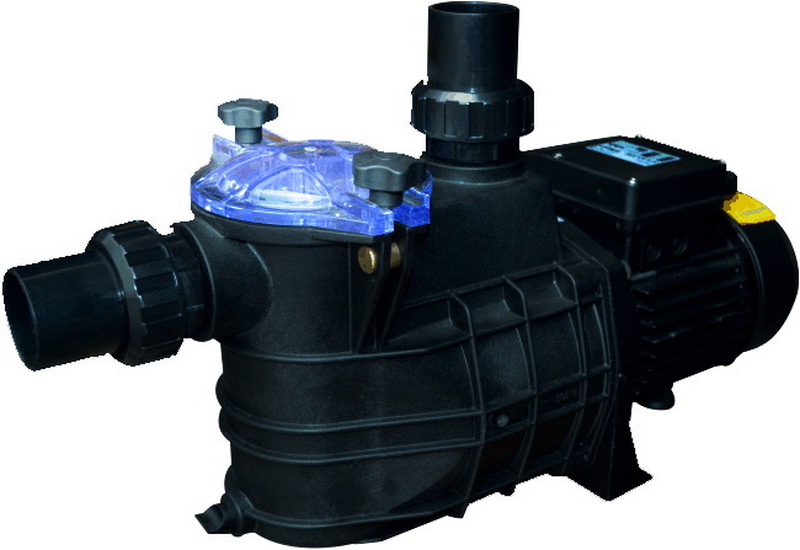
Most pool owners should aim to run the pump long enough each day to achieve at least one full water turnover, meaning the entire pool volume passes through the filter once in 24 hours. Industry practice and service companies often treat about 8 hours per day as a starting rule of thumb, then fine‑tune up or down based on clarity and usage.[2][5][6][4][7][1]
- Many guides recommend 8–10 hours of circulation for typical in‑ground pools, with above‑ground pools sometimes needing 6–8 hours due to smaller volumes.[5][7]
- Turnover time depends on pool volume and pump flow; larger pools or lower‑flow setups require longer run times to reach the same turnover.[6][7][2]
Several real‑world conditions affect both how long and which hours your pool pump should run each day. Adjusting for these factors keeps water clear without wasting energy or shortening equipment life.[3][4][7][2]
- Climate and season
- In hot summer conditions, pumps often need 10–12 hours of daily run time or even two turnovers to control algae growth and sunscreen‑rich bather load.[7][2][3]
- In cooler winter months, 6–8 hours of circulation can be enough for many pools, especially when covered and used less often.[3][7]
- Pool usage and debris load
- Heavily used pools, pools with lots of leaves and dust, or pools hosting frequent parties usually need longer or higher‑speed runs to keep water clear and sanitized.[8][4][7]
- Lightly used, screened‑in, or covered pools can often maintain clarity with shorter, lower‑speed cycles once chemistry is balanced.[4][7]
- Pump and filter type
- Single‑speed pumps tend to run fewer hours at full speed because of high power draw, while variable‑speed pumps can run much longer at low RPM with similar or lower energy cost.[9][10][2]
- Filter size and media (sand, DE, cartridge) influence flow resistance and how quickly pressure rises, which in turn affects how long you can run efficiently between cleanings.[2][7]
Even though every pool is different, there are some practical hourly guidelines that work for many homeowners. These ranges are usually refined after observing water clarity, chemical stability, and energy bills for a few weeks.[1][5][4][7][2]
- General daily run‑time ranges
- Many experts suggest running a residential pool pump around 8 hours per day as a baseline to achieve at least one turnover.[5][4][1]
- A broader “real life” range is 8–12 hours, with the upper end used for hot climates, salt pools, or heavy use.[8][7][3]
- Sample recommendations by pool type
- In‑ground pools: Often around 8 hours per day, adjusted for volume and sun exposure.[7][5]
- Above‑ground pools: Often about 6–8 hours, with smaller volumes moving through the filter faster.[7]
- Seasonal adjustments
- Summer: 10–12 hours per day is common because warm water and long daylight periods favor algae and faster chlorine consumption.[2][3]
- Winter or low‑use periods: 6–8 hours can be enough to keep water from stagnating and to distribute chemicals evenly.[4][3]
The question “when should my pool pump run” is not only about total hours, but also about which hours of the day to choose. Strategic timing can improve water quality and significantly reduce electricity costs.[11][5][2]
- Off‑peak electricity hours
- Many utilities offer cheaper power late at night or early in the morning, so scheduling most pump runtime in these windows can cut bills without sacrificing clarity.[11][2]
- Modern timers allow splitting runtimes into multiple non‑consecutive blocks, such as a few hours before dawn and a few hours in the evening.[1][11]
- Daytime vs nighttime circulation
- Running during the day helps with skimming floating debris, supporting chlorine added in the morning, and operating heaters and salt systems that may require stronger flow.[3][2]
- Night runs are useful to take advantage of cheaper power and to circulate shocks or algaecides added in the evening.[11][2]
- Non‑consecutive cycles
- You do not have to run the pump for 8 hours straight; it can be split into 2–4 blocks as long as the total daily runtime meets your turnover target.[1][11]
- This stop‑and‑start pattern is especially helpful for single‑speed pumps when balancing noise, usage, and power pricing.[2][11]
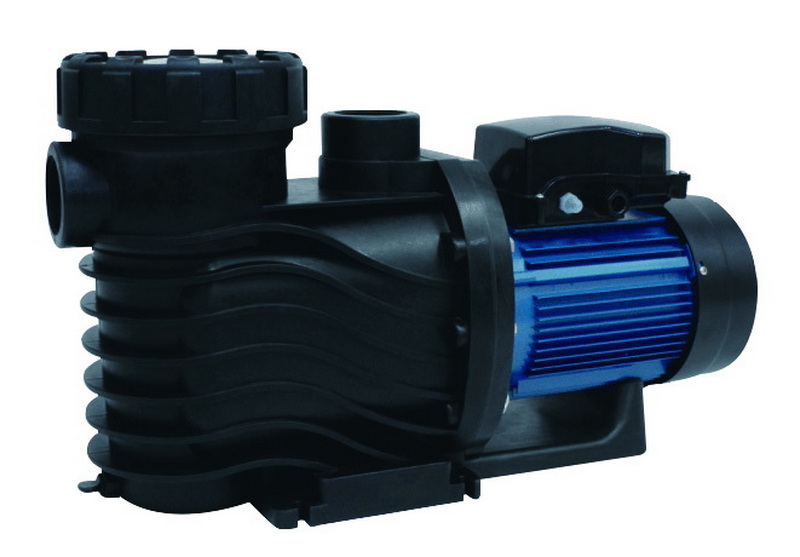
Single‑speed and variable‑speed pool pumps handle daily runtime very differently, even when the goal is the same number of turnovers. Understanding this difference helps owners choose a schedule that balances clarity, noise, and energy cost.[10][12][9][2]
- Single‑speed pumps
- These pumps run at one fixed high speed, so they typically operate 6–10 hours per day to complete one turnover while limiting power consumption.[4][7][2]
- Because the watt draw is high, running them 24/7 is usually too expensive, so owners rely on careful timer control.[10][4][2]
- Variable‑speed pumps
- Variable‑speed models can run much longer at low RPM while using far less energy per hour than single‑speed pumps at full speed.[12][9][2]
- Many recommendations call for about 12 hours per day with 3–4 hours on higher speed for skimming and vacuuming and 8–9 hours on low for basic filtration.[13][3][2]
- Energy comparisons
- Studies and industry comparisons show that a variable‑speed pump running for 24 hours at lower speeds can cost the same or less than a single‑speed pump running only about 5–8 hours per day.[9][12][10]
- Lower RPM also reduces noise and mechanical stress, helping extend pump and filter life while improving overall water circulation.[12][9]
Instead of relying only on generic rules, pool owners can calculate a more precise daily runtime based on pool volume and pump flow rate. This calculation helps optimize hours for both water quality and energy savings.[6][7][2]
- Step 1: Find pool volume
- Measure or estimate pool length, width, average depth, and shape to determine total gallons.[6][2]
- Many service companies and online calculators provide quick volume tools based on common shapes such as rectangles or kidney pools.[7][2]
- Step 2: Determine pump flow rate
- Check the pump's nameplate, performance chart, or manufacturer literature to find gallons per minute (GPM) at your system's typical head pressure.[6][2]
- Flow can be roughly estimated from filter size and pressure, but a proper chart or professional assessment is more accurate.[2][6]
- Step 3: Use the turnover formula
- A common formula is: Turnover time in hours equals pool volume in gallons divided by (flow rate in GPM multiplied by 60).[6][7][2]
- Example: A 20,000‑gallon pool and a system moving 2,400 gallons per hour (40 GPM × 60) would need about 8.3 hours to complete one turnover.[2][6]
Deciding whether to run the pool pump mainly during the day, at night, or in a mixed schedule involves trade‑offs in skimming performance, heater and salt system operation, and electricity pricing.[3][11][2]
- Advantages of daytime runtime
- Better surface skimming while leaves, bugs, and pollen are actively falling into the water, reducing manual netting.[3][2]
- Supports chlorine added in the morning and ensures heaters and saltwater chlorine generators see adequate flow during the main swim period.[3][2]
- Advantages of nighttime runtime
- Often takes advantage of lower off‑peak electricity rates, especially in regions with time‑of‑use billing plans.[11][2]
- Provides quiet circulation while the pool is not in use, helpful for owners who want less pump noise during the day.[11][2]
- Mixed schedules
- Many owners split runtime, for example 3–4 hours around dawn and 4–6 hours in the mid‑afternoon, to balance skimming performance and power prices.[1][11]
- As long as total daily runtime reaches the required turnover, non‑consecutive scheduling is perfectly acceptable.[1][11]
Below is a simple example table you can convert into a design graphic for your blog, showing typical daily schedules for different setups.[7][2][3]
| Pool & Pump Type | Total Hours/Day | Example Schedule (24 h) | Notes |
|---|---|---|---|
| Medium in‑ground, single‑speed | 8 hours | 4 h early morning, 4 h late afternoon | Baseline 1‑turnover setup in mild climate.swimmingpool+1 |
| Large in‑ground, single‑speed (hot climate) | 10–12 hours | 6 h daytime, 4–6 h off‑peak night | Extra runtime for heat and algae control.lesliespool+1 |
| Above‑ground, single‑speed | 6–8 hours | 3 h morning, 3–5 h evening | Smaller volume; adjust if water clouds.aquapoolsupply |
| In‑ground, variable‑speed | 12 hours | 3–4 h high RPM + 8–9 h low RPM | Common recommendation for VS pumps.lesliespool+1youtube |
| In‑ground, variable‑speed (efficiency focus) | 18–24 hours | Continuous low speed, brief high‑speed bursts | Uses low watt draw to maximize circulation.clearcomfort+2 |
Beyond calculating hours, owners can tweak run schedules and system setup to get cleaner water at lower cost. Simple adjustments and regular maintenance help maintain strong flow and stable chemistry.[4][7][2]
- Maintain clean filters and baskets
- Backwash sand or DE filters and clean cartridge elements whenever pressure rises 8–10 psi over clean baseline to keep flow efficient.[7][2]
- Empty skimmer and pump baskets frequently so the pump does not waste energy pushing against clogged strainers.[4][2]
- Use automation and smart controls
- Built‑in timers, automation systems, and Wi‑Fi controllers make it easy to run during off‑peak hours and adjust schedules seasonally.[11][2]
- Some smart systems can integrate weather and energy‑price data to automatically modify daily runtime.[12][2]
- Monitor results and fine‑tune
- If water starts to look dull, cloudy, or if chlorine demand rises, increase daily run time by 1–2 hours and re‑evaluate after a few days.[4][2]
- Once the pool is consistently clear and chemistry is stable, experiment with reducing runtime slightly to find the most efficient setting.[2][7]
For overseas brands, wholesalers, and pool equipment manufacturers looking to optimize run‑time efficiency, choosing reliable pumps and filters is crucial. A well‑matched system with correctly sized sand filters, variable‑speed pumps, and energy‑efficient accessories can achieve required turnovers with fewer hours and lower operating cost.[9][12][2]
- A China‑based OEM factory can supply private‑label sand filters, DE filters, cartridge filters, high‑efficiency pumps, LED pool lights, and related accessories tailored to different markets and pool sizes.
- Using intelligent production and quality control, these OEM products can be configured to meet regional electrical standards, plumbing sizes, and preferred run‑time strategies for both residential and commercial pools.[9]
For most pools, the pump should run long enough each day to complete at least one full water turnover, which usually means somewhere around 8–12 hours of circulation depending on climate, usage, and equipment. By calculating turnover, using off‑peak power windows, choosing an efficient variable‑speed pump, and adjusting for seasons, pool owners can keep water clear and safe while minimizing energy costs and equipment wear.[9][12][1][3][4][2]
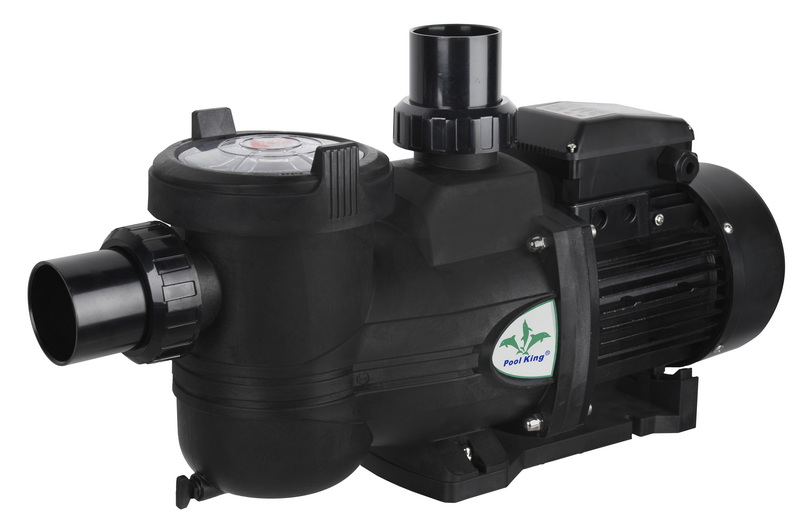
Yes, in almost all residential situations the pump should run every day so that all the water passes through the filter at least once every 24 hours. Skipping days allows debris and algae to build up, which usually costs more in chemicals and cleanup later.[6][3][7][2]
Running a single‑speed pump 24/7 is usually not economical, but many variable‑speed pumps can run nearly continuously at low RPM while using less energy than a high‑speed pump running a few hours. Some owners intentionally run variable‑speed pumps 18–24 hours a day to maximize turnover and maintain extremely stable water chemistry.[13][10][9][12]
If water stays clear, chlorine holds well, and there is no recurring algae, your current daily runtime is likely sufficient for your pool and environment. Persistent cloudiness, algae spots, or big swings in sanitizer levels often mean you need more hours, more flow, or better filtration.[3][4][2]
Yes, many owners increase runtime in summer and reduce it in winter, because warm water, heavier use, and sunlight increase chlorine demand and algae risk. When water is cooler, the pool is covered, or usage is low, you can often maintain clarity with several fewer hours per day.[4][7][2][3]
Saltwater pools often require enough runtime not just for filtration but also to keep the salt chlorine generator operating long enough each day to produce sufficient chlorine. This can translate into slightly longer or higher‑speed runs compared with a similar non‑salt pool, especially in hot, sunny climates.[2][3]
Yes, splitting runtime into two or more blocks is perfectly acceptable and is often recommended to align with off‑peak electricity rates and peak debris periods. The key is that the total hours across all blocks meet the turnover target for your pool size and pump flow.[1][11][6][2]
[1](https://www.swimmingpool.com/maintenance/pump&filter/how-long-to-run-pool-pump/)
[2](https://lesliespool.com/blog/how-to-calculate-pool-pump-run-time.html)
[3](https://www.aquagem.com/news/when-to-run-the-pool-pump-in-summer)
[4](https://www.pvcfittingsonline.com/blogs/resource-center/how-often-should-i-run-my-pool-pump)
[5](https://liquiduspools.com/blog/run-your-pool-pump/)
[6](https://www.doheny.com/help/calculate-pool-pump-run-time)
[7](https://aquapoolsupply.com/blogs/news/how-long-should-you-run-your-pool-pump-tips-for-efficiency-savings)
[8](https://www.reddit.com/r/pools/comments/pbcz27/how_long_should_i_run_my_pool_pump_each_day_i/)
[9](https://clearcomfort.com/variable-speed-pump-vs-single-speed-a-comparison/)
[10](https://www.swimmingpool.com/blog/comparing-variable-speed-pool-pumps-vs-single-speed/)
[11](https://www.swimuniversity.com/run-pool-pump/)
[12](https://www.cleanenergyconnection.org/article/variable-speed-pool-pumps-really-do-save-you-money-heres-how)
[13](https://www.youtube.com/watch?v=u4ExnupI26o)
[14](https://www.reddit.com/r/pools/comments/1cmuwx7/are_variable_speed_pumps_worth_the_extra_cost_if/)
[15](https://www.reddit.com/r/pools/comments/csj0s1/rule_of_thumb_for_pool_turnover_8hrs_10hrs_1_day/)
[16](https://www.facebook.com/groups/273395260599363/posts/1421226082482936/)
[17](https://www.youtube.com/watch?v=KotGPEwx-LQ)
[18](https://electricityplans.com/variable-speed-pool-pump-vs-standard-pool-pump/)
[19](https://www.facebook.com/groups/1407260559603442/posts/3049425362053612/)
[20](https://www.facebook.com/groups/273395260599363/posts/1121046789167535/)


