


Content Menu
● Why You Might Need to Extend a Pool Ladder
● Essential Tools and Accessories
● Step-by-Step Guide: Extending Your Pool Ladder
>> 1. Inspect Current Ladder Setup
>> 2. Assemble the Extension Kit
>> 3. Secure Ladder to Pool or Deck
>> 4. Add Safety Grips and Step Mats
>> 5. Test Ladder Stability and Safety
>> 6. Maintenance and Seasonal Adjustments
● Product Recommendations for Pool Ladder Extensions
● Advanced Tips: Custom DIY Extensions
● FAQs: Pool Ladder Extensions
>> 1. How do I know which extension kit fits my ladder?
>> 2. Can I use wood blocks to extend my pool ladder?
>> 3. Is it safe to add more than one extension to a pool ladder?
>> 4. What maintenance is required after extending the ladder?
>> 5. Are there special safety rules for commercial pool ladders?
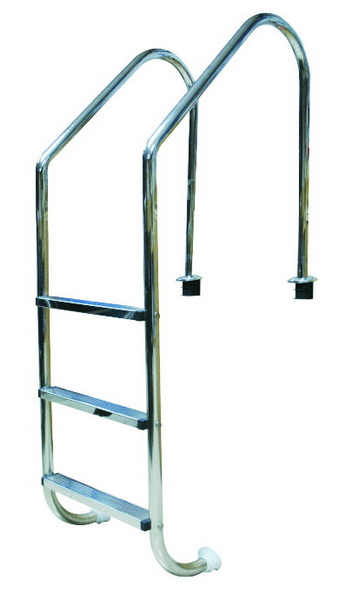
Extending a pool ladder is essential when you renovate your pool, upgrade your deck, or replace aging steps. Pool access safety, user comfort, and regulatory compliance all depend on having a properly fitted ladder. This guide covers step-by-step ladder extension instructions, recommended accessories, essential safety tips, and visual resources for both above-ground and in-ground pool setups. Whether you manage a resort, represent an international pool brand, or run a distribution business, the details here ensure your installations meet the highest standards.[1][2][3]
- Pool renovations raising deck height or water level.
- Upgrading to deeper pool basins.
- Compliance with new safety standards for commercial pools.
- Improving accessibility for children or elderly swimmers.[4][5][6]
A ladder that is too short or unstable increases the risk of slips and injuries. Extending your ladder ensures safe, ergonomic entry and exit for all users.[4]
Leading brands offer extension kits specifically for popular pool ladder models. For example:
- Confer 6000x Extension Kit extends the ladder up to 66”.[2][1]
- Ladder risers add 3-inch increments to compatible ladders (max two risers per ladder).[2]
- Additional tread steps and boots for enhanced stability.
- Slip-resistant ladder grips or rail runners improve handhold safety.[7]
- Heavy-duty step mats or pads cushion feet and enhance stability.
- Lockable barriers restrict unsupervised pool entry when ladder is not in use.[5]
Follow these best practices for extending removable, stationary, or deck-mounted pool ladders. Always verify your ladder model and extension kit compatibility before beginning.
- Measure the required extension (height from pool bottom to deck or ground).[8]
- Check compatibility for extension kits or risers based on ladder brand and model.[9][1][2]
- Lay out all kit components: extension boots, tread steps, bolts, washers.[1][9]
- Attach extension boots to the ladder legs per the manufacturer's instructions.
- Add extra treads as needed to reach the desired height.
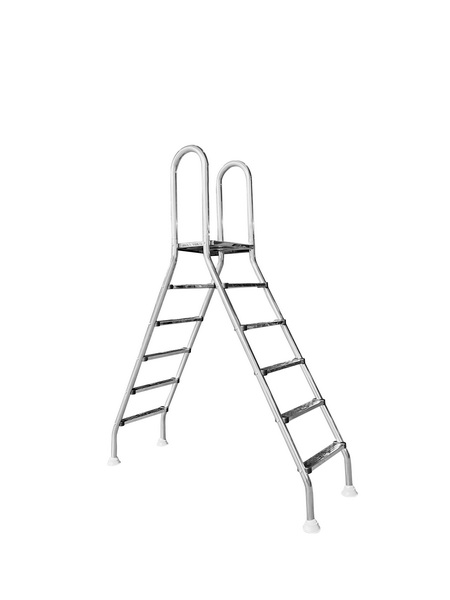
- Use adjustable support tubes, mounting blocks, or anchor brackets according to ladder style–deck ladder or A-frame.[3][9]
- Attach mounting brackets securely with recommended hardware and silicone sealant for waterproof integrity.[3]
- Adjust and test ladder fit, verifying that bottom tread aligns flush with pool liner or surface.[8][9]
- Install slip-proof rail runners on handrails if available.[7]
- Attach cushioned mats to each ladder tread to increase stability.[7]
- Double-check for exposed or sharp edges; cover any bolts.
- Apply downward pressure to each step to confirm secure anchoring.[13]
- Inspect for wobbling or flex; correct by repositioning support feet or blocks.[8]
- Remove or lock the ladder when pool is not in use to prevent unauthorized access.[5]
- Regularly check nuts, bolts, and brackets before each use.[13][4]
- Remove ladder at the end of season and drain water from treads and stringers.[8]
| Product Name | Function | Compatibility | Image/Video |
|---|---|---|---|
| Confer 6000x Extension Kit | Height extension (up to 66”) | Confer 6000x ladder | 6000X Install |
| Ladder Risers (EB100X) | 3” increments (max 2 per ladder) | Confer 635/726/736 | Accessory Store |
| Slip-resistant Rail Runners® | Handrail grip/safety | Most round rails | Replacement Parts |
| Aqua Select Step Mat | Step cushioning/comfort | Most tread styles | Replacement Parts |
| Blue Torrent Antigua Step | Replacement step for wider or deeper ladders | Blue Torrent Antigua | Pool Accessory Sites |
For unique pool setups or older ladder models, practical DIY solutions can supplement commercial kits:
- Use pressure-treated wood blocks (e.g., 2”x6”) to add several inches under bottom steps for quick elevation.[6]
- Secure ladder feet with patio blocks for extra support, especially on uneven ground or non-deck surfaces.[9][8]
- Always use weather-resistant hardware for outdoor installations.
- Never allow more than one person to climb the ladder simultaneously.[4]
- Supervise children using pool ladders, and remove access when unsupervised.[5]
- Use only compatible accessories and extension kits to avoid instability or damage.[1][2]
- Maintain minimum step width (typically ≥3 inches) and ensure all steps are non-slip.[5]
- Cover all protruding bolts or sharp edges.[5]
Properly extending your pool ladder improves safety, accessibility, and enjoyment for all swimmers. From specialized extension kits to DIY techniques, the right approach depends on your pool's dimensions and intended use. By investing in premium accessories, following rigorous installation steps, and prioritizing regular maintenance, your pool entry system can deliver reliable performance for years to come. For international brands and distributors, partnering with reputable OEM factories ensures access to world-class pool filtration, ladder, pump, and accessory solutions.
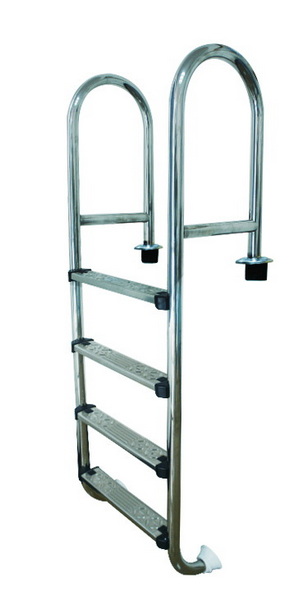
Extension kits are model-specific; check the original ladder brand and product number against kit specifications before purchasing.[2][1]
Yes, using pressure-treated wood under the ladder feet is an effective DIY solution when compatible commercial kits are unavailable.[6]
Most manufacturers recommend up to two risers or one extension kit per ladder for safety; exceeding this can cause instability.[1][2]
Check all fasteners and anchoring hardware before each use. Regularly inspect grip pads, step mats, and boot extensions for wear and tear.[13][4]
Commercial pools may require additional features—such as lockable barriers, higher weight limits, and OSHA/CPSC-compliant handrails and step widths.[15][5]
[1](https://www.thepoolfactory.com/products/confer-6000x-extension-kit)
[2](https://poolandspasupplystore.com/pools-and-equipment/above-ground-pool/ladders-and-steps/accessories)
[3](https://blog.watsons.com/blog/install-above-ground-pool-ladder)
[4](https://sternsbackyard.com.au/blogs/news/safety-tips-for-installing-and-using-above-ground-pool-ladders)
[5](https://www.poolfencediy.com/blogs/blog/pool-ladder-safety)
[6](https://www.facebook.com/groups/637529959937311/posts/2217728511917440/)
[7](https://www.poolsupplies.com/shop/ladders-accessories)
[8](https://www.doheny.com/media/Pdfs/16001-manual.pdf)
[9](https://images.inyopools.com/cloud/documents/200700t-assembly-instructions-for-use-with-200600t-200400t.pdf)
[10](https://www.youtube.com/watch?v=y3wBgeEd6xM)
[11](https://www.youtube.com/watch?v=xdSVGLKnaJ8)
[12](https://www.youtube.com/watch?v=ham2QiY9M7M)
[13](https://www.intexsales.com/b2cmnl/B2CMNLServlet?instantiate=B2cMnldownloadApp&action=pub_mnl&filnam=330IO_A0_1805_EN.pdf)
[14](https://www.youtube.com/watch?v=kBZZrt8Gop4)
[15](https://poolfence.com/pool-ladders-a-step-toward-safety/)
[16](https://www.facebook.com/groups/637529959937311/posts/2606376576385963/)
[17](https://poolpartstogo.com/blogs/pool-equipment/how-to-fit-a-ladder-to-your-above-ground-pool-the-right-way)
[18](https://www.wernerco.com/us/products/ladders/ladder-accessories)
[19](https://www.tiktok.com/discover/how-to-extend-my-pool-ladder-for-an-above-ground-pool)
[20](https://www.facebook.com/groups/637529959937311/posts/2478945099129112/)


