


Content Menu
● Key safety and ventilation rules
● Main types of pool pump covers
● Materials and design choices
● Step‑by‑step: simple DIY wall cover
>> 1. Plan clearances and layout
● Step‑by‑step: box‑style pump cover
>> 2. Add ventilation and access
● Aesthetic and landscaping ideas
● OEM and professional considerations
● FAQs about covering a pool pump
>> 1. Is it OK to completely enclose a pool pump?
>> 2. How much ventilation does a pump cover need?
>> 3. Can I use a regular garden storage box as a pump cover?
>> 4. What is the best material for a pool pump cover?
>> 5. Do pump covers reduce noise?
>> 6. How close can a cover be to electrical outlets and wiring?
>> 7. Can I hide the pump entirely behind landscaping instead of a structure?
A pool pump should be covered with a weather‑resistant, well‑ventilated enclosure that keeps off sun and rain, reduces noise, and still allows easy access for service. The key is to protect the motor and electronics without trapping heat or blocking airflow.[1][2][3]
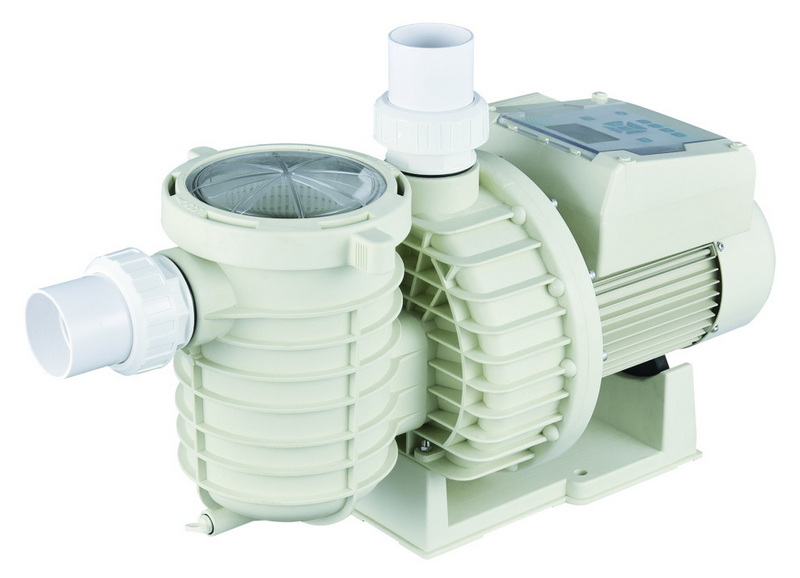
Protecting the pump is about extending service life, improving safety, and making the equipment area look cleaner. A good cover helps shield the motor from weather, reduce corrosion, and cut noise without affecting performance.[5][1][2]
- UV exposure can crack plastic housings, fade labels, and shorten motor life; a cover works like long‑term “sunscreen” for your equipment.[2]
- Rain and moisture accelerate rust, damage electrical components, and can lead to premature motor failure if the pump sits unprotected.[2]
- Many owners simply want to hide pipes and tanks so the pool area looks more like a backyard retreat than a utility zone.[4][3]
- Sound‑dampening walls or boxes can significantly reduce perceived pump noise around patios and windows.[1][2]
Any pool pump cover must allow ventilation and safe access, or you risk overheating and difficult maintenance. Treat the pump like an outdoor electrical appliance that needs fresh air and clearances around it.[3][6][1]
- Never seal the pump in an airtight box; use slatted, louvered, or vented panels so hot air can escape and cool air can enter.[1][5]
- Leave gaps or mesh near the motor end; some commercial covers use 1‑inch ventilation slots front and back to maintain airflow.[6]
- Avoid pushing the pump tight against solid walls; installers often keep at least about 0.5–1 m of space around equipment for ventilation and service access.[7][8]
- Any nearby outlet should be weatherproof and GFCI‑protected, with the motor case correctly grounded; the cover must not interfere with safe wiring.[9]
Pool equipment can be hidden and protected using walls, boxes, or sheds, each with different levels of coverage and cost. Choosing the right style depends on your budget, noise concerns, and how visible the pad is from the house.[4][3]
Walls are simple structures that block the view of the pump while leaving the top and back more open for airflow.[10][4]
- Quick to build using timber slats, composite panels, lattice, bamboo screens, or even glass for modern designs.[4][5]
- A single “pane” or L‑shaped fence can hide the equipment from the pool side while staying open at the back for full access.[11][10]
- Decorative screens can be painted or stained to match existing fencing and landscaping, blending the pump into the yard design.[3][4]
Boxes and low enclosures cover the pump from several sides, giving more weather protection and stronger noise control.[1][4]
- Pre‑fabricated resin or plastic storage boxes with vented sides and hinged lids are a popular off‑the‑shelf solution.[1][4]
- DIY builders often adapt horizontal garden sheds or storage benches into pump enclosures by cutting extra vents and access panels.[12][3]
- Proper designs include lift‑up lids or removable front panels so technicians can reach valves, unions, and electrical connections quickly.[6][1]
Sheds fully surround the pump, filter, and often the heater, turning the pad into a compact service room.[4]
- Factory‑made kit sheds or custom small buildings protect equipment from full sun, wind‑blown debris, and heavy rainfall.[4]
- When built correctly, they provide extra storage for chemicals, pool toys, and maintenance tools in addition to housing the pump.[4]
- Because they are enclosed, careful design of vents, louvered doors, or mechanical ventilation is essential to avoid trapped heat and humidity.[13][14]
The material you choose for a pump cover affects durability, maintenance, and how well it matches the rest of the backyard. Most residential projects use some combination of wood, composites, metal, or high‑grade plastic.[3][5][4]
- Wood: Pressure‑treated timber or cedar is easy to work with and can be stained to match decks or fences; it needs periodic sealing or painting.[15][3]
- Composite or vinyl: Low‑maintenance boards and panels resist rot and fading and are popular in modern, clean‑line enclosures.[5][4]
- Metal and aluminum: Slatted aluminum systems combine slim profiles, strong weather resistance, and built‑in ventilation.[5]
- Resin and plastic: Purpose‑built equipment boxes and converted storage sheds in resin are light, weather‑resistant, and fast to assemble.[12][1]
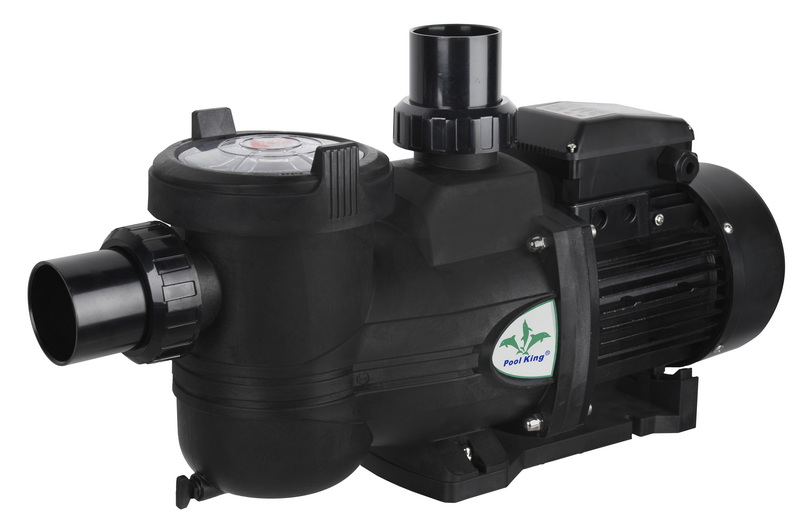
For many homeowners, the fastest way to cover a pool pump is to build a small ventilated fence or wall around it. The steps below describe a basic L‑shaped or three‑sided enclosure you can adapt to your site.[10][3][4]
Before building, confirm how much space is needed to work around the pump and filter.[8][3]
- Sketch the pad with pump, filter, and valves, then mark a wall line that stays several tens of centimeters away from all service points.[3][4]
- Keep the top fully open or high enough that air can flow freely over the motor, especially in sunny climates.[1][5]
- Decide whether a simple single panel, an L‑shape, or a U‑shape best hides the equipment from the main viewing angles.[11][10]
Strong, stable posts keep the enclosure safe in wind and bad weather.[15]
- Use treated wood or metal posts anchored in concrete footings or heavy post bases rated for outdoor use.[15][3]
- Build a frame slightly larger than the equipment pad, leaving intentional gaps between ground and lowest boards for drainage and airflow.[3][5]
- If using an L‑shape, place the corner post where it hides the most plumbing but still allows walking space behind the equipment.[11][10]
The infill panels do the real work of hiding the pump while letting air and sound move.[5]
- Install horizontal or vertical slats with small gaps between them to allow ventilation and reduce wind load.[3][5]
- Lattice, bamboo screens, or decorative composite panels can be fastened to the frame for rapid coverage and good aesthetics.[4][5]
- If access is needed on a regular basis, make at least one panel removable or hinged as a gate.[6][1]
A low box or cabinet can hide the pump more completely and reduce noise, provided you design enough ventilation. Many DIYers start with a resin storage box or build a simple wooden cabinet with a hinged lid.[12][1][3][4]
The box must be large enough for the pump, piping, and some working room.[6][1]
- Measure the pump, filter connections, and unions, then add generous clearance on all sides and above the motor.[1]
- If converting a prefabricated storage box, verify that its internal height allows hoses and rigid pipes to pass without kinking.[12]
- Plan where the suction and return pipes will enter or exit so you can cut clean, sealed openings.[12]
Boxes require intentional vents to prevent heat buildup around the motor.[1][5]
- Incorporate louvered side panels or drill rows of vent holes high and low on opposite sides to encourage air movement.[6][5]
- Some commercial pump covers use continuous ventilation gaps at the front and back; you can replicate this with raised lids or slatted fronts.[6][1]
- Install a hinged or lift‑off top so technicians can reach the pump lid, basket, and wiring without dismantling the whole box.[6][1]
A good finish keeps the cover attractive and durable for many seasons.[3][4]
- Seal all wood surfaces with exterior‑grade stain or paint; for resin or plastic, check that panels are UV‑stable and properly assembled.[12][4]
- Add rubber or foam gaskets where pipes pass through walls to reduce rattling and prevent water intrusion.[12]
- Integrate the box into surrounding landscaping with gravel, pavers, or low plants that do not block ventilation.[3][5]
A well‑designed cover can become a subtle feature instead of an eyesore in the yard. Matching materials and colors to existing structures usually creates the most harmonious result.[5][4][3]
- Use matching fence boards, deck materials, or house colors so the cover looks like part of the original design.[4][3]
- Add planter boxes, climbing plants, or decorative screens in front of solid walls to soften their appearance.[3][5]
- For modern homes, glass or sleek metal panels can create a clean, contemporary look around the pool equipment area.[5][4]
Brands, wholesalers, and builders specifying covers for new pools need to balance protection, safety, and serviceability. Well‑designed enclosures can also support premium positioning and quieter, more attractive equipment zones.[1][5][4]
- Standardize enclosure sizes and ventilation specs for typical pump‑and‑filter kits so installers know the correct minimum clearances.[6][1]
- Combine quiet, efficient pumps with sound‑dampening covers to reduce neighborhood noise complaints and increase perceived quality.[2][1]
- Offer optional equipment sheds or branded covers as upsell packages, ensuring they are compatible with heaters, multi‑speed pumps, and advanced filtration systems.[5][4]
Covering a pool pump correctly means striking the right balance between protection, ventilation, access, and appearance. Whether using a simple privacy wall, a ventilated box, or a full shed, the best covers keep equipment dry and shaded, allow plenty of airflow, and make maintenance fast and safe.[2][1][4]
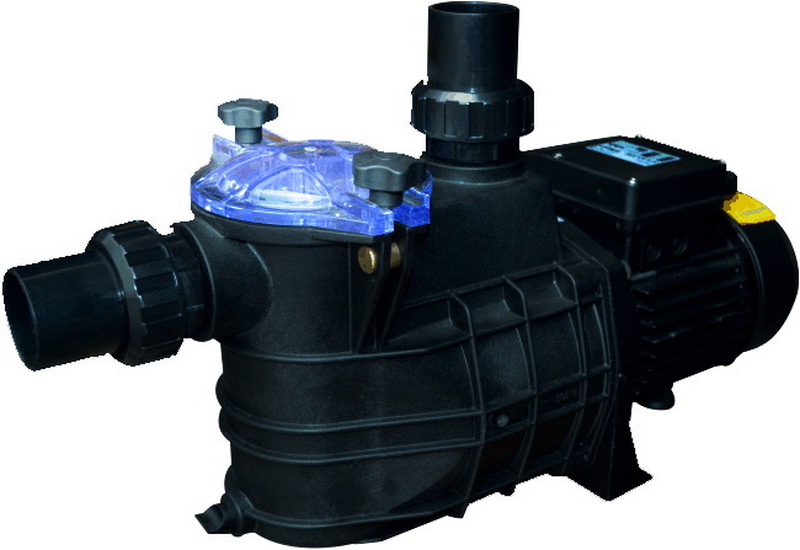
A pool pump should never be sealed in an airtight, unventilated box, because trapped heat can damage the motor and reduce its lifespan. Always include vents, gaps, or louvered panels to keep air moving around the equipment.[6][1][5]
There is no universal exact gap size, but experts recommend open slats or continuous ventilation gaps at the front and back so hot air can escape freely. The goal is to keep the pump area similar in temperature to the surrounding outdoor air, not like a sealed cabinet.[1][6][5]
Many homeowners repurpose resin storage boxes or small sheds, but they must be modified with added vents and cable/pipe openings. Check internal dimensions, then cut ventilation and access panels so the pump can be safely serviced and cooled.[12][6][1]
Durable, weather‑resistant materials like pressure‑treated wood, composite boards, aluminum slats, and quality resin boxes all perform well outdoors. The “best” choice is usually the one that matches your backyard style while providing good ventilation and low maintenance.[3][4][5]
Yes, solid walls, insulated panels, and enclosed boxes can noticeably reduce pump noise, especially high‑frequency humming and rattling. To avoid overheating, combine sound‑dampening with generous vent openings or slatted sections around the motor.[2][1][5]
Any nearby outlet should be weatherproof and GFCI‑protected, with sufficient space to keep cords dry and accessible. The cover should not pinch cables or block access to disconnects, and all metal parts must be properly bonded and grounded according to local codes.[16][9]
Strategically placed shrubs, planters, or small trees can soften views of equipment while allowing free airflow. Many owners combine low plants with partial walls or screens to preserve access and reduce debris collecting around the motor.[4][3][5]
[1](https://hayward.com/blog/post/6-ways-to-cover-your-pool-equipment)
[2](https://nonstopswim.com/blogs/news/how-to-cover-pool-pumps)
[3](https://www.cuindependent.com/diy-pool-pump-cover-ideas-for-a-neat-backyard/)
[4](https://intheswim.com/blog/pool-equipment-enclosure-ideas.html)
[5](https://foter.com/by/eliza-bush/swimming-pool-equipment-enclosures)
[6](https://poolpumpcover.com/product/flu-kit/)
[7](https://www.facebook.com/groups/1407260559603442/posts/3573196819676461/)
[8](https://www.workshop.bunnings.com.au/t5/Outdoor/How-to-build-a-pool-pump-cover-with-storage-and-ventilation/td-p/104341)
[9](https://www.facebook.com/groups/637529959937311/posts/2228177794205845/)
[10](https://www.reddit.com/r/pools/comments/hn4rdn/pool_equipment_enclosure_ideas/)
[11](https://www.reddit.com/r/pools/comments/1kpixjw/alright_people_show_me_how_you_hide_your_pool/)
[12](https://www.youtube.com/watch?v=Jla3O1XwoDs)
[13](https://www.youtube.com/watch?v=kQAg49G3m_U)
[14](https://www.innoventair.com/docs/librariesprovider3/default-document-library/aquatic-facilities-ventilation.pdf?sfvrsn=acbeb4ee_3%2FAquatic-facilities-ventilation.pdf)
[15](https://ashadeofteal.com/how-to-build-a-pool-or-ac-equipment-cover/)
[16](https://codes.iccsafe.org/content/IMC2021P1/chapter-4-ventilation)
[17](https://www.youtube.com/watch?v=3ruqZuo8Ids)
[18](https://www.tiktok.com/@eternalharvestdecor/video/7388271673314708782?lang=en)
[19](https://www.facebook.com/groups/123250067720449/posts/10017194088325948/)


