
Views: 222 Author: Tina Publish Time: 2026-01-13 Origin: Site


Content Menu
● Why Air in a Pool Pump Is a Problem
● Safety Precautions Before Bleeding Air
● Where Air Gets Trapped in a Pool System
● Step‑by‑Step: How to Bleed Air Out of a Pool Pump
>> 1. Shut Down and Secure the System
>> 2. Check and Adjust Water Level
>> 3. Open the Pump Lid and Prime the Basket
>> 4. Locate and Open the Air Bleed Valve on the Filter
>> 5. Restart the Pump and Let Air Escape
>> 6. Verify Flow, Pressure, and Pump Basket
>> 7. Repeat the Cycle if Necessary
● Troubleshooting Persistent Air Problems
● Prevention Tips for Air in Pool Pumps
● Related Questions and Answers
>> Q1: How often should air be bled from a pool filter?
>> Q2: Is it normal to see a few bubbles in the pool returns?
>> Q3: Can air in the pool pump damage the motor?
>> Q4: What if there is no bleeder valve on my system?
>> Q5: Why does my pump keep losing prime after I bleed the air?
>> Q6: How long does it usually take to bleed air out of a pump and filter system?
Bleeding air out of a pool pump is essential for strong water flow, quiet operation, and protecting the motor from running dry. This guide explains why air gets into the system, how to remove it step by step, and how to prevent it in the future.[1][2][3][4]
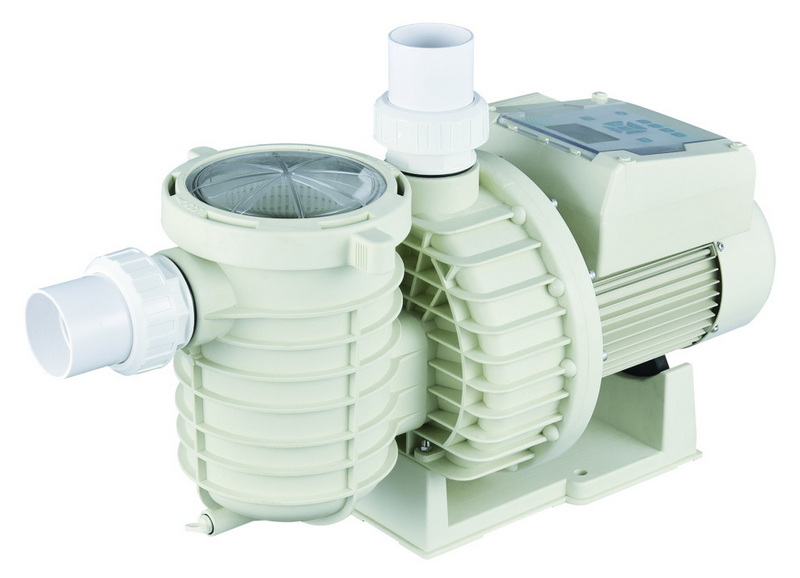
When a pool pump pulls air instead of water, the system loses prime, flow drops, and the motor can overheat or even melt internal parts. Air pockets also cause noisy operation, weak or sputtering returns, and can damage mechanical seals over time.[2][3][5]
Common symptoms of excess air in the pump and filter system include:[3][2]
- Bubbles from the return jets and a cloudy, aerated stream.[2][3]
- A see-through pump lid that shows swirling air pockets or a low water level in the pump basket.[5][2]
- Inconsistent filter pressure, noisy cavitation sounds, or a pump that loses prime after startup.[3][5]
Working around water and electricity at the same time requires strict safety rules. Always treat the pump and filter as pressurized equipment that can release water and air suddenly.[6][7][3]
Key safety steps before bleeding air from a pool pump:[8][6]
- Turn off power at the timer and breaker, and verify that the pump cannot start automatically.[6][8]
- Close valves slowly and never loosen clamps or lids on a pressurized filter tank.[7][5]
- Keep children and pets away from the equipment area during the procedure.[9][7]
A typical circulation system includes the skimmer, main drain, suction plumbing, pump, filter (sand, DE, or cartridge), heater, and return lines. Air can enter on the suction side (before the pump) and then become trapped in high spots such as the filter tank.[5][3]
The most common locations for trapped or incoming air are:[2][3][5]
- The skimmer throat when water level is too low and the skimmer gulps air.[3][5]
- The pump lid and lid O‑ring if they are cracked, dirty, or not lubricated and sealed.[2][3]
- Unions, valves, or fittings on the suction line that are loose or cracked.[4][3]
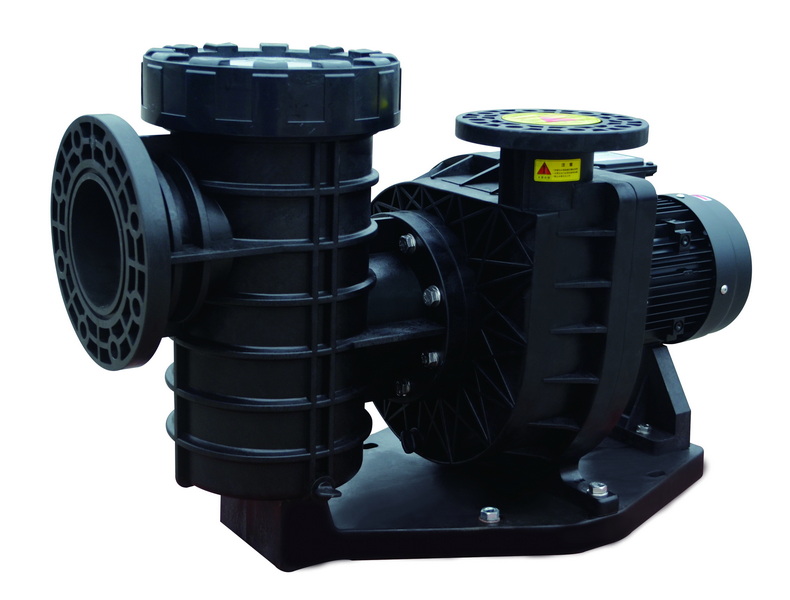
The exact steps are similar for sand, DE, and cartridge filter systems, but the air bleed component may be a knob, lever, or small valve on top of the filter. Follow these steps in order to safely remove air and restore a solid water flow.[1][9][8]
The first step is always to make the system safe and depressurized.[8][6]
- Turn off the pump at the control panel, timer, or switch, then shut off the breaker for extra safety.[6][8]
- Turn off any additional connected devices such as booster pumps, water features, or heaters.[1][3]
Bleeding air will not be effective if the skimmer keeps pulling in new air.[5][3]
- Verify that the pool water level is between about one‑half and three‑quarters up the skimmer opening.[3][5]
- If water is low, add water until the skimmer can draw only water, not a vortex of air.[10][3]
A partially empty pump basket is a clear sign of air in the system.[4][1][5]
- Remove the pump lid, inspecting the basket chamber: it should be full or nearly full of water.[1][2]
- Using a hose or bucket, fill the pump basket completely with clean water until it reaches the very top.[6][1]
- Inspect the lid O‑ring for cracks, flat spots, or dirt; clean it and apply a silicone‑based lubricant, or replace it if damaged.[2][3]
The air bleed or bleeder valve is usually on the top or upper side of the filter tank head.[9][8][1]
- Locate the small knob, screw, or lever labeled “Air Relief” or “Bleeder Valve” on the filter.[9][8]
- Turn the valve counterclockwise or rotate the lever slowly to open it; you should hear a hissing sound as air escapes.[8][9][1]
With the pump primed and the bleed valve open, you can restart the system to push air out.[9][8][1]
- Turn the breaker and pump switch back on while the bleeder valve remains partially open.[8][1]
- Observe the top of the filter: air will hiss out first, followed by a mixture of air and water, then a steady stream of water.[1][9][8]
- Once there is a solid stream of water with no spurting, close the bleeder valve firmly to seal the system.[5][8]
After bleeding, the system should run quietly with steady pressure and a clear pump lid full of water.[3][5][1]
- Check the pressure gauge on the filter; it should return to its normal operating range for your system.[5][3]
- Inspect the pump lid: water should fill the housing with no large pockets of air swirling at the top.[2][5]
- Check the return jets in the pool; they should deliver a strong, bubble‑free stream of water.[3][2]
Stubborn air pockets or minor suction leaks sometimes require more than one bleed cycle.[4][6][1]
- If small bubbles are still visible at the returns, repeat the process: shut down, open the bleeder valve, and restart until only water comes out.[9][1]
- Use short on/off cycles (5–10 seconds on, 30 seconds off) to help move remaining air toward the filter and out of the system, without running the pump dry.[4][6]
If air keeps returning after bleeding, there is usually a suction‑side leak or operating issue that must be fixed. Addressing these root causes will protect the pump and maintain efficient filtration.[4][5][2][3]
Key troubleshooting checks when air persists:[5][2][3]
- Inspect the pump lid and O‑ring again; replace cracked lids or distorted seals and ensure even tightening.[2][3]
- Examine unions, fittings, and valves on the suction side for drips, movement, or cracks, and repair or replace as needed.[4][3]
- Confirm that the water level is not dropping below the middle of the skimmer throat, especially during heavy pump operation or vacuuming.[10][3]
Good day‑to‑day practices reduce the chance of air getting into the pool pump and filter system. Simple inspections during routine maintenance can avoid expensive repairs.[3][4][5][2]
Helpful prevention habits:[4][2][3]
- Keep the pool water level within the recommended skimmer range at all times, especially in hot or windy weather.[10][3]
- Clean and lubricate the pump lid O‑ring regularly, and replace it at the first signs of damage or flattening.[2][3]
- Tighten unions and suction‑side fittings gently but firmly, and monitor for any new drips or small leaks around the pump.[3][4]
Bleeding air out of a pool pump is a simple but critical maintenance task that protects the motor, improves circulation, and keeps water crystal clear. By shutting the system down safely, priming the pump basket, opening the filter's bleeder valve, and verifying that flow has returned to normal, any pool owner can remove trapped air effectively and extend the life of the entire circulation system.[1][9][5][2][3]
A1: It is good practice to bleed air whenever the system is restarted after cleaning the pump basket, backwashing, or opening the filter, and any time you see bubbles at the returns.[9][5][3]
A2: A small number of bubbles right after startup can be normal, but constant bubbles usually mean ongoing air entering on the suction side or air trapped in the filter that needs to be bled.[5][2][3]
A3: Yes, running with significant air reduces cooling and lubrication, which can cause the pump to overheat and potentially melt parts or trip thermal protection in the motor.[2][3]
A4: Some setups rely mainly on priming the pump basket and allowing air to travel back to the pool through the returns, but many owners retrofit a small manual air relief or upgrade to a filter head with a proper bleeder.[14][15][6]
A5: Repeated loss of prime usually indicates a suction‑side leak, low water level, or a damaged pump lid seal; these issues must be located and fixed before bleeding will hold.[4][3][2]
A6: Simple air pockets often clear within 5–10 minutes, but systems with multiple leaks may require more time to diagnose and correct before normal operation is restored.[6][3]
[1](https://www.maygopool.com/n1882584/How-to-Get-Air-Out-of-a-Pool-Pump-8-Step-Guide.htm)
[2](https://poolpartstogo.com/blogs/articles/air-in-your-pool-pump-here-s-how-to-fix-it)
[3](https://www.eztestpools.com/blog/common-causes-of-air-in-your-pools-pump-filter-system/)
[4](https://downespool.com/how-to-get-air-out-of-pool-pump/)
[5](https://lesliespool.com/blog/how-to-fix-air-in-a-pool-pump.html)
[6](https://www.rafsun.com/how-to-bleed-air-out-of-a-pump/)
[7](https://www.reddit.com/r/pools/comments/15e5b2d/pool_filter_safety/)
[8](https://intexsupport.com/en/bleeding-the-cartridge-filter-pump/a-953/)
[9](https://www.youtube.com/watch?v=531Gmocmngs)
[10](https://www.youtube.com/watch?v=HBetPWU-wJg)
[11](https://www.youtube.com/watch?v=ENVMpArS5po)
[12](https://www.youtube.com/watch?v=BTmUF1ofWeA)
[13](https://www.youtube.com/watch?v=VUMJdNyQM5o)
[14](https://www.facebook.com/groups/1407260559603442/posts/3554899644839512/)
[15](https://www.youtube.com/watch?v=RJdJpPWxsQA)


