
Views: 222 Author: Tina Publish Time: 2026-01-12 Origin: Site


Content Menu
● Understanding smart pool ladders
● Types of pool ladder anchoring
● Safety rules before anchoring
● Tools and materials you will need
● How to anchor a smart ladder to a concrete deck (in‑ground pools)
>> Step 1: Plan and mark anchor positions
>> Step 2: Drill and clean anchor holes
>> Step 3: Set the anchor sockets
>> Step 4: Install and secure the smart ladder
● How to anchor a smart ladder to a deck or above‑ground pool
>> Step 1: Position the ladder or step system
>> Step 2: Fasten top brackets to the deck or ledge
>> Step 3: Add ballast or stabilizing weight
>> Step 4: Final stability and safety checks
>> 1. Do smart pool ladders need special anchors?
>> 2. Can I anchor a smart ladder directly to a vinyl pool wall?
>> 3. How heavy should ballast be for smart steps?
>> 4. How often should I check ladder anchors?
>> 5. Can I install ladder anchors myself or should I hire a professional?
>> 6. Will anchoring a ladder damage my deck?
How to anchor a smart pool ladder correctly comes down to choosing the right anchor style for your pool type, positioning it safely, and fastening it so there is zero wobble during use. Doing this well keeps swimmers safe, protects your pool structure, and extends the life of your ladder system.[1][2][3]
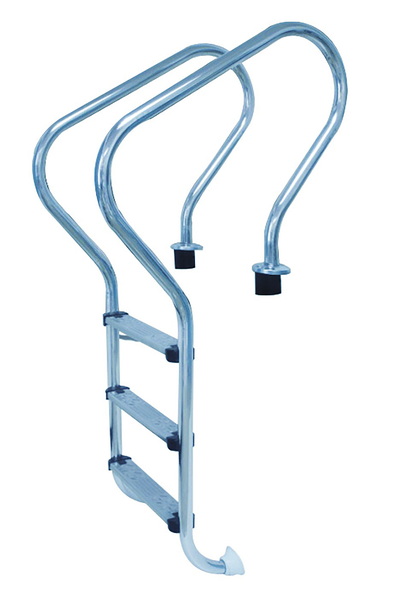
Smart pool ladders usually combine ergonomic handrails, non‑slip treads, and sometimes integrated sensors, lights, or safety locks, so they demand especially solid anchoring. Whether installed on an in‑ground deck or an above‑ground frame, the anchoring system must match the ladder's design and weight rating.[4][2][3][1]
Smart ladders often rely on a combination of deck anchors, ballast (water or sand inside the step body), and anti‑slip feet to stay perfectly stable. Matching the ladder to the right anchor kit is just as important as how it looks next to your pool.[5][2][3][1]
Different pool setups require different anchoring hardware, and choosing the right system is the first step before drilling or fastening anything. Using the wrong anchor type can cause wobbling, premature wear, or even damage your pool wall or coping.[2][3][4][1]
- Deck anchors for in‑ground pools: Cast brass, bronze, or aluminum sockets set into concrete decks to hold stainless steel or composite rails.[6][4]
- Surface‑mount brackets: Hardware that bolts into wood or composite decks for above‑ground or semi‑in‑ground designs.[7][1]
- Ballast and floor pads: Weighted steps or internal sand/water chambers to stop floating and shifting in above‑ground pools.[5][1]
In many smart step systems, ballast bags or trays provide vertical stability while deck anchors or safety straps keep the top section from moving. For ladders installed on timber decks, heavy‑duty lag screws and treated backing blocks are usually added to distribute the load.[8][9][1][5]
Before anchoring any ladder, safety planning should cover location, clearances, and local code requirements, especially for bonding and grounding metal components.[3][4]
- Placement: Choose a visible access point away from skimmers, returns, or structural buttresses, and keep the entry area easy to supervise.[1][7]
- Electrical bonding: For metallic ladders and anchors in in‑ground pools, follow bonding requirements specified in local codes and manufacturer manuals.[4][3]
The deck surface around the ladder should be flat, non‑slip, and free of loose tiles, screws, or trip hazards. Always check ladder weight limits and never allow more users than the ladder is rated for at one time.[3][1]
Having the right tools ready before you start anchoring a smart ladder makes the job faster and more professional. The exact list depends on your ladder kit, but most installations share a similar set of items.[2][4][1]
Typical tools and materials:
- Hammer drill or core drill (for concrete deck anchors).[10][4]
- Masonry bits or core bits sized for anchor sleeves.[10][4]
- High‑strength construction grout or epoxy for in‑ground anchor setting.[10][4]
- Wrenches and screwdrivers for rail and anchor bolts.[4][2]
- Stainless steel or coated hardware rated for pool environments.[6][3]
- Sand or pea gravel for filling ballast bags or step chambers.[5][1]
Personal protective equipment such as safety glasses, gloves, hearing protection, and dust masks is recommended while drilling and mixing grout. Keep the manufacturer's instruction manual nearby and double‑check part numbers before starting.[11][5][10][4]
Anchoring a smart ladder to a concrete deck usually means installing permanent anchor sockets in the deck surface and then tightening the ladder rails into those sockets.[10][4]
Measure the ladder's rail spacing and setback from the pool wall according to the technical sheet or manual. Transfer these measurements to the deck and mark center points where each anchor will be drilled.[1][4][10]
Check that the ladder will not interfere with skimmers, returns, or automatic cleaner lines. If needed, adjust slightly while keeping within the recommended span and distance from the water edge.[7][4]
Use a core drill or hammer drill to bore holes to the diameter and depth specified for the anchor sleeves. Keep the drill vertical and move slowly to avoid cracking or spalling the deck.[4][10]
Vacuum dust and debris from the holes so grout or epoxy can bond properly. A clean hole reduces the risk of anchors loosening over time.[10][4]
Dry‑fit anchor sleeves to confirm height and alignment so the top will sit flush or slightly below the deck surface. Use tape over the internal threads or opening to prevent grout from entering the anchor cavity.[4][10]
Mix high‑strength construction grout and fill around the anchors, consolidating the mix to remove air pockets. Trowel the surface smooth and level with the existing deck, then allow the anchors to cure according to product instructions.[10][4]
Assemble the ladder rails and treads, ensuring all bolts are snug but not overtightened. Slide the ladder rails into the cured anchor sockets and check that the ladder sits plumb and square.[3][10]
Tighten the anchor bolts or clamping wedges until the ladder cannot move under firm side pressure. Add decorative covers or escutcheon plates to hide hardware and protect against corrosion.[6][3][10]
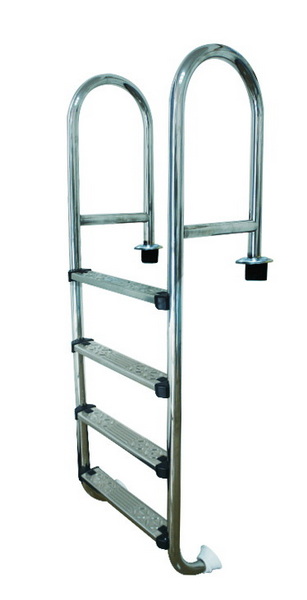
For above‑ground or deck‑mounted smart ladders and smart step systems, anchoring usually combines deck brackets at the top and ballast at the bottom.[5][1]
Place the ladder so the feet sit flat on the pool floor or pad, and the top rests evenly on the ledge or deck. Confirm that the entry/exit zone is clearly visible from the house or main seating area for supervision.[2][1]
Make sure the ladder does not press directly against thin pool walls or liner seams to avoid rubbing and damage. If needed, use a foam backer rod or pad between the step back and the wall.[1]
Align the mounting brackets or flanges on the deck edge and mark screw locations. Pre‑drill pilot holes in wood or composite decks, or use appropriate masonry anchors on concrete surfaces.[7][1]
Use corrosion‑resistant lag screws or bolts and tighten them fully so the top of the ladder cannot shift. For flexible decks or uneven surfaces, additional backing blocks or 2x4 bracing under the boards can increase rigidity.[9][8][3][1]
If your smart ladder includes ballast bags or internal chambers, fill them with the recommended amount of sand or pea gravel. Place the ballast over trays or inside cavities so the weight is centered and does not shift.[5][1]
Gently lower the weighted step or ladder into the pool while keeping it aligned with the wall. Once seated, push the unit back against the wall to eliminate “swim‑behind” entrapment spaces.[1][5]
Once anchored, pull and push the ladder from the top and sides to make sure there is no rocking or twisting. Ask an adult to climb slowly while another person inspects the feet, brackets, and deck attachment.[3][1]
Re‑check all bolts and screws after a few days of use because new hardware and deck boards may settle slightly. Build a routine to inspect the ladder weekly for corrosion, loose fasteners, and sharp edges.[3][1]
Avoiding a few common anchoring errors will keep your smart pool ladder safer and more durable.[1][3]
- Installing anchors too close to the pool edge or at the wrong spacing, which can stress rails or coping.[7][4]
- Leaving gaps behind steps that swimmers can get stuck in, especially children.[5][3]
- Using undersized or non‑corrosion‑resistant screws that eventually loosen or rust.[6][3]
Another frequent mistake is skipping bonding on metal anchors and rails where local code requires it, creating a potential electrical hazard. Following both the ladder manufacturer's instructions and your regional pool regulations is essential for safe installation.[4][3]
Anchoring a smart pool ladder is not just a cosmetic detail; it is a critical safety step that protects every swimmer who enters or exits your pool. By selecting the right anchor style, drilling and fastening correctly, adding proper ballast, and performing regular safety checks, you create a stable, professional‑grade access system for your pool.[3][10][1]
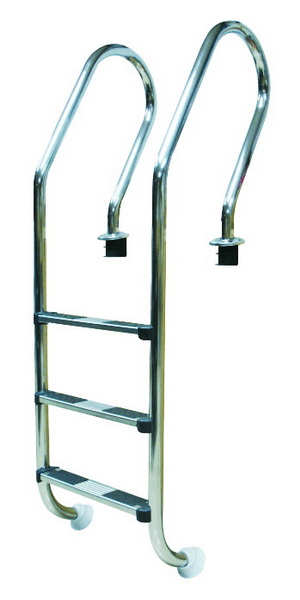
Most smart pool ladders use standard deck anchors or deck‑mount brackets, but the anchor size and spacing must match the ladder's technical sheet. Some smart step systems also require ballast bags or internal weight chambers in addition to top mounting hardware.[5][10][4][1]
Anchoring directly to a vinyl wall is not recommended because the thin steel or resin wall and liner can be damaged by concentrated loads. Instead, anchor to a nearby deck or platform and let the ladder rest lightly against the wall with pads or foam protection.[7][1]
Many molded smart step systems require a total ballast weight close to 100 pounds or more to prevent floating, but the exact value is specified in the manual. Always follow the manufacturer's minimum and maximum fill recommendations to avoid structural stress.[1][5]
Anchors and fasteners should be checked after the first week of use, after any severe weather, and at least once per month during the swimming season. Seasonal opening and closing are also good times to inspect for rust, cracks, or loose hardware.[3][1]
Many experienced DIY owners can install anchors by following manuals and using proper tools, especially for simple deck‑mount brackets. For concrete core drilling, electrical bonding, or commercial facilities, professional installation is strongly recommended for code compliance and safety.[10][4][1][3]
Correctly installed anchors distribute load into the concrete or deck structure and should not damage a properly built deck. Problems usually arise only when anchors are placed too close to edges, into rotten wood, or using incorrect hardware.[8][4][10][1]
[1](https://blog.watsons.com/blog/install-above-ground-pool-ladder)
[2](https://www.poolkingfilter.com/how-to-anchor-a-pool-ladder.html)
[3](https://poolie.com/blog/general/enhance-pool-safety-with-handrail-and-ladder-installation/)
[4](https://www.doheny.com/media/Pdfs/26401-install.pdf)
[5](https://mainaccess.com/wp-content/uploads/2021/04/NEW_Smart-Step-Instruction-Manual-6-page.pdf)
[6](https://www.wildwestpoolsupplies.com/deck-anchors/)
[7](https://littledipperpools.com/need-a-pool-ladder-installation-heres-what-to-know-before-you-buy/)
[8](https://www.facebook.com/groups/637529959937311/posts/2589545668069054/)
[9](https://www.facebook.com/groups/637529959937311/posts/2266741880349436/)
[10](https://www.youtube.com/watch?v=T9S4w0_7CVM)
[11](https://mainaccess.com/smart-step/)
[12](https://www.youtube.com/watch?v=cqGXFASqmak)
[13](https://www.youtube.com/watch?v=kBZZrt8Gop4)
[14](https://www.royalswimmingpools.com/handrail-and-ladder-anchors.html)
[15](https://www.facebook.com/groups/637529959937311/posts/2266819933674964/)


