
Views: 222 Author: Tina Publish Time: 2026-01-25 Origin: Site


Content Menu
● What a pool filter cartridge actually does
● When to use acid on a pool filter
● Step 1: Turn off system and remove the pool filter
● Step 2: Rinse the pool filter cartridge thoroughly
● Step 3: Degrease before acid washing
● Step 4: Mix the muriatic acid solution
● Step 5: Soak the pool filter in the acid solution
● Step 6: Rinse and neutralize
● Step 7: Dry, reassemble, and restart the system
● Recommended maintenance schedule for a pool filter cartridge
● Alternatives to muriatic acid for pool filter cleaning
● Common mistakes to avoid when acid‑cleaning a pool filter
● How a clean pool filter supports overall water balance
● FAQ
>> 1. How often should a pool filter cartridge be acid washed?
>> 2. Can muriatic acid damage a pool filter cartridge?
>> 3. Is it safe to pour used acid from a pool filter bath into the pool or drain?
>> 4. What is the difference between regular cleaning and acid cleaning for a pool filter?
>> 5. Can the same acid‑cleaning method be used for all types of pool filters?
Cleaning a pool filter cartridge with muriatic acid is an advanced deep‑cleaning method that removes stubborn calcium, metal stains, and mineral scale that regular rinsing cannot handle. Used correctly, it can restore flow, improve pool filter performance, and help maintain crystal‑clear water, but incorrect use can damage the cartridge and create serious safety risks. This guide explains when to use muriatic acid, how to prepare your work area, the exact cleaning steps for a pool filter cartridge, and how to stay safe throughout the process.
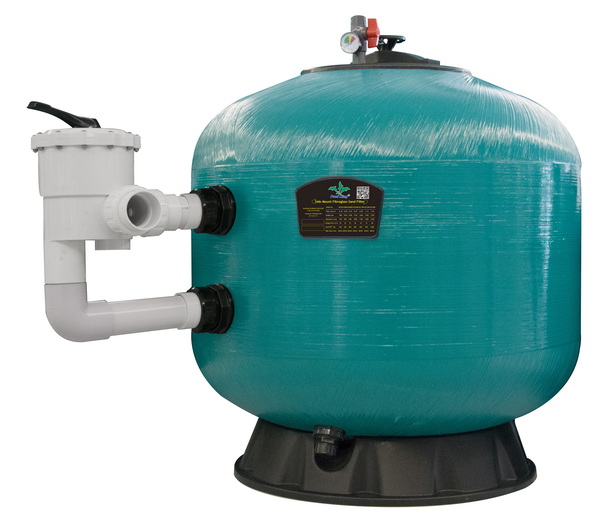
A pool filter cartridge is the heart of the circulation system, trapping fine particles that cloud water and strain the pump. As water passes through the pleated media of the pool filter, dirt, dust, pollen, algae, and other contaminants are captured in the folds. Over time, these particles, along with body oils, sunscreen, and dissolved minerals, build up on the pool filter surface and inside the pleats, restricting water flow.
When the pool filter becomes clogged, the pump must work harder, pressure rises on the gauge, and circulation efficiency drops. If this continues, water can quickly turn cloudy or green, even when the chemical balance is correct. Regular, gentle cleaning keeps the pool filter cartridge working efficiently, while occasional deep cleans with muriatic acid remove scale and mineral deposits that ordinary methods cannot.
Using muriatic acid on a pool filter requires strict safety precautions. Always treat this chemical as hazardous and plan the job in a well‑ventilated outdoor area, preferably on a flat surface away from vehicles, plants, and children.
- Wear chemical‑resistant gloves, safety glasses or goggles, and old clothing or a protective apron.
- Keep children, pets, and non‑workers away from the pool filter cleaning area at all times.
- Work upwind so fumes from the muriatic acid do not blow into your face while handling the pool filter.
- Never mix muriatic acid with chlorine, bleach, or other pool chemicals during pool filter cleaning.
- Always add acid to water, never water to acid, to avoid splashing and dangerous reactions.
- Keep plenty of clean water nearby for emergency rinsing in case of splashes.
If you feel overwhelmed by the process or uncomfortable with acid, it is better to use commercial cartridge cleaners or hire a professional service to deep‑clean the pool filter.
A muriatic acid bath is not a routine step for every pool filter cleaning. It should be reserved for specific situations where scale or minerals have bonded to the cartridge material.
Signs that a pool filter cartridge may need an acid bath include:
- White, crusty deposits on the pleats that do not rinse away, often caused by calcium scale.
- Brown, orange, or rusty discoloration on the pool filter media, indicating iron or other metal staining.
- A persistent high pressure reading, even after thoroughly rinsing and soaking the pool filter in detergent.
- Hard, chalky build‑up on the cartridge end caps or bands around the pool filter.
Avoid frequent acid washing, as overuse can weaken the bands and shorten pool filter cartridge life. If the cartridge is simply dirty with dust, pollen, cosmetics, and organic debris, a hose rinse and cartridge cleaner are usually enough. Acid washing should be seen as a corrective step, not part of weekly or monthly pool filter maintenance.
Preparing correctly makes cleaning a pool filter cartridge with muriatic acid safer and more efficient. Gather all tools and materials before you start so you are not tempted to cut corners.
You will need:
- Muriatic acid (pool‑grade or standard hardware‑store acid) for the pool filter bath.
- A large plastic container, bucket, or trash can big enough to fully submerge the pool filter cartridge.
- A garden hose with a spray nozzle for rinsing the pool filter before and after soaking.
- Non‑acid cartridge cleaner or mild detergent to degrease the pool filter before acid treatment.
- Safety gear: nitrile or rubber gloves, safety glasses or goggles, and optionally a respirator if fumes are strong.
- A plastic measuring cup or jug used only for handling chemicals and pool filter solutions.
- Baking soda or soda ash to neutralize the used acid solution after cleaning the pool filter cartridge.
- A small plastic or wooden stir stick for mixing the solution, never metal.
Start by shutting down the circulation system so the pool filter can be safely removed. Working on a pressurized pool filter is dangerous and can damage components.
1. Turn off the pump at the control panel and, if possible, shut off power at the breaker to avoid accidental starts.
2. Open the air relief valve and, if your system includes one, remove the drain plug on the pool filter tank to release pressure and water.
3. Undo the clamp, band, or bolts that seal the filter tank. Follow the manufacturer's instructions carefully for your specific pool filter model.
4. Carefully lift out the pool filter cartridge from the housing, supporting it with both hands to avoid dropping or cracking the end caps.
5. Inspect the pool filter cartridge for torn pleats, cracked end caps, soft spots, or broken bands. If the cartridge is badly damaged, replacement is usually better than acid washing.
Before any chemical treatment, the pool filter cartridge must be fully rinsed to remove loose debris. This prevents dirt and oils from reacting with the acid and binding deeper into the media.
1. Use a garden hose with moderate pressure, keeping the spray at about a 45‑degree angle to the pleats.
2. Work from top to bottom, rotating the pool filter cartridge as you go so the water flushes debris out from between the folds.
3. Pay special attention to the areas near the end caps, where dirt often accumulates and clumps inside the pleats of the pool filter.
4. Avoid using a pressure washer, as the high intensity stream can tear the pleats or create channels in the pool filter media.
5. Continue rinsing until most visible dirt, leaves, sand, and insect parts are removed and the pool filter looks generally clean.
At this stage, the pool filter may still show oily residue and scale; that is expected and will be addressed in later steps.
Oils and grease must be removed before exposing a pool filter cartridge to muriatic acid. If you skip this step, the acid can react with oils and cause them to bond more tightly to the media, reducing pool filter performance.
1. Prepare a soaking solution with a commercial cartridge cleaner or a mild detergent in warm water according to the instructions.
2. Place the pool filter cartridge in a plastic tub or bucket and fully submerge it in the cleaning solution.
3. Allow the pool filter to soak for several hours or overnight if it is heavily soiled with sunscreen, body oils, or spa products.
4. After soaking, use the garden hose again to rinse the pool filter thoroughly, making sure all cleaner and loosened oils are flushed out of the pleats.
5. Check the feel of the pool filter; if it no longer feels slick or greasy, the cartridge is ready for the acid step.
Degreasing is one of the most important steps in protecting the pool filter cartridge because it ensures that the acid targets only mineral deposits rather than organic contamination.
Correct dilution is critical when using muriatic acid on a pool filter cartridge. Too strong a concentration can quickly damage the pleats and plastic components.
- A common starting point for a pool filter acid bath is a 1:20 ratio of acid to water, meaning one part muriatic acid to twenty parts water.
- For extremely scaled pool filter cartridges and when permitted by the manufacturer, some people use stronger mixtures, but this increases risk and should be approached carefully.
- If you are unsure, always choose a weaker solution and shorter soak time; you can repeat a gentle acid wash, but you cannot reverse damage to a pool filter.
To mix the solution safely:
1. Place the plastic container on stable, level ground in a well‑ventilated area away from metal objects and vegetation.
2. Fill the container with the required amount of clean water first; never start with acid.
3. Slowly add the measured muriatic acid to the water, pouring carefully and avoiding splashes.
4. Stir gently with a plastic or wooden stick until the solution is evenly mixed.
5. Keep your face away from the opening and avoid breathing the fumes as they rise from the container.
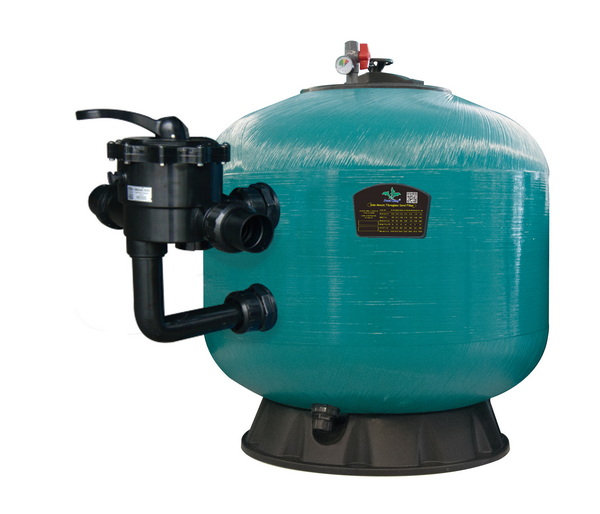
Once the solution is prepared, submerge the pool filter cartridge for a controlled soaking period. The acid dissolves calcium carbonate and mineral deposits bonded to the pool filter media.
1. Place the pool filter cartridge upright in the container, making sure it is completely covered by the solution.
2. Watch for bubbles forming around the pleats; this indicates the acid is reacting with the scale on the pool filter.
3. For a 1:20 mixture, soaking time is typically between 20 and 60 minutes. Start at the shorter end to protect the pool filter and extend if necessary.
4. Avoid leaving the pool filter cartridge unattended for many hours. Over‑soaking can weaken the fibers and plastic components.
5. If heavy bubbling stops quickly and scale remains, consider a second short soak rather than a single long one, especially if you want to extend the life of the pool filter.
During the soak, gently rotate the pool filter cartridge once or twice, if safe to do so, to ensure even exposure to the acid solution.
After the acid bath, the pool filter cartridge must be rinsed extremely well, and the spent solution must be neutralized and disposed of safely.
1. Wearing gloves and eye protection, carefully remove the pool filter cartridge from the container and place it on a non‑reactive surface.
2. Immediately rinse the pool filter thoroughly with a garden hose, spraying between each pleat from different angles to ensure no acid remains.
3. Continue rinsing until there is no odor of acid and the water running off the pool filter is clear and clean.
4. Set the cartridge aside to drain while you deal with the used acid solution.
5. Slowly add baking soda or soda ash to the container, a little at a time, to neutralize the acid. Stir and allow the mixture to bubble until the reaction slows.
6. Once neutralized and cooled, dispose of the solution according to local regulations, never directly into storm drains or onto plants.
Proper rinsing is essential; any residual acid in the pool filter can bleed into the circulation system and affect water balance or damage equipment.
Once clean, the pool filter cartridge must be dried and reinstalled correctly to restore proper filtration. A correctly reassembled pool filter helps maintain stable water quality and system pressure.
1. Allow the pool filter cartridge to air‑dry in a shaded, well‑ventilated area. Direct sunlight for long periods can degrade some plastics, so moderate shade is best.
2. Inspect the now‑clean pool filter once more for cracks, soft spots, or broken bands that might have been hidden by dirt before the acid wash. Replace if necessary.
3. Return the pool filter cartridge to the housing, making sure it is seated properly on the bottom and aligned correctly.
4. Reassemble the tank following the manufacturer's instructions, ensuring that all O‑rings, seals, and clamps are correctly positioned.
5. Close drains and air relief valves as instructed, then restore power and start the pump.
6. Once water is flowing, slowly open the air relief valve to release trapped air from the pool filter tank until a steady stream of water appears.
7. Check the pressure gauge and note the new “clean” pressure reading for the pool filter; this value will serve as a reference for future maintenance.
To maximize the life of a pool filter cartridge, combine routine maintenance with occasional deep‑cleaning steps. A balanced schedule usually includes:
- Frequent quick rinses: Rinse the pool filter with a hose whenever the pressure rises 7–10 psi above the clean baseline or at least every 4–6 weeks during the swimming season.
- Periodic detergent soaks: Every few months, soak the pool filter in a cartridge cleaner to remove oils and lotions that basic rinsing misses.
- Rare acid washes: Perform an acid bath only when scale or metal staining is clearly visible and routine cleaning no longer restores normal pressure. For many pools, this is once every 1–3 years.
- Timely replacement: Even with careful care, pool filter cartridges have a finite life. Most residential pool filters last one to three seasons, depending on pool size, usage, and water balance.
By tracking pressure and visual appearance, pool owners can anticipate when a pool filter needs attention instead of waiting for water clarity problems to appear.
Some pool owners prefer gentler methods for cleaning a pool filter cartridge, especially in households with children or pets. These options can be safer for both users and filter media.
- Commercial cartridge cleaners: These products are specifically formulated for pool filter media and often combine detergents and mild acids that are less aggressive than straight muriatic acid.
- Vinegar soaks: A solution of water and white vinegar can dissolve light scale and help remove mineral deposits from a pool filter, although the process may take longer.
- Enzyme and oxygen‑based cleaners: These products break down organic contamination and some deposits without harsh fumes, providing a milder pool filter cleaning alternative.
- Professional service: Many pool service companies offer deep‑cleaning programs or cartridge exchange services, reducing direct handling of chemicals.
If you choose an alternative method, always make sure the product is labeled as safe for your specific pool filter material and follow the manufacturer's directions carefully.
To protect both your pool filter and your safety, avoid these frequent errors:
- Skipping the degreasing step and moving straight to acid, which can trap oils in the pool filter media.
- Using an overly strong acid mixture or soaking for too long, leading to premature breakdown of the pool filter cartridge.
- Mixing chemicals or adding acid to a container that still contains chlorine or other pool products.
- Ignoring manufacturer recommendations for your specific pool filter brand and model.
- Failing to neutralize and properly dispose of the used acid solution after cleaning the pool filter.
Being aware of these issues helps you clean efficiently while preserving the life of the pool filter cartridge and protecting your equipment.
A clean, efficiently functioning pool filter cartridge does more than just trap dirt; it works together with the pump and chemical system to keep water clear and healthy. Good filtration lets sanitizers and pH adjusters work more effectively, since fewer contaminants are circulating. When the pool filter is clogged, water may look dull or cloudy even if chemical tests appear normal.
By maintaining the pool filter properly, including periodic deep‑cleaning with muriatic acid when appropriate, you reduce strain on the pump, extend the life of other equipment, and use fewer corrective chemicals. In the long run, a disciplined approach to pool filter care saves money, improves swimmer comfort, and keeps the pool looking inviting.
Cleaning a pool filter cartridge with muriatic acid is a powerful but advanced maintenance technique that should only be used after thorough rinsing and degreasing. By following strict safety precautions, mixing a properly diluted solution, limiting soak time, and rinsing and neutralizing carefully, pool owners can remove stubborn scale and mineral deposits that ordinary methods cannot touch. When integrated into a broader maintenance plan that includes regular hose rinses, detergent soaks, and timely replacement, a carefully executed acid wash can restore strong, efficient pool filter performance and support consistently clear, well‑balanced water.
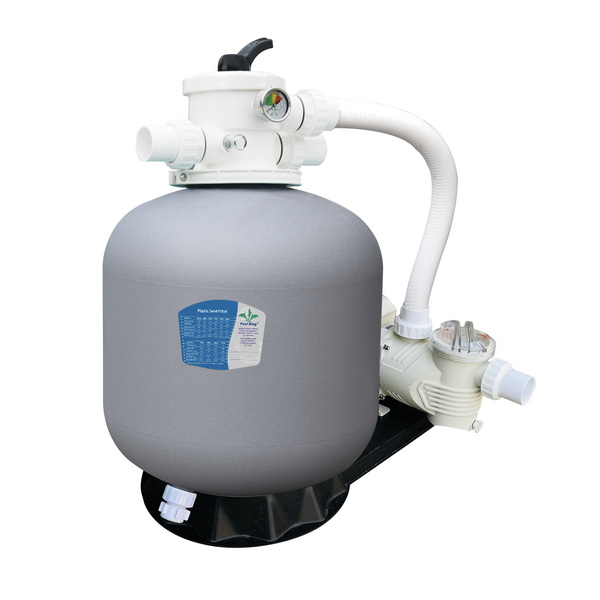
Most pool filter cartridges do not need frequent acid washing. In many residential pools, a deep muriatic acid clean is only necessary when visible scale or staining appears and normal cleaning no longer reduces pressure. In areas with very hard water, some owners may perform an acid wash every one to three years, but it is always best to consult the pool filter manufacturer's recommendations and avoid over‑treating the media.
Yes. If the solution is too strong, the soaking time too long, or if acid washes are repeated too often, muriatic acid can weaken the bands, soften the plastic, and shorten the life of the pool filter. Using a mild ratio such as 1:20, strictly limiting soak time, and ensuring the cartridge is fully degreased beforehand greatly reduces the risk of damage and helps preserve the pool filter.
It is not recommended to pour unneutralized acid directly into the pool, drains, or the yard. Doing so can sharply alter water balance, harm surfaces, or damage vegetation and infrastructure. Instead, neutralize the used solution from the pool filter cleaning bath with baking soda or soda ash until the bubbling stops, and then follow local regulations for disposal to ensure safety and environmental compliance.
Regular cleaning usually involves rinsing the pool filter with a garden hose and occasionally soaking it in a detergent‑based cartridge cleaner to remove oils and organic debris. Acid cleaning, on the other hand, specifically targets mineral scale and metal stains that remain after these routine steps. Because acid cleaning is harsher on the pool filter media, it is used less frequently and only when there is a clear buildup of scale or staining.
No. The described muriatic acid soak is intended for removable cartridge‑style pool filters only. Sand filters and DE filters require different cleaning procedures, and using this method on them can cause serious damage. Even among cartridges, each pool filter manufacturer may have specific guidance about acceptable chemicals and concentrations, so it is important to read and follow the manual before performing an acid wash.
1. https://www.instructables.com/How-to-Clean-a-Pool-Cartridge-Filter-System/
2. https://www.thepoolfactory.com/blogs/pool-care/how-to-clean-a-pool-filter-cartridge
3. https://poolife.com/2024/01/09/guide-to-cleaning-a-pool-filter/
4. https://www.reddit.com/r/pools/comments/16l58mb/anyone_deep_clean_their_own_pool_filter/
5. https://www.poolsupplies.com/blog/post/cleaning-your-pool-filter-cartridge
6. https://www.poolspaforum.com/forum/index.php?/topic/54965-the-true-way-to-clean-a-hot-tub-cartridge-filter/
7. https://www.youtube.com/watch?v=tjriNPuF-EE
8. https://www.youtube.com/watch?v=WMOGt4ZNrjI
9. https://www.facebook.com/groups/1407260559603442/posts/3548695312126612/
10. https://atomicfilters.com/blogs/news/how-to-clean-pool-filter


