
Views: 222 Author: Tina Publish Time: 2026-01-19 Origin: Site


Content Menu
● How a Pool Filter Pump Works
● Safety First Before Cleaning
● Identify Your Pool Filter Type
>> Basic Differences Between Filter Types
● How to Clean a Sand Filter Pump
>> Step‑by‑Step Sand Filter Backwash
● How to Clean a Cartridge Filter Pump
>> Deep Soak for Cartridge Filters
● How to Clean a DE Filter Pump
>> Routine DE Filter Backwash and Recharge
>> Full DE Filter Tear‑Down Cleaning
● Cleaning the Pump Strainer Basket
● How Often to Clean a Pool Filter Pump
● Pro Tips to Keep Your Filter Cleaner Longer
● Extending the Life of Your Pool Pump and Filter
● FAQ: How to Clean a Pool Filter Pump
>> 1. How do I know when my pool filter pump needs cleaning?
>> 2. Can I run my pump while backwashing or cleaning the filter?
>> 3. Is it okay to use a pressure washer on filter cartridges or DE grids?
>> 4. How often should I replace sand, cartridges, or DE grids?
>> 5. Can I mix different types of filter media to improve performance?
Keeping your pool filter pump clean is the fastest way to improve water clarity, extend equipment life, and cut chemical and energy costs. With the right routine for sand, cartridge, and DE filters, most pool owners can handle maintenance safely and confidently.
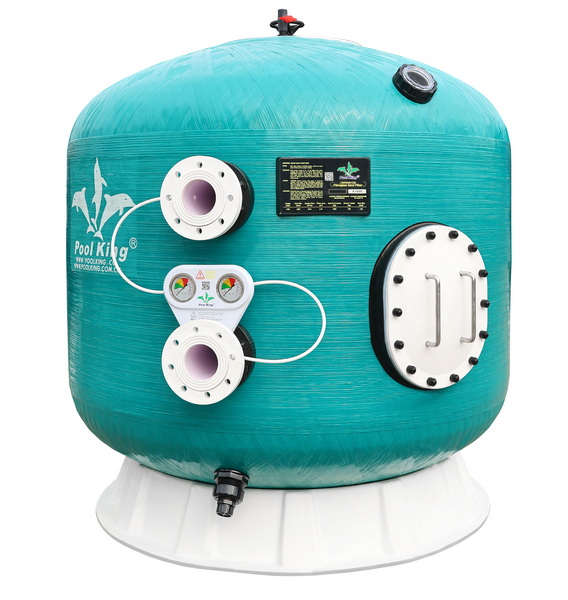
A pool filter pump pulls water from the skimmer and main drain, pushes it through the filter media, and returns clean water to the pool. When the pump strainer basket, filter media, or plumbing is clogged, pressure rises, flow drops, and the water quickly turns cloudy or green. Understanding how the system works makes each cleaning step more logical and helps you spot problems earlier.
Before touching any pool equipment, always think about safety. Electricity, stored water pressure, and chemicals can all cause injuries if handled incorrectly.
- Turn off power at the pump switch and, ideally, at the circuit breaker before any maintenance.
- Open the air relief valve on the filter tank to release pressure until the gauge reads zero.
- Close suction and return valves if the filter sits below water level so the system does not drain unexpectedly.
- Wear gloves and eye protection when using filter cleaners, degreasers, or handling DE powder.
- Never loosen clamps or open a filter tank while the gauge still shows pressure or while the pump is running.
Your cleaning method depends on whether your system uses a sand, cartridge, or DE (diatomaceous earth) filter. Each type traps debris differently and needs a specific routine.
- Sand filters use a bed of silica sand to trap dirt as water flows through the tank.
- Cartridge filters use pleated polyester cartridges that provide a large surface area for fine particles.
- DE filters use grids or “fingers” coated with diatomaceous earth powder to capture very small particles.
| Feature | Sand filter | Cartridge filter | DE filter |
|---|---|---|---|
| Filter media | Silica sand bed | Pleated polyester cartridge | Grids or fingers with DE powder |
| Particle size | Medium (good everyday clarity) | Finer (very clear water) | Very fine (polished, sparkling water) |
| Cleaning method | Backwash + occasional chemical clean | Remove, hose off, sometimes soak | Backwash + tear‑down + recharge with new DE |
| Water usage | Higher (backwash to waste) | Low (no backwashing) | Moderate to high |
| Maintenance level | Moderate | Low to moderate | Higher, more hands‑on |
Sand filters are durable and forgiving, but the sand bed slowly clogs as debris collects between the grains. Routine backwashing and periodic deep cleaning keep flow strong and water clear.
1. Turn off the pump and ensure the pressure gauge reads zero.
2. Attach or position the backwash hose so water drains to an appropriate area or waste line.
3. Set the multiport valve to “Backwash” and make sure the handle locks fully into position.
4. Turn the pump on and run until the sight glass or hose water turns from dirty to clear (typically 2–5 minutes).
5. Turn the pump off again and move the valve to “Rinse.”
6. Turn the pump on for 20–60 seconds to resettle the sand bed and flush remaining debris to waste.
7. Turn the pump off, move the valve back to “Filter,” and then restart the pump.
8. Check that the pressure gauge falls back close to the normal clean reading and that return jets feel stronger.
Even with regular backwashing, fine particles, oils, and scale can build up inside the sand. This causes channeling (water cutting paths through the sand) and poor filtration. A deep chemical clean restores the sand's ability to trap debris.
1. Perform a full backwash so the sand is as clean as possible.
2. Turn off the pump and leave the multiport valve in “Backwash” or “Filter,” following the instructions on your sand filter cleaner.
3. Slowly pour the recommended amount of sand filter cleaner into the skimmer while the pump runs briefly, drawing the product into the filter.
4. Turn off the pump to let the cleaner soak into the sand bed for the time listed on the label (often about 1 hour).
5. After soaking, backwash again until water runs clear and foaming stops.
6. Switch the valve to “Rinse” for 20–60 seconds, then back to “Filter,” and restart the system.
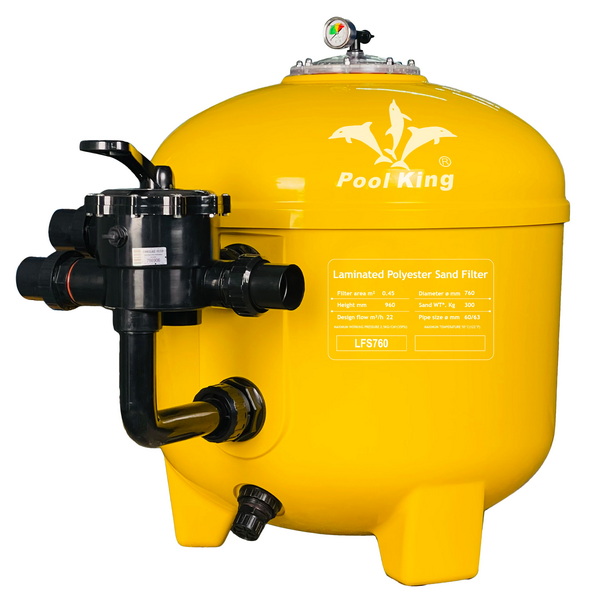
Cartridge filters do not backwash; instead, you remove the cartridge, rinse it, and occasionally soak it in a cleaning solution. This saves water and offers fine filtration, making it a popular option for many homeowners.
1. Turn off the pump and open the air relief valve until the pressure gauge reads zero.
2. Loosen the clamp band or fasteners and carefully remove the filter lid or top half of the tank.
3. Lift out the cartridge(s), noting their orientation and any spacers or bands.
4. Using a garden hose with a spray nozzle, rinse between the pleats from top to bottom. Rotate the cartridge to flush all sides.
5. Focus on the folds where dirt, sunscreen oils, and fine particles collect.
6. Inspect the cartridge for tears, crushed pleats, broken bands, or soft spots that indicate it needs replacement.
7. Reinstall the cleaned cartridge, make sure the tank O‑ring is clean and lightly lubricated, and reassemble the tank.
8. Close the air relief valve, open any closed valves, and restart the pump while checking for leaks and normal pressure.
When cartridges are heavily fouled by oils, algae, or scale, a simple hose‑down is not enough. A soaking treatment restores better flow and can extend cartridge life.
1. Prepare a large plastic tub or bucket with water and a commercial cartridge filter cleaner (or mild detergent) as directed.
2. Place the cartridge fully into the solution, making sure it is completely submerged.
3. Allow the cartridge to soak for 6–24 hours, depending on soil level and product recommendations.
4. After soaking, gently brush stubborn areas, then rinse thoroughly with a garden hose until water runs clear and no suds remain.
5. Let the cartridge air dry in a shaded, well‑ventilated area to help reveal any hidden damage.
6. Reinstall the cartridge in the filter tank, secure the lid, and bring the system back online.
DE (diatomaceous earth) filters use a set of internal grids or fingers coated with a layer of DE powder. This configuration filters out extremely fine particles but requires more detailed maintenance.
1. Turn off the pump and open the air relief valve to release pressure.
2. Set the backwash valve (multiport or push‑pull) to the “Backwash” position.
3. Attach a backwash hose to the waste port if needed and direct it to a suitable drain area.
4. Turn the pump on and run until the water in the sight glass or hose changes from cloudy gray to clear.
5. Turn the pump off and move the valve back to “Filter.”
6. Close the air relief, restart the pump, and allow water to circulate.
7. In a bucket, mix the recommended weight of DE powder with water to make a thin slurry.
8. Slowly pour this slurry into the skimmer so it coats the internal grids evenly. Watch the pressure gauge to confirm it stabilizes at the normal clean reading.
A few times each season, or when pressure remains high even after backwashing and recharging, a full tear‑down is necessary.
1. Turn off power to the pump and open the air relief valve.
2. Remove the filter's drain plug or open the drain line to empty the tank.
3. Loosen the clamp band or bolts and carefully open the filter tank.
4. Lift out the grid assembly or fingers and place them on a clean surface.
5. Use a garden hose with a moderate‑pressure nozzle to wash old DE and debris from each grid or finger.
6. Inspect parts for cracks, tears, or broken plastic; replace any damaged grids or manifolds.
7. Reassemble the cleaned components into the tank, ensuring correct alignment and seating.
8. Close the tank, reinstall the drain plug, and restart the system with valves open.
9. Once water is circulating, add the correct amount of fresh DE slurry through the skimmer to re‑coat the grids.
Besides the main filter, the pump's own pre‑filter basket collects larger leaves, seeds, and debris before the water reaches the impeller. A clogged basket can starve the pump of water, cause cavitation, and damage the motor.
1. Turn off the pump and shut any valves on the suction and return lines if needed to maintain prime.
2. Release pressure using the air relief valve if your system design requires it.
3. Remove the pump lid by loosening clamps or knobs and lifting straight up.
4. Pull out the strainer basket and empty leaves and debris into a trash container.
5. Rinse the basket with a garden hose and inspect for cracks or broken mesh. Replace if damaged.
6. Clean the lid O‑ring, check for nicks, and apply a light coat of pool‑safe lubricant.
7. Reinstall the basket, fill the pump pot with water if necessary to help priming, and secure the lid firmly.
8. Open valves, restore power, and confirm that the pump primes quickly and runs smoothly without air leaks.
Cleaning frequency depends on filter type, bather load, environment, and water chemistry. Instead of relying only on the calendar, learn to read the pressure gauge and the feel of the water flow.
- Sand filters: Backwash whenever pressure rises about 8–10 psi above the clean starting pressure, often every 1–2 weeks in normal use.
- Cartridge filters: Rinse cartridges when pressure is 8–10 psi above normal or when return jets feel noticeably weaker.
- DE filters: Backwash and recharge when pressure climbs 8–10 psi above clean; perform full tear‑downs several times per season.
- High‑debris pools (trees, heavy use, storms) may need more frequent cleaning than lightly used, covered pools.
Good habits reduce how often you need to perform deep cleans and help protect your filter media and pump.
- Skim and vacuum the pool regularly so large debris never reaches the filter.
- Brush walls and steps weekly to keep algae and fine dust from packing into the media.
- Maintain proper water chemistry to prevent scale and organic buildup on sand, cartridges, or grids.
- Encourage swimmers to shower before entering the pool to reduce oils, cosmetics, and lotions.
- Use a pool cover when the pool is not in use to keep out leaves, pollen, dust, and sunlight that fuels algae growth.
- Keep an equipment log: record clean starting pressure and cleaning dates so you can easily spot changes over time.
Even experienced pool owners can accidentally shorten the life of their filter or pump by using the wrong cleaning techniques.
- Over‑cleaning the filter: A slightly dirty filter can actually trap fine particles more effectively than a perfectly spotless one; clean when the gauge says it is time.
- Using a pressure washer on cartridges or grids: High‑pressure jets can rip or distort media, creating channels where dirt passes through.
- Using harsh household chemicals: Strong acids or degreasers not designed for pool filters can damage plastics and rubber seals.
- Reassembling incorrectly: Misaligned grids, missing O‑rings, or loose clamp bands can cause leaks, low flow, or dangerous tank separation.
- Ignoring early warning signs: Unusual noises, air bubbles in return jets, slow priming, or persistent cloudy water often mean the filter pump needs attention.
A clean filter pump works less hard, uses less energy, and lasts longer. Consistent care is far cheaper than premature equipment replacement.
- Check filter pressure and inspect the equipment pad at least once a week during the swimming season.
- Clean pump baskets, skimmer baskets, and filters on a regular schedule matched to your pool's environment.
- Lubricate O‑rings, gaskets, and moving valve parts with pool‑safe lubricants to prevent leaks and make future maintenance easier.
- Address minor leaks, drips, or unusual sounds promptly instead of waiting for a major failure.
- Schedule a professional inspection annually if you are not comfortable evaluating mechanical components yourself.
Cleaning a pool filter pump is not only about crystal‑clear water; it is about protecting your entire circulation system and getting the maximum life from your pump, filter tank, and plumbing. By identifying your filter type, following the correct cleaning procedure for sand, cartridge, or DE systems, and always observing key safety steps, you can keep water moving freely and avoid emergency repairs. Use the pressure gauge as your guide, clean baskets and media when needed, and adopt smart habits like regular skimming, brushing, and covering the pool. With a consistent routine, your filter pump will run quietly and efficiently, your water will stay inviting, and caring for your pool will feel like a simple checklist instead of a stressful chore.
Contact us to get more information!
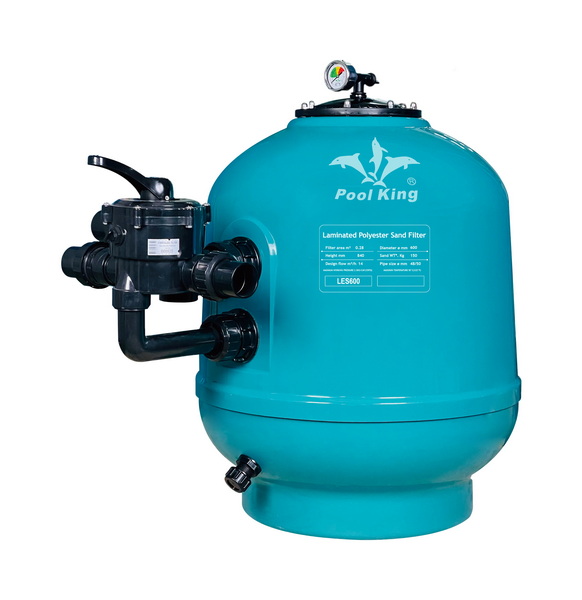
Most systems need cleaning when the pressure gauge reads about 8–10 psi higher than the normal “clean” pressure. You may also notice weaker return jets, cloudy water, or a pump that sounds like it is working harder than usual. Recording your clean starting pressure and checking it weekly makes decisions very simple.
You should never move any valve handles or open the filter tank or pump lid while the pump is running. The pump is only turned on during the active backwash or rinse steps after all lids, clamps, and valves are fully closed and secure. For cartridge or DE tear‑downs, the pump stays off until the tank is reassembled and depressurized.
High‑pressure washers can tear, puncture, or bend the delicate filter media, creating invisible channels that allow debris to pass through. A standard garden hose with a spray nozzle provides enough power to clean without damaging the material. If a cartridge or grid seems impossible to clean even with proper methods, it is usually time to replace it.
Filter sand under good water chemistry usually lasts between 5 and 10 years before it needs complete replacement. Cartridges often need replacing every 1–3 seasons depending on pool size, usage, and how carefully they are cleaned. DE grids or fingers are typically replaced only when they show cracks, tears, or permanent staining that does not wash out.
Filters are engineered to work with specific media, such as sand in a sand filter, cartridges in a cartridge tank, and DE powder on DE grids. Mixing materials or improvising with unapproved products can create unsafe pressures, poor filtration, and may void warranties. For better performance, fine‑tune your existing filter, run the pump long enough each day, and keep water chemistry in balance instead of experimenting with media combinations.
1. https://www.lathampool.com/resources/pool-maintenance-hub/how-to-clean-your-pool-filter/
2. https://www.youtube.com/watch?v=Itnu6CvHCY4
3. https://www.youtube.com/watch?v=hIchNEEb3To
4. https://simplegreen.com/professional/cleaning-tips/outdoors/pool-filters/
5. https://www.doheny.com/help/how-to-clean-a-pool-filter
6. https://blog.royalswimmingpools.com/blog/different-types-of-pool-filters
7. https://www.zodiac-poolcare.com/solutions/tips-for-my-pool/pool-maintenance/How-to-clean-and-maintain-your-pool-pump
8. https://jeffspoolspa.com/learn/2024/5/23/a-step-by-step-guide-how-to-clean-your-pool-cartridge-filter-system
9. https://www.poolsupplies.com/blog/post/demystifying-pool-filters-sand-vs-cartridge-vs-de
10. https://patiopoolsaz.com/pool-filter-cleaning-maintenance-effective-tips/
11. https://www.youtube.com/watch?v=YHt247GVMVQ
12. https://pinchapenny.com/pool-life/swimming-pool-filter-buyers-guide
13. https://www.pentair.com/en-us/education-support/water-education-center/pool-and-spa-education/cleaning-and-maintaining-your-pool-filters
14. https://www.bluesquaremfg.com/blog/guide-to-cleaning-a-pools-pump-basket/
15. https://www.vevor.com/diy-ideas/how-to-clean-pool-filter-h_10134/
16. https://poolicons.com/pool-maintenance/common-mistakes-to-avoid-when-cleaning-your-pool-filter/
17. https://atomicfilters.com/blogs/news/how-to-clean-pool-filter
18. https://empirepoolsinc.com/common-cleaning-mistakes-cleaning-pool-filters/
19. https://sunplay.com/blogs/posts/6-tips-to-extend-the-life-of-your-pool-equipment
20. https://bndpools.com/blog/top-pool-filter-mistakes/


