


Content Menu
● Why Pool Pump Bonding Matters
● Tools and Materials You'll Need
● Step-by-Step Guide: How to Bond a Pool Pump
>> Step 2: Locate the Bonding Lug on the Pump
>> Step 3: Prepare the Bonding Wire
>> Step 5: Connect the Bonding Points
>> Step 6: Verify Equipotential Continuity
>> Step 7: Connect to Grounding System (Optional)
● Water Bonding for Safety Compliance
● Safety Standards and Code References
● FAQs about Pool Pump Bonding
>> 1. What gauge wire should be used for bonding a pool pump?
>> 2. Can bonding wire be insulated?
>> 3. What's the difference between bonding and grounding a pool pump?
>> 4. How often should I check pool bonding systems?
>> 5. Is bonding required for above-ground pools?
Bonding a pool pump is one of the most important safety steps in pool installation. Electrical bonding ensures that all metallic components around a pool share the same electrical potential, preventing electric shocks and protecting swimmers. Let's explore the full process, tools, codes, and best practices for bonding your pool pump properly.
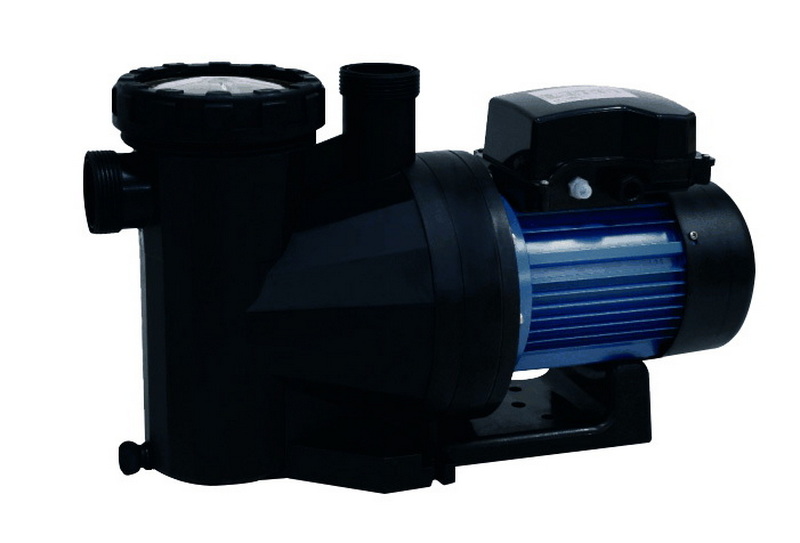
Bonding is the process of electrically connecting all metallic parts in and around your pool—this includes metal ladders, pumps, filters, rails, and water bonding plates. The goal is to prevent electrical differences between these components, ensuring any stray voltage dissipates safely into the earth.
According to the National Electrical Code (NEC) Section 680, pool bonding requires a solid copper wire—usually **#8 AWG bare copperhat connects all conductive elements within 5 feet of the pool water line. The bonding system must be continuous and securely clamped to each component.
Bonding is essential for safety and compliance. Without proper bonding:
- Swimmers might experience mild to severe electrical shocks.
- Equipment may corrode faster due to electrolysis.
- Pool inspection or insurance approval could be delayed.
- You risk failing local electrical code requirements.
A well-bonded system ensures an equal potential between water, metal structures, and electrical devices, preventing dangerous voltage differences.
Before starting, gather the following:
- 8 AWG bare copper bonding wire
- Bonding lugs (usually preinstalled on pool pumps)
- Split bolt connectors or copper clamps
- Trenching shovel (for underground wires)
- Wire cutters and pliers
- Multimeter (for voltage verification)
- Screwdrivers and wrench set
This process follows NEC 680 and practical guides from licensed electricians and pool technicians.[2][3][4]
Always switch off the circuit breaker controlling the pool system. Confirm the power is off using a multimeter before handling any wires.
Most modern pool pumps include a factory-installed bonding lug on the motor casing. It's typically a small green screw or clamp labeled “Bond” or “Equipotential.”
If your pump lacks a lug, install one using an approved bonding kit or add-on connector. The lug must make direct metal-to-metal contact with the motor frame.
Use a bare 8 AWG copper wire long enough to encircle the pool and reach all bonding points—including the pump, metal railings, heater, ladder, skimmer, and water bonding plate.
Cut the wire with extra length to ensure flexibility for connections.
Excavate a shallow trench 4–6 inches deep and 18–24 inches away from the pool wall. This pathway will house the bonding wire connecting all components.[3][1]
Ensure the wire path is continuous—never cut it—and connect using clamps or split bolts where necessary.
Start connecting components in a loop:
1. Pump motor – Attach the wire to the pump's lug using a wrench.
2. Metal pool walls or frame – Clamp the wire securely to a bolt or approved connector.
3. Pool ladder and handrails – Bond using special ladder clamps if made of stainless steel.
4. Water bonding plate – Connect to maintain electrical continuity through the water mass.[7]
5. Heater or light niche (if metal) – Ensure they're connected to the same loop.
Use split bolt connectors for strong mechanical contact. Avoid temporary clamps or makeshift attachments.[4]
Once all connections are made, test with a multimeter or continuity tester. Confirm that resistance between any two bonded points is nearly zero, indicating proper electrical continuity.
This test verifies that all metal parts and the pool water are at equal electrical potential, eliminating shock hazards.
Bonding and grounding serve different purposes: bonding equalizes voltage, while grounding sends fault current to earth.
In many installations, your bonding system connects to the main electrical grounding network through the pump motor case or GFCI breaker.
- Always use bare copper, not insulated wire, to comply with NEC 680.
- Keep bonding wires continuous with no splices unless connected with split bolts.
- Maintain proper depth (≥4 inches) to protect wires from physical damage.
- Label bonding junctions to simplify future maintenance.
- Use corrosion-resistant connectors, especially for saltwater pools.
According to CMP Pool Water Bonding Guidelines , water is also considered conductive under NEC. Pools require a connection—like a bonding fitting or plate—to ensure the water is part of the bonding grid.[9]
The Perma-Cast PB-AG Water Bonding Kit illustrates this well :[7]
1. Insert the bonding plate inside the strainer housing.
2. Position the O-ring and drain plug.
3. Route the wire through the drain opening.
4. Hand-tighten the nylon seal screw.
5. Connect the wire to the grid using a split bolt.
The key safety codes and standards governing pool bonding include:
- NEC 680.26 – Equipotential bonding requirements
- NEC 680.22 – Grounding and GFCI protection
- NEC Table 250.66 – Conductor sizes
- UL 1081 / NEC-approved pool pumps – Require bonding lugs
Inspectors generally require all conductive pool parts within 5 feet to be interconnected through bonding lugs.
- Using ground rods instead of a bonding loop.
- Forgetting to connect the water bonding plate.
- Cutting or splicing bonding wire mid-loop.
- Mixing aluminum and copper connectors (causes corrosion).
- Leaving loose lugs without proper torque tightening.
Inspect bonding connections at least once per pool season. Corrosion, oxidation, or physical damage can weaken mechanical or electrical contact.
Clean oxidized terminals using an approved wire brush and tighten the connections as needed. Apply dielectric grease for added corrosion resistance.
Properly bonding your pool pump is not just an electrical requirement—it's fundamental to swimmer safety, equipment integrity, and regulatory compliance.
By following this guide, you'll ensure your pool pump, pipes, ladder, heater, and water are all safely tied into a single equipotential grid.
If you're sourcing professional-grade sand filters, DE filters, cartridge filters, pumps, LED lights, or accessories, our factory in China specializes in OEM pool filtration solutions using automated intelligent machinery. Contact our engineering team to customize your pool equipment systems for maximum safety and efficiency.
Use #8 AWG solid bare copper wire as required by NEC 680.26. For commercial pools or high-current systems, #6 AWG may be recommended.
No, the NEC requires bare copper wire for bonding to ensure full conductivity and visibility during inspections.
Bonding equalizes voltage differences to prevent shocks, while grounding provides a direct fault path to earth to trip breakers.
Inspect at least once a year—tighten lugs, clean connectors, and look for corrosion or broken wires.
Yes. Both above-ground and in-ground pools must be bonded under NEC 680, including metal sides and water bonding components.
[1](https://www.youtube.com/watch?v=NiurYY5Oq0w)
[2](https://www.youtube.com/watch?v=ImhZ0RA0iZY)
[3](https://www.thisoldhouse.com/pools/21016222/how-to-wire-an-above-ground-pool-pump)
[4](https://www.youtube.com/watch?v=6oD9rduZwCE)
[5](https://www.youtube.com/watch?v=OlU2_3A_NCY)
[6](https://www.youtube.com/watch?v=JxCsIpIdcDU)
[7](https://imperialpoolsb2b.com/Documents/PB-AGOM.pdf)
[8](https://www.youtube.com/watch?v=fGSEbKhL4_E)
[9](https://c-m-p.com/the-essential-guide-to-pool-water-bonding-basics/)
[10](https://www.youtube.com/watch?v=bVE5VOIMPV0)
[11](https://www.youtube.com/watch?v=jfa60ZrS-S4)
[12](https://forum.nachi.org/t/pool-pump-bonding/43133)
[13](https://www.inyopools.com/HowToPage/how-to-add-a-line-to-the-pool-bonding-wire.aspx?CommentPage=1)
[14](https://www.youtube.com/watch?v=O_C9IqlrVc0)
[15](https://parkinelectric.com/essential-steps-for-safe-pool-pump-wiring-installation/)
[16](https://www.facebook.com/groups/637529959937311/posts/2365993033757653/)
[17](https://www.nachi.org/grounding-bonding-swimming-pools.htm)
[18](https://www.youtube.com/watch?v=V_VCfTknOqY)


