
Views: 222 Author: Tina Publish Time: 2025-10-24 Origin: Site


Content Menu
● Signs You Need to Backflush Your DE Filter
● Step-by-Step Guide to Backflush Your DE Pool Filter
>> Step 2: Attach Backwash Hose
>> Step 3: Set Valve to Backwash
>> Step 4: Turn Pump On and Backwash
>> Step 8: Final Valve Position
>> Step 10: Recharge with DE Powder
● Additional DE Filter Maintenance Tips
● Safety Considerations When Handling DE
● Choosing the Right DE Filter for Your Pool
● FAQs
>> 1. How often should I backflush my DE pool filter?
>> 2. Can I backflush without a sight glass on the filter?
>> 3. How much DE powder do I add after backflushing?
>> 4. Can I reuse DE powder removed during backflushing?
>> 5. What should I do if my pool remains cloudy after backflushing?
Maintaining crystal clear water in your pool starts with keeping your filtration system in top shape. Among the most effective pool filters are Diatomaceous Earth (DE) filters, known for their exceptional ability to capture tiny particles, often as small as 2-5 microns. However, even the best filters need routine maintenance to work efficiently.
Backflushing, or backwashing, is a critical cleaning process that reverses the flow of water through your DE filter to flush out trapped dirt, debris, and spent DE powder. This guide will walk you through each step to properly backflush your DE pool filter, ensuring your pool stays clean, safe, and inviting all season long.
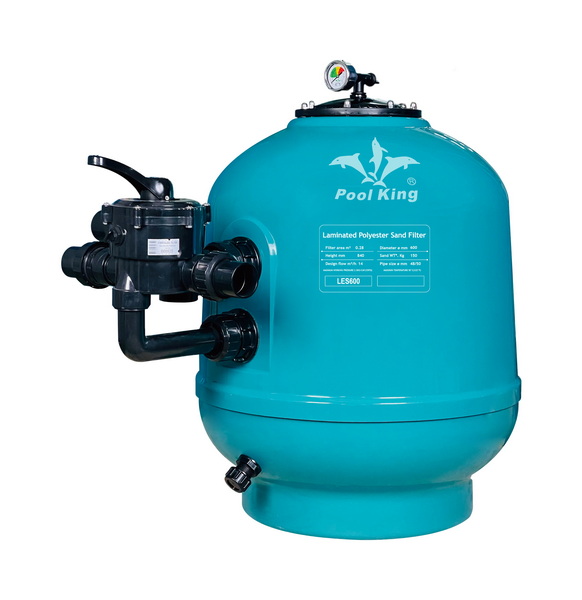
DE pool filters use a fine powder made from the fossilized remains of diatoms to coat an internal grid or filter element. Water flowing through the filter passes through this DE powder, which traps dirt and microscopic particles, providing superior filtration compared to sand or cartridge filters.
Over time, the DE powder and debris accumulate, increasing pressure inside the filter and reducing efficiency. This calls for regular backflushing to clean and recharge the filter.
- Increase in filter pressure gauge reading by 8-10 PSI above normal.
- Slower water flow returning to the pool.
- Pool water looks cloudy despite proper chemical balance.
- Noisy pool pump indicating strain.
Routine backflushing every 3-4 weeks is recommended even if some signs aren't present.
- DE powder (amount depends on your filter model).
- Backwash hose (to safely redirect waste water).
- Access to multiport or slide valve on your filter.
Always turn off your pool pump and filtration system before adjusting valves. This prevents damage to seals and internal components.
Connect a backwash hose to the waste port on your filter valve, directing dirty water away from your pool area.
For multiport valves, press down and rotate the handle to the "Backwash" position. For slide valves, lift and lock the slide to the backwash setting.
Turn the pump back on and allow it to run for 1-3 minutes. Water and dirty DE powder will flush out, observable through a sight glass if your filter has one.
Switch off the pump after backwashing completes.
Rotate the valve to the "Rinse" position and turn the pump on for about 30 seconds. This cleans out the pump and plumbing lines, preventing dirty water from returning to the pool.
If debris remains, repeat backwash and rinse cycle once or twice more.
Turn off the pump and set valve to "Filter" for normal operation.
Turn the pump back on.
While the pump runs, add the specified amount of DE powder through the skimmer, which coats the grids and restores filtration efficiency.
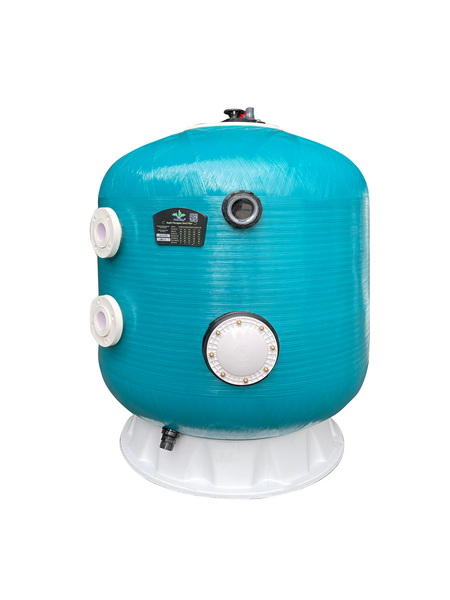
Proper backflushing alone is not enough for optimal DE filter performance. Regular manual cleaning and inspection ensure longevity and peak efficiency.
- Manual Grid Cleaning: About once a year, or monthly in heavy-use pools, remove filter grids for deep cleaning. Soak them in a solution to break down oils, sunscreens, and minerals that clog grid fabric. Use a garden hose with moderate pressure to wash away residual DE and debris.
- Inspect Grids: Check for cracks, tears, or wear. Damaged grids should be replaced immediately to prevent debris bypass and loss of filtration.
- Lubricate O-Rings and Seals: Apply water- or silicone-based lubricant to o-rings during maintenance to maintain airtight seals.
- Monitor Pressure Gauge: Chart pressure regularly; a sudden spike after maintenance may indicate leaks or incorrect assembly.
- Replace DE Powder Annually: Even with regular backflushing and cleaning, DE powder loses effectiveness over time and should be fully replaced once or twice a year depending on use.
While diatomaceous earth is a natural product, handling DE powder requires caution:
- Always wear gloves and a dust mask when adding or cleaning DE to avoid skin and respiratory irritation.
- Avoid contaminating pool water directly with dry DE powder.
- Dispose of spent DE according to local regulations and environmental guidelines.
When selecting a DE filter, consider the size of your pool and local environmental conditions:
- Larger pools require filters with bigger grid areas.
- High leaf/debris areas may benefit from models designed for heavy contamination.
- Budget and maintenance frequency should also influence your choice.
Efficient backflushing is essential to maintain the superior filtration DE filters offer, ensuring clean, clear pool water. Regular maintenance, including deep grid cleaning, safe DE handling, and timely powder recharging, supports your pool filter's optimal performance and longevity. With proper care, your DE filter will provide crystal-clear water and enjoyable swimming for seasons to come.
Generally, every 3 to 4 weeks or as soon as the pressure gauge rises 8-10 PSI above normal to maintain efficiency.
Yes, but watch for changes in water clarity during backwash and ensure water runs clear before stopping.
Check your filter's manual; typically 4-6 pounds per backwash, replenishing the DE lost during cleaning.
No, spent DE powder contains debris and should be replaced with fresh DE for proper filtration.
Verify chemical balance, deep clean or replace filter grids, and ensure proper filter assembly. Persistent cloudiness may require professional water testing.
[1](https://alliedpools.com/maintaining-your-de-filter-system)
[2](https://www.thefibreglasspoolcompany.com.au/a-guide-to-diatomaceous-earth-de-filters/)
[3](https://royalpoolsandmore.com/how-to-maintain-a-diatomaceous-earth-d-e-pool-filter/)
[4](https://hurricane-pool-filters.com/blogs/insights/cleaning-your-de-grid-pool-filter-101)
[5](https://www.youtube.com/watch?v=G5le8TN9Vwo)
[6](https://poolie.com/blog/cleaning/de-pool-filter/)
[7](https://envirowaste.com.au/mastering-pool-filter-maintenance/)
[8](https://pool.dreametech.com/blogs/blog/how-often-to-clean-pool-filter-complete-guide)
[9](https://www.swimmingpool.com/maintenance/pump&filter/how-to-backwash-de-pool-filter/)


