
Views: 222 Author: Tina Publish Time: 2025-07-22 Origin: Site


Content Menu
● Why Securely Installing Your Pool Ladder Matters
● Choosing the Right Pool Ladder and Deck Type
● Preparation: Measuring and Planning
● Step-by-Step: How to Attach Pool Ladder to Deck
>> Step 1: Assemble the Ladder
>> Step 2: Position and Mark the Deck
>> Step 3: Drill Holes in the Deck
>> Step 4: Attach the Ladder Using Mounting Hardware
>> Step 5: Double-Check for Stability
>> Step 6: Safety Testing and Final Adjustments
● Additional Tips for Specific Deck Materials
>> Wood Decks
● Maintenance and Safety Checks
>> 1. Can I install a pool ladder without drilling into my deck?
>> 2. What tools do I need to attach a pool ladder to a deck?
>> 3. How can I prevent my pool ladder from damaging the pool liner?
>> 4. How often should I inspect my pool ladder?
>> 5. What if my deck material isn't wood?
Installing a pool ladder may seem straightforward, but doing it right ensures years of safe, hassle-free use. As a leading manufacturer of pool equipment specializing in top-quality sand filters, pumps, LED lights, and accessories, we understand that each pool and deck combination presents its own unique challenges. This guide is specifically designed for homeowners, contractors, OEMs, and distributors looking for professional, reliable methods for secure ladder-to-deck attachment.
A properly installed ladder not only improves functionality but also complements the aesthetic of your pool area, making your relaxation time more enjoyable. Let's dive into the crucial details that make all the difference.
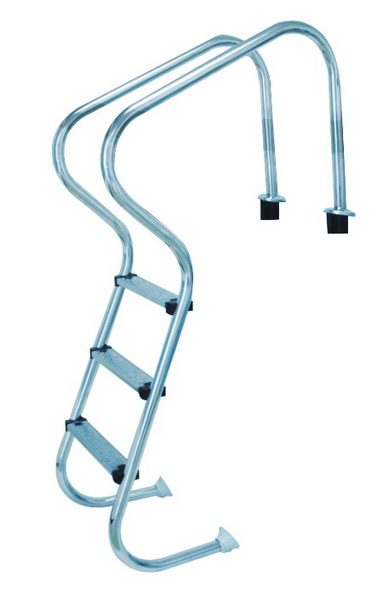
A poorly installed ladder can be unstable and dangerous, causing slips, falls, or damage to your pool deck and equipment. Ensuring your ladder is firmly anchored:
- Prevents accidents and injuries.
- Increases ladder lifespan by reducing undue stress on parts.
- Improves usability, making it easier and safer for people of all ages to enter and exit the pool.
- Protects your investment, maintaining both the deck and pool integrity from damage caused by loose or moving parts.
The peace of mind you gain from a secure ladder far outweighs the effort required to install it correctly.
Before installation, it's important to understand the different types of pool ladders and their compatibility with various deck styles. Choosing the right ladder ensures that your installation will be both stable and suited to your deck and pool design.
| Ladder Type | Deck Compatibility | Typical Mounting Method |
|---|---|---|
| Standard A-Frame | Above-ground or partial deck | Sits on the ground; hooks over the wall |
| In-Pool Ladder | Full-surround or flush deck | Anchored through deck with mounting flanges |
| Platform Ladder | Extended deck or raised platform | Bolted to deck surface |
Material Considerations: Stainless steel ladders are most common for their strength and resistance to corrosion in pool chemicals. Aluminum ladders are lighter but less durable. Vinyl-coated ladders offer added protection against rust but can be more expensive.
Step Count and Height: Ensure the ladder height and step count match your pool depth and deck height for user comfort.
Make sure you have all necessary tools on hand before beginning:
- Cordless drill with appropriate bits
- Phillips screwdriver
- 1-1/2” hole saw (for drilling into decks)
- Tape measure
- Pencil or chalk for marking
- Mounting brackets or flanges (supplied with ladder or purchased separately)
- Heavy-duty stainless steel screws or bolts (corrosion resistant)
- Level tool
- Safety glasses and gloves for protection
- Rubber mallet (to assist with assembly)
- Ladder mat or protective padding (optional but recommended for vinyl or liner pools)
Tip: Use stainless steel fasteners to prevent rusting and ensure longevity in outdoor conditions.
Proper planning avoids unnecessary work and mistakes:
1. Measure Deck and Pool Dimensions: Check the deck thickness, height, and distance from pool edge. Knowing these dimensions ensures ladder compatibility and accurate hole placement.
2. Select Location Carefully: Position the ladder where swimmers will find it convenient but won't block pool traffic. Avoid areas near skimmers, drains, or pool equipment.
3. Assess Deck Material: Different deck materials respond differently to drilling and fastening—wood, composite, and concrete all require specific approaches.
4. Mark Your Drill Points: Place the ladder where you intend to install and mark the exact points for drilling the mounting holes. Double-check measurements and alignments.
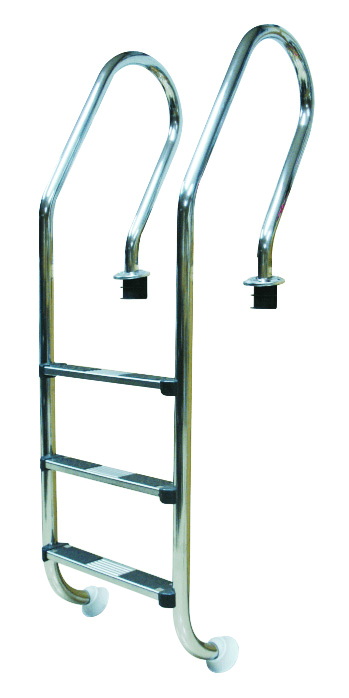
- Carefully follow your ladder's manufacturer's assembly instructions.
- Assemble handrails and ladder steps securely, making sure all bolts and nuts are tightened.
- Attach the handrails to the body of the ladder; ensure curved tops are aligned correctly to fit through the deck holes.
- Avoid overtightening screws which can strip threads or damage finishing.
- Place the ladder so the bottom rests flat on the pool floor.
- Align the handrails at the deck entrance.
- Use pencil or chalk to mark the drill holes on the deck, matching the ladder handrail mounts or flange locations precisely.
- Wear safety goggles and gloves.
- Use a 1-1/2” hole saw attachment on your drill to create the holes where marked.
- For wooden decks, drill slowly to prevent splintering, and consider pre-drilling smaller pilot holes.
- For concrete decks, a hammer drill and masonry bit are recommended.
- Remove all debris and smooth any rough edges to avoid damage to ladder handrails or your hands.
- Slide the ladder's handrails through the holes drilled.
- Place the mounting flanges or brackets over the handrails, resting against the deck surface.
- Secure the flanges with stainless steel screws or bolts. If accessible, tighten nuts underneath the deck for extra stability.
- Ensure all fasteners are tightened evenly to avoid ladder wobbling.
- Use a level to make sure the ladder is straight and sits properly.
- Push and pull gently on the ladder to test for movement.
- Tighten any loose hardware immediately.
- Test the ladder with gradual weight pressure.
- Walk up and down the ladder steps carefully.
- Check that all fasteners show no signs of stress or loosening.
- Fix any balance issues with additional supports or spacers if necessary.
- Pre-drill holes to minimize wood cracking.
- Use corrosion-resistant fasteners like stainless steel or coated screws.
- Regularly inspect for wood rot near mounting points.
- Composite material is more sensitive to cracking; apply pilot holes and avoid over-tightening screws.
- Use rubber washers under bracket flanges to prevent damage.
- Use a hammer drill and masonry driver bits.
- Consider using expansion anchors for stronger hold.
- Seal drilled holes with waterproof sealant to protect concrete integrity.
Once your ladder is installed, proper upkeep ensures lasting safety and function:
- Monthly Inspections: Check for loose bolts, rust, cracks, or wobble.
- Seasonal Cleaning: Clean the ladder and mounting hardware with a mild detergent to prevent buildup of corrosive residues.
- Off-Season Storage: If removable, consider dismounting the ladder during winter months to protect it from freezing conditions and ice damage.
- Protecting Sensitive Pool Liners: Use a ladder mat or a non-abrasive pad below ladder steps to prevent punctures or tears in vinyl liners.
- If ladder installation causes deck splitting, reinforce the area or consult a contractor.
- For high-traffic pools, consider periodic hardware replacement to maintain secure fittings.
- If your deck does not allow drilling (such as rented properties), explore removable ladder options with weighted bases or clamp mounts.
- To repair a wobbling ladder, retighten fasteners or add additional brackets for extra support.
- For visual assistance, many manufacturers provide online manuals and videos—refer to those for your specific model.
Attaching a pool ladder to your deck is a manageable DIY project that significantly improves your pool's safety and functionality. With proper planning, the right tools, and careful execution following the steps outlined above, you will have a sturdy, secure ladder that lasts for many swimming seasons. Don't overlook ongoing maintenance and safety checks to preserve the integrity of your ladder and deck. Whether for personal use or OEM services, ensuring high-quality installation reflects your commitment to reliability and customer satisfaction.

While possible using specialized weighted or clamped mounts, drilling and anchoring with flanges provide a much safer and more stable solution.
You'll typically need a cordless drill with a 1-1/2” hole saw, a Phillips screwdriver, a tape measure, installation brackets/flanges, and stainless steel screws or bolts.
Using a ladder mat or protective padding below the ladder's steps helps protect vinyl liners from punctures or excessive wear.
Inspect ladder fasteners, handrails, and steps at least monthly or before each swim season. Tighten or replace hardware as needed.
Different decking materials require specific drilling approaches: composite decks need pilot holes; concrete decks require masonry tools and anchors. Always use corrosion-resistant fasteners.


