
Views: 222 Author: Tina Publish Time: 2025-07-31 Origin: Site


Content Menu
● What Are Quick Disconnect Fittings?
● Step-by-Step Installation Guide
>> 1. Turn Off Pool Equipment and Prepare
>> 2. Remove Existing Hoses and Fittings
>> 3. Prepare Hose Ends for Installation
>> 4. Install the Wall Reducer (If Needed)
>> 5. Attach Quick Disconnect Fittings to the Hoses
>> 6. Connect Quick Disconnect Fittings to Wall Reducer
>> 7. Test for Proper Seal and Operation
● Additional Tips and Best Practices
>> Choose Stainless Steel Clamps
● Common Mounting Scenarios with Quick Disconnect Fittings
● Frequently Asked Questions (FAQs)
>> Q1: Can I install quick disconnect fittings myself?
>> Q2: What size should I choose for my quick disconnect fittings?
>> Q3: Will quick disconnect fittings leak over time?
>> Q4: How do quick disconnect fittings help with winterizing a pool?
>> Q5: Are quick disconnect fittings compatible with all pool filter types?
Maintaining a clean and well-functioning pool filter system can be a time-consuming task, especially when it involves regular removal and reattachment of hoses. Quick disconnect fittings provide an effective solution, enabling pool owners to connect and disconnect hoses swiftly and without tools. This not only facilitates routine maintenance but also makes seasonal tasks like winterizing your pool much more manageable. This comprehensive guide will walk you through everything you need to know—from understanding what quick disconnect fittings are to how to install them properly on your pool filter system. With clear step-by-step instructions, practical tips, and troubleshooting advice, you'll learn how to upgrade your pool setup for greater ease and efficiency.
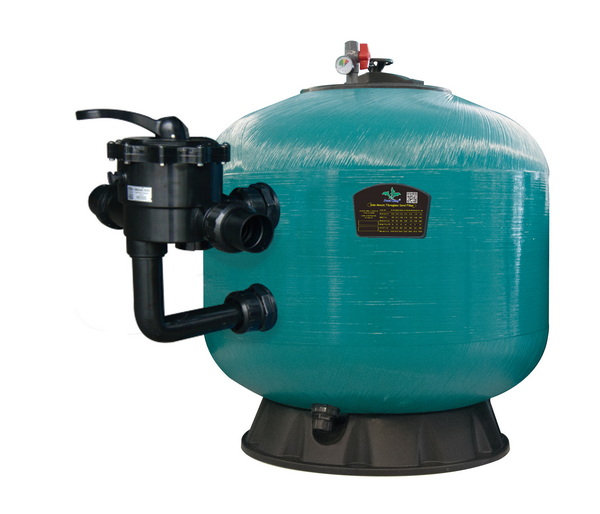
Quick disconnect fittings, sometimes known as quick-release connectors, are specially designed couplings that allow for effortless, tool-free connection and disconnection of plumbing lines—such as hoses carrying water to and from your pool filter. These fittings typically work on a push-and-twist mechanism that locks securely in place but can be disengaged quickly.
- Push-and-twist locking mechanism: Ensures a firm hold while providing easy disengagement.
- Secure watertight seal: Designed to prevent leaks.
- Durable materials: Often made of corrosion-resistant plastics or metals suitable for pool environments.
- Faster maintenance and cleaning: No time lost wrestling with tight clamps or hard-to-reach fittings.
- Reduced wear and tear on hoses: Avoids repeated stretching, twisting, or damage during disassembly.
- Simple winterizing: Quickly disconnect parts to drain water and protect equipment from freezing.
- Easy equipment upgrades and replacements: Swap out pumps, filters, or other accessories without hassle.
Before starting the installation, ensure you have the following tools and materials ready:
- Quick disconnect fittings: Choose the correct size matching your hose or port diameters, typically ¾ inch or 1½ inch for most pool systems.
- Wall reducers: Sometimes necessary if your pool wall flange threads differ from the fitting.
- Stainless steel hose clamps: To secure hoses firmly without corrosion issues.
- Screwdriver or socket wrench: For tightening clamps.
- Thread seal tape (plumbers' tape): Used on threaded connections to ensure leak-free joints.
- Warm water: To soften hose ends to ease fitting installation.
- Pliers: Optional, for gentle tightening of reducers.
- Utility knife or hose cutter: To trim hose ends neatly.
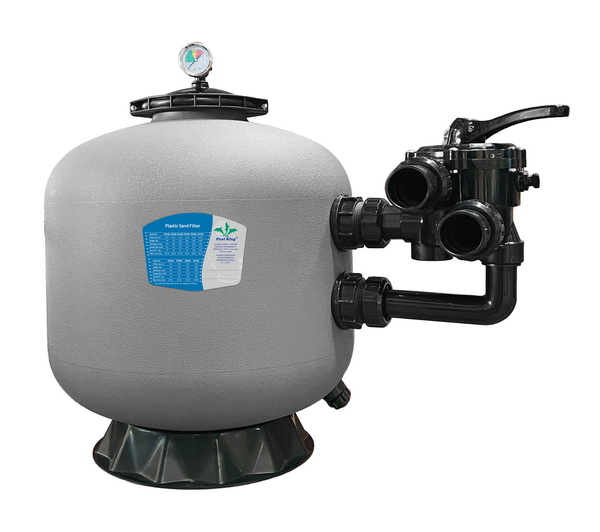
Begin by switching off both the pool pump and filter system completely. This avoids pressurized water flow during installation. Open any air relief valves on your filter to release residual pressure. If needed, drain water around connection points with a wet/dry vacuum or towel so the hoses and fittings are dry and accessible.
Loosen the existing hose clamps using a screwdriver or socket wrench. Carefully pull the hoses free from the pool filter ports and fittings. If the old fittings or reducers appear worn or incompatible with your new quick disconnect fittings, fully unscrew and remove them.
Properly preparing the hose ends is essential for a secure fit:
- Soften hose ends in warm water for about 30 to 60 seconds to increase flexibility.
- Inspect hose edges and use a utility knife or hose cutter to create a clean, square cut if damaged or worn.
This ensures the fittings slide on smoothly without damaging the hose.
If your quick disconnect fittings do not match the existing threaded pool flange size, install the appropriate wall reducer:
- Wrap threads of the existing pool wall flange with thread seal tape clockwise at least two full turns.
- Carefully screw the wall reducer into the flange by hand until snug.
- Use pliers carefully to gently tighten the reducer without over-tightening, to avoid cracking plastic parts.
- Slide a stainless steel hose clamp over each prepared hose end.
- Firmly push the quick disconnect fitting onto the hose until fully seated.
- Position the hose clamp right over the fitting's barbed section and tighten securely with your screwdriver or wrench to prevent leaks.
Align each quick disconnect fitting with the wall reducer or filter port:
- Push the fitting's locking tabs into the mating slots.
- Twist approximately ¼ turn clockwise to lock it in place.
- Confirm fittings are properly engaged by gently pulling to ensure the connection resists separation.
Once all fittings are connected:
- Turn on the pool pump and filtration system.
- Carefully inspect each connection for leaks.
- Test the ease of disconnecting and reconnecting quick fittings by hand.
- Address any loose clamps or misalignments immediately.
Always replace both quick disconnect fittings and corresponding wall reducers in pairs to ensure optimal fit and function.
Avoid rust-prone clamps to extend the lifespan of your installation and maintain tight seals.
Using durable tags or waterproof markers to label hoses and fittings aids in identifying connections quickly during seasonal maintenance or troubleshooting.
Over-tightening can crack fittings, damage hoses, or strip threads. Tighten clamps and threaded connections firmly but carefully.
Check quick disconnect fittings every season or before heavy use. Replace worn or damaged parts immediately to prevent leaks.
Quick disconnect fittings are versatile and commonly used on various pool filter types, including:
- Sand filters: For easy backwashing hose removal.
- DE (Diatomaceous Earth) filters: To facilitate DE grid cleaning.
- Cartridge filters: To simplify cartridge removal and cleaning.
They may also be installed on return jets or vacuum lines, greatly improving the flexibility and modularity of your pool plumbing.
Adding quick disconnect fittings to your pool filter system is a smart upgrade that brings undeniable convenience to pool maintenance and care. With easy tool-free hose connections, you save time, reduce wear on plumbing components, and simplify winterizing procedures. Following this detailed installation guide ensures your fittings are securely installed and leak-free. Remember to prepare hoses properly, use compatible components, and always verify tight seals post-installation. By embracing this upgrade, your pool maintenance routine becomes quicker and less stressful, letting you enjoy your pool to the fullest.
A1: Yes, most pool owners with basic DIY and plumbing skills can install these fittings by following step-by-step instructions and using simple hand tools.
A2: Measure your existing hose or port diameter, often either ¾ inch or 1½ inch, and select fittings accordingly to ensure a snug fit.
A3: When properly installed with correct hose clamps and sealed threads, these fittings provide a reliable watertight seal. Regular inspection helps maintain their effectiveness.
A4: They let you quickly disconnect hoses and drain water from the system, reducing the risk of freeze damage and making winter prep faster.
A5: They commonly fit sand, DE, and cartridge filters, but always confirm size and thread compatibility with your specific equipment before purchasing.


