


Content Menu
● General daily runtime guidelines
● How to calculate your ideal runtime
● Recommended runtimes by filter type
>> Sand filters
>> DE (diatomaceous earth) filters
● Runtime strategies for energy savings
● Signs you are not running the filter enough
● Adjusting runtime by season and conditions
● Filter maintenance and runtime
● OEM filter systems and smart control
● Practical runtime examples table
● FAQs about how often to run a pool filter
>> 1. Is it better to run a pool filter at night or during the day?
>> 2. Can I run my pool filter too long?
>> 3. How often should I run the filter in winter?
>> 4. Do saltwater pools need different filter runtimes?
>> 5. Should I run the filter after shocking the pool?
>> 6. How do I know if my filter runtime is correct?
Most pools need the filter to run long enough to turn over all the water at least once per day, which usually means about 8–12 hours in summer and 4–8 hours in cooler seasons. The exact runtime depends on pool volume, pump flow rate, filter type, climate, and how heavily the pool is used.[1][2][3]
Your pool filter removes invisible particles, debris, and early‑stage algae that chemicals alone cannot handle, so insufficient runtime quickly leads to cloudy or green water. Running the filter long enough ensures that chlorine and other treatments circulate properly and reach every part of the pool.[4][3][5][1]
- Too little filtration causes dull, hazy water and can allow bacteria and algae to multiply.[5][4]
- Adequate filtration lowers the risk of expensive “rescue” treatments and keeps swimmers safer.[4][5]
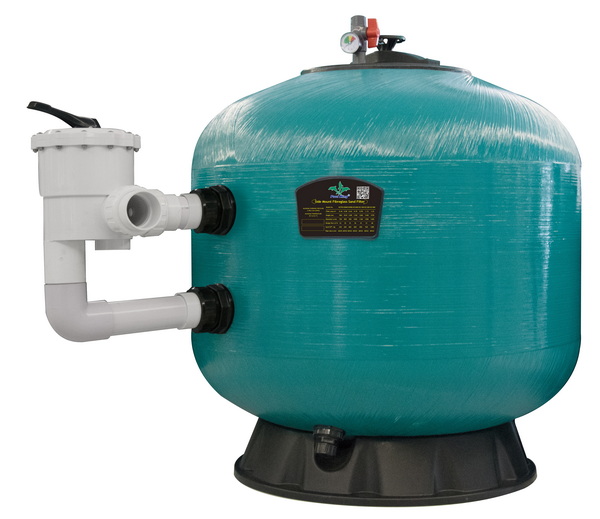
While there is no single rule for every pool, industry practice is to filter at least one full turnover of the pool volume per day, and often 1.5–2 turnovers in hot weather or heavy use. For many residential pools, that translates to 8–10 hours of filtration in summer and 4–6 hours in winter, assuming properly sized equipment.[2][6][7][8][1]
Typical daily filtration ranges:
- Standard residential pools: 8–10 hours in warm season, 4–6 hours in cooler periods.[8][2]
- Very hot climates or heavy bather load: often 10–12 hours, sometimes more after storms or pool parties.[6][9][2]
- Commercial/public pools: often designed for faster turnover and may run near‑continuously to meet health codes.[3][6]
The most accurate way to decide how often to run the pool filter is to calculate your turnover time using pool volume and pump flow rate. Turnover time is the number of hours required for the filter system to process a volume of water equal to the pool volume once.[2][3]
1. Determine pool volume
- Rectangular pool: length × width × average depth × conversion factor (for gallons or cubic meters).[2]
- Round or irregular pools can use online volume calculators or manufacturer charts.[2]
2. Find pump flow rate
- Check the pump label or manual for flow in gallons per minute (GPM) or cubic meters per hour (m³/h).[2]
- Remember, real‑world flow may be lower than the theoretical rating because of pipe friction, fittings, and filter load.[10]
3. Calculate turnover hours
- If using gallons:
- Flow per hour = GPM × 60.
- Turnover hours = pool volume ÷ flow per hour.[2]
- For metric: pool volume (m³) ÷ pump flow (m³/h) = turnover hours.[1]
Example: A 20,000‑gallon pool with a pump delivering 50 GPM has 3,000 gallons per hour, giving about 6.7 hours for one turnover, so owners often run 7–8 hours minimum and more in peak season. Many professionals then add 20–50% runtime in summer to target 1.5–2 turnovers per day for extra clarity.[6][1][2]
Different filter media (sand, cartridge, DE) have different efficiency levels, but the basic turnover concept is the same. However, filter type can influence how long you choose to run the system and how quickly it clears up cloudy water.[10][4]
Sand filters usually capture particles around 20–40 microns, making them robust and simple for many residential pools, but slower to clear fine cloudiness. In practice, sand filter pools often need runtime toward the upper end of the 8–12 hour range during hot weather or after heavy use.[9][10]
- Typical daily runtime: 8–12 hours, adjusted based on clarity and pressure.[8][2]
- May require longer continuous runs (or even 24 hours temporarily) to help clear very cloudy water, combined with proper chemistry.[9][4]
Cartridge filters can capture smaller particles (often 10–20 microns) and maintain more stable flow, so they may achieve similar clarity with somewhat shorter runtimes if correctly sized. Because they do not require backwashing, they also conserve water.[10]
- Typical daily runtime: 6–10 hours for well‑sized residential systems in mild to warm climates.[10][2]
- Quick to restore clarity after minor cloudiness when combined with good water balance.[4][10]
DE filters are often the most efficient, capturing very fine particles, which allows fast recovery from algae blooms or spring openings. They can deliver extremely clear water even when run fewer hours, but still benefit from at least one daily turnover.[3][10]
- Typical daily runtime: 6–10 hours depending on load and climate.[10][2]
- In difficult conditions, DE systems can correct cloudy water in 1–2 days when operated continuously and properly dosed.[4][10]
Electricity cost is a major concern, especially in markets with high power prices, so smart scheduling can maintain water quality while reducing bills. Instead of running the filter in one long block, many owners split the daily runtime into two or three periods.[11][8][2]
Popular strategies:
- Split schedule: Run half the hours early morning and half in late afternoon or evening to support chlorine distribution and skimming when debris loads are highest.[9][2]
- Off‑peak tariffs: Where power tariffs vary, schedule most runtime during cheaper off‑peak hours, while still keeping some circulation during sunny daytime to support sanitiser.[11][8]
- Variable‑speed pumps: Run longer at lower speeds to increase filtration time while substantially reducing energy consumption.[12][13]
For OEM systems with variable‑speed pump and high‑efficiency filter combinations, manufacturers often highlight potential power savings of 50% or more compared with older single‑speed setups, while still achieving one or more turnovers per day.[12][2]
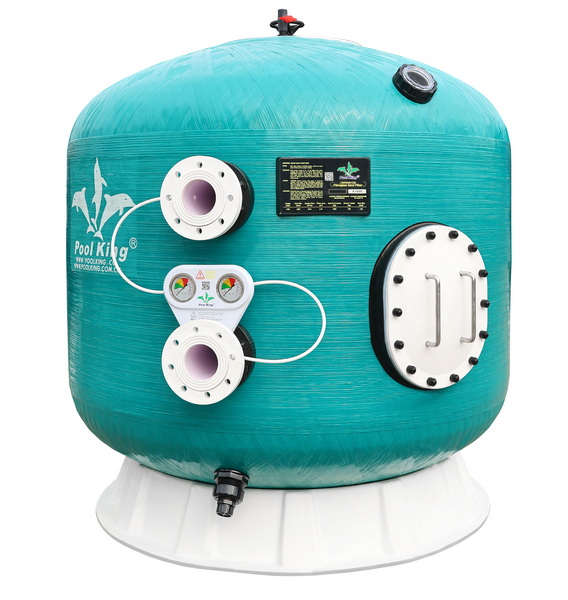
Even after calculating turnover, real‑world signs from your pool water are crucial. Several common symptoms suggest that the filter is not running long enough or is not performing efficiently.[5][4]
Watch for:
- Persistent cloudiness despite correct chlorine and pH levels.[5][4]
- Fine debris floating or settling quickly after vacuuming.[9][4]
- Algae starting as a faint haze or discoloration on walls or in corners.[5][4]
- Need to “shock” the pool frequently even with normal bather load.[9]
In these cases, owners are often advised to increase runtime toward 12–24 hours temporarily while brushing, balancing chemistry, and cleaning or backwashing the filter.[4][9]
Filter runtime should not remain the same all year. Temperature, sunlight, rainfall, and pool usage all affect how often to run the filter.[7][2]
1. Summer/high season
- Warm water, more swimmers, and stronger sunlight increase algae risk and chemical demand.[9][2]
- Many pools require 8–12 hours or more per day and sometimes continuous operation during heatwaves or algae treatment.[6][2]
2. Spring opening
- After winter, debris and contaminants are usually high.[10][4]
- Continuous filtration for 24–72 hours with proper brushing and chemistry is common until the water turns clear.[4][10]
3. Autumn and winter
- With cooler water and fewer swimmers, many residential pools can cut filtration to 4–6 hours per day while maintaining clarity, or even less for covered or winterised pools.[7][2]
- Outdoor uncovered pools may need occasional runtime bumps after storms or heavy debris.[9]
4. After storms, heavy rain, or pool parties
- Extra organic matter and contaminants enter the pool, often overwhelming normal schedules.[4][9]
- Run the filter longer (often 24 hours) and vacuum/brush the pool, then return to normal runtime when clear.[4][9]
Even the best runtime plan will not work if the filter is dirty or damaged. Pressure gauge readings and visual inspection help determine whether cleaning or backwashing is due.[14][10]
Key practices:
- Backwash sand and DE filters when pressure rises about 7–10 psi above clean baseline or flow visibly decreases.[14][10]
- Clean cartridge filters regularly according to manufacturer advice and pool conditions, typically every few weeks in season.[14][10]
- Replace sand every 3–5 years, cartridges every 1–2 years, and DE grids every several years depending on usage, water quality, and chemical care.[15][10]
If the filter medium is old or clogged, the system may technically “run” for 8–10 hours but still fail to deliver true turnover because the flow is restricted. Upgrading to newer filter technology, an oversized filter tank, or an OEM‑engineered filter‑pump package can allow shorter runtimes for the same clarity.[15][14][10]
Modern OEM pool systems increasingly combine high‑efficiency filters, variable‑speed pumps, and smart controllers that automatically adjust runtime based on temperature, usage, or scheduled cycles. For brands, wholesalers, and pool equipment manufacturers, integrated designs simplify installation and reduce lifetime operating costs for end users.[12][15][2]
Possible smart features:
- Programmable schedules with different day/night cycles and seasonal profiles.[11][12]
- Flow sensors that maintain target turnover while optimising pump speed.[12][2]
- Connectivity for remote monitoring and alerts when pressure rises, runtime thresholds are exceeded, or maintenance is due.[12]
Manufacturers of sand filters, DE filters, cartridge filters, pumps, LED lights, and accessories can differentiate their OEM products by offering pre‑matched kits that specify recommended runtimes and controller presets for various pool sizes and climates.[15][12]
Below is an example table summarising typical daily runtime guidance for common residential scenarios, assuming correctly sized equipment and good water chemistry.[8][6][2]
| Pool scenario | Approx. volume | Filter type | Climate / usage | Typical daily runtime |
|---|---|---|---|---|
| Small above‑ground backyard pool | 10,000–15,000 gallons | Cartridge | Mild climate, normal use | 6–8 hours cooppools+1 |
| Medium in‑ground family pool | 15,000–25,000 gallons | Sand | Warm climate, active use | 8–10 hours cooppools+1 |
| Large residential pool with spa | 25,000–35,000 gallons | DE | Hot climate, high use | 10–12 hours cooppools+1 |
| Covered residential pool in winter | 15,000–25,000 gallons | Any | Cool climate, low use | 4–6 hours cooppools+1 |
| Pool recovering from cloudy water | 15,000–30,000 gallons | Sand or cartridge | Any, cloudy/early algae | 12–24 hours until clear thepooljournals+1 |
Running a pool filter long enough to turn over all the water at least once per day—often 8–12 hours in summer and 4–8 hours in cooler months—is a proven way to keep water clear, safe, and comfortable for swimmers. By calculating turnover based on pool volume and pump flow, adjusting runtime for season and usage, and pairing it with proper filter maintenance, pool owners and professionals can achieve excellent clarity while controlling energy costs. For overseas brands, wholesalers, and manufacturers, OEM‑engineered filtration packages that integrate efficient sand, cartridge, or DE filters with smart pumps and controllers make it easier to specify and maintain optimal runtime across diverse markets.[1][3][15][14][12][2][10]
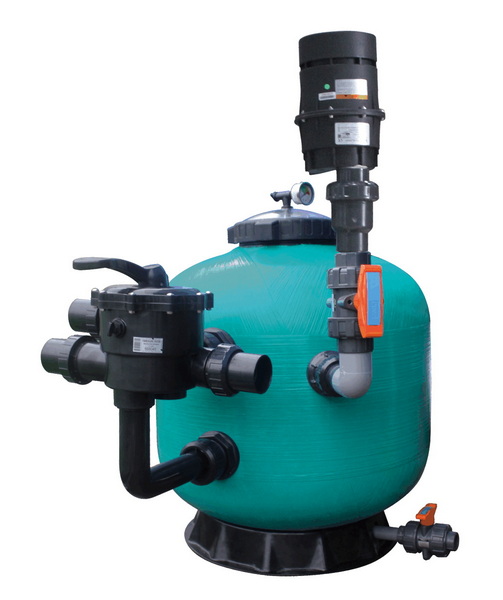
Both periods have advantages. Running during the day helps circulate chlorine when sunlight breaks it down and when swimmers are most active, supporting more even sanitiser distribution. Running at night or off‑peak hours can save on electricity, so many owners split the schedule, running several hours in daylight and the rest during cheaper night tariffs.[8][11][9]
Running the filter longer than necessary does not usually harm the water, but it does increase energy use and mechanical wear on the pump. Very long runtimes can indicate undersized or poorly performing equipment, so rather than simply running 24/7, it is better to calculate turnover, evaluate water clarity, and upgrade to efficient, properly sized OEM systems if needed.[8][2][10]
In cool seasons with lower water temperature and no swimmers, many outdoor pools can reduce runtime to around 4–6 hours per day if the water remains clear and chemistry is stable. Covered or winterised pools may need even less, but the pump and filter should still run periodically to prevent stagnant water and equipment issues.[7][2]
Saltwater systems generate chlorine through a salt cell but still rely on the same physical filtration principles, so recommended runtimes are similar to traditional chlorine pools for a given volume and climate. However, because salt cells only produce chlorine while water is flowing, many owners run saltwater systems on the higher end of the 8–12 hour range in season to maintain adequate free chlorine levels.[12][2]
Yes. After adding shock, the filter should run continuously for many hours or even 24 hours or more to circulate the chemical and remove dead algae and debris from the water. During this period, brushing walls, vacuuming to waste when needed, and monitoring pressure will help the filter restore clear water faster; after recovery, you can return to your normal runtime schedule.[5][9][4]
If your water stays consistently clear, chemical readings are stable, and you do not experience frequent cloudiness or algae, your runtime is likely close to correct for your current conditions. If you notice haziness, debris lingering on the surface, or recurring algae, first verify water balance and filter cleanliness, then increase daily runtime gradually until the pool stabilises.[14][5][9][4]
[1](https://www.zodiac-poolcare.com/solutions/tips-for-my-pool/pool-maintenance/pool-filtration-time)
[2](https://cooppools.com/pool-problems/filtration/filter-run-time)
[3](https://www.californiapools.com/blog/california-pools-blog/pool-maintenance-care/how-long-should-you-run-your-pool-pump-/)
[4](https://thepooljournals.com/cloudy-pool-water/)
[5](https://www.swimuniversity.com/cloudy-pool-water/)
[6](https://poolpartstogo.com/blogs/articles/how-many-times-does-pool-water-need-to-be-turned-over)
[7](https://hyclor.com.au/how-long-do-pool-filters-last/)
[8](https://mrpoolman.com.au/blogs/news/how-long-should-i-run-my-pool-pump-every-day)
[9](https://bradyshottubsottawa.com/blog/how-to-clear-a-cloudy-pool/)
[10](https://intheswim.com/blog/best-pool-filter-type-de-sand-or-cartridge.html)
[11](https://www.1stdirectpools.com/blog/post/when-run-pool-pump-ultimate-guide)
[12](https://www.swimmingpool.com/maintenance/pump&filter/how-long-to-run-pool-pump/)
[13](https://www.youtube.com/watch?v=9ToRTbckeOw)
[14](https://www.florida-sunseeker.com/blogs/news/how-often-should-i-clean-or-replace-my-pool-filter)
[15](https://www.poolkingfilter.com/how-long-should-you-run-your-pool-filter-each-day.html)
[16](https://lesliespool.com/blog/how-to-calculate-pool-pump-run-time.html)
[17](https://www.reddit.com/r/pools/comments/pbcz27/how_long_should_i_run_my_pool_pump_each_day_i/)
[18](https://www.reddit.com/r/pools/comments/wymsml/some_advice_for_anyone_debating_between_a_sand/)
[19](https://www.youtube.com/watch?v=xfpKMOQgdIw)
[20](https://www.facebook.com/groups/637529959937311/posts/2256842978005993/)


