
Views: 222 Author: Tina Publish Time: 2025-12-03 Origin: Site


Content Menu
● Typical replacement timeframe
● Key factors that affect cartridge life
● How often to clean vs replace
● Performance signs it is time to change
● Residential vs commercial pools
● Climate and seasonal considerations
● Best practices to extend cartridge life
● OEM and upgrade opportunities for pool owners
● FAQ
● FAQ 1: How often should you change a pool filter cartridge?
>> FAQ 2: How often should you clean the cartridge before replacing it?
>> FAQ 3: What are the clearest signs that the cartridge is worn out?
>> FAQ 4: Can better-quality or OEM cartridges last longer?
>> FAQ 5: How can pool owners make cartridges last as long as possible?
>> FAQ 6: Is it better to change the cartridge before opening or after closing the pool season?
How often you should change a pool filter cartridge typically ranges from about 1 to 3 years for residential pools, depending on usage, water quality, filter size, and how well you maintain and clean the cartridge. Instead of relying only on time, the most accurate way is to watch pressure, water clarity, cleaning frequency, and visible cartridge damage to decide when it is really time to replace.[1][2][3][4][5]
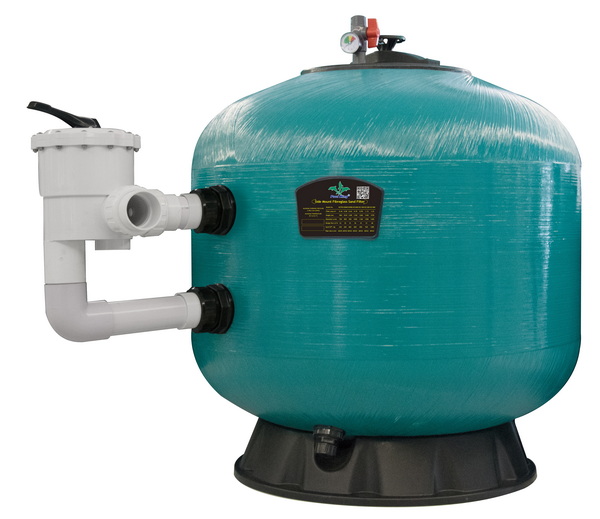
Pool filter cartridges are the “lungs” of your pool filtration system, trapping fine debris so that your water stays clear and healthy. Knowing exactly how often to change a pool filter cartridge helps you avoid cloudy water, high energy bills, and unnecessary replacement costs. For pool owners working with OEM-quality cartridge filters and pumps, a clear replacement schedule also protects your equipment and extends the life of the entire system.[6][2][3][1]
Most residential pool owners replace their filter cartridges roughly every 1–3 years, assuming regular cleaning and normal bather loads. Some guides suggest that well-maintained cartridges in ideal conditions can last closer to 3–5 years, while heavily used or neglected ones may fail in as little as 12–18 months.[6][2][5][1]
Commercial or high-usage pools, such as hotel or public facilities, often need new cartridges closer to every 12–18 months because of longer pump run times and higher swimmer loads. Cartridges in harsh environments with dust, leaves, or frequent algae problems also reach the end of their life sooner, even if they are cleaned regularly.[2][3][6]
Several practical factors decide how long a pool filter cartridge will last in real use:
- Pump run time and flow rate
Longer daily run times push more water and debris through the cartridge, loading it faster and wearing the media fibers more quickly. Oversized filters with more surface area usually last longer because the same debris is spread over more pleats.[7][5][1][2]
- Bather load and contamination
Heavy swimmer use, sunscreen, body oils, and organic contaminants clog the cartridge faster, which means more frequent cleaning and earlier replacement. Pools that regularly host parties or kids' activities tend to shorten cartridge life compared to lightly used backyard pools.[3][8][2][7]
- Environmental conditions
Pools surrounded by trees, fine dust, or exposed to frequent storms send more debris and fine particles into the water and onto the filter. In warm climates with long swimming seasons, the cartridge does more months of work each year, which also shortens its effective lifespan.[8][2][3][7]
- Maintenance and cleaning habits
Cartridges cleaned on a consistent schedule and with the correct technique tend to last longer because dirt and oils do not stay embedded in the fibers as long. Aggressive cleaning with high-pressure jets or harsh chemicals can damage pleats, break bands, and reduce life, even if the cartridge still looks “white.”[9][2][3][7]
Cleaning frequency and replacement timing are closely linked, because every cleaning slightly wears the cartridge media. Many manufacturers or service professionals recommend cleaning the cartridge every 4–6 weeks during the active season, or whenever the pressure gauge rises about 8 PSI above the normal starting pressure.[1][2][3][8]
Over time, you will notice that the time between cleanings becomes shorter, and this is an important signal; when the interval between necessary cleanings is roughly half of what it used to be, the cartridge is often approaching the end of its useful life. Some technical recommendations suggest that after roughly 12–15 deep cleanings, the filter fibers are worn enough that a new cartridge will restore performance and pressure to a more efficient level.[2][3][1]
Instead of replacing only on a calendar schedule, pool professionals rely on performance symptoms to decide when a pool filter cartridge should be changed. These practical signs show that the cartridge is no longer filtering effectively, even if it has been cleaned:[10][3]
- Persistently cloudy or dirty water
When water remains hazy, greenish, or full of fine particles even after proper chemical balancing and a thorough cartridge cleaning, the filter media may be too worn to trap fine debris.[4][6]
- High pressure that will not drop
A healthy system shows lower pressure immediately after cartridge cleaning; if the pressure remains unusually high and the gauge climbs quickly again, media pores may be permanently clogged.[3][4]
- Noticeably reduced water flow
Weak return jets or visibly slower circulation, especially when the pump and plumbing are otherwise normal, often point to a cartridge that has reached the end of its life.[6][4]
- Frequent chemical adjustments
When the filter cannot remove enough contaminants, chlorine demand stays high and you must adjust pH and sanitizer levels more often to keep water balanced.[4][8]
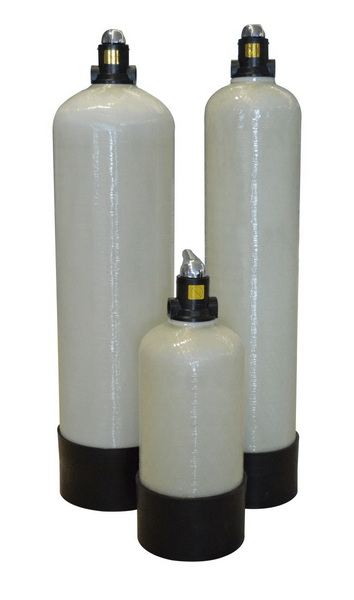
Regular visual inspection is one of the simplest ways to decide whether your pool filter cartridge needs to be replaced. When you remove the cartridge for cleaning, use this checklist:[9][10]
- Pleat condition
Pleats should stand evenly and look like the pages of a book; flattened, collapsed, or badly misshapen pleats reduce surface area and filtration efficiency.[6][9]
- Fabric integrity
Look for frayed fibers, thinning areas, discoloration from heavy chemical exposure, and spots where the media looks “polished smooth” rather than textured.[10][9]
- Holes, tears, or cracks
Any visible hole, rip, or crack in the media allows debris to pass straight through, which means the cartridge should be replaced immediately, not just cleaned.[9][10]
- Bands and end caps
Broken bands allow pleats to spread apart under pressure, and cracked end caps can compromise the structural integrity of the cartridge.[10][9]
Residential pools typically see lower daily usage and shorter pump run times, so cartridges in these systems often last closer to the upper end of the recommended range, provided they are cleaned on schedule. For many homeowners, a well-sized cartridge filter with good maintenance might reasonably last around 2–3 seasons before performance drops.[5][1][2]
Commercial pools, rental villas, water parks, and hotel pools run their pumps longer and experience heavier bather loads, making the filtration system work much harder. In these environments, routine replacement every 12–18 months is common, and facility operators often keep spare OEM cartridges on hand to reduce downtime.[2][3][6]
Climate has a major effect on how often you change a pool filter cartridge. In warmer regions with long swimming seasons, the system runs for more months each year, increasing the total load on the cartridge and pushing it toward the lower end of its lifespan range.[7][8][2]
In seasonal or colder climates, many pools are winterized and shut down for a portion of the year, which reduces overall run time but often adds challenges like leaf buildup and spring clean-up debris. Owners in these areas often start the season with a heavily loaded cartridge from opening clean-up and may choose to install a new cartridge once the water is balanced to reset the filtration baseline.[8][7][2]
Following a few best practices helps you get the maximum life out of each pool filter cartridge while still keeping water clean and safe. The goal is not to stretch the cartridge beyond its safe life but to avoid premature failure caused by avoidable mistakes.[5][1][3][2]
Key tips include:
- Clean on a schedule
Rinse the cartridge with a garden hose at least every 4–6 weeks in the active season, or whenever the pressure rises about 8 PSI above clean baseline.[3][8][2]
- Use proper cleaning products
Occasionally soak the cartridge in a dedicated filter cleaner to dissolve oils and scale instead of using household acids or detergents that can damage the media.[2][3]
- Avoid high-pressure washing
High-pressure washers can cut fibers, tear pleats, and break bands, which shortens life even if the cartridge looks bright and white afterward.[9][3]
- Keep water balanced
Maintaining correct pH, alkalinity, and sanitizer levels reduces scaling, biofilm, and oil buildup on the cartridge, so it stays effective longer between replacements.[7][8]
When it is time to replace a cartridge, pool owners can choose between generic replacement elements and OEM-level cartridges matched to the pump, filter housing, and operating conditions. High-quality OEM or upgraded cartridges use better media, stronger bands, and durable end caps, which maintain flow and filtration performance for longer under the same working conditions.[5][10][9]
For brands, wholesalers, and manufacturers, partnering with a specialized OEM filtration factory allows custom cartridge sizes, pleat configurations, and end-cap materials to suit local pool standards and climates. This approach supports consistent replacement schedules for end-users and helps professional installers offer complete systems combining cartridge filters, sand filters, pumps, LED lights, and accessories under one brand.
A practical rule for most pool owners is to expect to change a pool filter cartridge about every 1–3 years, but to use performance indicators—cloudy water, stubborn high pressure, reduced flow, and visible damage—as the real decision triggers. By maintaining a regular cleaning schedule, monitoring pressure and water clarity, and choosing high-quality or OEM cartridges sized correctly for the system, you can extend cartridge life while keeping pool water continuously clean, clear, and safe.[1][5][3][2]
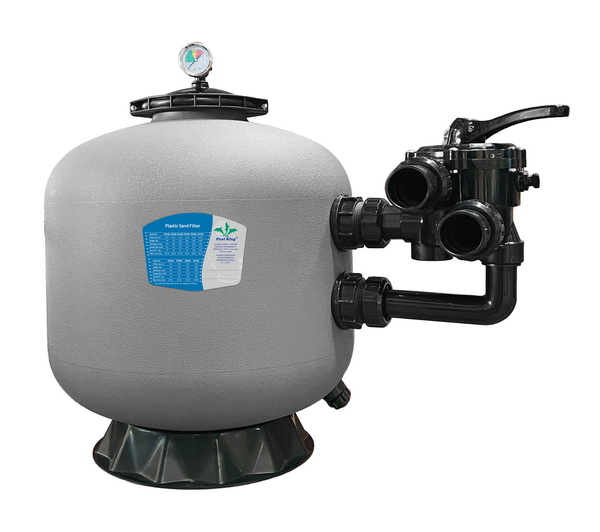
Most residential pool owners should expect to replace the cartridge roughly every 1–3 years, depending on usage, environment, and maintenance. Heavy-use or commercial pools often need new cartridges closer to every 12–18 months because of higher bather loads and longer pump run times.[1][5][6][2]
During the active season, cleaning every 4–6 weeks is a common guideline, or any time the pressure gauge rises about 8 PSI above the clean starting pressure. After roughly 12–15 thorough cleanings, or when the interval between required cleanings is about half what it used to be, most cartridges are ready for replacement.[8][1][3][2]
If water stays cloudy, pressure remains high after cleaning, flow through the returns is weak, or you see holes, tears, flattened pleats, or broken bands, the cartridge is likely at the end of its life. Needing frequent chemical corrections and still struggling with water quality is another strong indicator that the filter media is no longer effective.[4][6][8][9]
Yes, cartridges that use higher-grade media, reinforced cores, and strong bands typically maintain performance longer under the same operating conditions than low-cost generic options. OEM-level cartridges designed and manufactured specifically for the filter housing and pump curve also help maintain optimal flow and reduce stress on the system, which supports longer service life.[5][10][9]
The best ways to extend cartridge life are to clean on a regular schedule, avoid high-pressure washers, use appropriate filter cleaners, and keep pool water chemistry balanced. Choosing a correctly sized filter and cartridge for the pool volume and pump, as well as working with reputable OEM suppliers, also helps reduce unnecessary wear and premature replacement.[5][1][3][7][2]
In seasonal climates, many owners like to start the season with a clean or new cartridge so the system can quickly clear any opening debris and establish a reliable baseline pressure. Others prefer to run an older cartridge through the heavy spring clean-up, then install a new one once water is fully balanced; both strategies work if you monitor performance and do not extend a worn cartridge too long.[3][8][2]
[1](https://intheswim.com/blog/pool-filter-cartridges-when-to-clean-and-when-to-replace.html)
[2](https://hurricane-pool-filters.com/blogs/insights/pool-maintenance-101-how-to-clean-a-pool-filter-cartridge)
[3](https://poolscouts.com/when-to-clean-your-pool-filter-cartridge-vs-when-to-replace-it/)
[4](https://poolicons.com/pool-maintenance/top-signs-its-time-to-replace-your-pool-cartridge-filter/)
[5](https://mrpoolman.com.au/blogs/news/how-long-does-a-cartridge-pool-filter-last)
[6](https://hurricane-pool-filters.com/blogs/insights/top-5-signs-its-time-to-replace-your-pool-filter-cartridge)
[7](https://mrpoolman.com.au/blogs/news/how-often-should-i-clean-my-pool-filter-cartridge)
[8](https://swpoolsfl.com/how-often-should-pool-filters-be-cleaned/)
[9](https://blog.linerworld.com/2016/06/14/4-signs-time-replace-pools-cartridge-filter/)
[10](https://www.inyopools.com/HowToPage/how-to-determine-when-a-filter-cartridge-needs-to-be-replaced.aspx?CommentPage=1)
[11](https://lesliespool.com/blog/pro-tips-cartridge-filters-clean-replace.html)
[12](https://www.reddit.com/r/pools/comments/168nydi/how_often_should_i_change_my_cartridge_filters/)
[13](https://www.youtube.com/watch?v=DPN7BQd3si0)
[14](https://www.facebook.com/groups/273395260599363/posts/1277840923488120/)
[15](https://www.reddit.com/r/pools/comments/xa1d0p/how_do_you_know_when_its_time_to_replace_filter/)
[16](https://www.youtube.com/watch?v=7j41LwqldS8)
[17](https://www.youtube.com/watch?v=r8ddRCL21dc)
[18](https://www.reddit.com/r/swimmingpools/comments/1by988d/how_often_do_you_clean_the_cartridge_filters/)
[19](https://www.youtube.com/watch?v=Ij9aG42snyA)
[20](https://www.youtube.com/watch?v=3ArX-DmzRI8)


