
Views: 222 Author: Tina Publish Time: 2025-08-30 Origin: Site


Content Menu
● Types of Pool Filters and Cleaning Frequency
>> Sand Filters
>> Diatomaceous Earth (DE) Filters
● Signs Your Pool Filter Needs Cleaning
● How to Clean Different Types of Pool Filters
● Tips for Maintaining Your Pool Filter
● Frequently Asked Questions (FAQs)
>> Q1: How often should I clean my pool sand filter?
>> Q2: How do I know if my cartridge filter needs cleaning?
>> Q3: What is the recommended cleaning schedule for DE filters?
>> Q4: Can I clean my pool filter too often?
>> Q5: How do environmental factors affect pool filter cleaning frequency?
Keeping a swimming pool clean and safe for use largely depends on the effective functioning of its filtration system. Among the various components of maintaining a pool, cleaning the pool filter regularly is crucial. But how often should this be done? The answer depends on several factors including the type of pool filter, the frequency of pool use, water quality, and environmental conditions. This comprehensive guide explains the cleaning schedule for different types of pool filters, signs it needs cleaning, cleaning procedures, and maintenance tips to keep the pool water crystal clear and healthy.
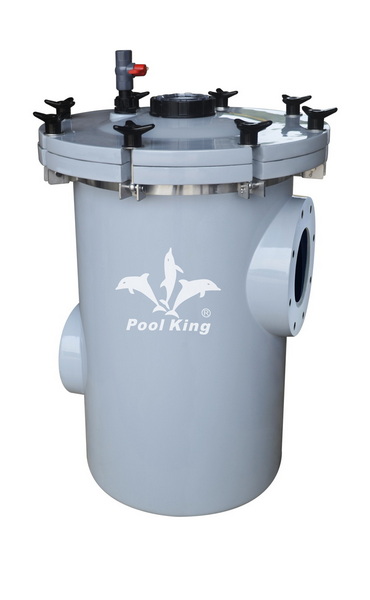
Pools typically use one of three types of filters: sand filters, cartridge filters, and Diatomaceous Earth (DE) filters. Each has its own cleaning routine and lifespan considerations.
Sand filters work by filtering pool water through a bed of special sand that traps debris.
Cleaning Frequency:
- Backwash every 4-6 weeks during the swimming season
- Also backwash when the pressure gauge reads 8-10 PSI above normal
- Replace sand every 3-5 years
Sand filters require less frequent cleaning compared to cartridges or DE filters but regular backwashing ensures they don't become clogged, which can reduce water flow and filtration efficiency.
Cartridge filters use pleated fabric cartridges to trap particles and debris.
Cleaning Frequency:
- Clean every 2 to 6 weeks, especially during heavy pool use
- Clean when the pressure gauge indicates 8-10 PSI over baseline
- Replace cartridges every 3-5 years depending on wear
Cartridge filters require removal and rinsing with a hose. For oily debris, soaking cartridges in specialized cleaners extends their life.
DE filters use a fine powder made from fossilized diatoms coated on grids to filter very fine particles.
Cleaning Frequency:
- Backwash monthly or when pressure gauge rises 8-10 PSI
- Add DE powder after each backwash
- Deep clean filter grids 1-2 times yearly
DE filters remove the smallest particles among the three types but require more upkeep including replenishing DE powder after cleaning.
Visual and mechanical cues help know when to clean the filter beyond routine schedules.
- Increase in pressure: A rise of 8-10 PSI over normal operating pressure indicated by the pressure gauge is a clear sign.
- Reduced water flow: Decreased circulation suggests clogging of the filter media.
- Cloudy or green water: Cloudiness or algae growth indicates insufficient filtration.
- Longer filter run times: If the pump runs longer to keep water clean, filter flow might be restricted.
Monitoring these signs regularly helps prevent damage and maintains water clarity.
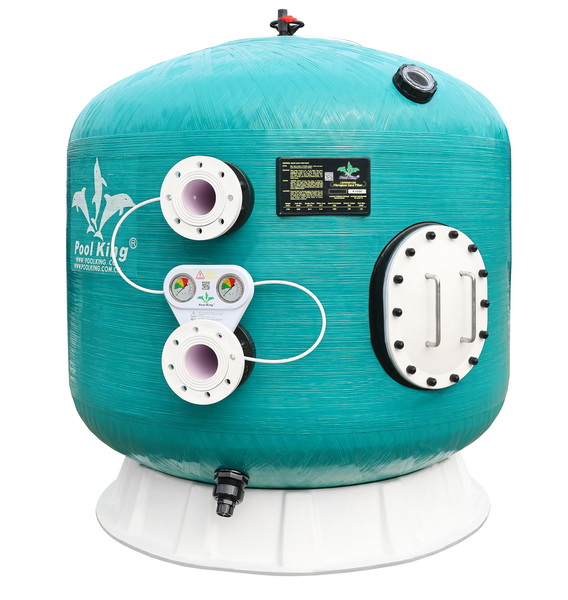
Cleaning methods vary by filter type.
1. Turn off pool pump.
2. Attach a backwash hose to the waste line.
3. Set the multiport valve to “Backwash.”
4. Run the pump for 2-3 minutes until water is clear.
5. Set valve to “Rinse” and run for 30 seconds to resettle sand.
6. Return valve to “Filter” setting and turn pump on.
1. Turn off pump.
2. Remove the filter housing lid.
3. Take out cartridges and inspect for damage.
4. Hose off debris and dirt between pleats.
5. Soak in cartridge cleaner for oily build-up if needed.
6. Rinse again and replace cartridges.
7. Replace lid and turn pump back on.
1. Turn off pump and set valve to “Backwash.”
2. Run pump until water in the sight glass is clear.
3. Set valve to “Rinse” for 30 seconds.
4. Turn valve to “Filter” and restart pump.
5. Add fresh DE powder to the skimmer.
- Regularly check and record pressure gauge readings.
- Inspect for cracks or damage during cleanings.
- Lubricate O-rings on filter lids annually to prevent leaks.
- Store filter cartridges in a dry, shaded area if removed long-term.
- Replace filter media or cartridges as recommended to ensure effective filtration.
Cleaning a pool filter regularly is essential for maintaining clean, clear water and prolonging the life of your pool equipment. How often a pool filter needs cleaning depends on the filter type, pool usage, and environmental factors, but the general rule is whenever the pressure gauge shows an 8-10 PSI increase or monthly for DE filters. Routine maintenance and prompt cleaning not only improve water quality but also reduce strain on pool pumps and prevent costly repairs. Implementing a schedule tailored to your pool's unique needs will ensure a refreshing and healthy swimming environment year-round.
A1: Backwash sand filters every 4-6 weeks or when pressure gauge rises 8-10 PSI above normal.[2][1]
A2: Clean cartridge filters every 2-6 weeks or when the pressure gauge shows an 8-10 PSI increase.[4][2]
A3: Backwash DE filters monthly and add DE powder after backwashing, with deep cleaning 1-2 times yearly.[1][2]
A4: Cleaning more often than necessary is less harmful than neglect, but frequent cleaning should be based on pressure readings and water quality.[5]
A5: Pools exposed to heavy debris like leaves, pollen, or algae blooms may require more frequent cleaning.[6][2]
[1](https://watercraft.com.sg/how-to-clean-and-maintain-pool-filters-effectively-in-singapore/)
[2](https://pool.dreametech.com/blogs/blog/how-often-to-clean-pool-filter-complete-guide)
[3](https://www.millenniumpool.com/blog/how-often-you-should-clean-your-pool-filter/)
[4](https://intheswim.com/blog/pool-filter-cartridges-when-to-clean-and-when-to-replace.html)
[5](https://chemsol.co.uk/journal/how-often-should-you-clean-a-swimming-pool-filter)
[6](https://www.lathampool.com/resources/pool-maintenance-hub/how-to-clean-your-pool-filter/)
[7](https://www.youtube.com/watch?v=Ij9aG42snyA)
[8](https://www.pioneerfamilypools.ca/advice/how-often-should-you-clean-your-pools-cartridge-filter/)
[9](https://www.reddit.com/r/pools/comments/16xwrd4/how_often_should_the_pool_filter_be_cleaned_do/)


