
Views: 222 Author: Tina Publish Time: 2025-11-18 Origin: Site


Content Menu
● Why Choose Filter Balls Over Sand or Cartridges?
● Pool Filter Ball Cleaning Frequency: Best Practices
>> General Rule: Clean Every 4 Weeks
>> What Factors Impact Cleaning Frequency?
● Signs Your Pool Filter Balls Need Cleaning
● Step-by-Step Guide: Cleaning Pool Filter Balls
>> 3. Backwashing (Hybrid Vessels)
● Pool Filter Ball Installation & Replacement
>> How Many Filter Balls Should You Use?
● Troubleshooting: Common Pool Filter Ball Issues
>> Cloudy Water After Cleaning
>> Persistent Pressure or Flow Issue
● Pro Tips for Maintaining Filter Balls
● Environmental and Cost Benefits
● OEM Solutions for Global Pool Brands
● Frequently Asked Questions (FAQ)
>> 1. Are pool filter balls safe for all pool types?
>> 2. How many filter balls do I need for my pool size?
>> 3. Do filter balls require special cleaning chemicals?
>> 4. How long do filter balls last?
>> 5. Do I need to replace or clean filter balls after algae outbreaks?
Pool filter technology has evolved rapidly in recent years, introducing innovative solutions aimed at reducing maintenance, improving water clarity, and enhancing user experience. Among these, pool filter balls have emerged as one of the most efficient, sustainable, and user-friendly filter media choices—replacing traditional sand, cartridge, and DE (diatomaceous earth) options. This article explores in depth how often pool filter balls should be cleaned, the step-by-step process for cleaning, signs that cleaning is needed, tips to keep your pool sparkling, and the many benefits of choosing filter balls for residential, commercial, and OEM applications.
As a premium Chinese manufacturer and OEM supplier of advanced pool filtration systems, including sand filters, DE filters, cartridge units, water pumps, LED lights, and accessories, we leverage smart automation to deliver top-tier products and custom solutions for global partners. By emphasizing the maintenance and care of our filter ball solutions, we help you manage your pool system with ease and confidence.
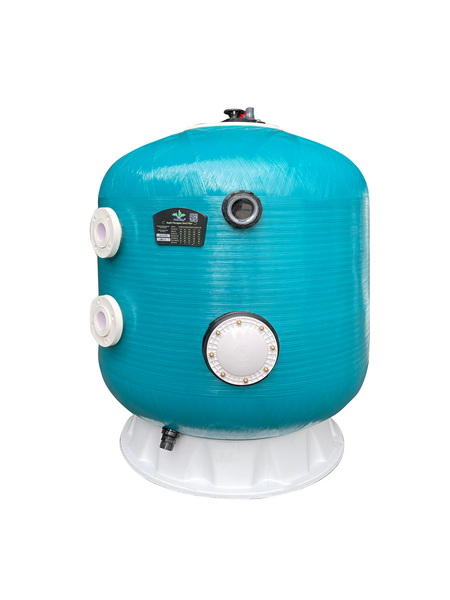
Pool filter balls are high-performance, synthetic fiber balls engineered to trap dirt, debris, and even fine particulates during pool filtration. Compared to sand, they offer:
- Superior filtering capacity for particles as small as 3 microns.
- Significantly lighter weight (about 700 grams replaces 25 kg of sand).
- Easier installation and handling—no messy, heavy lifting.
- Reusability and simple cleaning methods.
- Eco-friendliness, as most filter balls are made of recyclable polyethylene or polyester fibers.
Filter balls work seamlessly in most sand filter vessels and can be installed as a direct replacement, providing high flow rates and reduced pump strain. Their growing popularity among pool owners and professional users reflects their durability and cost-effectiveness.
- Easier cleaning and maintenance—no more hauling tons of sand or handling fragile cartridges.
- Improved water clarity, even with high swimmer loads or during storms.
- Fewer backwashing cycles required, reducing water, energy, and chemical usage.
- Longer usable lifespan, often outlasting sand by 2–3 times.
- Perfect fit for OEM customization: filter balls can be tailored to system capacity and client needs.
Our smart manufacturing facilities ensure consistent quality, supplying global brands and distributors with reliable, high-capacity filter balls for B2B and retail environments.
For most pool owners and operators, cleaning pool filter balls every 4 weeks during the swimming season sustains optimal filtration and water clarity.[1][8][9]
- For pools that experience heavy bather loads, pollen, dust storms, or algae blooms, consider checking filter performance weekly and cleaning more often if there is a drop in water flow or a spike in filter pressure.[5]
- For commercial pools, resort pools, and public facilities, maintenance schedules should be tighter—every 2–3 weeks or sooner based on demand and water testing.
- Pool usage (more swimmers, more frequent cleaning).
- Local climate: High pollen, dust, leaves, or urban pollution can clog filters faster.
- Water chemistry: Poor balance accelerates debris buildup.
- Filtration system age and condition.
- Use of flocculants or clarifiers—these may harden filter balls and reduce their effectiveness, requiring prompt cleaning or replacement.
Recognizing when it's time to clean the filter balls saves time and extends product life.
- Reduced water flow at pool return jets.
- Pressure gauge reading 8–10 psi above normal (for sand filter systems).
- Cloudy pool water or persistent haze.
- Visibly dirty, clumped, or discolored filter balls during inspection.
- After periods of heavy pool use, storms, or visible debris.
- System alarms or alerts (in smart filtration setups).
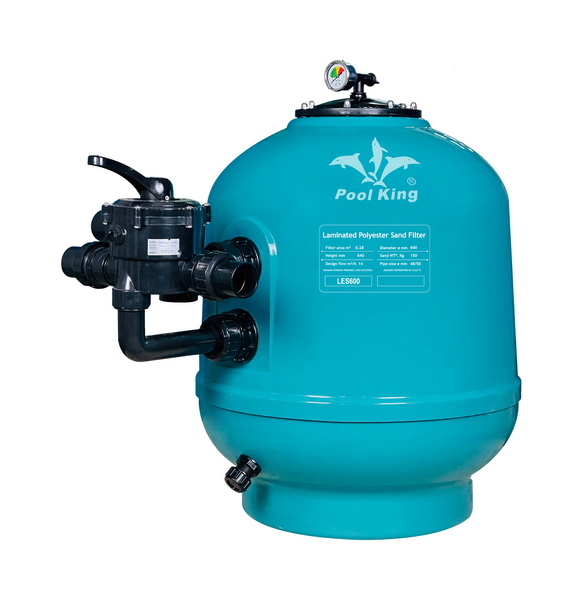
Filter balls require much less effort to clean than sand or cartridges. Here's how to ensure your filter media is ready for action:
1. Turn off the pump and power—never work on live electrical pool equipment.
2. Remove the top assembly of your filter tank.
3. Scoop out the filter balls and place them in a strainer or large colander.
4. Use a strong spray from your garden hose to rinse thoroughly, flipping balls several times.
5. Continue until rinsing water runs clear. This removes organic debris, silt, and algae efficiently.
6. Let filter balls dry completely; return them to the tank and reassemble.
- Place balls in a laundry bag or pillowcase to prevent tangling.
- Use a gentle, cold or warm cycle (max 30–40°C), no spin or low spin settings.
- Skip strong detergents; use a teaspoon of white vinegar or a pH-neutral cleaner if desired.
- Wash separately—never with other laundry.
- Air dry thoroughly before reinstalling.
This method is especially useful for home pools with smaller filter capacities.
Some sand filter tanks equipped with backwash valves can partially clean the balls. However, a deep clean still requires removal and hand or machine washing for best results.[3]
- Backwash weekly during peak pool use; visually inspect balls monthly.
- If using flocculants or clarifiers, remove, clean, or replace balls immediately as these chemicals can harden fibers.
For pools with a history of algae or bacterial outbreaks, periodic deep disinfection is advised:
- Soak washed balls in a diluted hydrogen peroxide or pool-appropriate sanitizer solution, then rinse thoroughly and dry.
- Never use bleach, strong acids, or undiluted cleaning chemicals.
Generally, 1 cubic foot (about 700 grams to 1 kg) of filter balls replace 25–30 kg of sand. For a standard 300 lbs (136 kg) sand filter, use approximately 3 bags (3 cubic feet) of filter balls.[4][1]
- Check manufacturer guidelines for your specific vessel.
- Never overfill beyond the max fill line for your tank—this impacts flow and system safety.
- Thoroughly clean the filter tank before installing new filter balls.
- For retrofits, ensure sand or DE is fully removed and the tank is dry.
- Pour filter balls evenly to minimize clumping or channeling.
- Recheck seals and gaskets prior to starting filtration.
Our OEM production facilities offer customized filter ball sizing, packaging, and branding solutions for international clients looking to expand their product lineup with high-quality, easy-maintenance filtration media.
- Test water chemistry (free chlorine, pH, alkalinity, stabilizer).
- Check pump operation and circulation patterns.
- Ensure filter balls are fluffed and dry before installation.
- Inspect for damaged, hardened, or matted filter balls.
- Inspect system for obstructions—skimmers, pipes, pump baskets.
- Clean or replace filter balls if they're compacted or permanently discolored.
- Examine for leaks or cracks in filter assembly.
- Increase cleaning frequency during heavy pollen, intense user traffic, or following algae treatments.
- Consult OEM or manufacturer guides for your pool size and expected bather loads.
- Avoid using flocculants or clarifiers unless manufacturer approves.
- Store spare filter balls in dry conditions; replace every 2–3 years or sooner if performance falls.
- Schedule quarterly inspections for commercial pools.
- For public installations, maintain strict hygiene and water testing protocols.
Filter balls offer unique sustainability and budget advantages:
- Recyclable materials reduce waste and environmental impact.
- Lower water, chemical, and energy consumption through efficient filtering and less frequent backwashing.
- Reduced pool downtime and labor costs for operators.
- Durability: 2–3 years for regular home pools, up to 5–6 years in low-impact settings, sometimes as long as a decade for premium ball brands.[1]
Our factory employs cutting-edge smart technology to optimize production and eco-friendly sourcing for all filtration solutions, making your pool business both profitable and sustainable.
As a leading OEM supplier, our fully automated production lines deliver custom pool filter systems, filter balls, pumps, LED lights, and accessories for brands and distributors worldwide.
- We offer branding, private-label packaging, and technical support for partners.
- All filter balls are tested for quality, flow, and durability before shipment.
- Flexible B2B ordering and logistics options are available for wholesalers and manufacturers seeking competitive, high-quality products.
Regular cleaning of pool filter balls—typically every 4 weeks—maintains water clarity, filtration capacity, and extends the lifespan of both the filter media and pool equipment. With simple cleaning, recyclable materials, and proven durability, filter balls represent a leap forward in pool management efficiency for homeowners, resorts, and global OEM customers. By partnering with leading smart manufacturers, you ensure best-in-class filtration, easy maintenance, and unrivaled support for your pool brand.
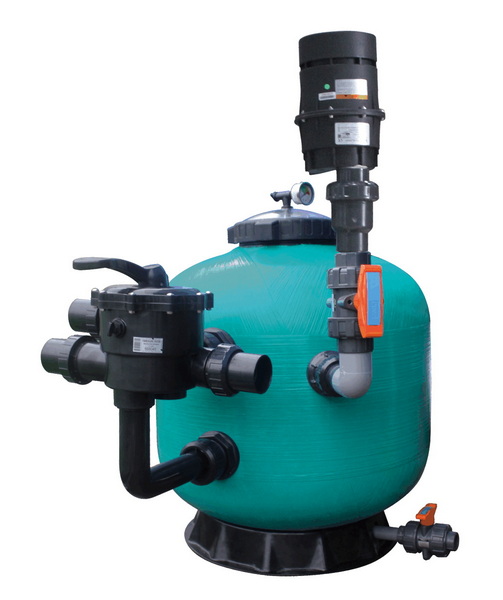
Yes, they can be used in most sand filter vessels and above-ground or inground pools. They are made from non-toxic, recyclable fiber safe for family and commercial use.[1]
One cubic foot of filter balls (~1 kg) replaces 25–30 kg sand. Standard residential systems need 2–4 bags; check your tank's specifications or consult OEM suppliers for details.[4]
No, use only water, a mild cleaner or vinegar, and avoid harsh detergents, bleach, or pool flocculants/clarifiers unless manufacturer approves.[1]
Quality filter balls often last 2–5 years, and sometimes much longer in low-use or well-maintained pools. Replace them when they lose shape, become matted, or if filtration declines noticeably.[1]
Yes, always remove, wash, disinfect, and dry filter balls after algae infestations before reuse. Severe cases may require replacement to restore performance and hygiene.
[1](https://99fab.com/blogs/99fab-blog/how-to-wash-pool-filter-balls)
[2](https://www.facebook.com/groups/637529959937311/posts/2528987714124850/)
[3](https://www.youtube.com/watch?v=wZzyC2AJOXs)
[4](https://www.thepoolfactory.com/blogs/pool-care/how-many-boxes-of-filtra-balls-to-use-with-your-sand-filter-system)
[5](https://www.youtube.com/watch?v=N4g4ts4X3AE)
[6](https://filterballs.com)
[7](https://www.shutterstock.com/video/search/how-clean-pool-filter-balls)
[8](https://www.facebook.com/groups/637529959937311/posts/2566601210363500/)
[9](https://www.reddit.com/r/AboveGroundPools/comments/1ky4ur6/how_often_should_i_wash_the_filterballs/)
[10](https://www.youtube.com/watch?v=seHU348dSx0)
[11](https://www.youtube.com/watch?v=xCcRZbReHes)


