


Content Menu
● How Often to Clean Each Filter Type
● Key Factors That Change Cleaning Frequency
● Signs Your Pool Filter Needs Cleaning Now
● How Often to Clean a Cartridge Pool Filter
● How Often to Clean a Sand Pool Filter
● How Often to Clean a DE Pool Filter
● Monthly and Seasonal Cleaning Schedule Example
● How OEM‑Grade Filters Reduce Cleaning Frequency
● Step‑by‑Step: When and How to Clean
● FAQs About How Often to Clean Pool Filters
>> 1. How often should I clean my pool filter in general?
>> 2. How often should a cartridge pool filter be cleaned?
>> 3. How often should a sand filter be backwashed?
>> 4. How often should a DE filter be cleaned?
>> 5. What happens if I don't clean my pool filter regularly?
>> 6. Can a bigger filter reduce how often I need to clean?
Keeping a pool filter clean is essential for clear water, safe swimming, and long equipment life. Different filter types—sand, cartridge, and DE—have different cleaning schedules, and all should be cleaned when the pressure rises about 8–10 psi above normal.[1][2]
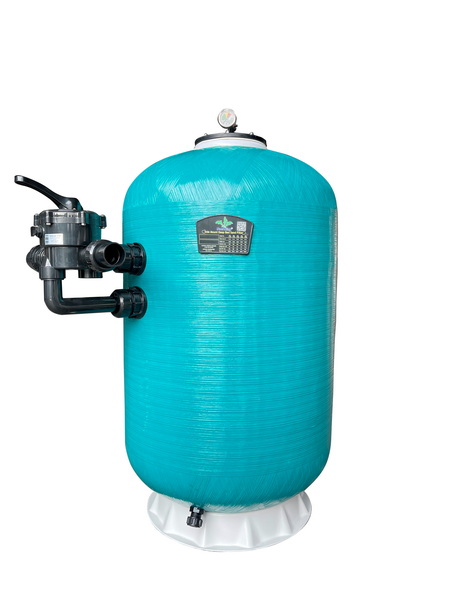
A practical rule is: clean any pool filter when the pressure gauge is 8–10 psi higher than its clean starting pressure, or when water clarity starts to drop.[3][1]
- Cartridge filters: Rinse or clean every 2–6 weeks during the season, or when pressure rises 8–10 psi above normal.[2][4]
- Sand filters: Backwash every 4–8 weeks in season, or when pressure is 8–10 psi higher than baseline.[5][1]
- DE filters: Backwash about once a month in normal use, and deep-clean at least once or twice a year.[6][2]
Cleaning intervals are only guidelines; real pools often need more or less frequent service depending on conditions.[9][4]
- Bather load: More swimmers, kids, or parties mean more body oils, sunscreen, and debris, which clog the filter faster.[10][8]
- Environment: Trees, wind, dust, pollen, and nearby construction quickly load the filter with fine particles.[2][5]
- Pool size and runtime: Small above‑ground pools with undersized systems often need more frequent cleaning.[11][12]
- Water chemistry: Poorly balanced water encourages algae, which can plug cartridges and media very quickly.[9][3]
Instead of relying only on the calendar, watch for operational signs that tell you the filter is dirty.[13][14]
- Pressure gauge 8–10 psi higher than normal: This is the most reliable trigger to clean or backwash.[15][1]
- Reduced water flow from returns: Weak jets or poor skimmer suction often mean a clogged filter.[14][3]
- Cloudy or dull water: When chemistry is correct but water stays hazy, the filter likely needs attention.[13][9]
- Pump working harder: Noisy operation or difficulty priming can be linked to restricted flow through a dirty filter.[4][3]
Cartridge filters are popular for their fine filtration and easy maintenance, but they must be cleaned on a consistent schedule.[16][12]
- Typical interval: Rinse or clean cartridges every 2–6 weeks in the swimming season, adjusting for use and debris.[5][2]
- Deep cleans: Perform a more thorough soak or chemical clean a few times per season or whenever normal rinsing no longer restores pressure.[3][9]
- Replacement: Most pool cartridges last about 1–3 years, or longer if sized generously and maintained correctly.[12][16]
Sand filters are robust and easy to use, but they need regular backwashing to keep water moving freely.[17][16]
- Typical backwash interval: Every 4–8 weeks during the season, or whenever pressure is 8–10 psi above clean.[1][5]
- Annual care: Many service guides recommend at least one deep clean or internal inspection each year to remove oils and fine debris.[16][9]
- Media life: Filter sand is usually replaced every 3–7 years, depending on water quality and maintenance practices.[2][16]
DE (diatomaceous earth) filters offer very fine filtration, but they require disciplined cleaning and recharging.[6][2]
- Typical backwash interval: About once a month under normal use, sooner if pressure climbs 8–10 psi above normal.[15][6]
- Seasonal deep cleans: Take apart and clean DE grids at least once per year; many guides suggest every 3 months for heavy use.[16][3]
- Recharging: After each backwash, new DE powder must be added through the skimmer to restore proper filtration.[6][3]
A simple schedule helps homeowners remember when to inspect and clean the filter instead of reacting only to problems.[1][9]
- Weekly: Check pressure gauge, water clarity, and skimmer baskets. Clean only if pressure has risen 8–10 psi.[4][3]
- Monthly: Perform at least a visual inspection of the filter and plumbing; backwash sand or DE if needed.[15][9]
- Every 2–6 weeks: Rinse cartridge filters, especially during hot, high‑use months.[5][2]
- Once or twice a year: Deep‑clean cartridge, sand, and DE systems to remove oils, scale, and fine debris.[16][9]
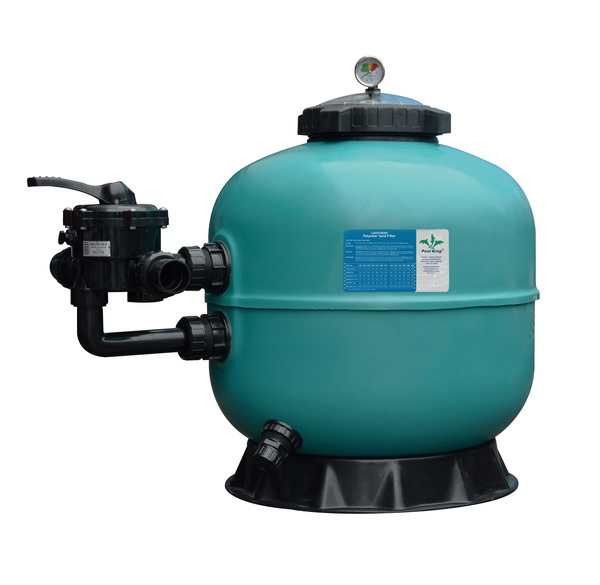
High‑quality filters and properly matched pumps can reduce how often users must clean the system while improving clarity.[17][3]
- Larger filter area: Oversized cartridge, sand, or DE filters hold more debris before pressure rises, so they require less frequent cleaning.[12][17]
- Efficient hydraulics: Correct flow rates and smart pump control reduce stress on the media, slowing down clogging and wear.[18][3]
- Better materials: Premium cartridges, corrosion‑resistant tanks, and precision valves maintain performance over a longer service life.[19][16]
As a professional Chinese manufacturer of sand filters, DE filters, cartridge filters, pool pumps, LED lights, and accessories, OEM‑grade systems can be configured to meet regional standards and reduce maintenance frequency for brands, wholesalers, and builders.
Although the detailed cleaning procedure varies by filter type, the decision to clean follows similar steps.[3][9]
- Step 1: Note the “clean” pressure after installing new media or after a full cleaning.
- Step 2: Check the gauge at least weekly during the swimming season.
- Step 3: When pressure rises 8–10 psi above the clean baseline, plan a cleaning or backwash session.[1][15]
- Step 4: Inspect water clarity, flow, and pump noise; if issues persist after cleaning, inspect for damaged media or plumbing restrictions.[14][3]
In most residential pools, the filter should be inspected at least once a month and cleaned whenever the pressure is 8–10 psi above the normal operating level or when water becomes cloudy. Cartridge filters typically need rinsing every 2–6 weeks, sand filters require backwashing every 4–8 weeks, and DE filters usually need monthly backwashing plus an annual deep clean. Choosing properly sized, OEM‑grade sand, DE, and cartridge filters, combined with a well‑matched pump, can reduce cleaning frequency, improve water quality, and extend the life of the entire filtration system for both residential owners and professional pool projects.[17][2][5][1][9]
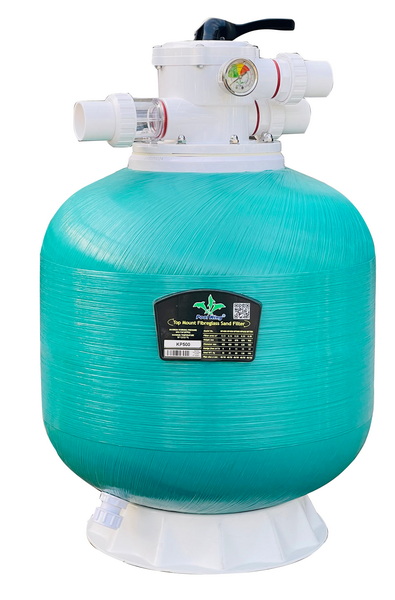
Most experts recommend cleaning or backwashing the filter at least once a month during the swimming season, or whenever the pressure gauge shows a rise of 8–10 psi above baseline. In low‑use periods or very clean environments, you might extend the interval, but monthly checks are still recommended.[5][15][1][9]
Cartridge filters usually need rinsing or cleaning every 2–6 weeks in the season, depending on pool use and debris load. Always clean sooner if pressure rises 8–10 psi above the clean reference or if water appears cloudy despite correct chemistry.[4][12][2][9]
A sand filter is typically backwashed every 4–8 weeks during normal use or when pressure increases 8–10 psi above normal. Heavy debris, algae treatment, or storms may require more frequent backwashing to restore proper flow.[15][1][16][5]
DE filters generally need backwashing approximately once a month and whenever the pressure gauge reads 8–10 psi above the clean starting level. At least once per year—often more in high‑use pools—the filter should be disassembled and the DE grids thoroughly cleaned and inspected.[2][6][3][16]
Neglecting filter cleaning leads to reduced water flow, cloudy water, and higher chemical demand. Over time, this can strain the pump, shorten equipment life, and make it harder and more expensive to restore clear, safe water.[13][14][4][3]
Yes. Oversized cartridge, sand, or DE filters have greater media area and debris capacity, so they take longer to reach the 8–10 psi rise that signals cleaning. Many pool professionals deliberately choose larger filters for lower maintenance and better overall water clarity.[17][18][12][3]
[1](https://www.millenniumpool.com/blog/how-often-you-should-clean-your-pool-filter/)
[2](https://pool.dreametech.com/blogs/blog/how-often-to-clean-pool-filter-complete-guide)
[3](https://lesliespool.com/blog/the-ultimate-pool-filter-maintenance-guide.html)
[4](https://www.carltonpools.com/how-often-should-you-clean-your-pool-filter/)
[5](https://swpoolsfl.com/how-often-should-pool-filters-be-cleaned/)
[6](https://centraljerseypools.com/how-often-to-backwash-a-de-filter/)
[7](https://www.youtube.com/watch?v=4ykLEwcbRnU)
[8](https://www.youtube.com/watch?v=Ij9aG42snyA)
[9](https://www.swimuniversity.com/clean-pool-filter/)
[10](https://www.reddit.com/r/pools/comments/16xwrd4/how_often_should_the_pool_filter_be_cleaned_do/)
[11](https://www.perplexity.ai/search/de57f4fe-c4f4-47a9-8dc4-baac7e184e94)
[12](https://intheswim.com/blog/pool-filter-cartridges-when-to-clean-and-when-to-replace.html)
[13](https://naplespool.com/how-often-should-i-clean-my-pool-filter/)
[14](https://www.discountfilters.com/blog/how-often-does-a-pool-filter-need-to-be-cleaned)
[15](https://www.mavaquadoc.com/blogs/pool-maintenance-blog/how-often-should-you-backwash-your-pool-filter)
[16](https://www.epoolsupply.com/blogs/default-blog/how-often-should-i-clean-replace-my-filter-media)
[17](https://www.poolsuppliessuperstore.com/help/sand-filter-vs-cartridge-filter-vs-de-filter-what-to-consider)
[18](https://www.pentair.com/en-us/education-support/water-education-center/pool-and-spa-education/cleaning-and-maintaining-your-pool-filters.html)
[19](https://www.1stdirectpools.com/blog/post/how-often-should-you-replace-swimming-pool-filter)
[20](https://www.reddit.com/r/pools/comments/z11x5e/how_often_do_you_clean_your_pool_filter/)
[21](https://www.reddit.com/r/pools/comments/wymsml/some_advice_for_anyone_debating_between_a_sand/)


