
Views: 222 Author: Tina Publish Time: 2025-08-21 Origin: Site


Content Menu
● Understanding the Role of Pool Filter Sand
● What Type of Media Can You Use in Sand Filters?
● How to Calculate the Right Amount of Sand
● Step-by-Step Guide: Adding Sand to a Pool Filter
● Common Mistakes Pool Owners Make
● How Often Should You Replace Pool Filter Sand?
● Troubleshooting Pool Water Clarity Issues
● Maximizing Filter Sand Performance
● Frequently Asked Questions (FAQs)
>> Q1: Can I mix different types of filter sand in one tank?
>> Q2: How many bags of sand does a 24-inch filter need?
>> Q3: Can old sand be cleaned and reused?
>> Q4: What happens if I add less sand than recommended?
>> Q5: How can I tell if I put too much sand in?
Maintaining crystal-clear pool water is every pool owner's goal, whether for a cozy backyard pool or a large commercial swimming facility. At the heart of keeping that water sparkling is the filtration system. Among the various filtration technologies available, sand filters are a popular choice because they are reliable, cost-effective, and relatively straightforward to maintain.
One of the most frequent questions pool owners ask is: “How much pool filter sand do I need?” While it might sound like a simple inquiry, determining the correct amount of sand for your pool filter is a matter of precise calculation and careful setup. Adding too little sand compromises filtration efficiency, while too much can create excessive pressure, reduce water flow, or even damage your filter system.
This guide will cover everything you need to know—from the purpose of pool filter sand, the different types of sand filters, media selection, sand requirements by filter size, and how often sand should be replaced, to pro tips for troubleshooting common issues.
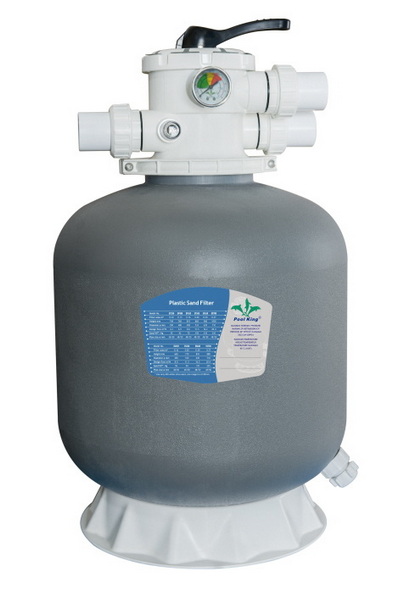
Pool filter sand is not like ordinary sand. It consists of finely graded, carefully washed granules that act as a natural barrier against dirt and debris.
Here's how it works:
- Water from the swimming pool is pumped into the filter tank.
- As it passes downward through the sand bed, debris, oils, dirt, and even some fine particles are trapped in the spaces between sand grains.
- Clean, filtered water then exits from the bottom of the filter and is returned to the pool.
To ensure you get the most from your sand filter, always use the correct grade of pool filter sand, and keep the filter properly maintained.
Not all sand filters are designed the same. The different types impact how much sand you need and how the sand is loaded.
1. Top-Mount Sand Filters
- The multiport valve sits on the top of the tank.
- Sand is typically poured directly into the top chamber.
- Often more compact—good for smaller or residential pools.
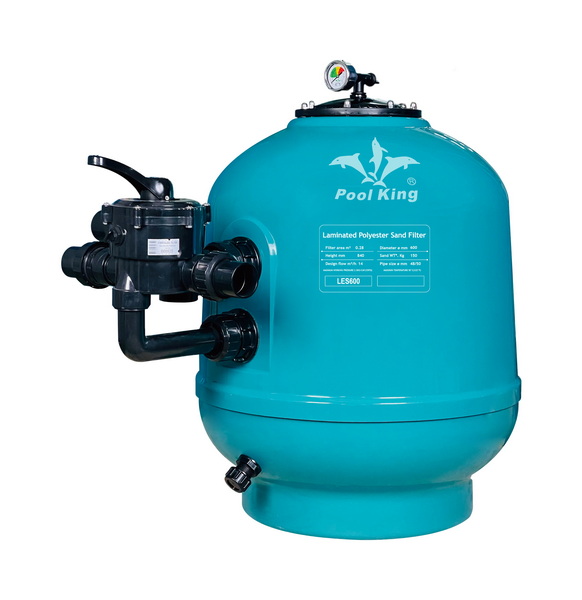
2. Side-Mount Sand Filters
- The multiport valve is positioned to the side of the filter tank.
- Designed for larger pools, allowing for greater sand capacity and easier maintenance.
- Used frequently in commercial or community pools.
While #20 silica sand is the most common choice, pool sand filters today can use a range of media, each with distinct advantages.
- #20 Silica Sand
- Grain size: 0.45–0.55 mm.
- Inexpensive and widely used.
- Filters particles down to 20–40 microns.
- Zeolite Sand
- Natural volcanic mineral.
- Captures particles as small as 10 microns.
- Absorbs ammonia, reducing chlorine demand.
- Glass Filter Media
- Produced from recycled glass.
- Lightweight, eco-friendly, and long-lasting.
- Requires less frequent backwashing compared to silica.
To properly size your filter, you'll need to know your filter's tank diameter and model. The manufacturer's guidelines should always be your first reference point, but the following estimates give you a realistic idea.
General estimates by filter tank size:
- 16-inch tank → about 100 pounds of sand.
- 19-inch tank → about 150 pounds of sand.
- 24-inch tank → about 300 pounds of sand.
- 27-inch tank → about 350 pounds of sand.
- 30-inch tank → about 500 pounds of sand.
- 36-inch tank → about 700 pounds of sand.
These numbers may shift slightly depending on which media you use. For example, glass media often requires 15–20% less weight compared to silica sand.
Correctly filling your sand filter is crucial to its performance. Follow these steps:
1. Turn off power to the pump and system.
2. Release pressure by opening the relief valve on the filter.
3. Remove the valve or cover from the top of the filter.
4. Fill the filter tank with water halfway to cushion the laterals. This prevents sand from damaging them during pouring.
5. Add the sand slowly, ideally using a funnel or scoop.
6. Level the sand bed, making sure it's even and below the standpipe or laterals.
7. Reassemble the filter lid or valve.
8. Backwash the system before putting it into service, flushing out dust and fine particles from new sand.
Even experienced pool owners can make mistakes when dealing with filter sand. Here are some pitfalls to avoid:
- Using the wrong sand (e.g., playground or building sand instead of pool filter sand).
- Overfilling the filter tank, which causes high pressure and poor water flow.
- Not adding enough sand, leading to cloudy water and increased chemical usage.
- Skipping the backwash after adding new sand.
- Failing to replace the sand at proper intervals.
Sand is durable, but it doesn't last forever. Over time, water circulation and chemical exposure smooth the surface of each grain, reducing its ability to trap particles.
Typical replacement intervals:
- Silica Sand: every 5–7 years.
- Zeolite: every 7–9 years.
- Glass media: can last up to 10 years or longer.
Signs your sand needs replacement:
- Cloudy water, even after chemicals are balanced.
- Pool requires frequent backwashing.
- Pressure gauge shows persistent high readings.
- Sand clumps or hardens inside the filter.
Even when you believe your filter sand is correct, sometimes the pool water doesn't look perfect. Here are a few quick diagnoses:
- Cloudy water after a pool party: Likely caused by excess body oils, sunscreen, and debris; run the filter longer and shock the water.
- Sand blowing back into the pool: Could indicate broken laterals or cracks inside the filter tank.
- Persistent algae: Points to poor circulation or sand that has lost its sharp edges—time for replacement.
- High pressure after backwashing: Could be an overfilled sand bed or blockages in the laterals.
To extend the efficiency and life of your sand filter:
- Keep pool pH between 7.2–7.6 and chlorine at recommended levels.
- Add a clarifier when fine particles overwhelm sand's filtration limit.
- Avoid over-backwashing; only do so when pressure rises 8–10 psi above normal.
- Educate swimmers on rinsing oils and lotions before entering the pool.
Knowing how much pool filter sand you need is not just a matter of convenience—it's essential for your pool's overall health and water clarity. Using the correct amount of sand, selecting the right filter media, and following proper installation steps will maximize your filter's lifespan and efficiency.
By avoiding common mistakes, staying on top of maintenance, and replacing sand when it reaches the end of its effective life, you'll ensure your swimming pool remains a safe, sparkling, and enjoyable oasis for years to come.
A1: It's best not to. Each media type has its own unique density and performance characteristics. Mixing can cause uneven flow and channeling.
A2: A 24-inch filter typically requires around 300 pounds, which equals six 50-pound bags of filter sand.
A3: No. Over time, sand grains lose their sharp edges and become smooth, reducing filtration performance. Replacement is always the better choice.
A4: The filter won't capture enough contaminants, leading to cloudy water, higher chemical consumption, and more maintenance.
A5: A filter that's overfilled will show a higher-than-normal pressure reading and reduced water circulation. Always stick to manufacturer specifications.


