
Views: 222 Author: Tina Publish Time: 2025-11-12 Origin: Site


Content Menu
● How Pool Pumps Work and Why They Matter
● Factors Influencing Pool Pump Electricity Consumption
● Pool Pump Electricity Use: Detailed Calculations
>> Typical Residential Single-Speed Pump Example
>> Energy-Efficient Variable Speed Pump Example
>> Above-Ground and Commercial Pool Pumps
● OEM Filtration System Impact
● Product Features That Improve Efficiency
● Advanced Energy Saving Technologies
>> Residential Pool, Florida, U.S.
● Energy-Efficient Pump Buying Guide
● Installation and Maintenance Advice
● Electricity Consumption and Environmental Impact
● International OEM and B2B Opportunities
● Practical Tips for Reducing Pool Pump Electricity Costs
>> 1. How is pool pump electricity consumption calculated?
>> 2. What runtime is ideal for most pools?
>> 3. Are variable-speed pumps worth the investment?
>> 4. What filters are most compatible with energy-saving pumps?
>> 5. How do OEM services improve the buying experience?
Swimming pools have become a hallmark of comfort and luxury in homes, hotels, and recreational centers globally. However, beyond the sparkling facade, pool owners and facility managers need to understand the costs and technical considerations associated with essential equipment—especially the pool pump, which is critical for water filtration and circulation. Electrical consumption of pool pumps represents a significant operational cost, influencing sustainability, monthly bills, and the long-term efficiency of your pool system.
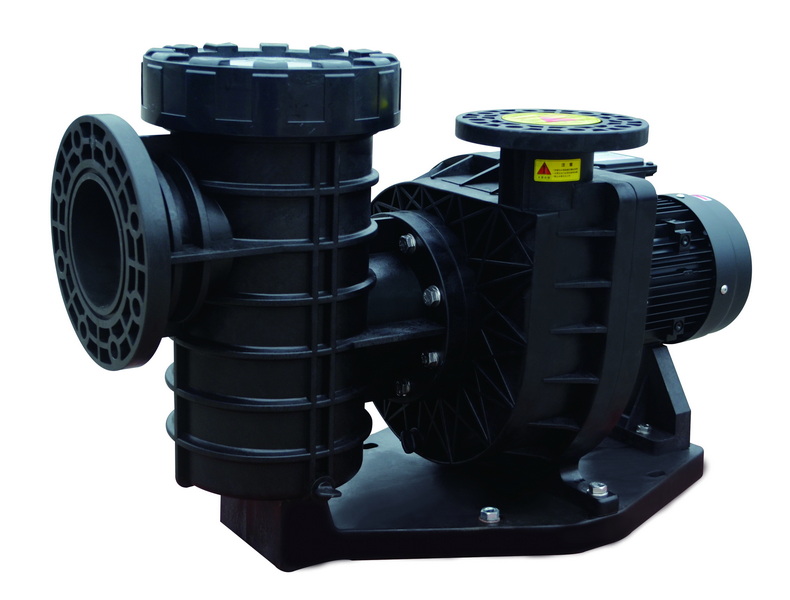
A swimming pool pump's primary function is water circulation—it pulls water from the pool, pushes it through a filter to remove debris, contaminants, and algae, and returns clean water back to the pool. This nonstop process not only keeps water clear but also ensures that chemicals are distributed uniformly, pH levels are maintained, and sanitation standards are met.
- Core Components: The pump system always includes the motor (measured in horsepower), the impeller, and filter housing. The type of filter paired with the pump—sand, DE (diatomaceous earth), or cartridge—affects water quality and resistance, subtly impacting energy consumption.
- Technological Progress: Today's leading OEM manufacturers offer equipment produced with intelligent machinery and high-precision components, increasing energy efficiency while maintaining robust performance.
Electricity use varies by equipment configuration, usage habits, and local utility rates. Key variables include:
- Horsepower and Pump Size: Larger pumps move more water but have higher wattage needs. For instance, a 2-horsepower pump consumes nearly double the electricity of a 1-horsepower pump.[1][7]
- Pump Type:
- Single-speed pumps: Operate at full power at all times; least efficient.[4][1]
- Dual-speed pumps: Allow switching between high/low settings.
- Variable-speed pumps (VSP): Adjust water flow according to demand, saving up to 70–80% energy compared to old models.[5][6][4]
- Run Time: The typical recommended cycle is 8 hours per day. Longer runtime increases consumption linearly.[7]
- Pool Size and Plumbing: Large pools and long piping require higher flow rates, impacting overall electrical demand.[2][6]
- Electrical Rate: Cost is calculated per kilowatt hour (kWh). The U.S. average is currently about $0.15 per kWh.[1][7]
- Wattage: 2,000W (for a common 1.5HP pump)
- Daily Operation: 8 hours
- Daily Consumption: 2,000W×8h=16,000Wh=16kWh
- Monthly Use: 16kWh×30=480kWh
- Monthly Cost at $0.15/kWh: 480×0.15=$72
- Wattage: 300W–600W average; as low as 116W at reduced flow[8][4]
- Daily Consumption: 300W×8h=2,400Wh=2.4kWh
- Monthly Use: 2.4 kWh×30=72 kWh2.4kWh×30=72kWh
- Monthly Cost at $0.15/kWh: 72×0.15=$10.80[8][4]
- Above-Ground Pumps: Use 1,500–2,500W; monthly use about 360–600 kWh.[7]
- Commercial Large Pools: Can exceed 1.5–3.0 HP and use 800–1,200 kWh per month.[5]
Many top-tier OEM suppliers—especially factories specializing in sand, DE, and cartridge filters—now build pumps with custom-calibrated flow rates for different pool volumes, optimized impeller designs, and inverter-driven motors. These innovations enable more precise electricity usage:
- Sand filters: Require consistent flow; usually paired with mid-range pumps.
- DE filters: Higher resistance; benefit from higher horsepower, but advanced backwash cycles reduce runtime.
- Cartridge filters: Lower resistance; can use lower-wattage pumps efficiently.[6][5]
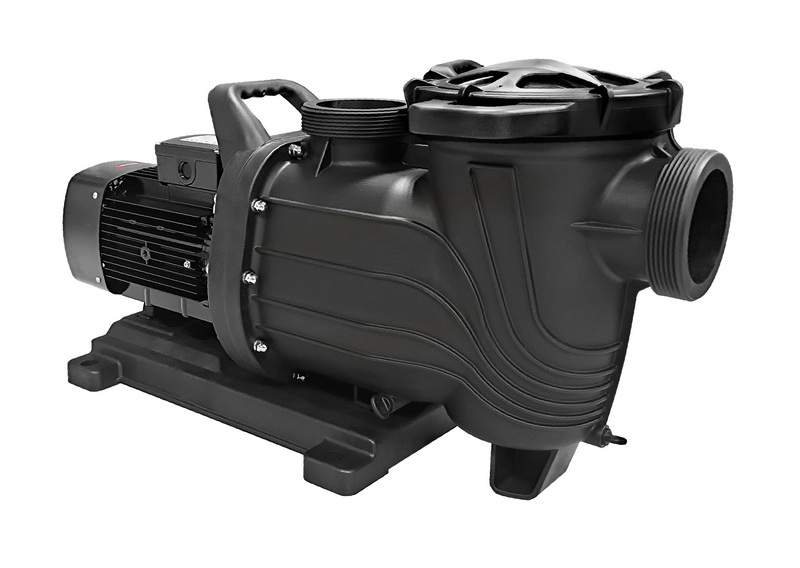
Modern pool pumps from reputable OEMs are engineered with:
- Programmable Timers: Automated scheduling can reduce energy use by 75%.[6]
- Smart Controls: Mobile apps allow for remote speed and filtration cycle management.[6]
- Brushless DC Motors: Lower friction, improved longevity, and lower power draw.[5]
- Volute Hydraulic Design: Optimizes performance at lower speeds, yielding quieter operation and less power consumption.[5][6]
Variable-speed pumps stand out due to advanced inverter drives and flexible control logic. For example, if a pump is set for a low-flow backwash at 22gpm, it might draw only 116 watts—even though this takes longer to complete, overall electricity used is less than what rapid turnover would require on a single-speed pump. Timers and smart pool controllers further reduce energy spent outside peak swimming hours.[8]
A homeowner upgrades from a single-speed 1.5HP pump (2,000W), running 8 hours daily (480 kWh/month), to a variable-speed 300W model (72 kWh/month). After one year, energy bills dropped by \$734, and water quality improved by running at lower flow for longer cycles.[4][7][5]
An international hotel installs a fully automated sand filter system paired with three VSPs, all programmed via a mobile app. Runtime was reduced to peak hours, saving nearly 70% on electrical costs compared with legacy systems.
When selecting new OEM pool equipment, international buyers should evaluate:
- Motor Type: Favor premium inverter-driven and brushless DC motors.
- Filter Compatibility: Ensure the pump matches filter resistance and target flow rate.
- Sizing: Properly calculate pool volume and required turnover (full filtration cycle every 6–10 hours).
- Smart Features: Prioritize programmable timers, mobile access, variable-speed logic, and safety certifications.
Proper installation and regular maintenance are vital for maximizing energy efficiency:
- Installation: Ensure pump is correctly sized per manufacturer specs and installed with low-resistance straight pipe runs.
- Regular Maintenance: Clean filter baskets and skimmers, lubricate motor bearings, and check timer/programming quarterly.
- Troubleshooting: If you notice higher energy bills, inspect for blocked filters, air leaks, or non-optimized scheduling.
High electricity use not only affects the wallet but also the environment. Pool equipment accounts for as much as half a pool owner's monthly energy bill. By upgrading pumps and optimizing cycles, owners and commercial facilities reduce their carbon footprints.[5]
Chinese pool equipment manufacturers now provide OEM, ODM, and white-label services for global brands, wholesalers, and pool system engineers. Advanced production lines, intelligent assembly, and strict QC standards support delivery of highly efficient products tailored to local requirements.
OEM Service Benefits:
- Custom branding, packaging, and documentation for international buyers.
- Engineering support for local code compliance (CE, UL).
- Flexible logistics and after-sales support for volume orders.
- Upgrade to a variable-speed model.
- Program run times according to real pool use.
- Clean filters and baskets regularly.
- Evaluate piping for optimal flow.
- Schedule maintenance checks before swim season starts.
- Negotiate with OEM suppliers to secure the latest pump technology for your project or business.
Swimming pool pumps play an integral role in maintaining safe, healthy water—but they are among the highest energy consumers in any pool filtration system. Single-speed models can use up to 480–600 kWh monthly, while smart, variable-speed pumps may use as little as 72 kWh, reducing costs by 70–80% and offering substantial environmental benefits. Advances in OEM technology, filtration system compatibility, and programmable features empower pool owners, brands, and commercial buyers to dramatically cut expenditures and operate more responsibly. Whether managing a private pool or a commercial leisure facility, investing in modern, energy-efficient pump solutions is key to long-term savings and sustainability.[1][7][4][8][5]
Multiply watts by hours operated daily, divide by 1,000 for kWh, and multiply by your local rate.[2]
Typically, 8 hours per day is sufficient for clean water. Over-filtration wastes electricity.[7]
Yes—energy use drops by up to 80% versus old models; payback usually occurs within 1–2 years.[4][6][5]
Cartridge filters, owing to lower resistance, and modern sand filters with smart flow controls.
They deliver tailored products, global logistics, engineering support, and branding to meet project demands.
[1](https://edgewaterpoolservice.com/how-much-electricity-does-a-pool-pump-use/)
[2](https://www.agwayenergy.com/blog/how-much-electricity-does-a-pool-pump-use/)
[3](https://www.energybot.com/energy-usage/pool-pump.html)
[4](https://electricityplans.com/variable-speed-pool-pump-vs-standard-pool-pump/)
[5](https://www.aquagem.com/news/how-much-energy-does-a-pool-pump-use)
[6](https://www.pooldrs.com/blog/The-Ultimate-Guide-to-Energy-Efficient-Swimming-Pool-Pumps-for-Residential-Swimming-Pools:-Save-Energy-and-Cut-Costs)
[7](https://www.jackery.com/blogs/knowledge/how-much-it-costs-to-run-a-pool-pump)
[8](https://docs.nrel.gov/docs/fy12osti/54242.pdf)
[9](https://acim.nidec.com/-/media/USMotors/Documents/Literature/Brochures/Upgrade-to-VS-Efficiency-Pool-Pump-Motors-Ebook.pdf)
[10](https://www.youtube.com/watch?v=HymAbKF8vgE)
[11](https://www.youtube.com/watch?v=qKSyOtt6xOg)
[12](https://www.youtube.com/watch?v=HnyAEFmuBBI)


