
Views: 222 Author: Tina Publish Time: 2025-12-05 Origin: Site


Content Menu
● How Much Does It Cost to Replace Pool Pump?
● Average Pool Pump Replacement Cost in 2025
● Cost Breakdown – Pump, Labor, and Extras
>> Labor and Installation Costs
>> Other Materials, Parts, and Permits
● Cost by Pump Type – Single, Dual, and Variable Speed
● Cost by Pool Type – In‑Ground vs. Above‑Ground
● Repair vs. Full Replacement – Which Is Cheaper?
● DIY vs. Professional Replacement Costs
● Long‑Term Cost – Energy Efficiency and Savings
● Sample Cost Table for Different Scenarios
● How to Choose the Right Pump for Your Budget
● OEM and Bulk Purchasing Opportunities (For Brands and Wholesalers)
● FAQs About Pool Pump Replacement Cost
>> 1. What is the average cost to replace a pool pump?
>> 2. Is it cheaper to replace just the motor instead of the whole pump?
>> 3. How much more does a variable‑speed pump cost?
>> 4. Can I replace a pool pump myself to save money?
>> 5. How often should a pool pump be replaced?
>> 6. Do energy‑efficient pumps really save that much money?
Replacing a pool pump is one of the most important investments in keeping your swimming pool clean, healthy, and energy‑efficient. Understanding the full cost—from the pump unit itself to labor, permits, and long‑term energy savings—helps homeowners make smarter decisions and avoid surprise expenses.[3][1]
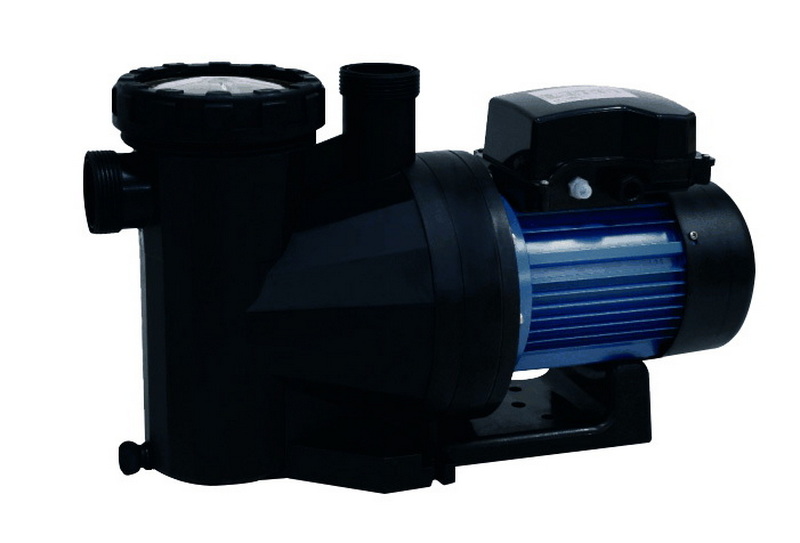
For a standard in‑ground residential pool, total replacement (pump + labor) typically falls in the 500–2,000 USD range. Many cost guides report an overall national average around 1,300 USD, but some projects can be as low as about 160 USD or as high as 6,000 USD for specialized or commercial systems.[5][4][3]
- Several home‑improvement cost calculators show typical “all‑in” replacement totals around 800–1,000 USD per pump under normal conditions.[6][7]
- Simple above‑ground pump swaps or DIY replacements can be closer to the lower end, while high‑head variable‑speed pumps for large or commercial pools push toward the top of the range.[2][3]
Understanding each cost component helps you explain quotes clearly to your customers.
The pool pump itself usually accounts for the largest part of the bill. Key price bands in 2025 look roughly like this:[8][1][2]
- Single‑speed pump: about 250–900 USD (pump only), depending on horsepower and brand
- Dual‑ or two‑speed pump: about 500–1,600 USD (pump only)
- Variable‑speed pump: about 800–2,500 USD (pump only), with some premium models reaching or exceeding 3,000 USD installed in demanding applications[2][8]
- Above‑ground pool pumps: around 150–400 USD for the unit[2]
Labor for professional replacement usually ranges from about 100–500 USD, depending on local hourly rates, complexity, and electrical/plumbing adjustments.[9][3][8]
- Many pool equipment pros charge for 1.5–2 hours of work to remove an old pump, install the new one, connect plumbing and power, and program a variable‑speed unit.[10][8]
- Online estimates often list typical labor add‑ons of about 100–400 USD for straightforward replacement where plumbing and pad layout are already in place.[9][8]
On top of the pump and labor, there may be smaller expenses.[6][3]
- Fittings, unions, valves, and sealants: usually a modest material charge bundled in the quote[6]
- Electrical upgrades, new breakers, or wiring corrections: can add significant cost if the existing system is outdated or unsafe[3]
- Local permits or inspections (where required): may slightly increase the final invoice, especially for new installations or major upgrades[3]
Different pump types have very different price points and lifetime operating costs.[8][2]
Single‑speed pumps run at one fixed speed and are usually the cheapest to buy.[2]
- Typical installed cost: about 500–900 USD in many markets[2]
- Some regions are phasing out new single‑speed pumps because they no longer meet modern energy efficiency regulations.[3]
Dual‑speed pumps allow low and high modes, offering better efficiency than single‑speed versions at a moderate price increase.[8][2]
- Pump‑only price commonly ranges from about 500–900 USD, with installed totals often between 700 and 1,200 USD.[8][2]
- Many homeowners see noticeable electricity savings when running on low speed for normal filtration, using high speed only for backwashing or heavy debris loads.[8]
Variable‑speed (VS) pumps are the premium option, letting you fine‑tune RPM to match filtration needs.[2][8]
- VS pump units are often priced around 800–1,500 USD, with installed costs commonly in the 1,200–2,000+ USD range.[3][2]
- Studies and supplier data show that variable‑speed pumps can reduce energy consumption by 50–90% compared with older single‑speed models, often paying for themselves within a few seasons through utility savings.[11][8]
Pool structure and size directly influence the required pump size and thus replacement cost.[3][2]
- In‑ground pools: typically use larger pumps and more complex plumbing, so many homeowners see replacement totals in the mid to upper part of the 500–2,000 USD range.[2][3]
- Above‑ground pools: usually need smaller pumps; complete replacements (pump + labor) are often closer to 300–700 USD.[2]
Bigger pools require higher flow rates and sometimes high‑head pumps, which are notably more expensive and can push total pump replacement costs to several thousand dollars for large or commercial installations.[3][2]
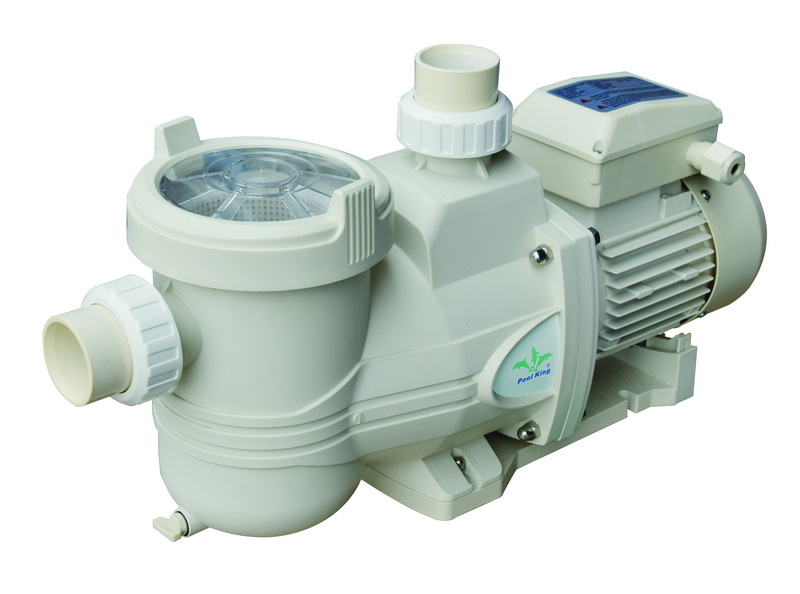
Sometimes you do not need to replace the entire pump; a motor swap or small repair may be enough.[12][1]
- Motor‑only replacement: commonly about 65–650 USD including parts and labor, depending on horsepower and brand.[13][1][12]
- Minor repairs: fixes like seals, timers, or electrical connections are often in the 120–300 USD range, including a service call.[1][12]
If the pump housing is cracked, the unit is very old, or repeated failures occur, experts often recommend a full replacement instead of continuing to repair an inefficient or unreliable pump. For many homeowners, upgrading to a modern variable‑speed pump also shifts long‑term value heavily toward full replacement because of lower monthly electricity bills.[4][1][8][3]
A confident DIYer will mainly pay for the pump itself and basic fittings.[9]
- Pump price: typically 150–1,000+ USD depending on pump type and size[1][9][2]
- Tools and small materials: PVC fittings, unions, primer, cement, sealants, and Teflon tape are usually inexpensive but require correct usage.[6][9]
DIY installation can reduce overall cost, but it also carries risks: leaks, electrical hazards, voided warranties, or poor hydraulic performance if sizing and plumbing are not handled correctly.[9][3]
Hiring a licensed pool equipment or electrical professional adds labor cost but ensures code‑compliant wiring and reliable plumbing.[3]
- Typical labor charge: about 100–500 USD depending on region and complexity[8][3]
- Some companies bundle materials and basic electrical work into a flat replacement fee between roughly 700 and 1,000 USD for standard residential pumps.[7][6]
For many pool owners, professional installation is more cost‑effective in the long run, especially when warranty protection, safer wiring, and optimized programming for variable‑speed pumps are considered.[8][3]
The purchase price is only part of the real cost; ongoing energy consumption is often much higher over the pump's life.[8][2]
- Single‑speed pumps are cheap to buy but often the most expensive to operate over 5–10 years because they run at full speed all the time.[2][8]
- Dual‑speed and variable‑speed pumps significantly reduce energy use by running at lower speeds for longer periods, which improves filtration and lowers utility bills.[11][8]
Some energy‑efficient pumps meet ENERGY STAR or similar standards, with manufacturers quoting potential annual savings of hundreds of dollars compared with older technology. In many cases, these savings offset the higher upfront replacement cost, especially for larger pools that run the pump for extended hours.[11][8][2]
The following table gives typical cost ranges for several common pump replacement scenarios based on 2024–2025 market data.[1][3][8][2]
| Scenario | Pump type | Typical total cost (unit + labor) |
|---|---|---|
| Small above‑ground pool, budget pump | Single‑speed | ~300–700 USDwaterlinecontrols+1 |
| Standard in‑ground residential pool | Single‑speed | ~500–900 USDwaterlinecontrols+1 |
| Standard in‑ground pool, mid‑range efficiency | Dual‑speed | ~700–1,200 USDwaterlinecontrols+1 |
| In‑ground pool, high‑efficiency upgrade | Variable‑speed | ~1,200–2,000+ USDwaterlinecontrols+1 |
| Large/commercial or high‑head system | High‑performance VS | ~2,000–5,000+ USDwaterlinecontrols+1 |
These ranges are approximate and vary by brand, local labor rates, and how complex the plumbing and electrical work is in each project.[6][3]
When advising customers or writing product copy, highlight both short‑term and long‑term costs.[8][2]
- Match horsepower and flow to pool volume and filter type to avoid oversizing, which wastes money and energy without improving water quality.[5][2]
- Encourage buyers to consider variable‑speed or at least dual‑speed pumps when local electricity prices are high or the pool runs many hours a day.[11][8]
Also stress the value of quality manufacturing, durable materials, and reliable after‑sales support—these factors reduce lifetime ownership cost, particularly for OEM buyers and professional installers who need consistent performance season after season.[4]
If your company manufactures pool filtration systems, pumps, LED lights, and accessories, there is strong potential to help overseas brands and distributors lower their landed cost per pump while maintaining premium performance.[14][11]
- OEM production allows foreign brands and wholesalers to customize pump design, labeling, and packaging while benefiting from a Chinese factory's smart manufacturing, cost control, and quality systems.[14]
- By offering matched sets—sand filters, pumps, and LED lighting systems—you can help customers standardize their product lines and improve overall system efficiency for end users.[4][2]
Such partnerships are attractive to installers and pool retailers who need reliable, competitively priced equipment for complete pool upgrade packages, including pump replacement projects.[14][4]
For most homeowners, replacing a pool pump costs between about 500 and 2,000 USD, with a widely reported average near 1,300 USD for a typical in‑ground pool. The exact figure depends on pump type, pool size, labor rates, and whether the owner chooses a basic single‑speed unit or a high‑efficiency variable‑speed model that cuts long‑term energy costs.[1][4][3][2][8]
By clearly explaining pump prices, labor charges, and energy savings—and showcasing high‑quality filter systems, pumps, and accessories with strong OEM options—manufacturers and brands can build trust, close more projects, and deliver better value to pool owners around the world.[4][14]
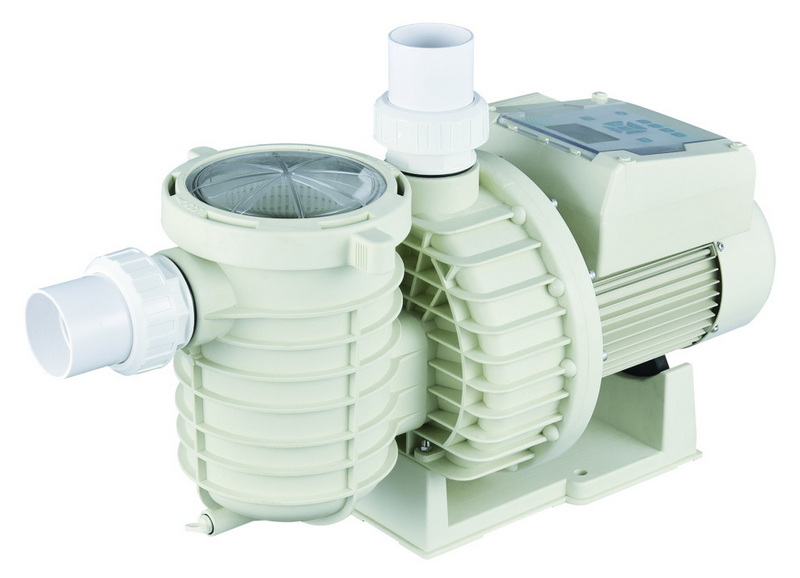
Most homeowners spend around 1,300 USD to replace a pool pump, including the new pump and professional installation. Depending on pump type, pool size, and local labor rates, the total can range from roughly 160 USD to 6,000 USD in extreme cases.[5][3]
Yes, replacing only the motor usually costs less, often between about 65 and 650 USD including parts and labor. However, if the pump housing is cracked, very old, or frequently failing, a complete pump replacement is often more economical in the long run.[12][1][4]
Variable‑speed pumps typically cost more upfront, with unit prices often around 800–1,500 USD and installed totals reaching 1,200–2,000+ USD. Many pool owners recover this extra cost within a few seasons through significantly lower electricity bills.[11][3][2][8]
A skilled DIYer can install a new pump and pay mainly for the pump itself and low‑cost plumbing materials. But improper installation can cause leaks, electrical hazards, and voided warranties, so many experts still recommend professional installation for most pool owners.[9][6][3]
Many residential pool pumps last around 7–12 years, depending on usage, maintenance, and water chemistry. Once a pump needs frequent repairs, becomes very noisy, or fails to maintain proper circulation, replacement is usually more cost‑effective than continued patch repairs.[12][1][4]
Yes, modern dual‑speed and variable‑speed pumps can cut energy use by 50–90% compared with older single‑speed models. For pools that run many hours per day, these savings can translate into hundreds of dollars per year, quickly offsetting the higher initial replacement cost.[11][8]
[1](https://homeguide.com/costs/pool-pump-cost)
[2](https://www.waterlinecontrols.com/how-much-is-a-pool-pump/)
[3](https://www.homeadvisor.com/cost/swimming-pools-hot-tubs-and-saunas/install-replace-pool-pump/)
[4](https://aquapoolsupply.com/blogs/news/how-much-does-it-cost-to-replace-your-pool-pump)
[5](https://www.angi.com/articles/pool-pump-cost.htm)
[6](https://www.homewyse.com/services/cost_to_replace_pool_pump.html)
[7](https://www.brianspoolcare.com/pool-pump-replacement-costs-2025/)
[8](https://blogs.aiper.com/us/pool-pump-costs-analysis-2025/)
[9](https://www.waterlinecontrols.com/how-much-does-it-cost-to-replace-a-pool-pump/)
[10](https://www.reddit.com/r/pools/comments/169w3f9/2500_pool_pump_replacement_with_labor_a_fair_price/)
[11](https://www.jandy.com/en/products/pool-pumps)
[12](https://www.yelp.com/costs/pool_pump_repair)
[13](https://www.facebook.com/groups/AskBoca/posts/1025650331637868/)
[14](https://aquapoolsupply.com/collections/variable-speed-pool-pumps)
[15](https://www.reddit.com/r/pools/comments/1igxjr2/might_be_time_to_replace_pump_how_do_i_pick_a_new/)
[16](https://www.eztestpools.com/variable-speed-pumps/)
[17](https://www.homedepot.com/b/Outdoors-Pool-Supplies-Pool-Equipment-Pool-Pumps/Variable-Speed/N-5yc1vZcfybZ1z1a60w)
[18](https://www.thumbtack.com/p/swimming-pool-repair-cost)
[19](https://lesliespool.com/variable-speed-pumps/)
[20](https://gilbertpoolservice.org/pool-pump-cost-2024/)


