
Views: 222 Author: Tina Publish Time: 2026-01-10 Origin: Site


Content Menu
● Typical Pool Pump Price Ranges
● Pump Type vs Cost and Efficiency
>> Pool Pump Types and Cost Overview
● Installation and Replacement Costs
● Key Factors That Change Pump Price
● Upfront Cost vs Lifetime Cost
● How to Choose the Right Pump Budget
>> 1. Why are variable‑speed pool pumps more expensive?
>> 2. Is it cheaper to install a pump myself?
>> 3. How long does a pool pump usually last?
>> 4. Do I need a bigger pump for a saltwater pool?
>> 5. Are there rebates or incentives for high‑efficiency pumps?
>> 6. What size pump do I really need?
A typical residential pool pump costs between 200 and 1,200 USD for the pump only, and about 300 to 1,600 USD including professional installation, depending on pump type, size, and local labor rates. Single‑speed pumps sit at the lower end of that range, while high‑efficiency variable‑speed models with smart controls can reach 2,000 USD or more before installation.[1][2][3]
Homeowners and pool professionals now have more pump choices than ever, from basic single‑speed units to smart, variable‑speed systems that integrate with automation, heaters, salt systems, and LED lighting. Understanding upfront cost, lifetime operating cost, and installation factors helps you decide which pump delivers the best long‑term value for your pool or for your OEM projects.[2][1]
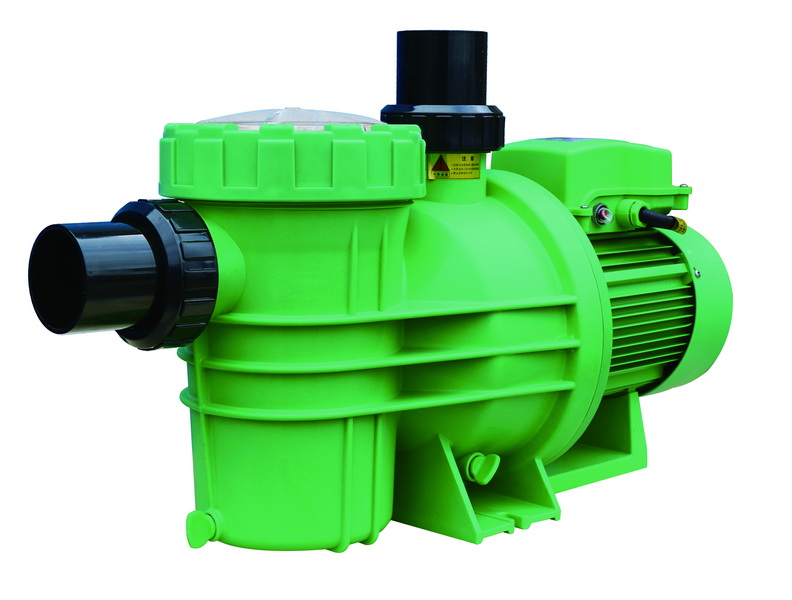
Pool pump pricing covers everything from compact above‑ground units to large in‑ground variable‑speed systems designed for complex pools with spas and water features.[4][1]
- Basic above‑ground pumps: roughly 150–500 USD depending on horsepower and brand.[5][4]
- Standard in‑ground single‑speed pumps: typically 250–600 USD for most residential models.[1][4]
- Dual‑speed pumps: generally around 300–1,600 USD, with many common models in the 500–800 USD range.[4][1]
- Variable‑speed pumps: usually 800–2,500 USD, with many mainstream models around 800–2,000 USD before installation.[2][1]
These ranges reflect pump price only; installation, controllers, and any required plumbing or electrical work are additional costs.[3][1]
Different pump types balance upfront price, energy use, noise, and control options. For OEM brands and distributors, stocking the right mix lets you cover entry‑level and premium segments effectively.[1][2]
| Pump type | Typical unit cost (USD) | Energy use & efficiency | Ideal buyer segment |
|---|---|---|---|
| Single‑speed | 250–600 | Highest energy use; runs at one fixed speed.blogs.aiper+1 | Budget‑focused owners, simple pools. |
| Dual‑speed | 300–1,600 | Lower energy use than single‑speed due to low‑speed mode.blogs.aiper+1 | Owners wanting basic savings without full automation. |
| Variable‑speed | 800–2,500 | Very high efficiency; can cut energy use by 50–80%.blogs.aiper+1 | Long‑term owners, larger pools, energy‑conscious buyers. |
| Low‑head pumps | 150–650 | Designed for water features and low resistance systems.blogs.aiper | Features, fountains, shallow pools. |
| Medium‑head | 300–800 | Standard residential circulation duty.blogs.aiper | Typical in‑ground pools. |
| High‑head | 800–1,300 | Handles spas, elevated features, and long pipe runs.blogs.aiper | Complex pools and commercial setups. |
Variable‑speed pumps use permanent magnet motors and programmable speeds, so they deliver strong circulation at much lower power draw than traditional induction motors. For many owners, this efficiency means the pump can pay for itself in electricity savings within a few seasons.[6][2]
When budgeting for a new pump, you must include both the hardware and the cost to remove the old unit and install the new one. Labor and any electrical or plumbing changes can significantly change the total price.[7][8][3]
- Pump only: around 200–1,200 USD for most residential models, with premium systems higher.[3][1]
- Professional installation labor: typically 100–400 USD depending on region and complexity.[8][3]
- Typical total replacement (pump + labor): about 300–1,600 USD in many markets.[3]
If you replace an old pump with the same size and similar model, installation is usually simpler and stays toward the lower end of the labor range. Switching to a different horsepower, different voltage, or a more complex variable‑speed model can require electrical changes and new plumbing, which pushes labor costs higher.[8][1][3]
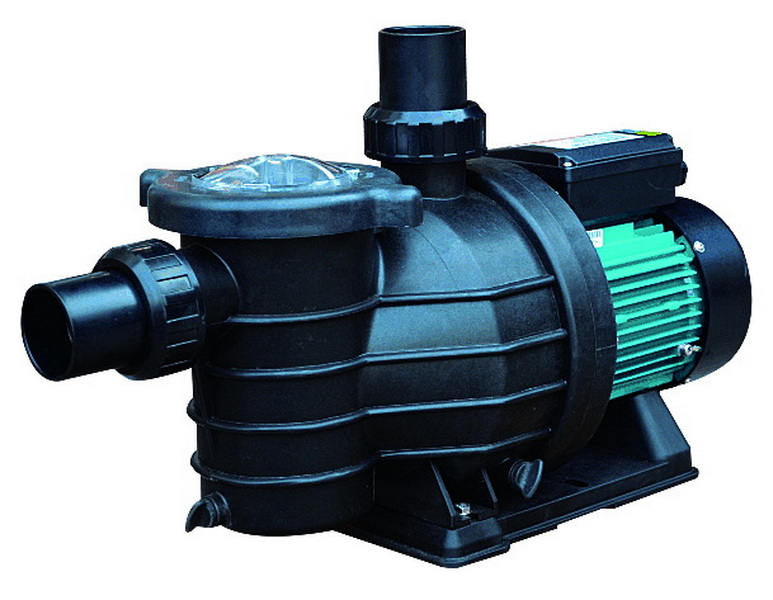
The wide price range many homeowners see online is driven by more than just brand or horsepower. Several hidden factors strongly affect what a buyer actually pays at checkout or on an installation invoice.[1][3]
- Pool size and hydraulic design
- Larger pools and long plumbing runs need larger pumps with higher flow and head, which cost more per unit and consume more energy.[1]
- Pools with attached spas, waterfalls, or multiple skimmers may need high‑head or multi‑pump setups.[1]
- Motor technology and controls
- Entry‑level induction motors with simple on/off control are the cheapest but least efficient.[2][4]
- Permanent magnet variable‑speed motors with digital controls, timers, and smart home integration raise unit cost but can dramatically reduce monthly bills.[9][2]
- Brand, warranty, and build quality
- Premium brands and OEM‑quality pumps often command higher prices due to better materials, quieter operation, and longer warranties.[1]
- For OEM buyers and wholesalers, bulk orders from a reliable factory can significantly reduce per‑unit cost while keeping quality and after‑sales support consistent.
- Local labor and permit rules
- Labor rates vary widely; some markets see full pump replacement quotes above 1,000 USD mainly due to higher hourly rates and overhead.[8][1]
- In certain regions, code requirements for bonding, wiring, and efficiency standards can also affect both pump selection and installation cost.[6][2]
Embedding clear diagrams and labeled photos of different pool layouts and pump positions will help readers visualize why some installations are more expensive than others.
Many pool owners look at the price tag but overlook electricity consumption over the life of the pump. For energy‑intensive equipment like pool circulation, operating cost quickly becomes more important than the purchase price.[9][6][2]
- Single‑speed pumps
- Lowest upfront price but often the highest lifetime electricity cost because they always run at full speed.[6][2]
- In many regions, regulations now favor or require higher‑efficiency pumps when replacing old units.[2][6]
- Variable‑speed pumps
- Higher purchase price but can reduce energy use by 50–80% compared with older single‑speed units.[2][1]
- When combined with optimized run times and properly sized filters, they often pay for themselves through lower electric bills within a few pool seasons.[9][2]
Choosing the right budget for a new pump is easier if you follow a simple framework instead of focusing only on the cheapest price.[3][1]
- Define your pool and equipment
- Note pool volume, plumbing length, filter type (sand, cartridge, DE), and any extras like heaters or salt systems.[1]
- This data helps determine minimum required flow and head so you do not undersize or oversize the pump.
- Decide how long you plan to stay in the home
- Short‑term owners may prioritize lower upfront cost and simple replacement.[1]
- Long‑term owners usually benefit from variable‑speed pumps because the efficiency savings accumulate over many years.[6][2]
- Balance price and performance
- For many residential pools, mid‑range variable‑speed pumps offer the best balance of price, energy savings, and quiet operation.[2][1]
- OEM buyers can offer good/better/best options—basic single‑speed, dual‑speed, and advanced variable‑speed—to match different budgets.
Include table‑style images or infographics comparing total 5‑year cost of different pump types at typical electricity rates; this visual approach converts well for both B2B and B2C readers.
For most residential pools, a new pump typically costs 200–1,200 USD for the unit and about 300–1,600 USD installed, with higher‑end variable‑speed systems reaching above 2,000 USD depending on features and brand. While single‑speed pumps remain the cheapest to buy, variable‑speed pumps provide significant long‑term savings by cutting energy use by up to 50–80%, making them the smarter choice for many homeowners and professional projects. When comparing quotes, always look at the complete picture: pump type, hydraulic sizing, warranty, energy consumption, and installation complexity, not just the initial price tag.[3][2][1]
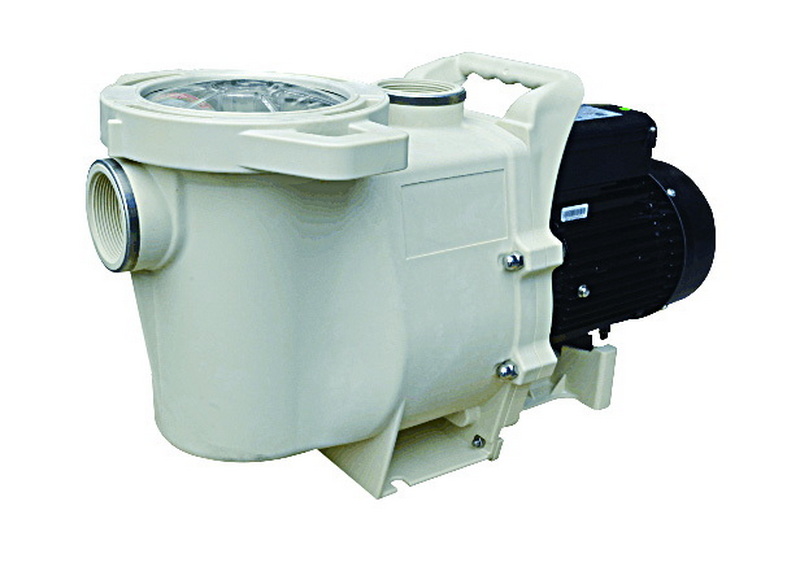
Variable‑speed pumps use high‑efficiency permanent magnet motors and advanced electronic controls that allow fine speed adjustment and built‑in timers. These components cost more to manufacture than simple single‑speed motors, but the design drastically reduces energy consumption and operating noise, which can save hundreds of dollars per year on electricity.[9][6][2]
DIY installation can save the 100–400 USD that professionals typically charge for labor, but it is only advisable if you are comfortable with plumbing and electrical work and local codes allow it. Incorrect wiring, poor bonding, or misaligned plumbing can damage the pump, void warranties, or create safety hazards, so many owners still prefer professional installation for peace of mind.[7][5][3]
Many residential pool pumps last around 7–12 years, depending on run time, water chemistry, and maintenance standards. Motors or seals may need service earlier, but with correct sizing, clean filtration, and proper priming, the overall pump assembly can deliver reliable performance for a decade or more.[2][1]
A salt system usually does not require a larger pump, but it does need enough flow for the salt chlorinator cell to work within its designed range. In many cases, a properly programmed variable‑speed pump running at lower RPM for longer hours provides perfect flow for salt systems while still reducing power use.[6][9][2][1]
In some regions, utilities and energy‑efficiency programs offer rebates for upgrading from single‑speed pumps to ENERGY STAR or equivalent variable‑speed models. These incentives can significantly reduce the effective purchase price and shorten the payback period, so it is worth checking local programs before buying.[9][2]
The right size pump is determined by pool volume, desired turnover time, filter type, and plumbing resistance, not just horsepower. Oversized pumps may clear water but waste energy and increase wear on filters and heaters, while correctly sized or slightly smaller variable‑speed pumps often deliver better, more efficient circulation.[2][1]
[1](https://blogs.aiper.com/us/pool-pump-costs-analysis-2025/)
[2](https://www.cleanenergyconnection.org/article/variable-speed-pool-pumps-really-do-save-you-money-heres-how)
[3](https://homeguide.com/costs/pool-pump-cost)
[4](https://poolpartstogo.com/blogs/pool-equipment/how-much-should-it-cost-to-get-a-pool-pump)
[5](https://gilbertpoolservice.org/pool-pump-cost-2024/)
[6](https://www.swimmingpool.com/blog/comparing-variable-speed-pool-pumps-vs-single-speed/)
[7](https://www.homewyse.com/services/cost_to_replace_pool_pump.html)
[8](https://www.angi.com/articles/pool-pump-cost.htm)
[9](https://www.pentair.com/en-us/pool-spa/education-support/homeowner-support/calculators/pool-pump-savings-calculator.html)
[10](https://www.homedepot.com/b/Outdoors-Pool-Supplies-Pool-Equipment-Pool-Pumps/In-Ground/N-5yc1vZcfybZ1z1a5q2)
[11](https://xtremepowerusa.com/collections/pool-pumps)
[12](https://dte.efficientchoice.com/pool-pumps/)
[13](https://www.waterlinecontrols.com/how-much-does-it-cost-to-replace-a-pool-pump/)
[14](https://clearcomfort.com/variable-speed-pump-vs-single-speed-a-comparison/)
[15](https://www.reddit.com/r/pools/comments/169w3f9/2500_pool_pump_replacement_with_labor_a_fair_price/)
[16](https://fibropool.com/collections/10000-gallon-pool-pumps)
[17](https://www.reddit.com/r/pools/comments/1cmuwx7/are_variable_speed_pumps_worth_the_extra_cost_if/)
[18](https://www.youtube.com/watch?v=l29VxMP9QgM)
[19](https://electricityplans.com/variable-speed-pool-pump-vs-standard-pool-pump/)
[20](https://www.facebook.com/groups/plantationnation/posts/8657243537623335/)


