
Views: 222 Author: Tina Publish Time: 2025-12-09 Origin: Site


Content Menu
● What does pool filter sand do?
● Typical sand requirements by filter size
>> Approximate sand needed by tank diameter
● How to find the exact sand weight for your filter
● Step‑by‑step: measuring and filling sand
● OEM and wholesale considerations
● FAQs about how many pounds of sand for pool filter
>> 1. How many pounds of sand does a 16‑inch pool filter need?
>> 2. How many pounds of sand does a 24‑inch pool filter need?
>> 3. Can I just fill the tank completely with sand?
>> 4. How many bags of sand do I need for my filter?
>> 5. What happens if I use the wrong type of sand?
>> 6. Does filter size affect how often I change the sand?
The amount of sand your pool filter needs depends on the tank diameter and the exact filter model, but most residential sand filters use roughly 100–350 pounds of #20 silica sand. A typical 16‑inch filter uses about 100 lbs, an 18‑inch about 150 lbs, a 20‑inch about 200 lbs, a 24‑inch about 300 lbs, and a 27‑inch about 350 lbs.[1][2][3][4]
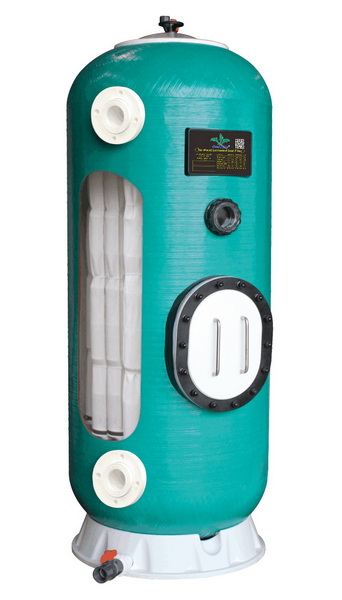
Pool filter sand is a specially graded #20 silica sand that traps dirt, oils, and debris as pool water flows through the filter tank. The sharp‑edged, uniform grains create tiny channels that capture particles while allowing clean water to return to the pool. Using the correct type and quantity of sand ensures efficient filtration, stable pressure, and clear water.[5]
Putting in too little sand can cause channeling and poor filtration, while overfilling can increase pressure and stress internal parts. The right sand level helps maintain an optimal flow rate, reasonable backwash frequency, and long media life. For OEM projects and professional installations, consistent sand loading also makes performance more predictable and easier to certify.[6][5]
Manufacturers specify exact sand weights for each filter model, but there are reliable diameter‑based guidelines that match many popular filters on the market.[3][4][1]
| Filter Tank Diameter (inches) | Approx. Pounds of Sand | Typical Use / Notes |
|---|---|---|
| 14" | 70–80 lbs poolresearch | Small above‑ground pools and combo systems. |
| 16" | 100 lbs dgpoolsupplyandservice+3 | Entry‑level above‑ground pools and compact systems. |
| 18" | 150 lbs dgpoolsupplyandservice+3 | Medium above‑ground pools. |
| 19" | 150–175 lbs poolsuppliescanada+2 | Slightly larger residential pools. |
| 20" | 200 lbs dgpoolsupplyandservice+3 | Common for medium pools up to roughly 20,000 gallons depending on design. |
| 21"–22" | 200–250 lbs poolsuppliescanada+3 | Higher‑flow above‑ground or small in‑ground pools. |
| 23" | 250 lbs poolsuppliescanada+3 | Medium–large residential pools. |
| 24" | 300 lbs dgpoolsupplyandservice+3 | Standard in‑ground residential size and robust above‑ground setups. |
| 25"–26" | 300–350 lbs poolsuppliescanada+3 | Large residential or light commercial use. |
| 27" | 350 lbs dgpoolsupplyandservice+2 | Larger pools with higher bather load. |
| 30"+ | 350–600+ lbs (model‑dependent) poolsuppliescanada+3 | Big in‑ground pools and commercial installations. |
These values are averages from multiple charts and may vary by brand and internal design, so they must always be checked against the filter label or manual.[8][4][12][1]
If the manual is missing, there are several ways to determine how many pounds of sand to add to a specific filter.
- Check the filter label or data plate, which often lists “sand required” in pounds or kilograms.[12]
- Search the model number on the manufacturer's website or a reputable pool supplier's chart.[1][8][3][12]
- Use online sand filter calculators that estimate sand weight by tank diameter if model data cannot be found.[10][13][3]
For OEM and private‑label projects, technical data sheets will normally specify recommended media type, loading height, and weight range so that branding partners can publish accurate installation guides.[7]
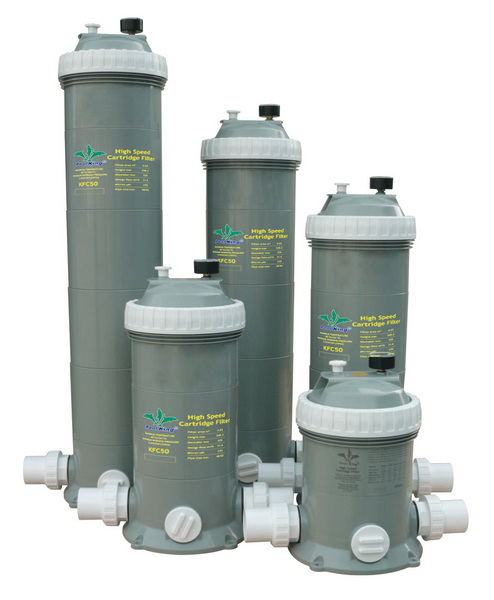
Correct filling is just as important as knowing the number of pounds.[6][5]
1. Turn off and isolate the system
Shut off the pump, close valves, and ensure no water pressure is in the tank before opening it.[14][5]
2. Protect the standpipe and laterals
Cover the central standpipe opening with a plastic cup or tape to prevent sand from falling inside and damaging the valve or pump.[5]
3. Add water before sand (recommended)
Partially fill the tank with water to cushion the laterals so falling sand does not crack or bend them.[14][5]
4. Pour the correct weight of #20 silica sand
Use the specified pounds of pool filter sand, usually packed in 50‑lb bags, and stop when reaching the manufacturer's sand level mark (around two‑thirds of the tank height in many designs).[7][12][5]
5. Reassemble and backwash
Close the tank, set the multiport to “Backwash,” and run the pump until the sight glass or discharge runs clear, then rinse and switch to “Filter.”[12][5]
The “how many pounds of sand” question always assumes the use of certified pool filter sand unless stated otherwise.[5]
- Only use #20 silica sand with grain size around 0.45–0.55 mm that is explicitly labeled for pool filters.[5]
- Avoid play sand, masonry sand, or construction sand because they can cause clogging, poor filtration, or damage.[5]
- Alternative media like glass or polymer balls often require different fill weights than sand, sometimes using fewer pounds for the same filter volume, so follow the media manufacturer's conversion chart.[1][3]
For OEM projects using glass or mixed‑media designs, separate specifications are usually issued so installers do not rely on standard sand charts.[1][7]
For brands, wholesalers, and producers working with a specialized sand filter factory, clear communication of sand capacity is an important part of product development and documentation.[12][7]
- Each tank mold is typically matched with a defined sand range, test‑verified for flow, pressure, and backwash performance.[11][5]
- Private‑label partners often request customized data labels showing filter size, maximum working pressure, recommended sand weight, and compatible media types.[7][12]
- Bundling filters with pumps, LED lights, and accessories into one OEM system allows consistent hydraulic design and easier installation guides for distributors.[16]
By cooperating with an experienced manufacturer that uses intelligent production lines, overseas partners can obtain stable quality, flexible branding, and complete after‑sales documentation in multiple languages.
The exact number of pounds of sand for a pool filter depends on the tank diameter and model, but most residential units fall in the 100–350 lb range, from about 100 lbs for a 16‑inch filter up to around 300–350 lbs for 24–27‑inch tanks. Always confirm the required sand weight on the filter label or in the manual, use only #20 silica pool filter sand, and follow proper filling and backwashing procedures to keep water clear and equipment protected. For brands, wholesalers, and manufacturers, working with a professional OEM factory that provides clear sand capacity charts and integrated filter‑pump‑light solutions ensures reliable performance and easier marketing worldwide.[2][4][16][3][11][12][1][7][5]
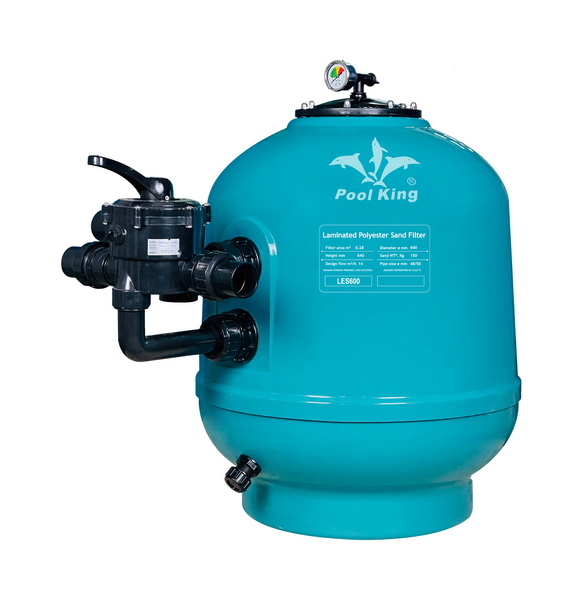
A typical 16‑inch sand filter needs about 100 pounds of #20 silica sand, often supplied as two 50‑lb bags.[2][4][3][7]
Most 24‑inch sand filters use approximately 300 pounds of sand, though some specific models may vary slightly, so the manufacturer's chart should always be checked.[8][4][2][3]
No; sand filters are designed for the sand bed to occupy roughly the lower two‑thirds of the tank, leaving space above for water circulation and backwashing. Overfilling can increase pressure and reduce filtration efficiency.[12][5]
Most pool filter sand comes in 50‑lb bags, so, for example, 100 lbs equals 2 bags, 150 lbs equals 3 bags, 200 lbs equals 4 bags, 250 lbs equals 5 bags, and 300 lbs equals 6 bags. Some charts also list bag counts directly to simplify ordering.[4][3][1][7]
Using play sand, masonry sand, or ungraded construction sand can cause cloudy water, clogged laterals, and even damage to the valve or pump. Only properly graded pool filter sand or an approved alternative media should be used, following the specified weight.[3][1][5]
Larger filters hold more sand and generally run at lower pressure for a given pool, so they may keep good performance longer, but most guides still recommend changing silica sand about every 3–5 years depending on use and maintenance. High bather load, heavy debris, or infrequent backwashing can shorten this interval.[5]
[1](https://www.poolsuppliescanada.ca/how-much-sand-does-my-pool-filter-need.html)
[2](https://dgpoolsupplyandservice.com/blog/how-much-sand-to-put-in-the-filter/)
[3](https://poolresearch.com/sand-filter-calculator/)
[4](https://www.angi.com/articles/calculate-pool-filter-sand-needed.htm)
[5](https://intheswim.com/blog/pool-filter-sand.html)
[6](https://www.hilltoppools.com/how-much-sand-for-pool-filter)
[7](https://www.poolkingfilter.com/how-many-bags-of-pool-filter-sand.html)
[8](https://www.thepoolfactory.com/blogs/equipment/how-much-sand-to-use-with-your-sand-filter-system)
[9](https://hilltoppools.com/how-much-sand-for-pool-filter)
[10](https://constructioncalculators.com/pool-sand-calculator/)
[11](https://intheswim.com/blog/how-to-size-a-pool-filter.html)
[12](https://intheswim.com/blog/how-much-sand-do-i-need-for-a-sand-filter.html)
[13](https://ultimatecalculators.com/calculator/pool-sand-calculator/)
[14](https://www.youtube.com/watch?v=ZNH9JLufzUM)
[15](https://www.youtube.com/watch?v=B8_c7M_iTwc)
[16](https://lesliespool.com/blog/how-to-choose-the-right-pump-and-filter-size-for-an-above-ground-pool.html)
[17](https://www.reddit.com/r/pools/comments/1d6iidx/filter_sand_replacement_how_much_do_i_need/)
[18](https://www.anomalypoolservices.io/post/pool-sand-filter-size-chart)
[19](https://www.inyopools.com/HowToPage/how-to-select-above-ground-pool-filters.aspx?CommentPage=1)
[20](https://lesliespool.com/blog/pool-filter-sizing.html)


