
Views: 222 Author: Tina Publish Time: 2025-11-09 Origin: Site


Content Menu
● Why Pool Pump Run Time Matters
● Understanding Pool Turnover and Filtration Systems
● Step-by-Step Guide: Pool Pump Installation and Priming
● How Many Hours Should I Run My Pool Pump—Key Factors
>> Pool Size
● Advanced Tips: Optimizing Pool Pump Operation
>> Matching Pump & Filter Specifications
>> Setting Timers and Automation
● How Do Sand Filter Pumps Work?
● Common Pool Pump Problems & Troubleshooting
● Seasonal Adjustments and Energy Demand
● OEM and Commercial Applications
● How to Calculate Pool Pump Run Time
>> 1. How do I calculate my pool's ideal pump runtime?
>> 2. Should I run my pump at night or during the day?
>> 3. How often should I backwash my sand filter?
>> 4. Why is variable speed better than single speed?
>> 5. What are signs my pump needs service?
>> 6. How do I keep the pump safe from weather and tampering?
Maintaining proper pool pump operation is critical for water clarity, efficient chemical distribution, and the longevity of your pool equipment. Most pools require about 8 hours of pump run time daily, but various factors like pool size, climate, usage, pump type, and filter design require careful consideration for optimal results.[1][10][11][12]
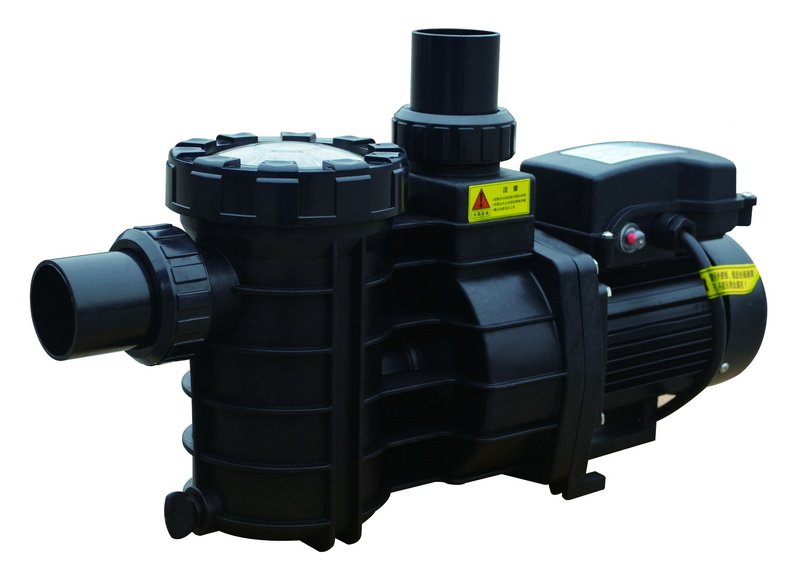
Effective pump operation ensures the filtration system processes all the water at least once per day (called “turnover”), removing contaminants and circulating chemicals evenly. Inadequate run time can cause cloudy water, algae outbreaks, and increase maintenance costs. Excessive run time results in wasted energy and pump wear.[10][11][13]
“Turnover rate” refers to the volume of water the pump circulates through the filter per day. Matching run time to pool size, filter capacity, and pump flow rate is essential. For example, a 40,000-liter pool with a 200-liter-per-minute pump requires roughly 3.3 hours for one complete turnover, but most professionals recommend two turnovers daily during peak season.[12][14][1]
Pool filtration systems generally fall into three categories:
- Sand Filter Pumps
- Diatomaceous Earth (DE) Filter Pumps
- Cartridge Filter Pumps
Each type offers distinct advantages and maintenance processes. Modern sand filters are easy to maintain and offer reliable performance for residential and commercial pools, while DE and cartridge filters can trap finer particles and enable extended maintenance intervals.[8]
Proper installation and priming are foundational for efficient pool pump performance.
1. Preparation: Gather wrenches, screwdrivers, sealant, suitable pipes, connectors, and the recommended type of pump/filter sand for sand filters. Carefully check filter elements for integrity before installation.[4][6][7][8]
2. Connecting the System: Match the pump's flow rate to the filter's rated capacity. Connect suction and return lines securely, ensuring all valves are “OPEN” before operation.
3. Priming the Pump:
- Fill the pump strainer basket with water using a hose or bucket.
- Seal the pump lid tightly to avoid introducing air into the system.
- Open the air relief valve on the filter.
- Start the pump and close the air valve when water begins to exit.[2][7][4]
4. Backwashing and Initial Testing (sand filter): After installation, backwash the filter for 3–5 minutes, then rinse for one minute to clear debris and activate proper filtration.[8]
- Small pools (less than 30,000L): 4–6 hours/day; increase in summer or with heavy use.[11]
- Medium pools (30,000–50,000L): 6–8 hours/day; split into two sessions if possible.
- Large pools (50,000L+): 8–12 hours/day during peak use or high temperatures.[11][12]
Summer heat accelerates algae growth and increases water evaporation, requiring longer pump run times—sometimes up to 16 hours/day for heavily used or commercial pools. In autumn and winter, you can reduce run time while still monitoring clarity and chemical balance.[12][11]
Frequent pool usage, large gatherings, or storms introduce more debris and contaminants, so increase run times after parties or rain. Choose run schedules that match local utility off-peak hours for energy savings.[13][10]
Modern variable speed pumps and automation systems allow highly efficient and customizable run times, replacing the traditional single-speed approach. These advanced systems can be programmed to run slower for longer periods, dramatically reducing electrical consumption and noise.[3][21]
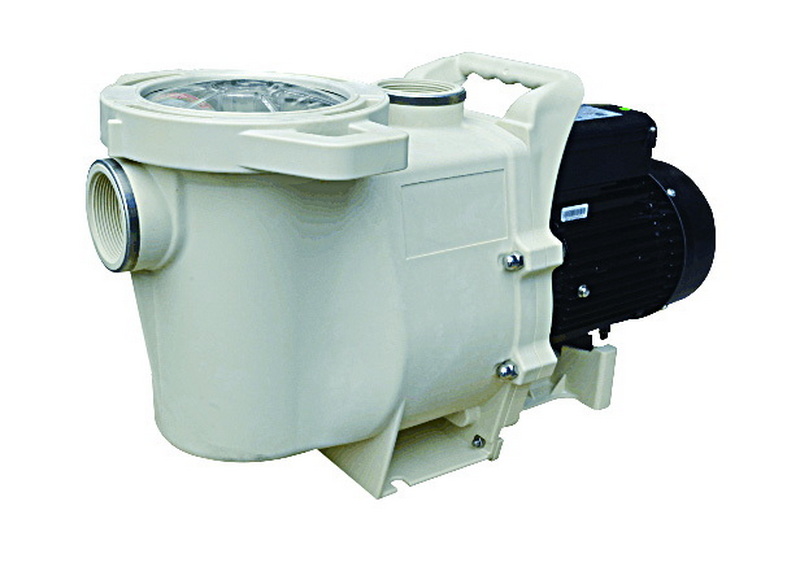
- Always consult manufacturer specifications for both pump and filter to ensure compatible flow rates. Mismatched equipment leads to poor filtration or premature system failure.[6][8]
- Periodic inspections and professional servicing further protect your investment.
- Clean the pump basket, skimmer baskets, and filters per the manufacturer's recommendations.
- Backwash sand filters when the pressure gauge rises 8–10 PSI above the baseline or when flow decreases.[8]
- Inspect for leaks, abnormal noises, and loose fittings—these can reduce system efficiency and increase energy costs.[7][5][6]
- Use timers to split pump operation between morning and evening, maximizing filtration during periods of higher contaminant introduction.
- Integrate smart controls for real-time runtime adjustment based on pool temperature, bather load, and chemical dosing needs.[2][3]
- Install your pool pump in a secure, weather-resistant enclosure to prevent tampering and protect electrical components.[9]
- Always turn off the pump before servicing or making adjustments.
Sand filter pumps pass pool water through a tank filled with specially graded sand that traps debris, particles, and contaminants. Periodically, the system is “backwashed”: water is reversed through the filter to clean out accumulated debris.
Key points for sand filter pump efficiency:
- Use only manufacturer-recommended filter sand.
- Regular backwashing is essential; frequency depends on pool usage and weather conditions.
- Monitor the filter pressure gauge and backwash when the pressure increases by 8–10 PSI.[8]
- Pump won't prime: Check water level in the pump basket, ensure all valves are open and hosting no leaks.
- Air in system: Loose lids or plumbing connections can introduce air, reducing suction and circulation.
- Low flow: Obstructed pump basket, clogged filters, or scale buildup in pipes.
- Noisy operation: Indicates worn motor bearings, debris in the impeller, loose connections, or installation inside an unprotected enclosure.[5][6][7]
Summer months may require twice-daily turnovers, especially for outdoor pools exposed to direct sunlight and heavy bather loads. Winterizing is crucial in colder climates; drain the pump and filter, disconnect hoses, and store equipment to prevent freezing damage.[8]
Variable speed pumps dramatically reduce energy demand by allowing lower-speed operation for routine filtration, then ramping up as necessary during peak use or after chemical treatments. Smart automation further optimizes runtimes and electricity usage.[3]
Large installations—hotels, resorts, health clubs—use centralized monitoring and scheduling systems to control multiple pumps across several pools. Smart controls allow for instant adjustments based on bather load, water temperature, and site requirements. As an OEM supplier, providing intelligent filtration with remote monitoring appeals to professional clients and overseas brands.[3]
1. Determine pool volume (gallons or liters).
2. Find pump flow rate (GPM or LPM).
3. Calculate one turnover: $$ \text{Run Time (hr)} = \frac{\text{Pool Volume}}{\text{Pump Flow Rate} \times 60} $$
4. Plan for more than one turnover in peak summer or heavy use.
5. Monitor water clarity and chemical balance to fine-tune runtime as needed.[14][10][12]
Choosing the right pool pump run time protects water quality, maximizes filtration, and minimizes energy usage. For most pools, a schedule of 8 hours daily split between morning and evening is ideal, but always adjust for pool size, filter type, season, and local weather. Embrace smart automation, variable-speed technology, and regular maintenance to keep your pool sparkling while saving on costs. Commercial operators and OEM partners benefit most from advanced monitoring, custom scheduling, and responsive service.
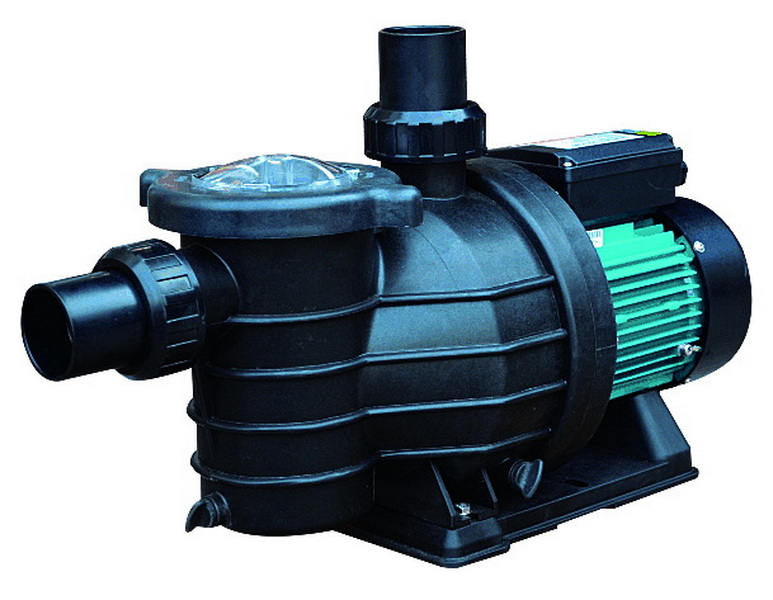
Calculate pool volume divided by pump flow rate. Then multiply for desired turnovers. Adjust for season and clarity.[12]
Running at night can save on electricity if your utility company offers off-peak rates. Daytime operation helps maximize chemical distribution after pool use.[10]
Backwash when the pressure gauge reads 8–10 PSI above normal or after heavy use or algae treatment.[8]
Variable speed pumps allow you to adjust flow, cut energy costs, reduce noise, and fine-tune runtime for changing needs.[3]
Low flow, strange noises, poor water clarity, or leaks in connections mean it's time for inspection or repair.[7][5][6]
Install in a weatherproof, lockable enclosure and check electrical safety features regularly.[9]
[1](https://poolicons.com/pool-maintenance/complete-beginners-guide-to-pool-pump-operation/)
[2](https://leisurepools.com.au/wp-content/uploads/2020/10/Equipment-Accessory_INSNRG_Variable_Speed_Pump_OwnersManual.pdf)
[3](https://www.swimuniversity.com/variable-speed-pool-pumps/)
[4](https://www.insnrg.com/wp-content/uploads/2024/08/IO-MANUAL-Si-Single-Speed-Pump.pdf)
[5](https://www.youtube.com/watch?v=Ayk3co2KetE)
[6](https://www.maygopool.com/n1904439/Complete-guide-to-swimming-pool-pump-installation-learn-it-in-one-go.htm)
[7](https://www.astralpool.com.au/pool-and-spa-guides/installing-equipment)
[8](https://www.streampumps.com/pump-introductions/how-does-a-sand-filter-pump-work.html)
[9](https://complianceandconsulting.com.au/pool-pump-safety-compliance-a-comprehensive-guide/)
[10](https://www.swimmingpool.com/maintenance/pump&filter/how-long-to-run-pool-pump/)
[11](https://www.poolassist.com.au/blogs/expert-pool-advice/how-many-hours-to-run-pool-pump-in-autumn)
[12](https://www.youtube.com/watch?v=u4ExnupI26o)
[13](https://professionalaquaticservices.com/run-your-pool-pump-each-day/)
[14](https://www.doheny.com/help/calculate-pool-pump-run-time)
[15](https://www.istockphoto.com/photos/pool-pump)
[16](https://www.shutterstock.com/search/swimming-pool-pumps?image_type=vector)
[17](https://stock.adobe.com/search?k=swimming+pool+pump)
[18](https://www.vecteezy.com/free-vector/pool-pump)
[19](https://natural-resources.canada.ca/energy-efficiency/energy-star/pool-pumps-infographic)
[20](https://www.youtube.com/watch?v=KotGPEwx-LQ)
[21](https://www.youtube.com/watch?v=1y2qZec0G1c)


