
Views: 222 Author: Tina Publish Time: 2026-01-22 Origin: Site


Content Menu
● How Long to Run the Pool Filter
● What “Turnover” Means for Your Pool Pump
● General Daily Runtime Guidelines
● Single-Speed vs Variable-Speed Pool Pumps
● Key Factors That Change Filter Runtime
● How to Calculate Your Pool Pump Run Time
● Best Time of Day to Run the Pool Pump
● Special Situations When You Should Run the Pump Longer
● Energy-Efficient Pump and Filter Practices
● Why Professional-Grade Filters and Pumps Matter
● FAQ – How Long to Run the Pool Filter
>> 1. How many hours a day should I run my pool pump?
>> 2. Can I run my pool pump only at night?
>> 3. Is it safe to run the pool pump 24 hours a day?
>> 4. How do I know if I am running my pool pump long enough?
>> 5. Do variable-speed pool pumps need longer runtime?
How long to run the pool filter depends on your pool size, pool pump performance, climate, and bather load, but most pools need at least one full turnover of the water every day, which usually means 8–12 hours of filtration in the swimming season. Getting this balance right keeps the water clear and safe while controlling energy bills and extending the life of the pool pump and filtration system.
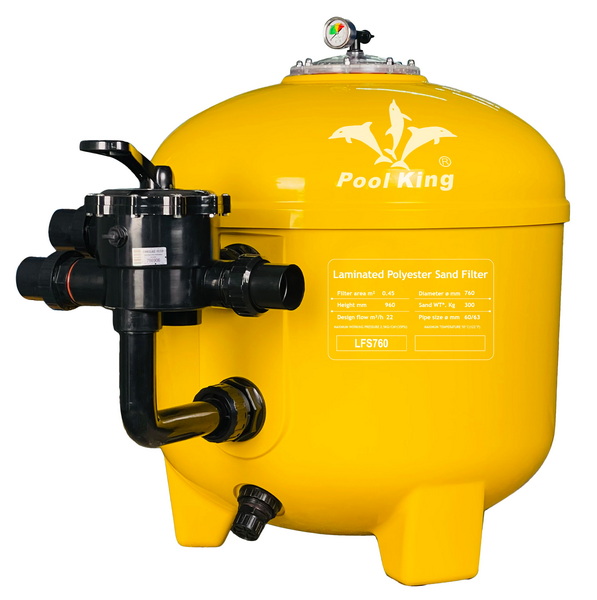
Owning a pool is a balance between crystal-clear water and reasonable operating costs. The pool pump and filter are the heart of this balance, continuously circulating and cleaning water so that chemicals work properly, debris is removed, and algae are kept under control. If the pool pump does not run long enough, water quickly becomes cloudy, difficult to sanitize, and more expensive to fix later.
Instead of guessing a random number of hours, pool owners should aim for at least one complete turnover of the pool volume per day. Turnover means that a volume of water equal to the entire pool has passed through the filter. In many residential pools, that target turnover is achieved with 8–12 hours of daily pool pump runtime, then adjusted up or down according to the climate, usage, and equipment.
A turnover is the time required for the pool pump and filter to move a volume of water equal to the pool's total capacity through the filtration system. When professionals talk about “one turnover per day,” they mean that all the water in the pool has theoretically passed through the filter one time in a 24‑hour period. This metric is the foundation for deciding how long to run the pool pump.
For most backyard pools, at least one turnover per day is the minimum recommendation. In some conditions, such as hot climates, intense sunlight, or high bather loads, aiming for closer to 1.5–2 turnovers per day can greatly improve clarity and help prevent algae. That might translate to longer daily runtime, a more powerful pool pump, or a more efficient filtration setup. The target is always the same: move enough water through the filter to keep the pool clean without wasting energy.
Turnover also helps distribute chemicals. When the pool pump is running, sanitizers like chlorine are spread evenly, preventing “dead spots” where algae can start. If water remains stagnant in corners or on the surface for long periods, even good chemistry can fail to protect those areas, which is why consistent circulation is so important.
Because not every pool owner knows the exact flow rate of the pool pump, industry guidelines provide a useful starting point. For most single‑speed systems, 8–12 hours of operation per day during the active swimming season is enough to achieve at least one full turnover. Many pool owners find that around eight hours is adequate when everything is sized correctly and the pool is not heavily loaded with debris or swimmers.
In very hot regions, where water temperature and sunlight are both high, run times of 10–12 hours or even up to 16–18 hours during extreme heat waves are sometimes needed. Warm water encourages algae growth and increases chlorine demand, so more filtration time helps maintain clarity. For saltwater pools, longer run times may be required to give the salt chlorinator enough circulation to produce and distribute chlorine effectively.
During cooler seasons, you usually can shorten the daily runtime. When water temperatures drop and the pool is covered or used less, four to six hours a day may be enough. As spring and summer approach, and as temperatures rise, you can gradually increase pool pump runtime again to match the higher demand.
The type of pool pump you use has a direct impact on how long you should run the filter. Single‑speed pumps run at one fixed speed and generally move water quickly but consume more power. Variable‑speed pool pumps can run at multiple speeds, allowing you to maintain circulation at lower RPM for longer periods with significantly reduced energy consumption.
For single‑speed pumps, most owners aim for a daily runtime in the 8–12 hour range during the season. Because these pumps draw more power, running them beyond the time needed for turnover can become expensive. The goal is to find the minimum peak‑speed runtime that still keeps the pool water completely clear and stable.
Variable‑speed pool pumps are usually run for longer periods, often 10–14 hours or more per day, but at much lower speeds. A common schedule might use three to four hours at higher speed for vacuuming, cleaning systems, or water features, and the rest of the day at low speed for normal filtration. Lower RPM dramatically reduces power usage, so even with more hours of operation, total energy costs are typically much lower than with a single‑speed motor.
Because variable‑speed pool pumps are so flexible, they can be programmed to maintain the same or better water quality with less power. Many pool professionals recommend running the pump almost all day at very low speed, especially in hot climates, because constant gentle circulation keeps chemistry stable and the water looking fresh, without the high power draw of a single‑speed pump.
There is no “one number” that works for every pool because real‑world conditions vary widely. Several key factors determine how long your pool pump should run:
- Pool size and shape: Larger pools require more total circulation to achieve a full turnover. Deep ends, ledges, and complex shapes can create areas of poor circulation if runtime is too short.
- Climate and temperature: Warm water accelerates algae growth and chemical reactions. The hotter the climate and the longer the sun exposure, the more hours of filtering and circulation the pool usually needs.
- Bather load: Heavy usage introduces oils, sweat, cosmetics, sunscreen, and organic matter. After parties or frequent use, it is wise to extend the pool pump runtime to help the filter remove contaminants.
- Debris and environment: Pools surrounded by trees or located in dusty, windy areas collect more debris. Extra hours of filtration may be needed after storms or on particularly windy days.
- Filtration type and condition: Sand filters, cartridge filters, and DE filters all have different dirt‑holding capacities and efficiencies. A dirty or clogged filter reduces flow, so the pool pump may need more hours or cleaning and backwashing to maintain proper circulation.
By watching the water and tracking how it responds to weather and usage, you can adjust runtime over time. If the pool starts to show early signs of cloudiness or algae at the current schedule, increase daily pool pump operation. If the water stays perfectly clear and balanced at a shorter runtime, you may be able to reduce hours and save energy.
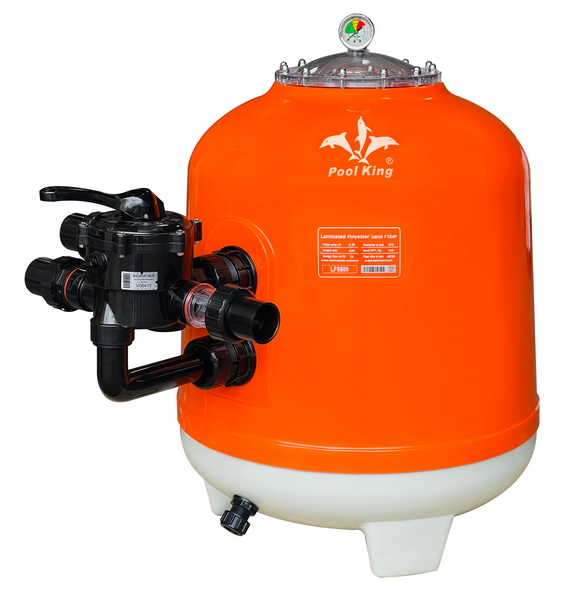
Instead of relying only on rules of thumb, you can calculate a more accurate pool pump runtime using pool volume and flow rate. The basic steps are straightforward and work for both single‑speed and variable‑speed systems.
1. Determine pool volume
Estimate or calculate your pool's volume in gallons or liters. Many websites and calculators provide simple formulas based on length, width, depth, and shape.
2. Find your pool pump flow rate
Check the pump label, manual, or a flow meter if one is installed. Flow is often listed in gallons per minute (GPM) or liters per minute (LPM). Note that actual flow can change with filter condition, pipe size, and head loss, so the labeled value is an approximation.
3. Use a simple formula
Once you know volume and flow, you can estimate hours of runtime needed for one turnover:
- Hours needed = Pool volume ÷ (Flow rate × 60)
For example, if your pool holds 70,000 liters and your pool pump delivers about 210 liters per minute, then:
- 70,000 ÷ 210 = about 333 minutes, or roughly 5.5 to 6 hours for one turnover.
If the same pool uses a smaller pump that moves less water per minute, the time for a turnover increases. In some cases, the pool pump may need to run eight hours or more to reach a full turnover. If you run it less than that, the water is never fully filtered each day, which gradually leads to problems with clarity and chemistry.
When you do not know the flow rate, treat the calculation as guidance rather than a perfect number. Many owners start around 8–10 hours per day and then adjust in small steps, watching the pool's clarity and chemical balance. The calculation is still useful as a rough check to see whether your runtime is in the right range.
Once you know how many hours to run the pool pump, the next question is: when should those hours happen? Timing influences both the effectiveness of your chemicals and the size of your electricity bill.
Many utility companies charge lower rates during off‑peak times, often late at night or early in the morning. Running the pool pump during those periods can significantly reduce operating costs, especially for larger single‑speed pumps. If your utility uses time‑of‑use pricing, scheduling the bulk of your runtime outside peak hours is an easy win.
From a water quality standpoint, there are also benefits to running the pool pump at least part of the day when the sun is shining. Sunlight breaks down chlorine, so circulating the water while the sun is strongest helps maintain even sanitizer distribution and reduces the risk of low‑chlorine areas. A popular strategy is splitting runtime into two or more blocks, such as a few hours in the morning and the rest overnight.
Variable‑speed pool pumps are especially well‑suited for smart scheduling. You can run at low speed almost continuously, slightly increasing speed during periods of high use or when the sun is strongest. This approach blends energy savings and water quality while avoiding large swings in circulation.
There are times when the standard daily runtime is not enough. Certain situations demand extended pool pump operation to protect the water and equipment.
One of the most common scenarios is after shocking the pool or treating algae. During and after these treatments, it is usually best to run the pool pump continuously or nearly 24 hours a day until the water clears. The filter must capture a large volume of dead algae and contaminants, and continuous circulation ensures the sanitizer is well mixed and effective.
Heavy rain and storms are another reason to increase runtime. Rain introduces organic contaminants, dirt, and sometimes fertilizers from nearby surfaces. Combined with wind‑blown debris, this can push the filter close to its limits. Running the pool pump longer after a storm, and cleaning baskets and skimmers, helps restore clarity and avoids overload.
When you open the pool after winter, or restart a system that has been idle, extra hours of filtration for several days are essential. Startup chemicals need thorough mixing, and accumulated debris must be cleared from the water and plumbing. Once the water is clean and stable again, you can gradually cut back to your standard runtime.
Running the pool pump for the right amount of time is only part of the story. Good equipment choices and regular maintenance can dramatically improve efficiency and reduce how long the pump must run to achieve the same level of clarity.
Choosing a properly sized pool pump is crucial. An oversized pump may move water quickly but wastes energy and can stress plumbing and filters. An undersized pump must run much longer or may struggle to achieve a full daily turnover, leaving water under‑circulated. Working with accurate volume calculations and pump performance data helps match pump size to pool needs.
Keeping the filtration system clean is equally important. Clogged skimmer baskets, pump baskets, and dirty filter media reduce flow, forcing the pool pump to work harder. Lower flow also stretches out turnover time, meaning you might run the pump for the same hours but still not circulate enough water. Regular backwashing of sand filters, proper cleaning or replacement of cartridges, and maintenance of DE filters all help keep the system efficient.
Upgrading to a variable‑speed pool pump is one of the most effective steps for better efficiency. Modern variable‑speed models use high‑efficiency motors and precise speed control, often saving 50–80 percent in energy compared with older single‑speed pumps. By running longer at low speeds, they maintain excellent circulation with much less power, giving owners more flexibility to adjust schedules without fear of huge energy bills.
Timers, smart controllers, and pool automation systems can further optimize performance. These tools allow you to program run schedules based on time of day, off‑peak electricity pricing, and even weather conditions. With automation, the pool pump can adapt its runtime and speed automatically, while you focus on enjoying the pool rather than constantly adjusting equipment.
While runtime and scheduling are important, the quality of your filtration equipment heavily influences how long you need to run the pool filter. A well‑designed system that combines an efficient pool pump with a high‑performance filter can achieve excellent clarity with fewer hours of operation.
Professional‑grade sand filters, DE filters, and cartridge filters are engineered to capture very fine particles while maintaining good flow. When paired with a correctly sized pool pump, they move enough water to reach your target turnovers without unnecessary backpressure or wasted energy. High‑quality valves, fittings, and internal components also help reduce head loss, ensuring the pump delivers its rated performance.
As a Chinese factory specializing in top‑grade sand filter tanks and complete filtration solutions, you can highlight how advanced manufacturing and intelligent production lines create reliable, long‑life products. By offering sand filters, DE filters, and cartridge filters optimized for strong flow and fine filtration, your systems help pool owners reach desired water clarity with fewer pump hours. This is a powerful selling point for international OEM partners.
Your product line can also include matched pool pumps, LED lights, and accessories designed to work together as integrated systems. When customers purchase a complete set—pool pump, filter, valves, and accessories—from a single OEM, they get a package engineered for balanced flow and efficient circulation. This integration improves performance, reduces noise and vibration, and simplifies installation for foreign brand owners, wholesalers, and manufacturers.
The ideal daily runtime for a pool filter is based on achieving at least one full turnover of the pool volume, then adjusting upwards or downwards according to climate, water temperature, bather load, and debris. For many pools, 8–12 hours of pool pump operation during the swim season is enough to keep water clear and inviting, while cooler periods may require less. By calculating turnover, choosing a properly sized single‑speed or variable‑speed pool pump, keeping filters and baskets clean, and using smart scheduling, pool owners can maintain crystal‑clear water with optimized energy use. Professional‑grade filters and pumps, especially those produced by specialized manufacturers, make it easier to reach this balance, offering strong circulation, fine filtration, and long‑term reliability with fewer wasted hours and lower operating costs.
Contact us to get more information!
Most residential pools need about 8–12 hours of pool pump operation per day during the main swimming season, as long as the pump and filter are correctly sized for the pool. This runtime usually achieves at least one full turnover of the water, which is the basic requirement for clean and healthy conditions. In very hot climates or in pools that receive heavy use, you may need to extend runtime to 12–16 hours per day.
You can run your pool pump entirely at night if the total number of hours still gives you at least one full turnover each day. Many owners choose this approach to take advantage of lower off‑peak electricity rates. However, it is often beneficial to run the pump partly during the day as well, because sunlight breaks down chlorine and daytime circulation helps maintain an even sanitizer level throughout the pool.
Yes, it is generally safe to run the pool pump 24 hours a day, and continuous operation is helpful when treating algae, clearing heavy cloudiness, or recovering after storms. That said, running the pump around the clock is rarely necessary for normal operation and can greatly increase energy costs and mechanical wear. Once the water is clear and stable, reducing runtime to the shortest period that maintains clarity is more efficient.
If your water stays clear, free of visible algae, and your sanitizer and pH levels remain stable between tests, you are probably running the pool pump long enough. Early warning signs that runtime is too short include dull or cloudy water, frequent algae spots on walls or steps, and difficulty maintaining chlorine levels. In these cases, increasing daily runtime, checking filtration equipment, and confirming water chemistry can help solve the problem.
Variable‑speed pool pumps often run longer hours than single‑speed pumps, but at much lower speeds. Longer runtime at low speed is part of how they save energy, because power consumption drops dramatically when RPM is reduced. A typical schedule might use 10–14 hours of operation per day at mixed speeds, which still costs less than a shorter, high‑speed schedule on a traditional single‑speed pump while providing excellent circulation and filtration.
1. https://www.reddit.com/r/pools/comments/pbcz27/how_long_should_i_run_my_pool_pump_each_day_i/
2. https://lesliespool.com/blog/how-to-calculate-pool-pump-run-time.html
3. https://mrpoolman.com.au/blogs/news/how-long-should-i-run-my-pool-pump-every-day
4. https://www.swimuniversity.com/run-pool-pump/
5. https://calculator.academy/pool-turnover-rate-calculator/
6. https://www.polarispool.com/en/support/troubleshooting-faqs/pool-ownership/4-ways-to-improve-pool-efficiency
7. https://www.swimmingpool.com/maintenance/pump&filter/how-long-to-run-pool-pump/
8. https://www.cleanenergyconnection.org/article/variable-speed-pool-pumps-really-do-save-you-money-heres-how
9. https://poolpartstogo.com/blogs/articles/programming-your-variable-speed-pool-pump-for-optimal-performance
10. https://home.howstuffworks.com/swimming-pool-pumps-run-all-the-time.htm
11. https://www.fluidra.com/commercial-solutions/inspiration/blog/turnover-rate/
12. https://www.blue-white.com/resources/calculators/pool-flow-rate-calculator/


