


Content Menu
● Introduction: Pool Filter Run Time and Its Importance
● The Role of Pool Filtration in Water Quality
● Key Factors Influencing Pool Filter Run Time
>> Pool Volume
>> Seasonality
● How to Calculate Ideal Daily Pool Filter Run Time
● Day vs. Night Filtration: Strategic Scheduling
● Regular Pool Filter Maintenance for Performance
● Advanced Commercial Pool Filtration Systems
● Technical Deep Dive: Sand Filter Operation
● OEM Solutions for Pool Equipment Buyers
● Troubleshooting Poor Filtration Results
● Optimizing Energy Usage and Filtration Costs
● Professional Tips for Pool Owners, Brands, and Wholesalers
● FAQ
>> 1. How do I calculate my exact pool filter run time?
>> 2. Should I run my pool filter at night?
>> 3. What maintenance does each filter type require?
>> 4. How do OEM pool filter suppliers support brands and buyers?
>> 5. What is the risk of over- or under-running my pool filter?
Maintaining optimal pool water quality is vital for health, safety, and enjoyment. The time spent running your pool filter directly affects water clarity, sanitation, chemical balance, and operational costs. Whether you own a residential or commercial pool, understanding how long to run your pool filter is key to maximizing efficiency and minimizing maintenance.
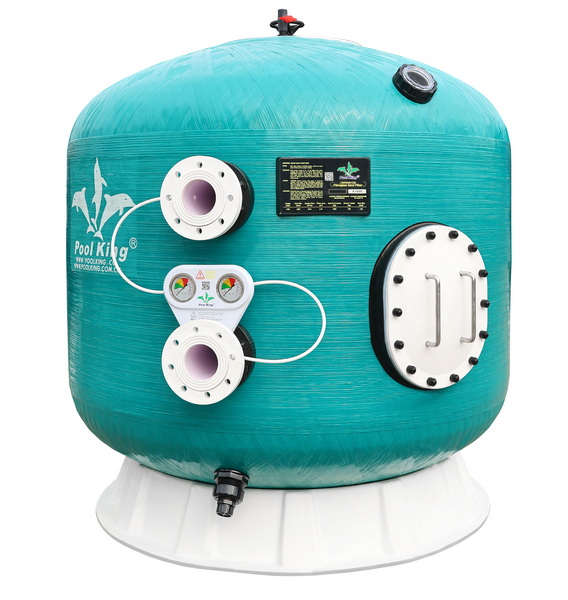
Pool filters remove debris, bacteria, and algae, circulating water to keep it clear and safe. Filtration works alongside chemical treatments, balancing water quality for every swimmer. Consistent operation keeps contaminants at bay and ensures that your pool system performs as designed.
- Sand Filters use sharp-edged silica sand to trap debris, filtering down to around 20–40 microns.[6]
- DE (Diatomaceous Earth) Filters offer finer filtration, down to 1–3 microns, but require more maintenance.
- Cartridge Filters are easy to clean and perform well for smaller and medium pools.[3]
Larger pools contain more water and contaminants, demanding longer filtration cycles. Calculate pool volume by multiplying length × width × average depth × 7.5 (for gallons).
- Hot, sunny climates accelerate algae growth and chemical breakdown, requiring longer filtration.
- Surrounding trees and landscaping introduce more debris.
- High usage pools (commercial or residential parties) need increased filtration per day.
- Summer: Increased heat and usage mean running your filter 10–12 hours daily.
- Winter: Colder temperatures and reduced usage allow for 4–8-hour cycles.[11]
- DE filters, being more efficient, may allow reduced run times.
- Older or undersized filters require longer operation for the same results.
- Clean, maintained filters maximize efficiency.[7][3]
Most experts recommend at least one full cycle per day. For standard pools (15,000–20,000 gallons) with average pumps, this is roughly 8–12 hours.[12][13]
- If using variable speed pumps, adjust for lower speeds (which may require longer run times but reduce energy costs).
- For high-use pools, aim for 1.5 cycles daily.
- Daytime filtering: Helps neutralize algae, which grows fastest in sunlight.
- Nighttime filtering: May offer lower energy costs (depending on local rates), though chlorine and bromine may dissipate faster.
- Split schedules (morning + evening) offer both cleanliness and efficiency.
Programmable timers and smart controllers can automate custom schedules for maximum savings.
- Backwash after pressure rises 8–10 psi above the clean baseline.[1][5][7]
- Replace sand every 5–7 years, or sooner if filtration declines.
- Inspect valves, gaskets, and hoses for wear.
- Rinse cartridges every 30 days under normal use using a garden hose.[3]
- Chemically clean and deep soak quarterly for heavy usage.
- Replace cartridges every 1–2 years.
- Backwash and recharge with new DE powder when pressure rises.
- Perform annual tear-down cleaning for optimal efficacy.
Regular cleaning reduces operating costs and prevents premature equipment failure.
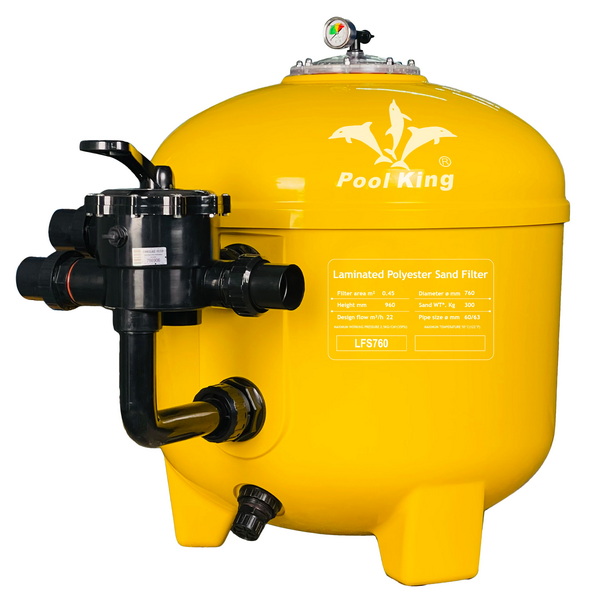
Modern commercial pools use smart filter control systems to optimize run times and monitor performance. Features often include:[10]
- Automated backwash cycles
- Multi-stage filtration (ceramic, sand, cartridge combos)
- Remote water quality monitoring
- Real-time fault detection and alerting
These systems maximize safety, reduce labor, and ensure compliance with regulations.
Sand filters remain the most popular residential and commercial choice:[6]
- Water enters via the multiport valve, passes through sand, and exits through lateral arms.
- Pressure gauges indicate fill and clog levels.
- Backwash cycle reverses flow to flush out accumulated debris.
- Rinse mode settles sand post-backwash and prevents cloudy water upon switching back to filter mode.[4][5][1]
Key usage tips:
- Always switch the valve with the pump off to avoid damage.
- Monitor the pressure gauge for signs of a dirty filter, weak flow, or leaks.
- Initial backwash after sand replacement ensures system cleanliness.
Chinese manufacturers provide bulk OEM pool filtration products, supporting brands, wholesalers, and pool builders worldwide. Advantages of partnering with leading suppliers include:
- High-efficiency sand, cartridge, and DE filters using precision manufacturing and automation.
- Integrated water pumps, LED underwater lights, and accessories.
- Custom branding, technical support, and after-sales service.
- Compliance with international safety, environmental, and performance standards.
Common problems and their solutions:
- Cloudy Water: Increase daily run time, clean/backwash filter, check chemicals.
- Algae Blooms: Boost filtration and chlorine, brush surfaces, vacuum debris.
- High Pressure Gauge Reading: Indicates a clogged filter needing cleaning, backwashing, or cartridge replacement.
- Weak Water Flow: Check for pump clogs, low water level, or worn filter media.
Proactive maintenance and smart scheduling can prevent these issues and extend equipment life.
- Choose energy-efficient, variable-speed pumps for 80% lower running costs.
- Schedule filtration for off-peak energy hours.
- Inspect and upgrade filter media for improved performance and longevity.
- Consider solar-powered pumps in warm climates for further savings.
- Regular maintenance prevents wasteful over-filtration and expensive repairs.
Bulk buyers and OEM partners should seek products with proven reliability, energy ratings, and international certifications.
- Match filter type/size to pool volume and usage.
- Automate schedules using smart controllers.
- Engage in seasonal maintenance: deep-cleaning, component replacement, and system upgrades.
- Leverage OEM partnerships for cost-effective, high-quality equipment with ongoing technical support.
For pristine, safe pool water, run your filter at least 8–12 hours per day in summer, and 4–8 hours per day in winter, adjusting for pool size, location, and usage. Whether using sand, cartridge, or DE systems, regular maintenance, and smart scheduling are vital. Leverage modern technologies and local OEM suppliers for best-in-class filtration, energy savings, and product support. This guide empowers pool owners, industry buyers, and professionals to maintain the highest standards in pool water clarity and system reliability.
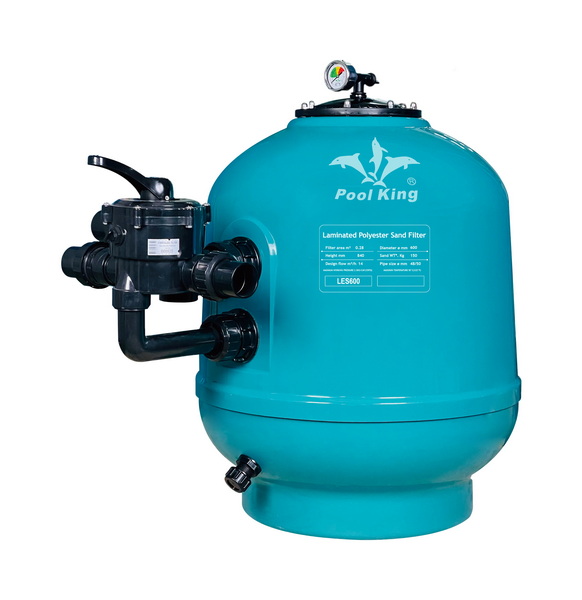
Estimate your pool volume and filter flow rate to circulate the entire pool at least once per day. For most pools, this equates to 8–12 hours, adjusting for variables like bather load and climate.[13][12]
Daytime filtering helps kill algae, but nighttime runs can save electricity if utility rates are lower. Splitting the schedule often maximizes both effects.[19]
Sand filters need periodic backwashing and sand replacement every 5–7 years. Cartridge filters require monthly rinsing and annual replacement. DE filters need backwashing and annual cleaning.[7][3]
They offer customizable, high-performance filtration solutions—including filtration tanks, pumps, lighting, and accessories—compliant with international standards for performance and safety.
Too little runtime leads to cloudy water and algae; excessive operation drives up costs and wears equipment prematurely. Stick to expert recommendations, automate where possible, and adjust for real-world conditions.[13]
[1](https://intheswim.com/blog/beginners-guide-to-swimming-pool-filters.html)
[2](https://www.youtube.com/watch?v=TqSPuekohqQ)
[3](https://www.emeraldpoolandspa.com/a-complete-guide-on-swimming-pool-filters/)
[4](https://www.youtube.com/watch?v=HfY71R1U4_Q)
[5](https://images.thdstatic.com/catalog/pdfImages/b6/b6725766-4155-4498-8082-f8b5084fce08.pdf)
[6](https://www.thepoolfactory.com/blogs/pool-care/operating-your-sand-filter)
[7](https://envirowaste.com.au/mastering-pool-filter-maintenance/)
[8](https://www.streampumps.com/pump-introductions/how-does-a-sand-filter-pump-work.html)
[9](https://www.reddit.com/r/pools/comments/14o30p1/what_kind_of_filter_is_this_where_can_i_find/)
[10](https://liqtech.com/systems/commercial-pool/how-to-operate-and-maintain-a-pool-filtration-system/)
[11](https://lovegunitepool.com/how-many-hours-should-i-run-my-pool-filter/)
[12](https://www.reddit.com/r/pools/comments/pbcz27/how_long_should_i_run_my_pool_pump_each_day_i/)
[13](https://poolknowledge.net/how-many-hours-a-day-should-i-run-my-pool-filter/)
[14](https://www.istockphoto.com/photos/pool-filter)
[15](https://www.shutterstock.com/search/swimming-pool-filtration)
[16](https://www.vecteezy.com/free-photos/pool-filter)
[17](https://www.youtube.com/watch?v=hIchNEEb3To)
[18](https://www.youtube.com/watch?v=T-sbgTjBUQI)
[19](https://www.espa.com/corp-en/articles-day-or-night-filtration-/)


