
Views: 222 Author: Tina Publish Time: 2025-12-17 Origin: Site


Content Menu
● What Backwashing Actually Does
● Recommended Backwash Time by Filter Type
>> Sand filters
>> DE (diatomaceous earth) filters
● Simple Rule: Until the Water Runs Clear
● Step‑by‑Step Backwash Procedure (Sand & DE)
>> 1. Turn off the pump and set to “Backwash”
>> 2. Run backwash for 2–3 minutes
>> 3. Turn off pump and switch to “Rinse”
● How Often Should You Backwash?
● Signs You Are Backwashing Too Long or Too Short
● Backwash Time vs. Filter Size and Pool Type
● OEM Tips for Brands, Wholesalers and Builders
● FAQs About Backwashing Pool Filters
>> 1. How long should I backwash my sand filter?
>> 2. How often should I backwash my pool filter?
>> 3. Can I backwash too often?
>> 4. Why do I need to rinse after backwashing?
>> 5. Do cartridge filters need backwashing?
>> 6. What if backwashing does not lower the pressure?
Backwashing is one of the most important maintenance tasks for keeping your sand or DE pool filter working efficiently and your water crystal clear. As a professional OEM manufacturer in China supplying sand filters, DE filters, cartridge filters, pumps, LED lights and accessories to global brands and wholesalers, this guide also shows how proper backwashing supports long-term filter performance and protects your investment.[5][1]
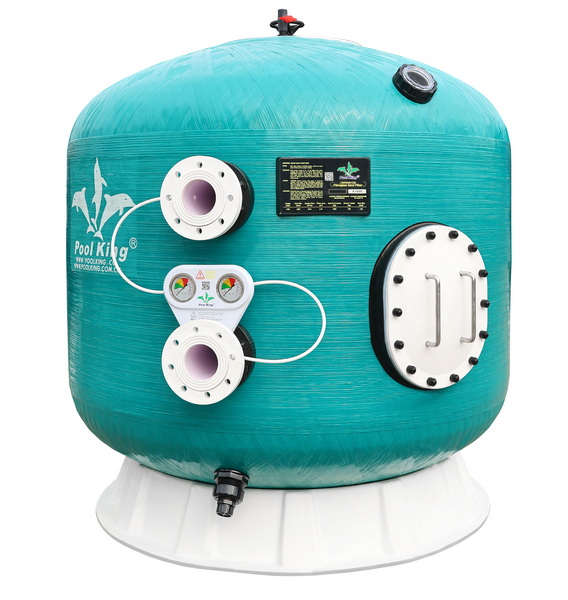
Backwashing reverses the flow of water through your filter, flushing trapped dirt, debris, algae, and fine particles out through the waste line instead of back to the pool. In a sand filter, dirty water is forced backward through the sand bed, lifting and agitating the media so contaminants are carried away; in a DE filter, old DE powder and attached dirt are stripped off the grids and expelled.[6][7][1]
For pool owners and commercial operators, proper backwashing prevents pressure from climbing too high, maintains flow, and keeps energy consumption under control. When combined with high‑performance OEM sand and DE filters, regular backwashing significantly extends media and equipment life.[2][4]
Most industry guides agree that you should backwash only as long as needed to clear the water—typically a few minutes for sand and DE filters. However, practical timing ranges vary slightly by filter type and size.[2][3][1]
- Typical backwash time: about 2–3 minutes, or until the water in the sight glass or hose runs clear.[4][1][2]
- Some smaller systems may clear in 1–2 minutes under light dirt loads.[8][6]
- Larger commercial filters or heavily loaded pools may require 3–5 minutes to fully flush the media.[1][2]
- Typical backwash time: about 1–3 minutes to strip DE and dirt from the grids.[3][9][7]
- Some procedures recommend a staged backwash cycle: 2–3 minutes backwash, 15 seconds on Filter, then another 30–60 seconds backwash to remove stubborn debris.[1]
- After backwashing, you must recharge with fresh DE powder according to the filter's surface area.[7][3]
Standard cartridge filters are not backwashed; instead, you remove and clean the cartridges with a hose or soaking solution. For above-ground systems marketed as “cartridge” but equipped with a small backwash-type housing, always follow the manufacturer's instructions rather than generic sand-filter timings.[3]
The most reliable rule is to backwash until the waste water turns from dirty to clear, then continue for about 30 seconds longer. Many multiport valves have a sight glass that lets you see the color of the backwash water; if yours does not, watch the end of the backwash hose.[10][6][3][1]
When you begin backwashing, water usually looks dark or cloudy due to accumulated debris being flushed out. As the filter cleans, the water gradually clears; once it's clear for about half a minute, you can safely stop backwashing and move to the rinse cycle.[5][2][10][1]
This section outlines a typical backwash process for a sand filter with a multiport valve; DE filters with multiport valves follow a nearly identical sequence, with the addition of DE recharging.[4][3]
- Always shut off the pool pump completely before moving the valve to avoid damaging internal seals.[3][4]
- Rotate the multiport valve handle to the “Backwash” position and make sure your backwash hose is properly connected and directed to a suitable drain area.[6][4]
- Turn the pump on and run in “Backwash” for about 2–3 minutes or until the sight glass or discharge water runs clear.[2][1][3]
- If your pool has been extremely dirty (after storms, algae treatment, or heavy use), you may need slightly longer backwash times within the typical range.[8][1]
- Turn the pump off again, then move the multiport to “Rinse.”[2][4][3]
- Turn the pump back on and rinse for about 30–60 seconds (up to 1–2 minutes on larger systems) to settle the media bed and flush remaining debris to waste.[1][2][3]
- Turn off the pump, set the valve back to “Filter,” then restart the pump.[4][3]
- Check that the pressure has dropped back near the clean operating level and that return jets feel stronger, indicating improved flow.[2][4]
For DE filters, finish by measuring and adding the correct amount of DE powder to the skimmer so the new coating forms on the grids.[7][3]
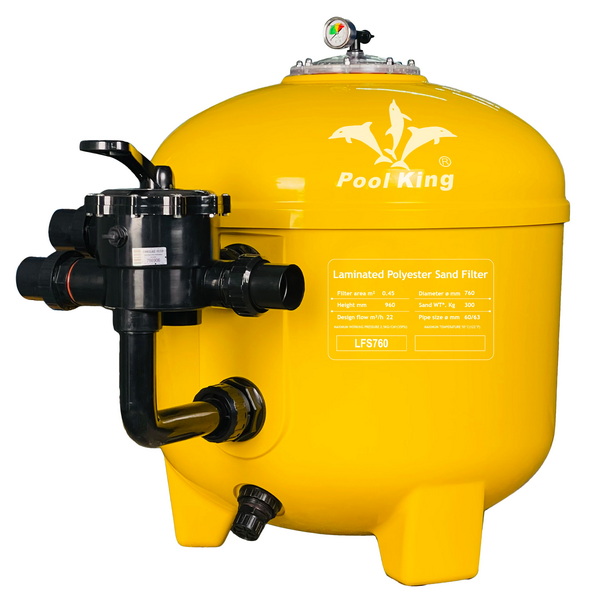
How long you backwash each time is closely related to how often you need to backwash at all. Over‑backwashing wastes water and chemicals, while under‑backwashing causes cloudy water and strain on your pump and filter.[11][5][3][2]
Typical guidelines are:
- Sand filters: backwash every 1–2 weeks during normal use, or whenever pressure rises 8–10 psi above clean starting pressure.[11][8][4]
- DE filters: backwash roughly once a month in season, or when pressure increases by 8–10 psi.[12][7][3]
- Cartridge filters: instead of backwashing, clean cartridges every 4–6 weeks (or more often with heavy dirt loads).[3]
Professional OEM sand and DE filters are sized to allow longer intervals between backwashes, helping save water and reduce labor for commercial operators and brand owners.
Running backwash for far longer than needed does not make the pool cleaner; it mostly wastes water and can disturb the sand or DE media excessively. On the other hand, shutting off too soon leaves dirt in the filter and may cause rapid pressure buildup and cloudy water.[5][1][2]
You are likely backwashing too long if:
- The water in the sight glass has been clear for more than 30–60 seconds, but you still keep running.[10][1]
- Your water bill is unusually high or your pool level drops significantly during each maintenance.[2]
You are likely backwashing too short if:
- Filter pressure remains high shortly after backwashing.[11][4]
- Return flow is weak and the pool becomes cloudy again quickly.[13][2]
Large commercial pools, resort installations, and high‑capacity residential systems often use bigger sand filters with deeper media beds; these usually require the upper end of the 2–5 minute backwash range. Smaller above‑ground pools with compact filters may clear in closer to 1–2 minutes.[13][8][1][2]
When designing or selecting an OEM filter system, engineers match filter surface area and media depth to expected bather load and pump flow, ensuring that typical backwash times remain efficient and water usage is manageable. In practice, operators should still rely on the sight glass and pressure gauge to fine‑tune their own backwash duration.[11][1]
For foreign brands, wholesalers, and pool system manufacturers sourcing filters, pumps, and accessories from a professional Chinese OEM plant, backwash performance is a key design factor. Well‑designed multiport valves, durable laterals, and optimized sand bed geometry ensure consistent backwash flow and shorter cleaning cycles.[4][1]
When cooperating on OEM projects, consider:
- Specifying clear backwash and rinse time ranges in user manuals (for example, “Backwash 2–3 minutes until clear, rinse 60 seconds”).[3][2]
- Including a large, easy‑to‑read sight glass and pressure gauge to help end users optimize duration.[11][1]
- Matching pump flow to filter size so backwashing is strong enough to lift media but not so high that sand or DE is lost excessively.[4][1]
- Providing QR codes on labels linking to backwash tutorial videos and maintenance guides.[15][14]
These details improve customer satisfaction, reduce service calls, and differentiate your OEM product line in competitive markets.
For most sand and DE pool filters, the ideal backwash duration is about 2–3 minutes, or simply until the backwash water runs clear, followed by a 30–60 second rinse cycle. Instead of relying on a fixed time alone, pool owners and operators should watch the sight glass, monitor pressure readings, and adjust within the recommended range based on filter size, dirt load, and pool usage.[1][11][2][3]
Combined with a correctly sized OEM sand or DE filter, quality pumps, and proper chemical balance, consistent backwashing keeps water clear, protects swimmers, and extends equipment life for both residential and commercial pools worldwide.[5]
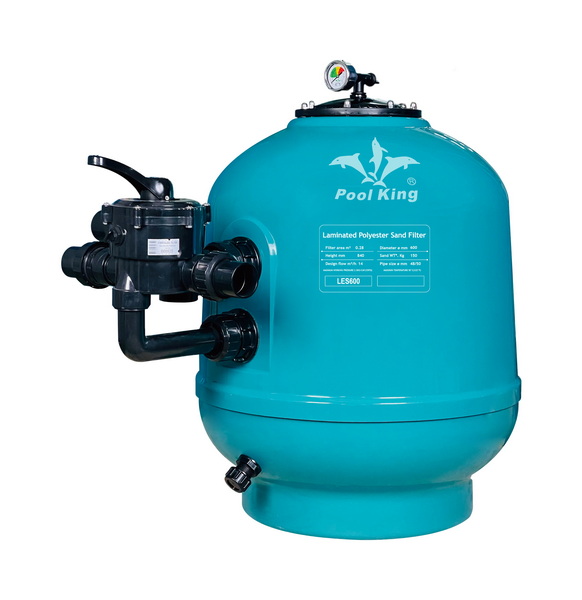
Most sand filters need about 2–3 minutes of backwash time, or until the sight glass or waste line water runs clear, plus a short rinse afterward. Very small systems may clean in 1–2 minutes, while large commercial filters can require up to 5 minutes under heavy loads.[8][4][2][1]
A common rule is to backwash when the pressure rises 8–10 psi above the clean starting reading; for many pools, this works out to about once a week for sand filters and once a month for DE filters in normal use. After storms, algae treatment, or heavy bather loads, you may need additional backwashes.[12][8][11][3][1]
Yes. Backwashing too frequently wastes water and chemicals and can remove the fine “dirt cake” that helps sand and DE filters capture very small particles, sometimes causing cloudier water. It is better to wait for the 8–10 psi pressure rise or other clear signs that the filter is dirty before backwashing again.[5][11][2][1]
The rinse setting re‑packs the sand or DE media in the proper direction and flushes any remaining dirt or fine particles to waste, preventing them from blowing back into the pool. Rinsing for 30–60 seconds (up to 1–2 minutes on larger filters) stabilizes the bed and ensures cleaner startup water.[2][3][1]
Standard cartridge filters are not designed for backwashing; instead, you shut off the pump, open the filter, remove the cartridges, and clean them with a hose or soak them periodically. When pressure rises 8–10 psi above clean, it is time to clean or replace the cartridges rather than backwash.[3]
If pressure remains high even after a full 2–3 minute backwash and rinse, the filter may be undersized, the media may be worn out, or internal parts like laterals or DE grids may be damaged or clogged. At this point, inspect the media, check for channeling, and consult your equipment supplier or OEM partner for maintenance or replacement recommendations.[7][4][1][2]
[1](https://intheswim.com/blog/backwashing-best-practices.html)
[2](https://platinumpoolservice.com/blog/how-often-should-i-backwash-my-pool-filter/)
[3](https://blog.royalswimmingpools.com/how-to-backwash-pool-filter-guide)
[4](https://www.doheny.com/help/how-to-backwash-a-sand-filter)
[5](https://www.swimuniversity.com/backwash-sand-filter/)
[6](https://poolpartstogo.com/blogs/articles/how-to-backwash-your-pool-filter-the-easy-way)
[7](https://www.swimmingpool.com/maintenance/pump&filter/how-to-backwash-de-pool-filter/)
[8](https://thethreecousins.com/how-to-backwash-a-sand-filter/)
[9](https://www.youtube.com/watch?v=wAL2H6EE1l4)
[10](https://www.facebook.com/groups/273395260599363/posts/1136244164314464/)
[11](https://www.eco-outdoor.com/en-us/outdoor-design/when-to-backwash-your-pool)
[12](https://centraljerseypools.com/how-often-to-backwash-a-de-filter/)
[13](https://www.reddit.com/r/AboveGroundPools/comments/1et1lkq/how_often_to_backflush_the_sand_and_how_many/)
[14](https://www.youtube.com/watch?v=r8soaqt1Pn0)
[15](https://www.youtube.com/watch?v=xQE4CPkBJPo)
[16](https://www.reddit.com/r/pools/comments/1equkna/how_long_do_you_run_backwash_on_your_sand_filter/)
[17](https://www.bluescience.com/swimming-pools/posts/how-to-backwash-a-de-filter/)
[18](https://procedures.orendatech.com/sand-filter-purge)
[19](https://www.reddit.com/r/pools/comments/162dg68/how_often_should_i_backwash_my_de_filter/)
[20](https://www.youtube.com/watch?v=EIEv7gJMKyk)


