
Views: 222 Author: Tina Publish Time: 2025-11-22 Origin: Site


Content Menu
● Understanding the Function of a Pool Filter
● Types of Pool Filters and Their Capacities
>> 2. DE (Diatomaceous Earth) Filters
● Calculating the Right Pool Filter Size
>> Step 1: Calculate Pool Volume
>> Step 2: Determine Desired Turnover Rate
>> Step 3: Match Filter Flow Rate to Pump Flow Rate
● Recommended Pool Filter Sizes by Pool Volume
● How Filter Size Affects Water Quality
● Maintenance Tips for Optimal Filtration
● OEM Pool Filter Manufacturing from China
● FAQs About Pool Filter Sizing
>> 1. How do I match my pool pump to my filter?
>> 2. What happens if my filter is too small?
>> 3. Is a larger filter always better?
>> 4. How often should I backwash my sand or DE filter?
>> 5. What's the best pool filter for saltwater systems?
Choosing the right pool filter size is one of the most important decisions for maintaining crystal-clear and healthy swimming water. Whether you own a small backyard pool or manage a commercial swimming facility, the filter's size and capacity determine how effectively it can clean debris, bacteria, and fine particles.
This guide explores everything you need to know about pool filter sizing — from filter types and flow rates to real-world examples and sizing charts — helping you select the ideal system for your pool.
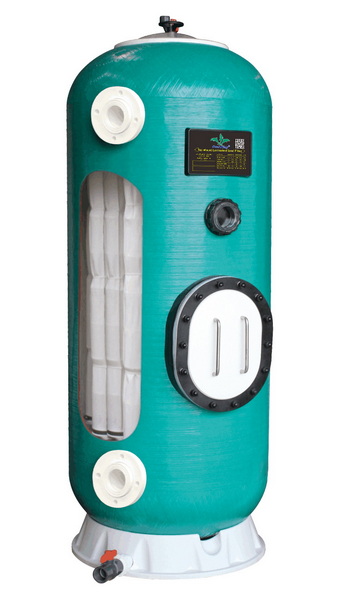
A pool filter is a crucial component of your pool's circulation system. It traps dirt, oils, algae, and other contaminants, ensuring that the water remains safe and sparkling.
The filter works alongside the pool pump, which pushes water through the filtration medium — sand, diatomaceous earth (DE), or cartridge — before returning clean water to the pool.
Key functions include:
- Removing fine particulate matter such as sand, pollen, and dead skin.
- Assisting in chemical balance by preventing organic buildup.
- Protecting equipment like pumps and heaters from clogging.
When you ask, “How big of pool filter do I need?” the answer depends on the filter type you choose. Let's dive into each type and how sizing differs among them.
Sand filters are the most common choice for both residential and commercial pools. They use silica sand or glass media to capture debris as water passes through.
Advantages:
- Low maintenance
- Long-lasting media (typically lasts 5–7 years)
- Cost-effective
Recommended sizing:
Sand filters are rated by surface area and flow rate, usually expressed in gallons per minute (GPM).
A general rule is to choose a sand filter capable of at least 1 square foot of filter area per 10,000 gallons of pool water.
DE filters provide the finest filtration level, capturing particles as small as 2–5 microns. They use a natural powder made from fossilized algae to coat the filter grids.
Advantages:
- Exceptional water clarity
- Efficient for larger or heavily used pools
- Quick cleaning process with backwash and recharge
Sizing rule:
Select a DE filter that can handle 1 square foot per 5,000–8,000 gallons of pool water.
Cartridge filters use pleated polyester cartridges to trap debris, offering a large surface area with easy maintenance. They don't require backwashing, saving both water and energy.
Advantages:
- High filtration efficiency
- Easy to clean (simply rinse or soak cartridges)
- Great for small to medium residential pools
Sizing suggestion:
Opt for at least 100 square feet of filter area per 10,000 gallons of water.
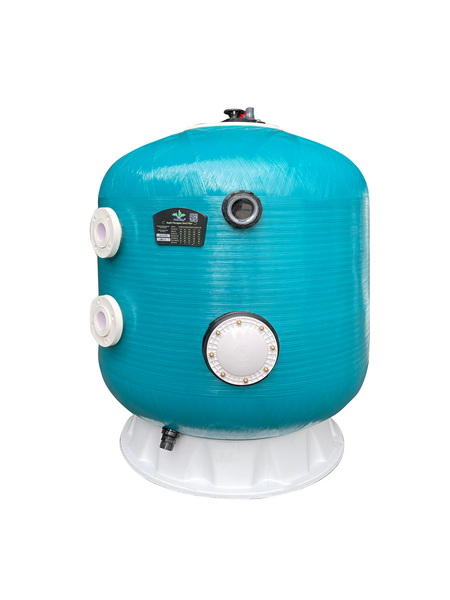
Selecting the right pool filter size requires understanding your pool volume, pump flow rate, and turnover time.
Use this formula based on your pool's shape:
Rectangular Pool:
Volume=Length×Width×AverageDepth×7.5
Round Pool:
Volume=π×(Radius2)×AverageDepth×7.5
For example, a 30 ft × 15 ft pool with an average depth of 4 ft holds:
30×15×4×7.5=13,500gallons
A pool filter should ideally circulate all the water every 8–10 hours for residential pools and every 6 hours for commercial ones.
So, for 13,500 gallons with an 8-hour turnover:
13,500/8=1,688gallons/hour=28.1GPM
You'll need a filter and pump system rated for at least 28 GPM.
A common mistake pool owners make is mismatching the filter with the pump.
If the pump's flow rate exceeds the filter's capacity, dirt can bypass filtration or cause damage. Always check manufacturer specifications and ensure:
FilterFlowRate≥PumpFlowRate
| Pool Size (Gallons) | Sand Filter (sq. ft.) | Cartridge Filter (sq. ft.) | DE Filter (sq. ft.) |
|---|---|---|---|
| Up to 10,000 | 1.0 – 1.5 | 50 – 100 | 2 – 4 |
| 10,000–20,000 | 1.5 – 2.0 | 100 – 200 | 4 – 6 |
| 20,000–30,000 | 2.0 – 3.0 | 200 – 300 | 6 – 8 |
| 30,000–40,000 | 3.0 – 3.5 | 300 – 400 | 8 – 10 |
| 40,000+ | 3.5 – 4.0+ | 400+ | 10+ |
A larger filter provides superior water clarity and lower maintenance frequency.
Here's why bigger is often better:
- Larger surface area = lower pressure buildup.
- Filters stay cleaner for longer periods.
- Reduced pump strain and energy use.
- Less frequent backwashing (especially for sand and DE systems).
Rule of thumb:
If you're in doubt, always choose the next larger filter size. It prevents premature clogging and keeps the system efficient year-round.
Imagine a homeowner with a 25,000-gallon in-ground pool using a variable-speed pump rated for 60 GPM.
- Desired turnover: every 8 hours.
- Total flow = 25,000/8=3,125 gallons/hour=52 GPM.
Filter options:
- Sand filter: ~2.5–3.0 sq. ft.
- Cartridge filter: ~250–300 sq. ft.
- DE filter: ~6 sq. ft.
This setup ensures consistent water clarity without overloading the pump.
To maximize your filter's lifespan and efficiency, follow these maintenance practices:
- Backwash sand and DE filters approximately every 4–6 weeks.
- Clean cartridge filters every 2–4 weeks depending on debris load.
- Replace sand every 5–7 years, DE powder after each backwash, and cartridges every 1–2 years.
- Monitor the pressure gauge — clean or backwash when pressure rises 8–10 psi above normal.
- Winterize pool filters properly to prevent freezing or cracking.
Our factory specializes in premium-grade sand filter systems and complete pool filtration solutions. Equipped with intelligent production machinery, we manufacture quality sand filters, DE filters, cartridge filters, pumps, LED lights, and accessories.
We provide OEM and customization services for global pool equipment brands, wholesalers, and professional installers.
Our filters are designed for durability, precision performance, and compatibility with most pool setups — residential or commercial.
Determining how big of pool filter you need depends on your pool's volume, turnover rate, and pump capacity. Correct sizing ensures cleaner water, reduced energy costs, and longer equipment lifespan.
Sand filters suit durability and cost efficiency, DE filters excel in fine cleaning, and cartridge filters offer easy maintenance. When in doubt, choose a slightly larger filter — it's the safest investment for a clear and healthy pool.
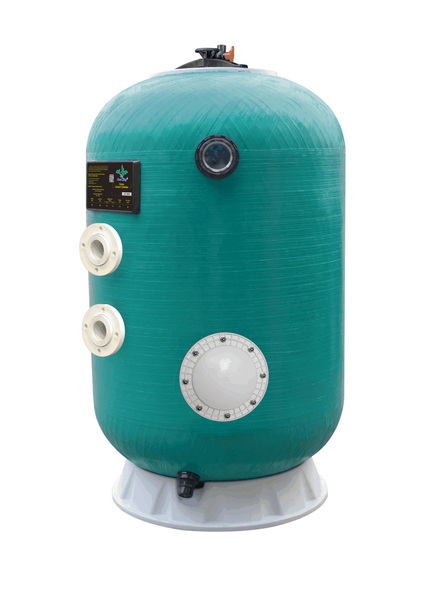
Always ensure the filter's flow rate equals or exceeds the pump's. If your pump pushes 50 GPM, the filter should safely handle at least 50 GPM as well.
An undersized filter causes high pressure, dirty water, and frequent maintenance. It also reduces the pump's lifespan due to unnecessary strain.
In most cases, yes. A larger filter offers improved filtration efficiency, less frequent cleaning, and lower energy consumption.
Backwash whenever pressure rises about 8–10 psi above the clean reading, typically every 4–6 weeks during heavy use.
Cartridge filters are ideal for saltwater pools due to their corrosion resistance and easy cleaning process.


